

Exploring the Future of Two-Wheeled Electric Vehicles
08/18
2026
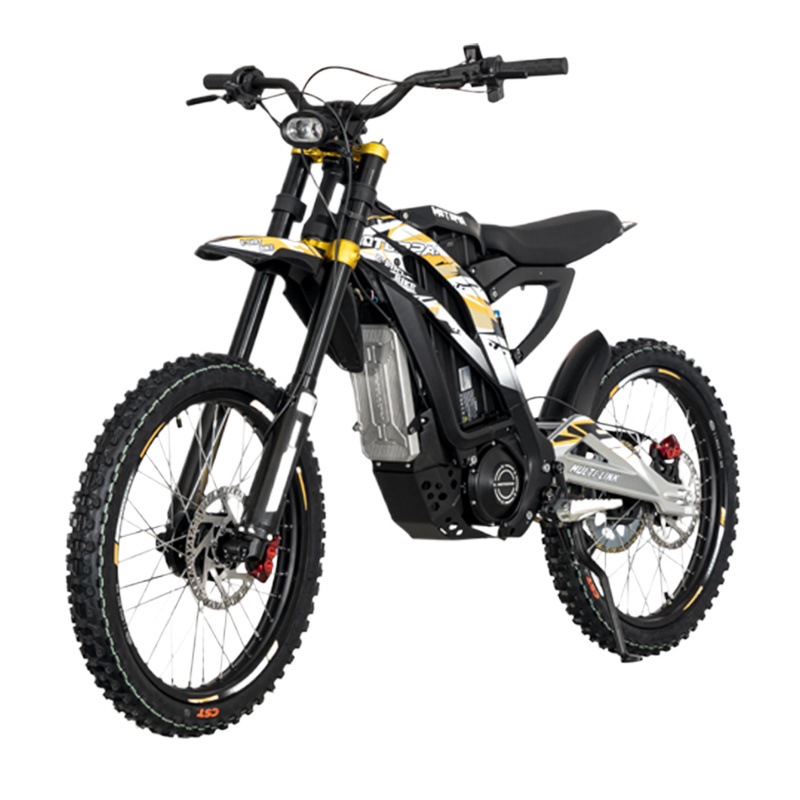
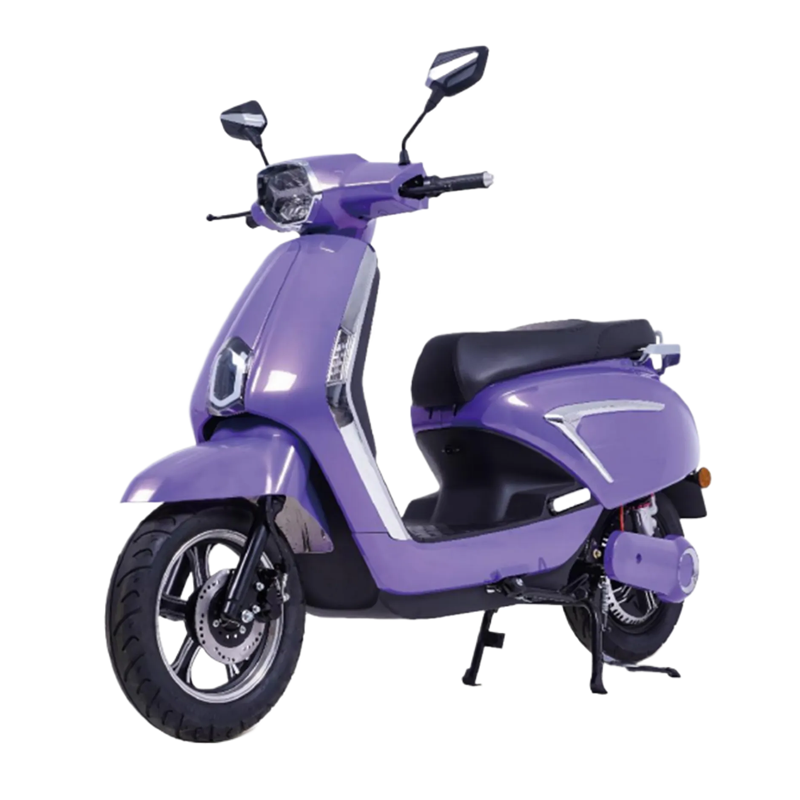
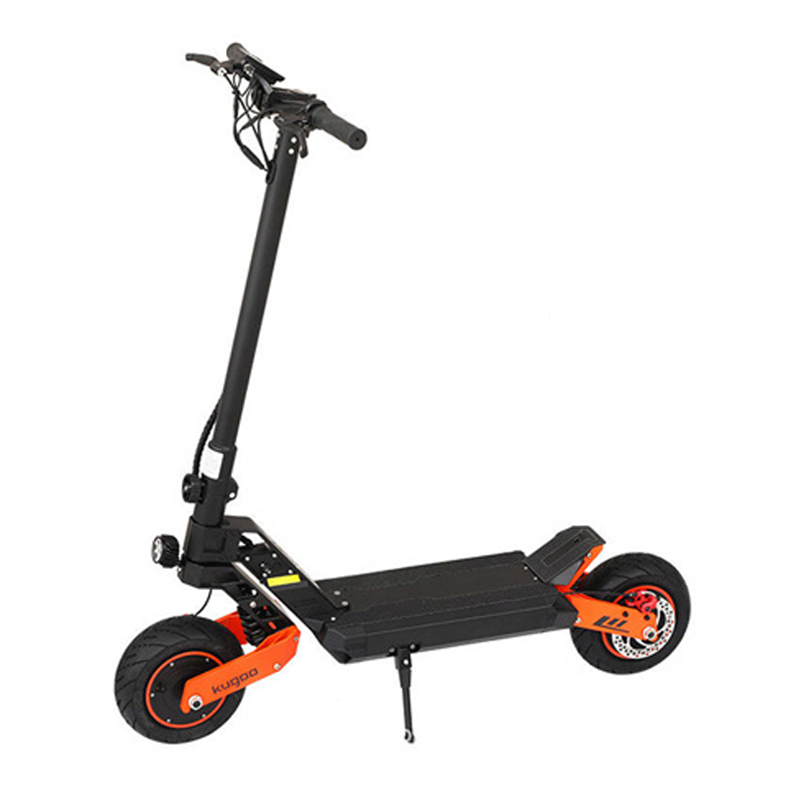
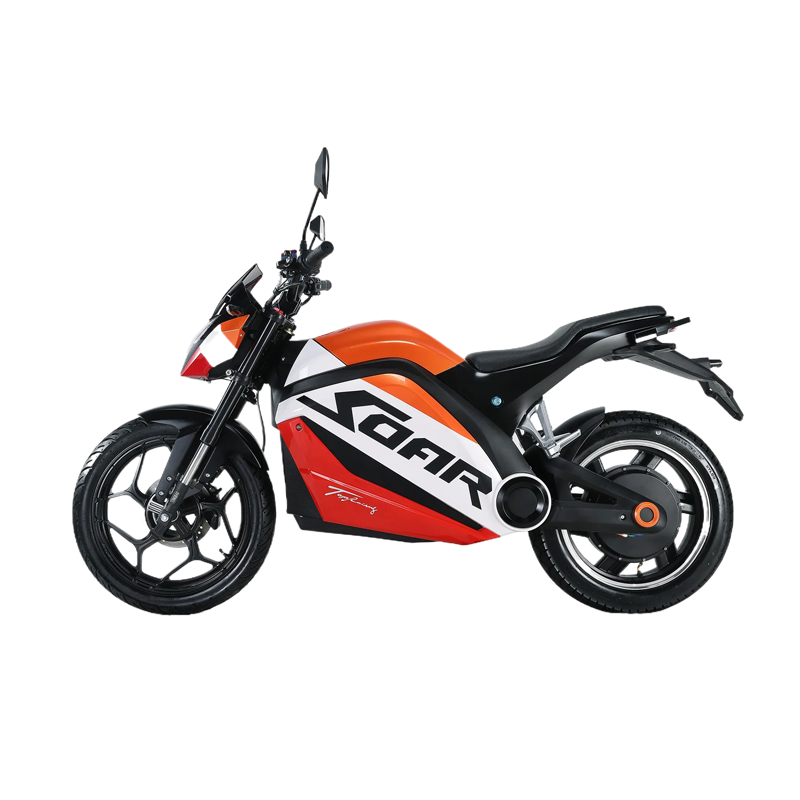
As urban environments evolve, two-wheeled electric vehicles (EVs) are becoming a popular choice for commuters seeking efficient and eco-friendly transportation solutions. These vehicles, which include electric motorcycles and scooters, represent a significant shift in the way we think about mobility. Understanding their technology and advantages is essential for anyone considering entering this exciting market.
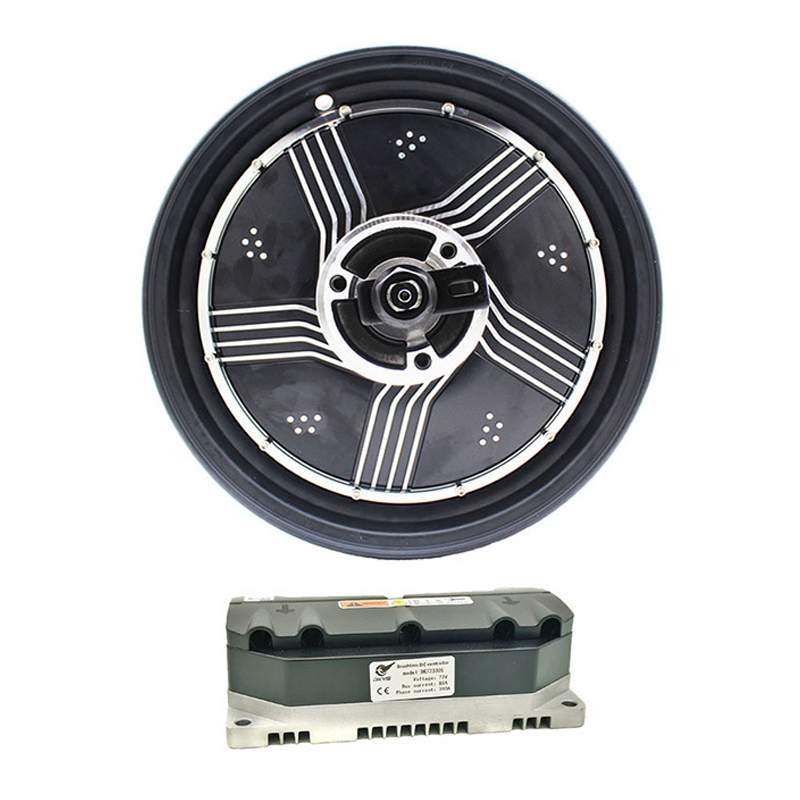
At the heart of two-wheeled electric vehicles is the electric powertrain, which comprises a battery, motor, and controller. The battery stores electrical energy, and advancements in lithium-ion technology have greatly improved their range, charging speed, and overall efficiency. Many modern electric motorcycles can now travel between 60 to 100 miles on a single charge, making them a practical option for daily commuting.
The electric motor, which drives the wheels, is designed for high torque output, providing excellent acceleration and responsiveness. This characteristic makes two-wheeled electric vehicles not only efficient but also fun to ride. Riders often enjoy the quiet operation of electric motors, which contributes to reduced noise pollution in urban areas.
Another noteworthy aspect is the regenerative braking system incorporated in many electric motorcycles. This technology allows the vehicle to recover energy during braking, which is then used to recharge the battery, enhancing overall efficiency. This not only extends the range of the vehicle but also reduces wear on traditional brake components, leading to lower maintenance costs.
In addition to the technical features, two-wheeled electric vehicles offer numerous environmental benefits. They produce zero tailpipe emissions, helping to improve air quality in densely populated areas. As cities strive to reduce their carbon footprint, the adoption of electric motorcycles and scooters is seen as a pivotal step towards sustainable urban mobility.
The lightweight nature of many electric two-wheelers also contributes to their efficiency. Compared to traditional gas-powered motorcycles, electric models typically weigh less, which can result in better handling and maneuverability. This factor makes them particularly appealing in congested cities where navigating through traffic can be challenging.
As the market for two-wheeled electric vehicles continues to grow, so does the infrastructure supporting their use. Many cities are investing in charging stations, making it easier for riders to keep their vehicles powered up. Furthermore, various government initiatives aim to promote electric vehicle adoption, providing incentives and support for both consumers and manufacturers.
In conclusion, two-wheeled electric vehicles are at the forefront of the electric mobility revolution. With their advanced technology, environmental benefits, and growing infrastructure, they offer a compelling alternative for modern transportation needs. As this industry continues to evolve, riders can expect even more innovations that will enhance their experience and contribute to a greener future.
At the heart of two-wheeled electric vehicles is the electric powertrain, which comprises a battery, motor, and controller. The battery stores electrical energy, and advancements in lithium-ion technology have greatly improved their range, charging speed, and overall efficiency. Many modern electric motorcycles can now travel between 60 to 100 miles on a single charge, making them a practical option for daily commuting.
The electric motor, which drives the wheels, is designed for high torque output, providing excellent acceleration and responsiveness. This characteristic makes two-wheeled electric vehicles not only efficient but also fun to ride. Riders often enjoy the quiet operation of electric motors, which contributes to reduced noise pollution in urban areas.
Another noteworthy aspect is the regenerative braking system incorporated in many electric motorcycles. This technology allows the vehicle to recover energy during braking, which is then used to recharge the battery, enhancing overall efficiency. This not only extends the range of the vehicle but also reduces wear on traditional brake components, leading to lower maintenance costs.
In addition to the technical features, two-wheeled electric vehicles offer numerous environmental benefits. They produce zero tailpipe emissions, helping to improve air quality in densely populated areas. As cities strive to reduce their carbon footprint, the adoption of electric motorcycles and scooters is seen as a pivotal step towards sustainable urban mobility.
The lightweight nature of many electric two-wheelers also contributes to their efficiency. Compared to traditional gas-powered motorcycles, electric models typically weigh less, which can result in better handling and maneuverability. This factor makes them particularly appealing in congested cities where navigating through traffic can be challenging.
As the market for two-wheeled electric vehicles continues to grow, so does the infrastructure supporting their use. Many cities are investing in charging stations, making it easier for riders to keep their vehicles powered up. Furthermore, various government initiatives aim to promote electric vehicle adoption, providing incentives and support for both consumers and manufacturers.
In conclusion, two-wheeled electric vehicles are at the forefront of the electric mobility revolution. With their advanced technology, environmental benefits, and growing infrastructure, they offer a compelling alternative for modern transportation needs. As this industry continues to evolve, riders can expect even more innovations that will enhance their experience and contribute to a greener future.


Recommended Reading
CONTACT
Phone Number : +86 512 6510 8165
Mobile Phone : +86 13771670476
Email : info@lexsongmoto.com
Office : Room 504, No.1 Building of Western Tower, Jiarui Mansion, No.400 Suzhou Ave. East, Industrial Park, Suzhou City, Jiangsu Province, China
Factory : B4 Chaoyang Industrial Square, Caohu Street, Suzhou City, Jiangsu Province, China

Apply to become an agent
Get exclusive discounts, product updates, and expert advice tailored specifically for you!