

Top Trends in Electric Two-Wheelers You Should Know
09/09
2026
Top Trends in Electric Two-Wheelers You Should Know
Introduction to Electric Two-Wheelers
The rise of electric mobility is not merely a passing trend; it represents a fundamental shift in how we approach transportation, especially in the two-wheeler segment. Electric motorcycles and scooters are becoming increasingly popular due to their environmental benefits, lower operational costs, and rapid technological advancements. As we move towards a more sustainable future, understanding the current trends in electric two-wheelers is essential for riders, manufacturers, and enthusiasts.
The Surge in Popularity of Electric Two-Wheelers
Electric two-wheelers have surged in popularity in recent years for various reasons:
Environmental Concerns
With growing awareness about climate change, more riders are opting for electric two-wheelers to reduce their carbon footprint. These vehicles emit zero tailpipe emissions, making them an eco-friendly alternative to traditional gasoline-powered motorcycles.
Cost Efficiency
Electric two-wheelers generally have lower operational costs compared to their combustion-engine counterparts. They require less maintenance, have fewer moving parts, and the cost of electricity for charging is significantly less than gasoline.
Government Incentives
Many governments worldwide are providing incentives for electric vehicle (EV) adoption, including tax rebates, subsidies on purchase, and the establishment of charging infrastructure. This has encouraged more consumers to consider electric two-wheelers as a viable option.
Key Trends Transforming the Electric Two-Wheeler Market
Several trends are shaping the electric two-wheeler market, making it an exciting space for both current riders and potential buyers.
1. Advancements in Battery Technology
Battery technology is at the heart of electric two-wheelers. Innovations in lithium-ion battery systems have led to increased range and reduced charging times. Riders can now expect longer distances on a single charge, making electric motorcycles more practical for daily use.
Solid-State Batteries: The Future of Energy Storage
Solid-state batteries are emerging as a game-changing technology, offering higher energy density, improved safety, and faster charging capabilities. As manufacturers invest in this technology, we can anticipate a revolution in battery performance.
2. Smart Connectivity Features
Today's electric two-wheelers are equipped with smart technology that enhances the riding experience. Features such as smartphone connectivity, GPS navigation, and real-time diagnostics are becoming standard.
Integration with Smart Devices
Riders can now connect their electric motorcycles to apps that monitor battery health, track performance, and provide navigation assistance, making every ride safer and more enjoyable.
3. Enhanced Design and Customization Options
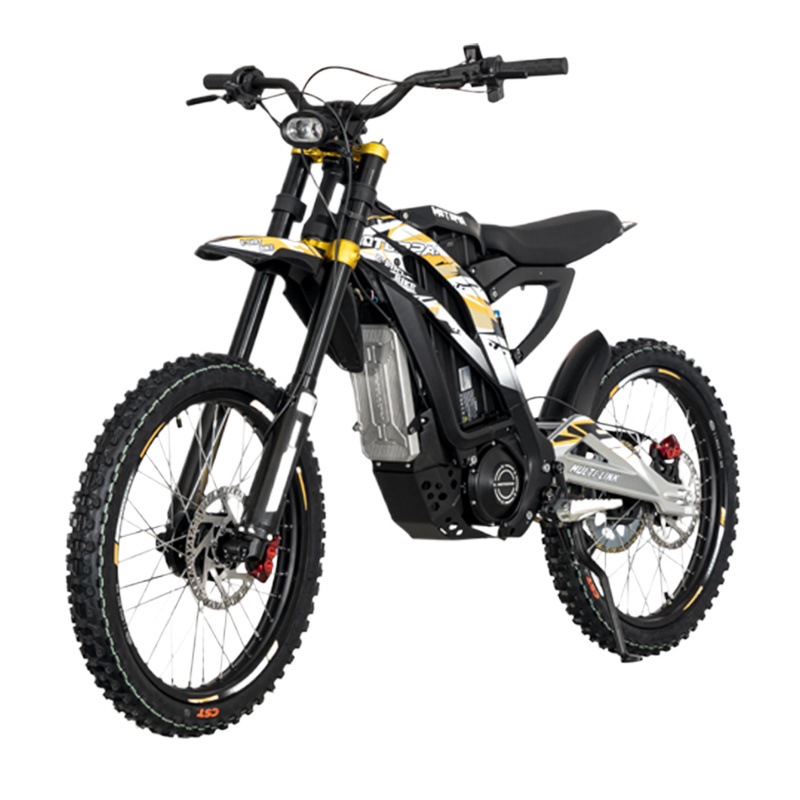
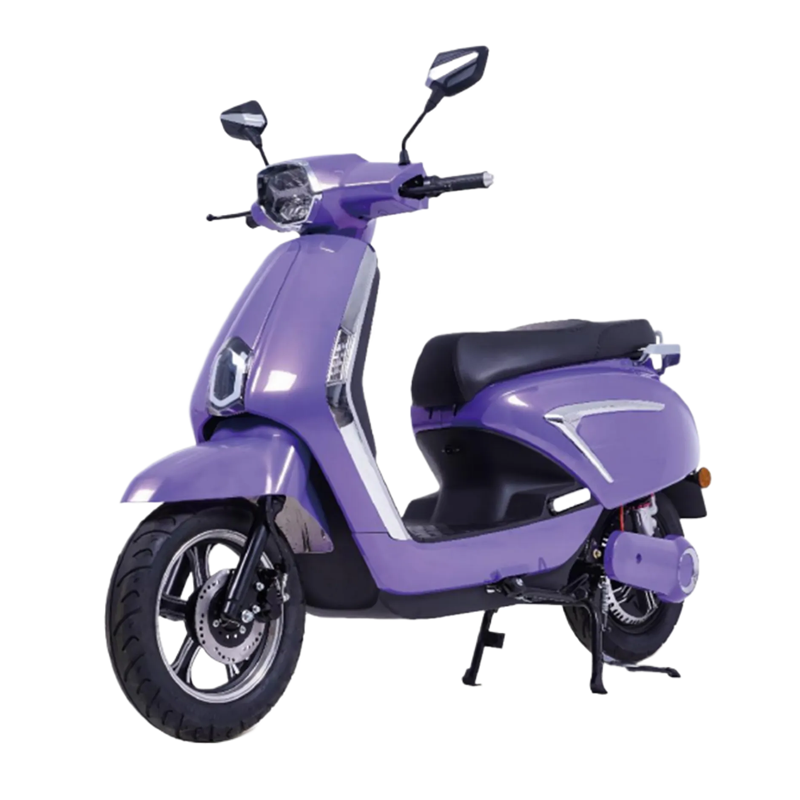
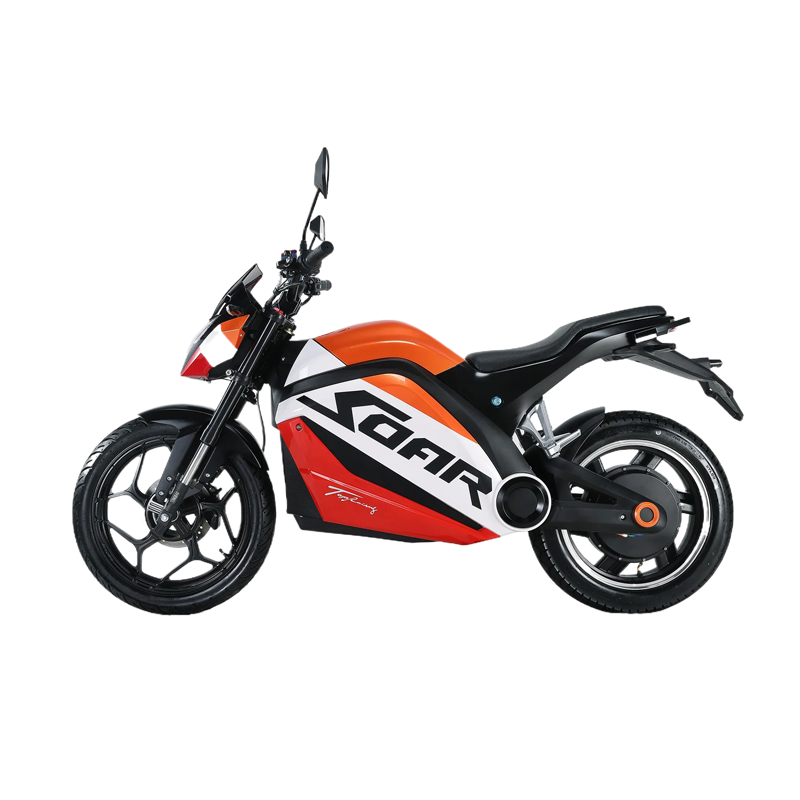
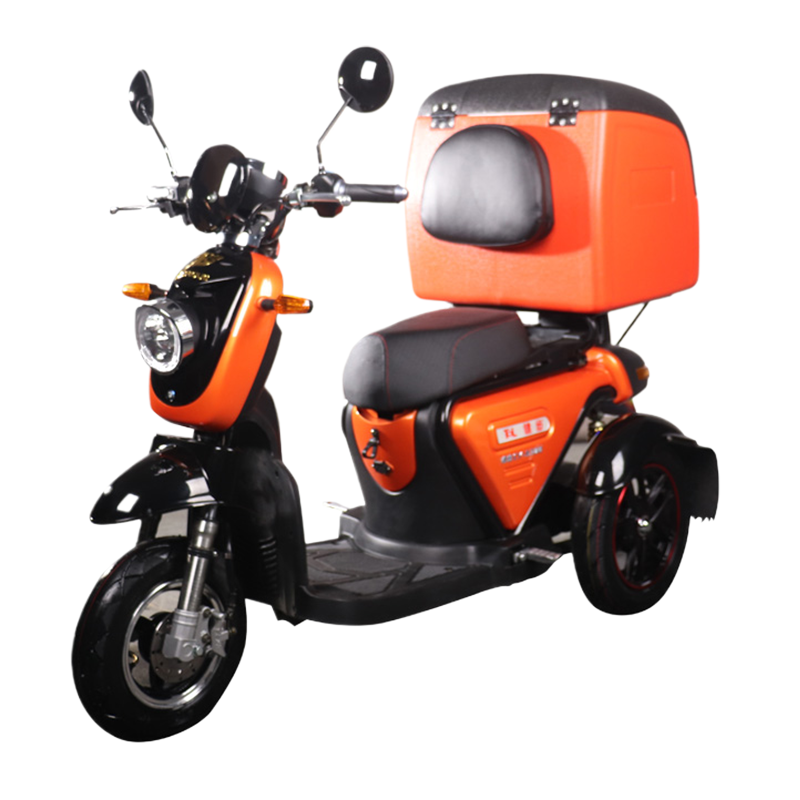
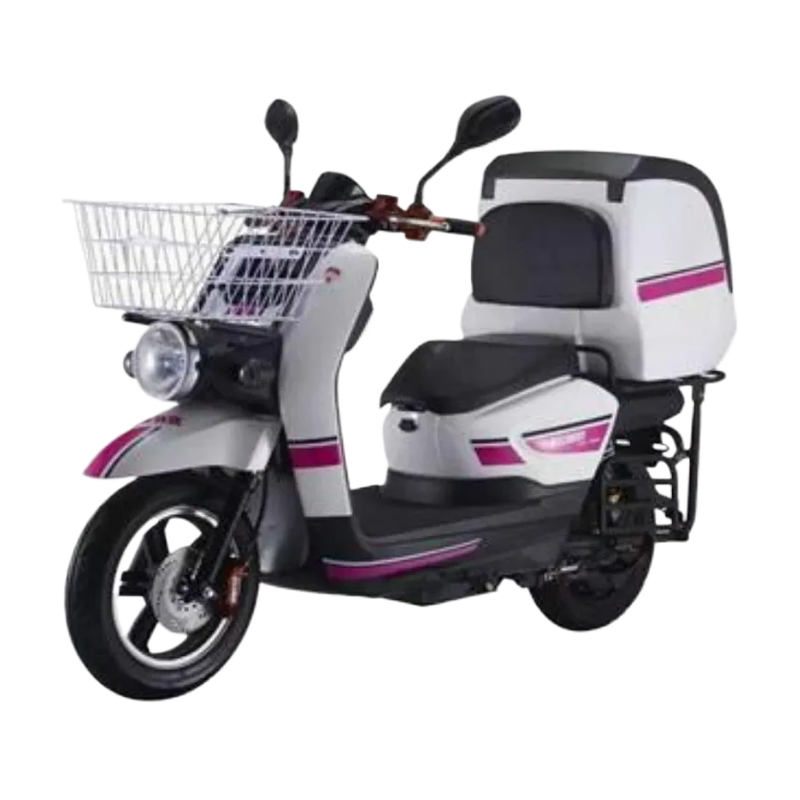
The design of electric two-wheelers is evolving. Manufacturers are focusing on aesthetics as much as functionality, leading to sleek, modern designs that appeal to a broader audience.
Customizable Electric Two-Wheelers
Many brands now offer customization options, allowing riders to modify their electric scooters and motorcycles to match their personal style. This trend attracts a younger demographic seeking individuality in their rides.
4. Increased Range and Performance
Range anxiety has been a significant barrier for electric motorcycle adoption. However, manufacturers are now producing models that can travel over 100 miles on a single charge, addressing this concern and making electric two-wheelers a practical choice for longer rides.
Performance Enhancements
Electric two-wheelers are not just about sustainability; they also offer superior performance. Instant torque and quick acceleration make them competitive with traditional motorcycles, appealing to performance enthusiasts.
5. The Rise of Subscription Models
As the electric two-wheeler market matures, more companies are exploring subscription-based models. This approach allows consumers to enjoy the benefits of electric riding without the long-term commitment of ownership.
Flexible Ownership Solutions
Subscription models provide flexibility for riders who may want to switch models frequently or try before they buy. This trend aligns with the preferences of younger consumers who prioritize convenience.
6. Focus on Safety and Regulation Compliance
As electric two-wheelers gain traction, regulatory bodies are establishing safety standards and regulations. Manufacturers are responding by incorporating advanced safety features, such as regenerative braking, anti-lock braking systems (ABS), and stability control.
Adapting to Regulations
Understanding and complying with regional laws regarding electric vehicles is crucial for manufacturers. This trend ensures that electric two-wheelers are safe and reliable for everyday use.
7. Expanding Charging Infrastructure
The development of charging infrastructure is critical for the growth of electric two-wheelers. As more charging stations become available, range anxiety will diminish, encouraging more riders to make the switch.
Public and Private Charging Solutions
Both public charging stations and home charging solutions are being developed to accommodate the needs of electric two-wheeler riders. Companies are collaborating with governments and private entities to create a comprehensive charging network.
8. Integration of AI and Machine Learning
Artificial intelligence (AI) and machine learning are starting to play a role in the development of electric two-wheelers. From predictive maintenance to smart route planning, these technologies can significantly enhance the riding experience.
Intelligent Systems for Optimal Riding
By analyzing data from the rider’s behavior and preferences, AI can suggest optimal routes, predict maintenance needs, and provide personalized riding tips.
Conclusion
The landscape of electric two-wheelers is evolving rapidly, influenced by advancements in technology, changing consumer preferences, and a commitment to sustainability. By staying informed about these trends, riders and industry stakeholders can prepare for a future where electric two-wheelers play a dominant role in transportation. As we continue to embrace electric mobility, the potential for innovation and improvement in the two-wheeler market is limitless.
Frequently Asked Questions (FAQs)
1. What are the main benefits of electric two-wheelers over traditional motorcycles?
Electric two-wheelers offer lower operational costs, zero emissions, and reduced maintenance compared to traditional gasoline-powered motorcycles.
2. How long does it take to charge an electric two-wheeler?
Charging times vary based on the battery size and charger type but typically range from 4 to 8 hours for home charging. Fast chargers can reduce this time significantly.
3. What is the average range of electric two-wheelers?
Most modern electric two-wheelers can achieve a range of 60 to over 100 miles on a single charge, depending on the model and riding conditions.
4. Are electric two-wheelers safe to ride?
Yes, electric two-wheelers are designed with safety features comparable to traditional motorcycles. Manufacturers are also complying with safety regulations to ensure rider safety.
5. What should I consider when buying an electric two-wheeler?
Consider factors such as range, charging time, design, performance, and available safety features. Additionally, explore customization options and available warranty services.
This detailed overview of current trends in electric two-wheelers provides essential insights for anyone interested in this rapidly evolving market. By understanding these trends, riders can make informed decisions and embrace the future of electric mobility with confidence.


Recommended Reading
CONTACT
Phone Number : +86 512 6510 8165
Mobile Phone : +86 13771670476
Email : info@lexsongmoto.com
Office : Room 504, No.1 Building of Western Tower, Jiarui Mansion, No.400 Suzhou Ave. East, Industrial Park, Suzhou City, Jiangsu Province, China
Factory : B4 Chaoyang Industrial Square, Caohu Street, Suzhou City, Jiangsu Province, China

Apply to become an agent
Get exclusive discounts, product updates, and expert advice tailored specifically for you!