

Discover the Future of Commuting: Urban Electric Bikes Explained
09/11
2026
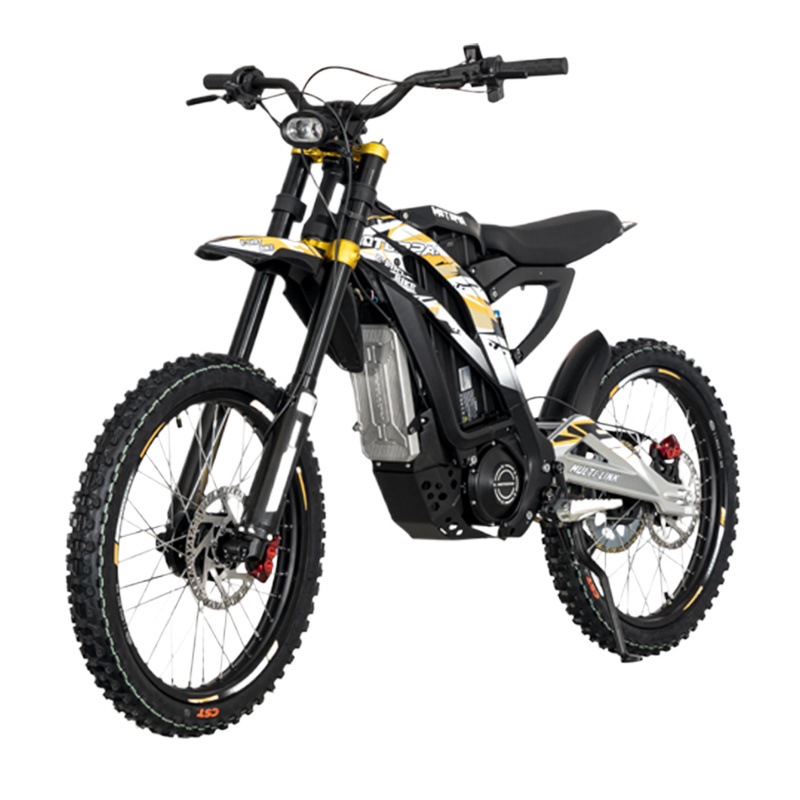
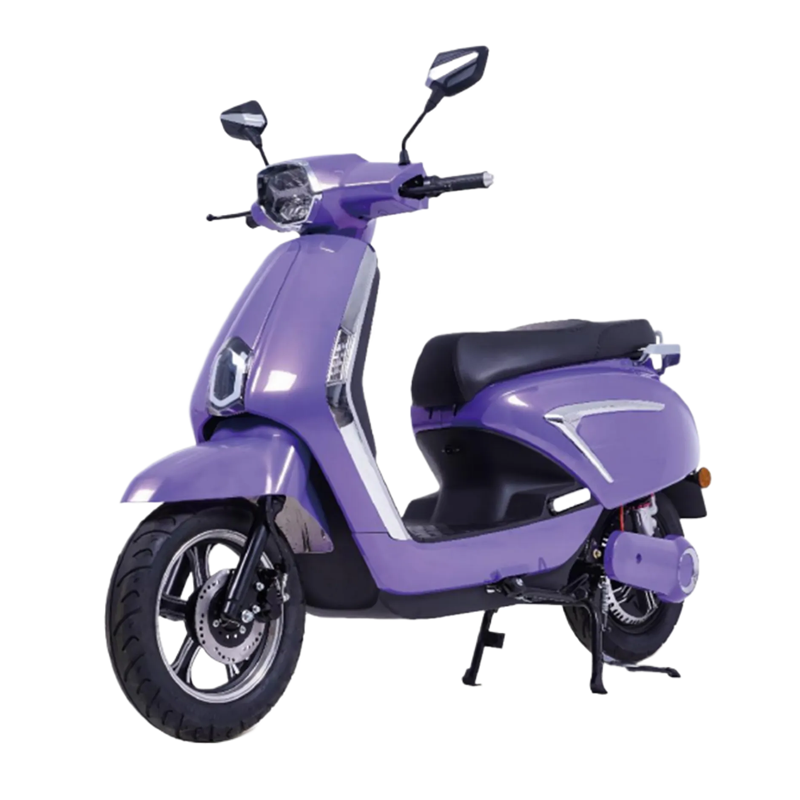
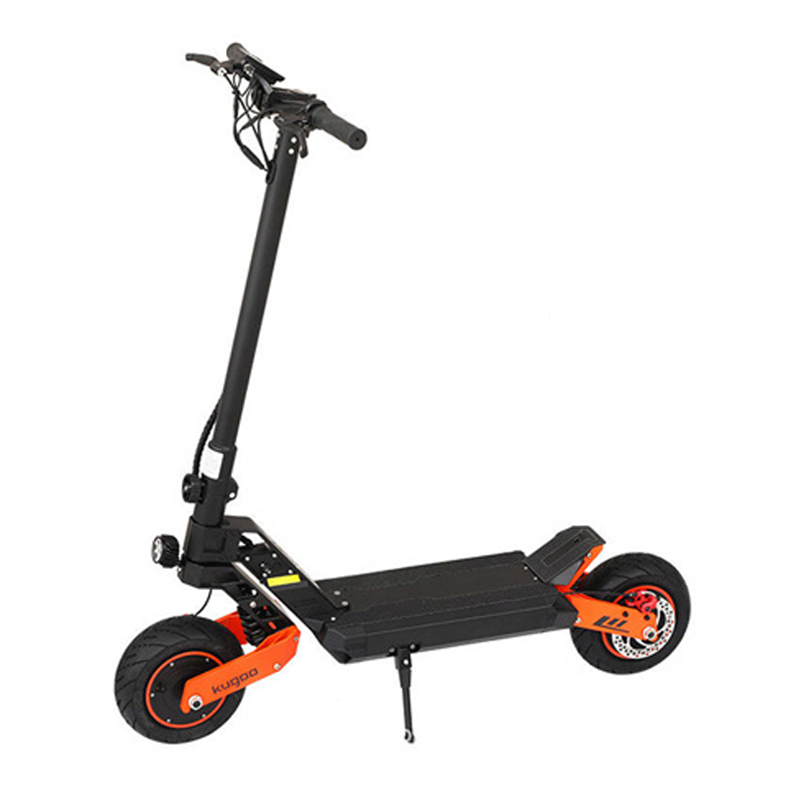
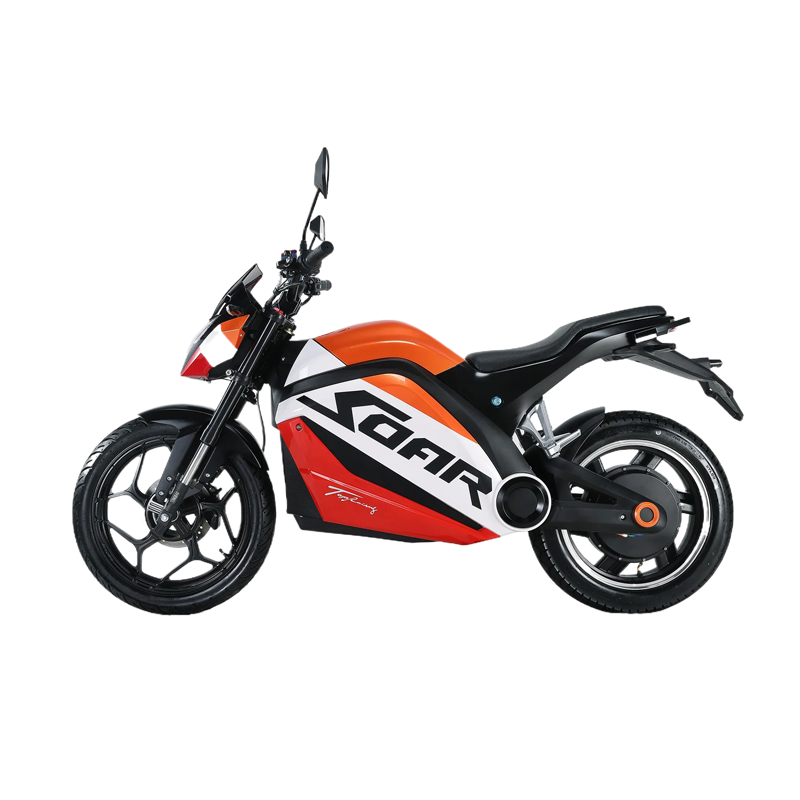
Urban electric bikes have emerged as a popular alternative for those seeking efficient and environmentally friendly transportation options in bustling city environments. These bikes combine traditional cycling with electric assistance, making them an ideal choice for urban commuters looking to navigate congested streets and reduce their carbon footprint.
One of the standout features of urban electric bikes is their pedal-assist technology. This innovative system provides a boost to the rider's pedaling efforts, making it easier to tackle hills and longer distances without excessive exertion. This is particularly useful in urban settings where varying terrains and traffic conditions can pose challenges. Riders can select different levels of assistance based on their preferences, ensuring a customized experience that suits their individual needs.
Safety is another crucial consideration for urban electric bike riders. Many models are designed with enhanced visibility features, including integrated lights, reflective surfaces, and bell systems to alert pedestrians and other cyclists. Additionally, a robust braking system is essential to ensure quick stops, especially in busy city traffic. Riders should also consider wearing protective gear, such as helmets, to enhance their safety on the road.
When choosing an urban electric bike, it’s important to consider the battery life and range. A quality electric bike should provide sufficient power to cover daily commutes without frequent recharging. Most urban electric bikes come with removable batteries, allowing users to charge them conveniently at home or in the office. This feature is particularly beneficial for those who may not have access to charging stations in their daily routes.
Moreover, urban electric bikes are not just practical; they also contribute to a healthier lifestyle. Cycling regularly can improve cardiovascular fitness, strengthen muscles, and enhance mental well-being. By choosing to commute on an electric bike, riders can incorporate exercise into their daily routine while enjoying the fresh air and scenery of their city.
Finally, urban electric bikes represent a sustainable transportation choice, reducing reliance on fossil fuels and decreasing traffic congestion. Many cities are increasingly supporting this shift toward greener transportation by implementing bike lanes and encouraging biking as a viable commuting option.
In conclusion, urban electric bikes offer a compelling blend of convenience, safety, and sustainability. They empower individuals to navigate their cities more effectively while promoting a healthier lifestyle and contributing to environmental conservation. As urban areas continue to grow, embracing this form of transportation could lead to a greener, more connected future for commuters everywhere.
One of the standout features of urban electric bikes is their pedal-assist technology. This innovative system provides a boost to the rider's pedaling efforts, making it easier to tackle hills and longer distances without excessive exertion. This is particularly useful in urban settings where varying terrains and traffic conditions can pose challenges. Riders can select different levels of assistance based on their preferences, ensuring a customized experience that suits their individual needs.
Safety is another crucial consideration for urban electric bike riders. Many models are designed with enhanced visibility features, including integrated lights, reflective surfaces, and bell systems to alert pedestrians and other cyclists. Additionally, a robust braking system is essential to ensure quick stops, especially in busy city traffic. Riders should also consider wearing protective gear, such as helmets, to enhance their safety on the road.
When choosing an urban electric bike, it’s important to consider the battery life and range. A quality electric bike should provide sufficient power to cover daily commutes without frequent recharging. Most urban electric bikes come with removable batteries, allowing users to charge them conveniently at home or in the office. This feature is particularly beneficial for those who may not have access to charging stations in their daily routes.
Moreover, urban electric bikes are not just practical; they also contribute to a healthier lifestyle. Cycling regularly can improve cardiovascular fitness, strengthen muscles, and enhance mental well-being. By choosing to commute on an electric bike, riders can incorporate exercise into their daily routine while enjoying the fresh air and scenery of their city.
Finally, urban electric bikes represent a sustainable transportation choice, reducing reliance on fossil fuels and decreasing traffic congestion. Many cities are increasingly supporting this shift toward greener transportation by implementing bike lanes and encouraging biking as a viable commuting option.
In conclusion, urban electric bikes offer a compelling blend of convenience, safety, and sustainability. They empower individuals to navigate their cities more effectively while promoting a healthier lifestyle and contributing to environmental conservation. As urban areas continue to grow, embracing this form of transportation could lead to a greener, more connected future for commuters everywhere.


Recommended Reading
CONTACT
Phone Number : +86 512 6510 8165
Mobile Phone : +86 13771670476
Email : info@lexsongmoto.com
Office : Room 504, No.1 Building of Western Tower, Jiarui Mansion, No.400 Suzhou Ave. East, Industrial Park, Suzhou City, Jiangsu Province, China
Factory : B4 Chaoyang Industrial Square, Caohu Street, Suzhou City, Jiangsu Province, China

Apply to become an agent
Get exclusive discounts, product updates, and expert advice tailored specifically for you!