

Electric Vehicle Controllers: Key Features You Should Know for Optimal Performance
08/16
2026
Electric Vehicle Controllers: Key Features You Should Know for Optimal Performance
As the electric vehicle (EV) market continues to expand, understanding the components that contribute to the efficiency and performance of these vehicles becomes crucial. Among these components, the electric vehicle controller plays a pivotal role. This article will delve into the key features of electric vehicle controllers, equipping you with the knowledge needed to make informed decisions.
Table of Contents
- 1. Introduction to Electric Vehicle Controllers
- 2. How Electric Vehicle Controllers Work
- 3. Key Features of Electric Vehicle Controllers
- 3.1 Efficiency Ratings
- 3.2 Compatibility with Battery Systems
- 3.3 Control Methods: PWM vs. Linear
- 3.4 Temperature Management Systems
- 3.5 Safety Features
- 4. Styles of Electric Vehicle Controllers
- 5. How to Choose the Right Electric Vehicle Controller
- 6. Maintenance and Troubleshooting
- 7. Future Trends in Electric Vehicle Controllers
- 8. Frequently Asked Questions
- 9. Conclusion
1. Introduction to Electric Vehicle Controllers
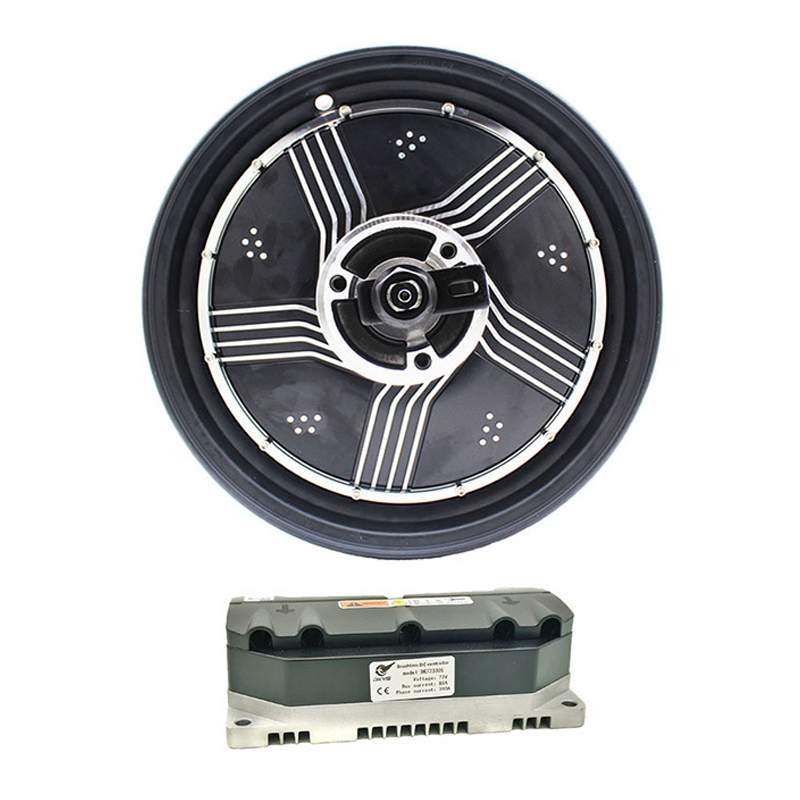
Electric vehicle controllers are essential components that manage the flow of electricity between the battery and the electric motor. They determine how efficiently the vehicle operates and directly impact the driving experience. Understanding the key features of these controllers is vital for anyone considering an electric vehicle or looking to optimize their current EV.
2. How Electric Vehicle Controllers Work
The primary function of an electric vehicle controller is to convert the direct current (DC) from the battery into alternating current (AC) or manage the DC flow to the electric motor. This transformation allows the vehicle to control speed, torque, and regenerative braking, enhancing overall performance. The controller's software plays a critical role in ensuring that these functions are executed smoothly and efficiently.
3. Key Features of Electric Vehicle Controllers
When evaluating electric vehicle controllers, several key features should be considered. These features not only affect the controller's performance but also the overall efficiency of the electric vehicle.
3.1 Efficiency Ratings
Efficiency is a critical factor when choosing an electric vehicle controller. High-efficiency ratings mean less energy is wasted during the conversion process, leading to longer battery life and improved range. Look for controllers with efficiency ratings of 90% or higher for optimal performance.
3.2 Compatibility with Battery Systems
Compatibility between the electric vehicle controller and the battery system is crucial for ensuring proper functionality. Different battery chemistries (such as lithium-ion or lead-acid) may require specific controllers for optimal performance. Ensuring that your chosen controller is compatible with your battery system will prevent issues such as reduced efficiency or potential damage.
3.3 Control Methods: PWM vs. Linear
Electric vehicle controllers typically utilize two primary control methods: Pulse Width Modulation (PWM) and linear control. PWM controllers are more common in electric vehicles due to their ability to switch rapidly between on and off states, allowing for precise control of the motor speed and torque. Linear controllers, while simpler, are less efficient and may lead to increased heat generation, reducing overall performance.
3.4 Temperature Management Systems
Effective temperature management is essential for maintaining the longevity and performance of electric vehicle controllers. High temperatures can adversely affect controller performance and lead to component failure. Look for controllers equipped with advanced cooling systems or thermal management features to ensure they operate within optimal temperature ranges.
3.5 Safety Features
Safety features are a non-negotiable aspect of any electric vehicle controller. These can include over-voltage protection, short-circuit protection, and thermal shutdown mechanisms. A reliable controller will incorporate multiple safety features to mitigate risks and enhance the overall safety of the electric vehicle.
4. Styles of Electric Vehicle Controllers
Electric vehicle controllers come in various styles, each suited for different types of electric vehicles. Some common styles include:
- Integrated Controllers: These combine the motor driver and controller in a single unit, optimizing space and reducing weight.
- Separate Controllers: This approach allows for more flexibility in configurations, making it easier to replace components as needed.
- Programmable Controllers: These controllers offer enhanced customization options, allowing users to fine-tune performance parameters based on specific requirements.
5. How to Choose the Right Electric Vehicle Controller
Selecting the appropriate electric vehicle controller involves careful consideration of your unique needs and circumstances. Here are some critical factors to keep in mind:
5.1 Budget Considerations
Determine your budget before exploring controller options. While it can be tempting to opt for the cheapest available option, investing in a quality controller can pay dividends in terms of performance and reliability. Look for controllers that offer the best balance between price and features.
5.2 Assessing Performance Needs
Understanding your performance needs is crucial for choosing the right controller. Consider factors such as your vehicle type, intended use (commuting, racing, etc.), and desired range. Selecting a controller that meets or exceeds your performance expectations will enhance your driving experience.
6. Maintenance and Troubleshooting
Regular maintenance of your electric vehicle controller is essential for ensuring its longevity and optimal performance. Here are some tips for maintaining your controller:
- Regular Inspections: Periodically check for any physical damage or signs of wear.
- Cooling System Maintenance: Ensure that any cooling systems are functioning correctly, as overheating can lead to failure.
- Software Updates: Keep the controller’s software up to date to benefit from improvements and bug fixes.
7. Future Trends in Electric Vehicle Controllers
The future of electric vehicle controllers is an exciting landscape filled with innovative technologies. Trends such as the integration of artificial intelligence for adaptive control systems and the development of more efficient power electronics are paving the way for enhanced performance. Additionally, the shift towards more sustainable materials in manufacturing controllers is likely to play a significant role in the industry's evolution.
8. Frequently Asked Questions
1. What is the primary function of an electric vehicle controller?
The primary function of an electric vehicle controller is to manage the flow of electricity between the battery and the motor, converting DC power into the appropriate form for the vehicle's needs.
2. How can I ensure my electric vehicle controller is efficient?
Look for controllers with high-efficiency ratings (90% or above) and those that utilize advanced control methods like PWM.
3. Why is temperature management important for electric vehicle controllers?
Effective temperature management helps maintain optimal performance and prevents component failure due to overheating.
4. What are the main types of electric vehicle controllers?
The main types include integrated controllers, separate controllers, and programmable controllers, each suited for different applications.
5. How often should I maintain my electric vehicle controller?
Regular inspections should be conducted at least every few months, along with necessary maintenance based on usage and environmental conditions.
9. Conclusion
Understanding the key features of electric vehicle controllers is crucial for anyone involved in the electric vehicle market, whether you're a manufacturer, a buyer, or an enthusiast. By considering factors such as efficiency, compatibility, control methods, and safety features, you can make informed decisions that enhance the performance and longevity of your electric vehicle. As technology continues to evolve, staying informed will ensure you remain ahead in the rapidly changing landscape of electric vehicles.


Recommended Reading
CONTACT
Phone Number : +86 512 6510 8165
Mobile Phone : +86 13771670476
Email : info@lexsongmoto.com
Office : Room 504, No.1 Building of Western Tower, Jiarui Mansion, No.400 Suzhou Ave. East, Industrial Park, Suzhou City, Jiangsu Province, China
Factory : B4 Chaoyang Industrial Square, Caohu Street, Suzhou City, Jiangsu Province, China

Apply to become an agent
Get exclusive discounts, product updates, and expert advice tailored specifically for you!