
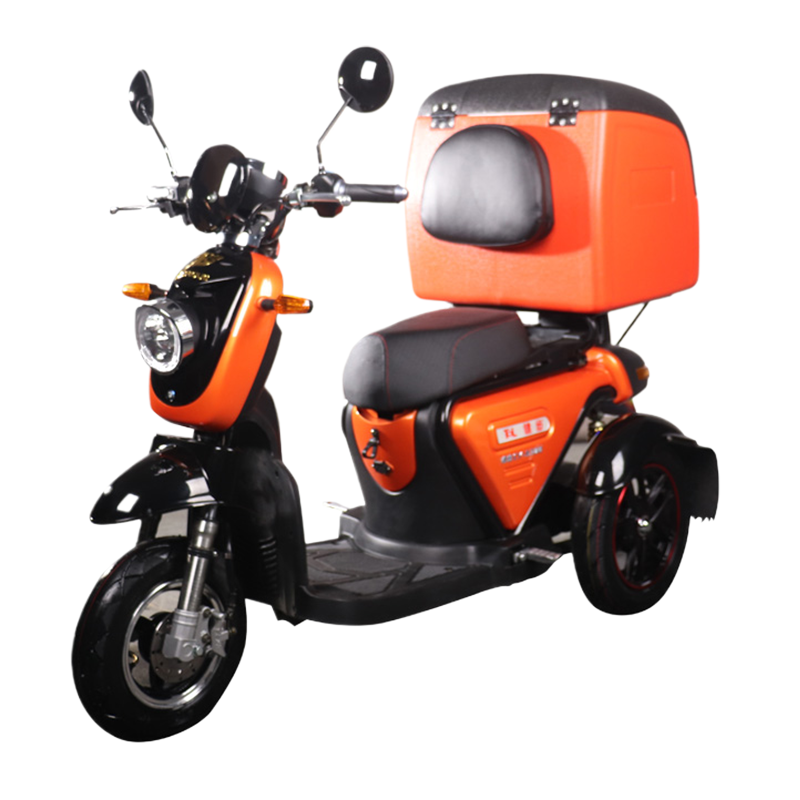
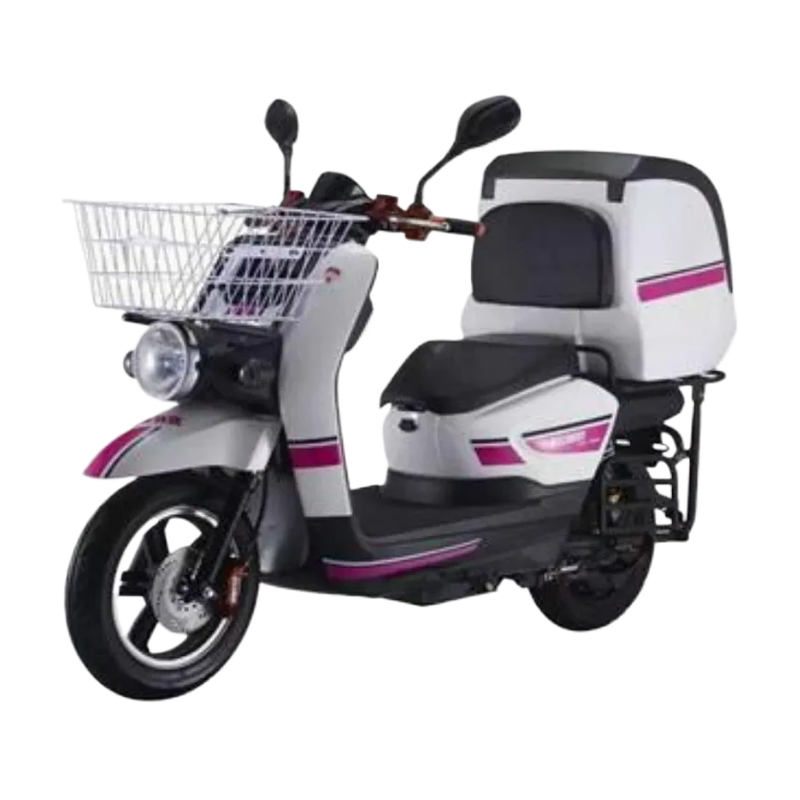
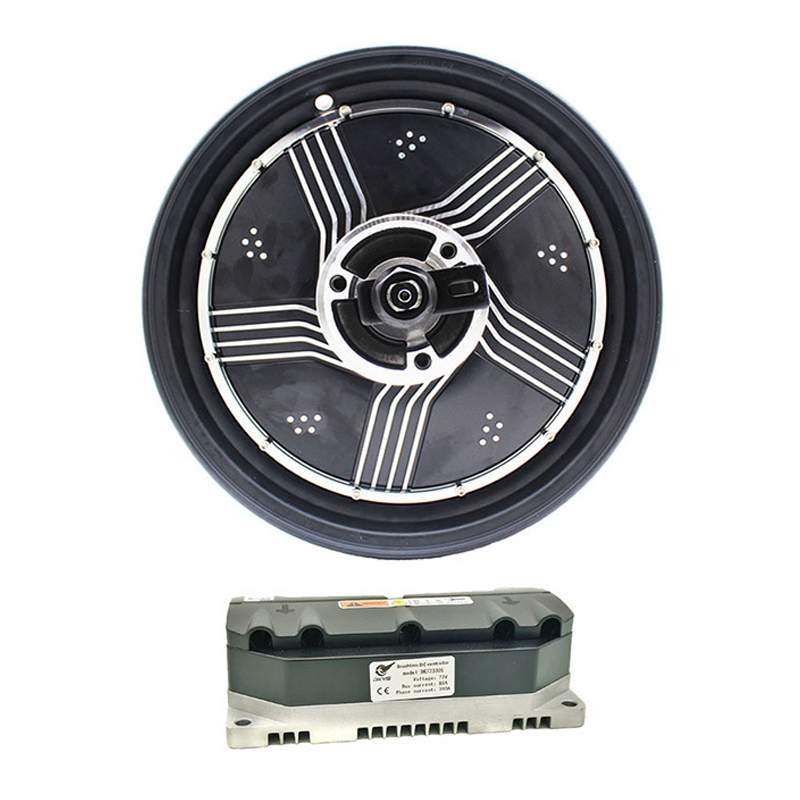

The Future of Transportation: Why Solar-Powered Trikes Are Gaining Popularity
09/13
2026
The Future of Transportation: Why Solar-Powered Trikes Are Gaining Popularity
Table of Contents
- 1. Introduction to Solar-Powered Trikes
- 2. Ecological Benefits of Solar-Powered Trikes
- 3. Technological Advancements in Solar-Powered Trikes
- 4. Urban Mobility Implications of Solar-Powered Trikes
- 5. The Economic Impact of Solar-Powered Trikes
- 6. Market Trends and Consumer Preferences
- 7. Challenges and Opportunities in the Solar Trike Market
- 8. Future Outlook for Solar-Powered Trikes
- 9. Frequently Asked Questions
- 10. Conclusion
1. Introduction to Solar-Powered Trikes
The concept of solar-powered transportation has been gaining traction in recent years, and solar-powered trikes are at the forefront of this revolution. As urban populations continue to swell, the need for efficient, environmentally friendly transportation solutions becomes increasingly critical. Solar-powered trikes combine innovation with sustainability, offering a unique alternative to traditional vehicles. Their growing popularity is not only a reflection of changing consumer preferences but also an essential response to global environmental challenges.
2. Ecological Benefits of Solar-Powered Trikes
One of the primary reasons for the rising popularity of solar-powered trikes is their ecological benefits. By harnessing solar energy, these vehicles drastically reduce carbon emissions compared to conventional gasoline-powered vehicles. Here are several ecological advantages of solar-powered trikes:
2.1 Reduction in Greenhouse Gas Emissions
Solar-powered trikes operate without fossil fuels, which leads to a significant reduction in greenhouse gas emissions. This shift is vital in combating climate change and improving air quality in urban areas.
2.2 Energy Efficiency
Solar energy is abundant and renewable, making it a sustainable source of power for transportation. Solar-powered trikes utilize photovoltaic cells to convert sunlight into electricity, ensuring optimal energy efficiency.
2.3 Minimizing Noise Pollution
Unlike traditional vehicles that rely on combustion engines, solar-powered trikes operate quietly. This reduction in noise pollution contributes to a more peaceful urban environment, enhancing the quality of life for residents.
3. Technological Advancements in Solar-Powered Trikes
The technological landscape surrounding solar-powered trikes is evolving rapidly. Innovations in battery technology, materials science, and solar panel efficiency are driving the industry forward.
3.1 High-Efficiency Solar Panels
Modern solar-powered trikes are equipped with high-efficiency solar panels that can capture and convert more sunlight into usable energy. These advancements boost the range and reliability of solar trikes.
3.2 Lightweight Materials
The use of lightweight materials, such as carbon fiber and advanced composites, enhances the performance of solar-powered trikes. This not only improves speed and agility but also increases energy efficiency.
3.3 Smart Technology Integration
Many solar-powered trikes are now integrated with smart technology, allowing for real-time monitoring of energy use, GPS navigation, and connectivity with mobile devices. This technological integration enhances user experience and safety.
4. Urban Mobility Implications of Solar-Powered Trikes
As cities grapple with traffic congestion and pollution, solar-powered trikes offer a fresh perspective on urban mobility. Their compact design and eco-friendliness make them ideal for navigating crowded city streets.
4.1 Short Commute Solutions
Solar-powered trikes are particularly effective for short commutes, providing an efficient means of transportation for urban dwellers. They can easily maneuver through traffic and are perfect for quick trips.
4.2 Reducing Traffic Congestion
By encouraging people to opt for solar-powered trikes over traditional vehicles, cities can reduce traffic congestion. The more individuals use sustainable transport options, the less reliance there will be on cars, leading to less gridlock.
4.3 Promoting Sustainable Urban Development
Cities that promote the use of solar-powered trikes often see a shift toward more sustainable urban development. This includes the creation of bike lanes, charging stations, and pedestrian-friendly areas that enhance community living.
5. The Economic Impact of Solar-Powered Trikes
The economic implications of adopting solar-powered trikes are significant. They not only offer cost savings for consumers but also impact local economies positively.
5.1 Cost Savings for Consumers
While the initial investment in a solar-powered trike may be higher than that of a traditional bike or trike, the long-term savings on fuel and maintenance costs make them a financially viable option. Additionally, many regions offer incentives for eco-friendly purchases.
5.2 Job Creation and Local Manufacturing
The growing demand for solar-powered trikes is creating jobs in manufacturing, sales, and maintenance. Local economies stand to benefit from the emergence of new businesses focused on sustainable transportation.
5.3 Boosting Tourism
Cities that embrace solar-powered trikes as a mode of transport often attract eco-conscious tourists. Rental services for solar trikes can enhance tourist experiences while promoting sustainable practices.
6. Market Trends and Consumer Preferences
Understanding market trends is crucial for the continued growth of solar-powered trikes. Consumer preferences are shifting toward sustainable and innovative transportation solutions.
6.1 Shift Toward Eco-Friendly Products
As awareness of environmental issues grows, consumers are increasingly seeking eco-friendly products. Solar-powered trikes align perfectly with this shift, appealing to the environmentally conscious demographic.
6.2 Rise of E-Commerce and Delivery Services
The rise of e-commerce has led to an increased demand for small delivery vehicles. Solar-powered trikes provide an efficient and sustainable option for last-mile delivery, making them a popular choice among businesses.
6.3 Customization and Personalization
Consumers are looking for personalized transportation solutions. Many manufacturers offer customization options for solar-powered trikes, allowing users to tailor their vehicles to fit their specific needs and styles.
7. Challenges and Opportunities in the Solar Trike Market
While the future is bright for solar-powered trikes, several challenges must be addressed to ensure their widespread adoption.
7.1 Initial Costs and Affordability
The initial cost of solar-powered trikes can be a barrier for some consumers. Manufacturers are working to streamline production processes and reduce costs while maintaining quality and performance.
7.2 Infrastructure Development
To support the growth of solar-powered trikes, cities must invest in infrastructure, including charging stations and dedicated bike lanes. This presents an opportunity for urban planners to redesign city layouts for sustainability.
7.3 Public Awareness and Education
Increasing public awareness and understanding of solar-powered trikes is essential for their growth. Marketing campaigns and community engagement can help dispel myths and promote the benefits of solar transportation.
8. Future Outlook for Solar-Powered Trikes
The future of transportation is leaning heavily towards sustainability, and solar-powered trikes are poised to play a central role. As technology advances and public interest grows, we can expect:
8.1 Innovations in Solar Technology
Ongoing research and development in solar technology will enhance the efficiency and affordability of solar-powered trikes. This innovation will make them accessible to a broader audience.
8.2 Increased Collaboration Among Stakeholders
Collaboration between manufacturers, governments, and urban planners will facilitate the growth of the solar-powered trike market. Partnerships will help create supportive policies and infrastructure.
8.3 A Shift Toward Sustainable Norms
As more people adopt solar-powered trikes, societal norms around transportation are likely to shift. Communities will increasingly value sustainability and embrace eco-friendly transportation options.
9. Frequently Asked Questions
9.1 What are solar-powered trikes?
Solar-powered trikes are three-wheeled vehicles that use solar energy to power an electric motor, providing an eco-friendly transportation option.
9.2 How do solar-powered trikes work?
These trikes are equipped with solar panels that convert sunlight into electricity, which is stored in batteries and used to power the motor.
9.3 Are solar-powered trikes suitable for long distances?
While they are ideal for short commutes, advancements in battery technology are enhancing their range, making them suitable for longer trips as well.
9.4 What are the maintenance requirements for solar-powered trikes?
Maintenance is minimal and typically involves regular checks on the battery and solar panels. Unlike traditional vehicles, there are no oil changes or engine-related services.
9.5 Where can I buy a solar-powered trike?
Many manufacturers sell solar-powered trikes online, and local dealerships may also offer them. Always look for reputable brands with positive reviews.
10. Conclusion
The rise of solar-powered trikes represents a significant shift in the transportation landscape. With their ecological benefits, technological innovations, and potential for economic growth, these vehicles are not just a passing trend but a glimpse into the future of sustainable mobility. As cities evolve and the demand for eco-friendly transportation options increases, solar-powered trikes will undoubtedly play a crucial role in shaping urban environments. Embracing this technology can pave the way for healthier communities and a cleaner planet, making it an essential consideration for future transportation solutions.


Recommended Reading
CONTACT
Phone Number : +86 512 6510 8165
Mobile Phone : +86 13771670476
Email : info@lexsongmoto.com
Office : Room 504, No.1 Building of Western Tower, Jiarui Mansion, No.400 Suzhou Ave. East, Industrial Park, Suzhou City, Jiangsu Province, China
Factory : B4 Chaoyang Industrial Square, Caohu Street, Suzhou City, Jiangsu Province, China

Apply to become an agent
Get exclusive discounts, product updates, and expert advice tailored specifically for you!