

Exploring the Benefits of Switching to Electric Two-Wheelers: Embrace a Greener Future
08/20
2026
Exploring the Benefits of Switching to Electric Two-Wheelers
Introduction to Electric Two-Wheelers
As we navigate the 21st century, the need for sustainable transportation solutions has become increasingly urgent. Electric two-wheelers, including motorcycles and scooters, present an innovative alternative to traditional gas-powered vehicles. By switching to electric, riders can significantly reduce their carbon footprint while enjoying the many advantages that electric mobility offers.
Understanding Electric Two-Wheelers
What Are Electric Two-Wheelers?
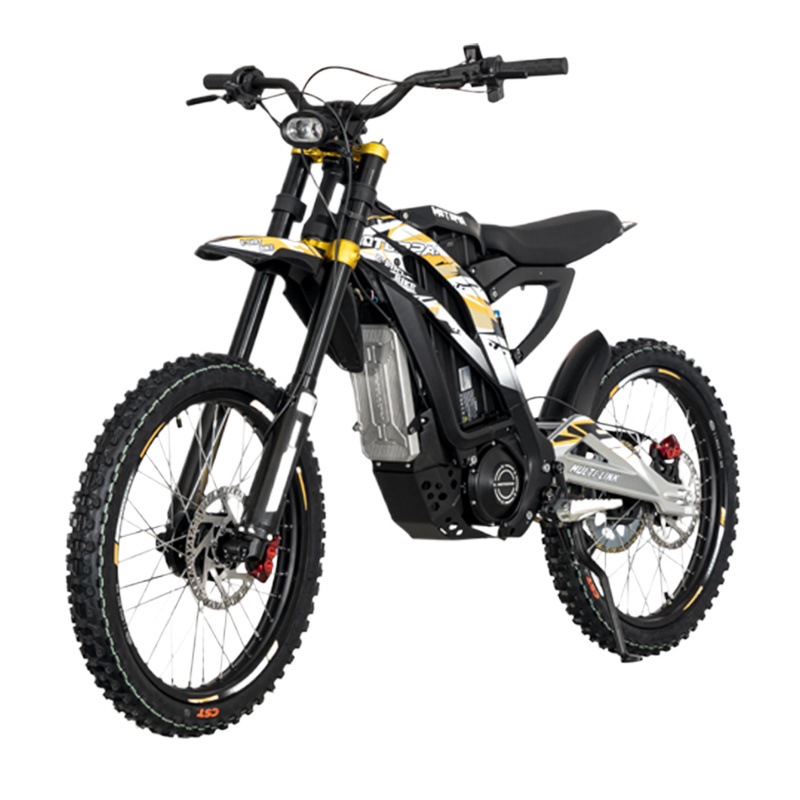
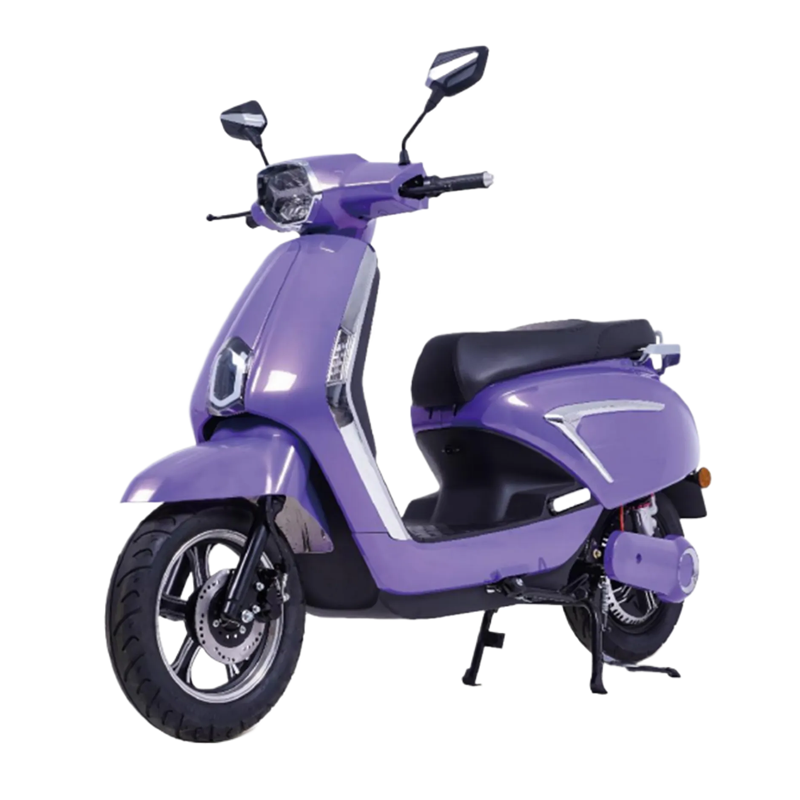
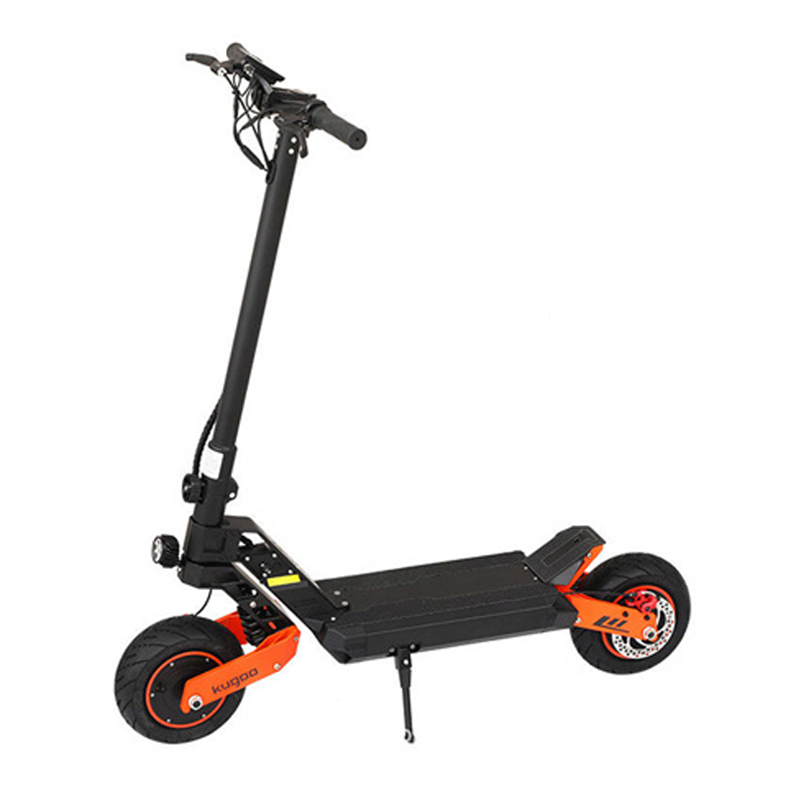
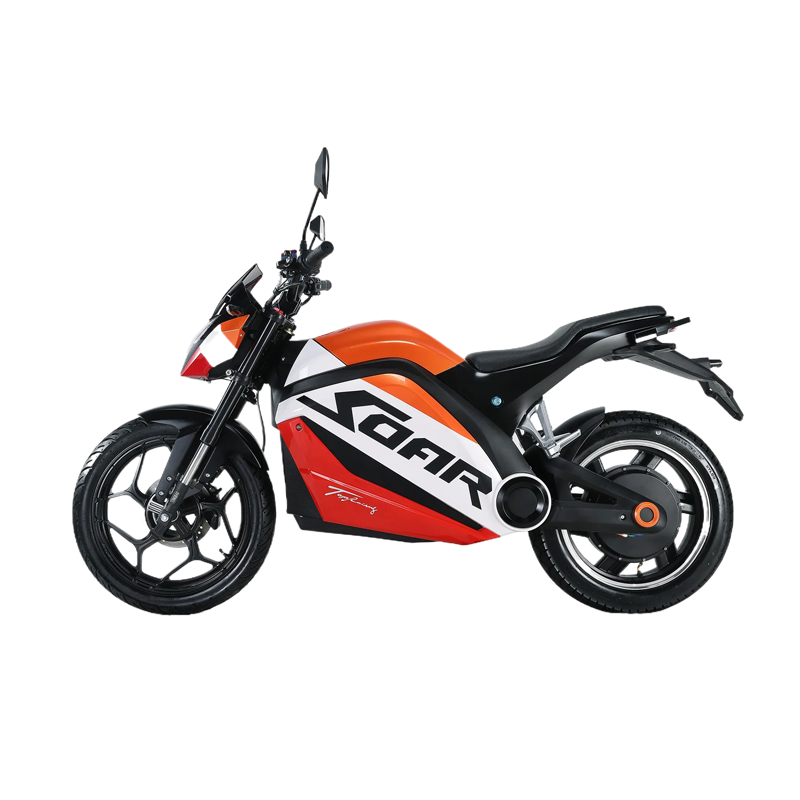
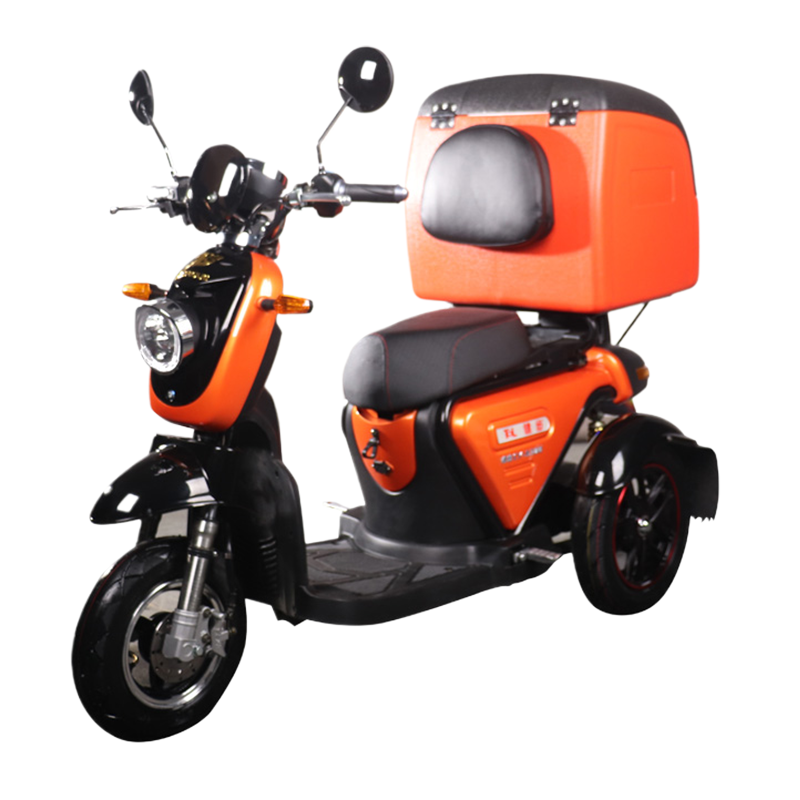
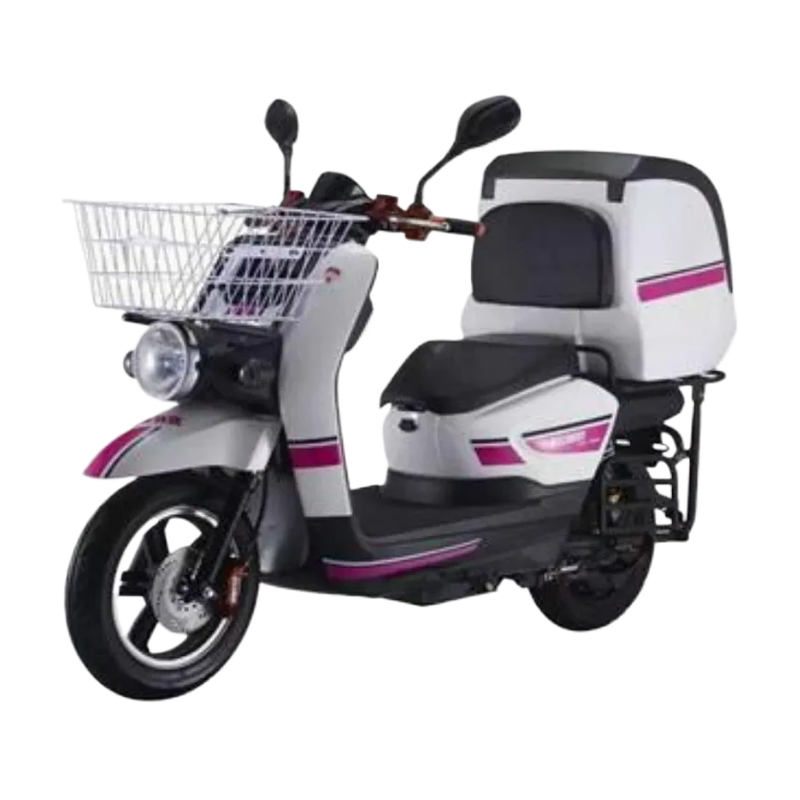
Electric two-wheelers are vehicles powered entirely by electric motors. They operate on rechargeable batteries, making them an environmentally friendly choice for commuting and leisure riding. The range of electric two-wheelers includes electric scooters, electric motorcycles, and e-bikes, each designed to meet different needs and preferences.
How Do Electric Two-Wheelers Work?
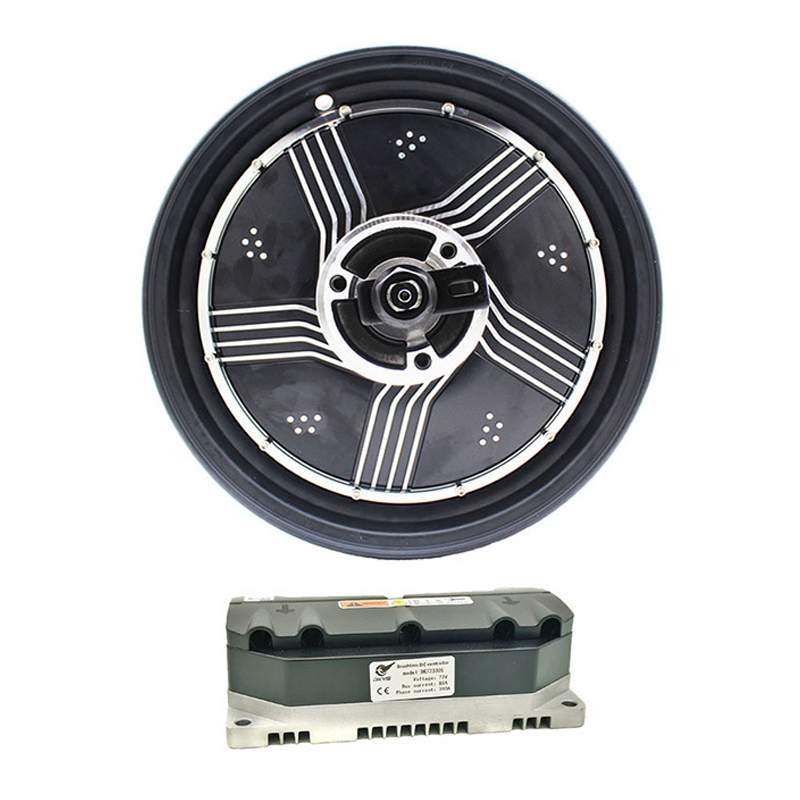
Electric two-wheelers use an electric motor and battery system to provide power. When the rider accelerates, the electric motor draws energy from the battery to propel the vehicle forward. This system is often paired with regenerative braking, which helps recharge the battery while slowing down, enhancing overall efficiency.
The Environmental Benefits of Electric Two-Wheelers
Reducing Carbon Emissions
One of the most significant benefits of switching to electric two-wheelers is the reduction in carbon emissions. Traditional gasoline-powered vehicles contribute to air pollution and greenhouse gas emissions, while electric models produce zero tailpipe emissions. By choosing electric, riders can actively participate in combating climate change.
Minimizing Noise Pollution
Electric two-wheelers operate much more quietly than their internal combustion counterparts. This reduction in noise pollution contributes to a more peaceful urban environment and improves the quality of life for residents in busy areas.
Promoting Energy Efficiency
Electric two-wheelers are inherently more energy-efficient than gasoline engines. The conversion of electrical energy into motion is more efficient than burning fuel, leading to less waste and more effective use of resources.
Cost-Effective Advantages of Electric Two-Wheelers
Lower Fuel Costs
Switching to electric two-wheelers can lead to significant savings on fuel costs. With electricity often costing less than gasoline, riders can enjoy lower operating expenses. Additionally, many electric models have a longer range per charge than their gasoline counterparts, further enhancing savings.
Reduced Maintenance Expenses
Electric two-wheelers require less maintenance than traditional vehicles. The absence of an internal combustion engine means fewer moving parts, leading to lower repair costs and less frequent servicing. Riders can save both time and money by reducing the need for oil changes and other routine maintenance.
Government Incentives and Rebates
Many governments around the world offer incentives for purchasing electric vehicles, including tax credits, rebates, and grants. These financial incentives can help offset the initial investment in an electric two-wheeler, making the transition more accessible for consumers.
Performance and Convenience of Electric Two-Wheelers
Instant Torque and Acceleration
Electric motors provide instant torque, allowing for quick acceleration and smooth rides. Riders can enjoy a responsive and exhilarating experience, making electric two-wheelers an attractive option for both urban commuting and leisurely rides.
Convenient Charging Options
Charging electric two-wheelers has never been easier. With various charging options available, including home charging stations and public charging networks, riders can easily recharge their batteries. Many models also provide fast-charging capabilities, minimizing downtime.
Lightweight and Agile Designs
Electric two-wheelers often feature lightweight designs, making them agile and easy to maneuver through congested urban settings. This enhanced agility can lead to quicker commutes and a more enjoyable riding experience.
Addressing Common Concerns About Electric Two-Wheelers
Range Anxiety: Understanding Battery Life
One of the primary concerns when switching to electric two-wheelers is range anxiety. However, advancements in battery technology have led to significant improvements in range. Many modern electric models can cover substantial distances on a single charge, alleviating concerns for daily commutes and weekend adventures.
Charging Infrastructure: Availability and Accessibility
As electric vehicle adoption rises, so does the expansion of charging infrastructure. Many cities are investing in public charging stations, making it easier for electric two-wheeler riders to find charging options. Furthermore, the ability to charge at home adds an extra layer of convenience.
Performance in Various Weather Conditions
Electric two-wheelers are designed to handle various weather conditions, just like traditional motorcycles. With appropriate tires and maintenance, riders can confidently navigate rain, snow, or other challenging environments.
Making the Switch: A Step-by-Step Guide
Evaluating Your Needs and Options
Before making the switch, consider your specific needs. Determine the range you require, the type of riding you plan to do, and your budget. Research the various electric models available, focusing on features that align with your preferences.
Test Riding Different Models
Experience is crucial when selecting the right electric two-wheeler. Visit local dealerships to test ride different models and get a feel for their performance, comfort, and handling. This hands-on experience can help you make an informed decision.
Understanding Charging Needs and Infrastructure
Evaluate your charging options based on your living situation. If you have access to a home charging station, consider the installation costs and requirements. Additionally, familiarize yourself with local charging stations to ensure a seamless transition.
Conclusion: Embracing a Sustainable Future
Switching to electric two-wheelers presents numerous benefits, from environmental advantages to cost savings and enhanced performance. By embracing this innovative mode of transportation, riders can contribute to a cleaner planet while enjoying the perks of modern technology. As electric mobility continues to evolve, the choice to switch becomes not just a personal decision but a commitment to a sustainable future. Embrace the change, and ride into a greener tomorrow.
FAQs
1. What is the average range of an electric two-wheeler?
The average range varies by model, but many electric two-wheelers can travel between 40 to 100 miles on a single charge, depending on the battery capacity and driving conditions.
2. How long does it take to charge an electric two-wheeler?
Charging times can vary. Most home chargers will take about 4 to 8 hours for a full charge, while fast charging stations can recharge the battery to 80% in about an hour.
3. Are electric two-wheelers suitable for long-distance travel?
Yes, many electric two-wheelers are designed for long-distance travel, especially with a network of charging stations. Riders should plan their routes accordingly to ensure they have access to charging points.
4. Do electric two-wheelers require special maintenance?
While electric two-wheelers have fewer moving parts than traditional motorcycles, regular maintenance like tire checks, brake inspections, and battery health checks are still essential.
5. Are there any government incentives for purchasing electric two-wheelers?
Yes, many governments offer tax credits, rebates, and grants to encourage the purchase of electric vehicles, including two-wheelers. Check local regulations for specific incentives available in your area.


Recommended Reading
CONTACT
Phone Number : +86 512 6510 8165
Mobile Phone : +86 13771670476
Email : info@lexsongmoto.com
Office : Room 504, No.1 Building of Western Tower, Jiarui Mansion, No.400 Suzhou Ave. East, Industrial Park, Suzhou City, Jiangsu Province, China
Factory : B4 Chaoyang Industrial Square, Caohu Street, Suzhou City, Jiangsu Province, China

Apply to become an agent
Get exclusive discounts, product updates, and expert advice tailored specifically for you!