

Exploring the Electric Two-Wheeler Revolution in China: Trends and Insights
02/02
2026
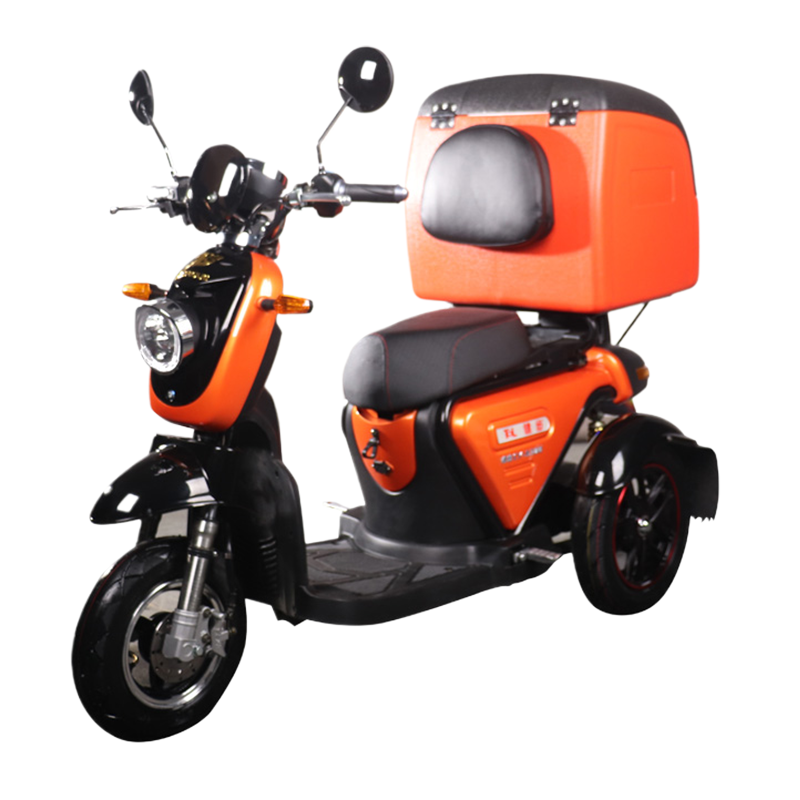
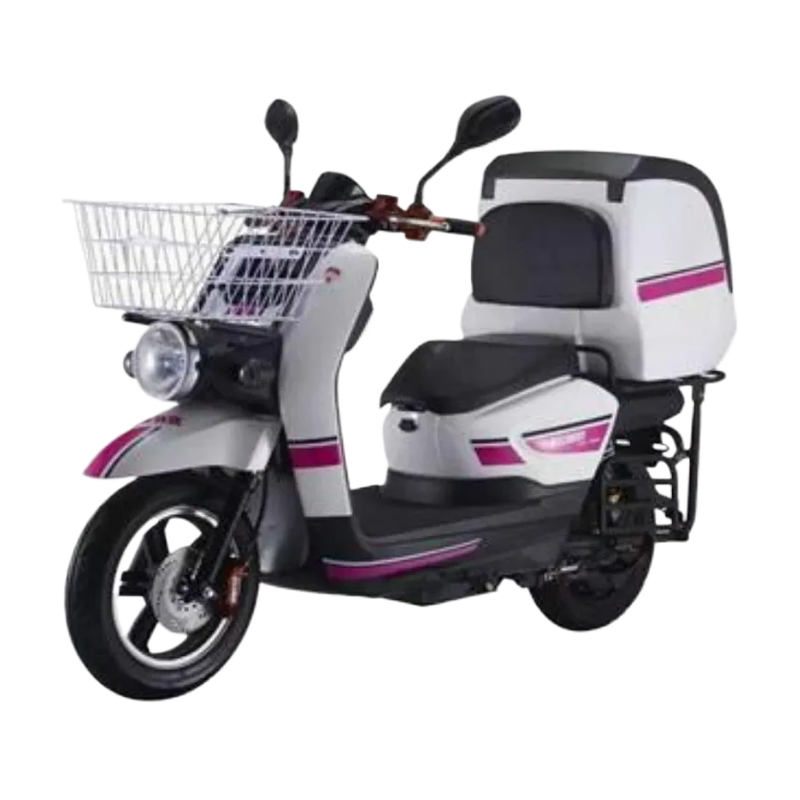
The electric two-wheeler market in China has witnessed explosive growth in recent years, driven by a combination of government initiatives, technological advancements, and changing consumer preferences. As the world's largest market for electric vehicles (EVs), China's push towards sustainable transportation has positioned electric two-wheelers at the forefront of this revolution. Here are some key trends and insights for professionals in the motorcycle and parts industry to consider:
1. **Government Support and Policy Framework**: The Chinese government has implemented various incentives to promote the adoption of electric two-wheelers. Subsidies, tax exemptions, and favorable regulations aim to encourage manufacturers and consumers alike. Professionals should stay informed about these policies, as they can significantly influence market dynamics and consumer behavior.
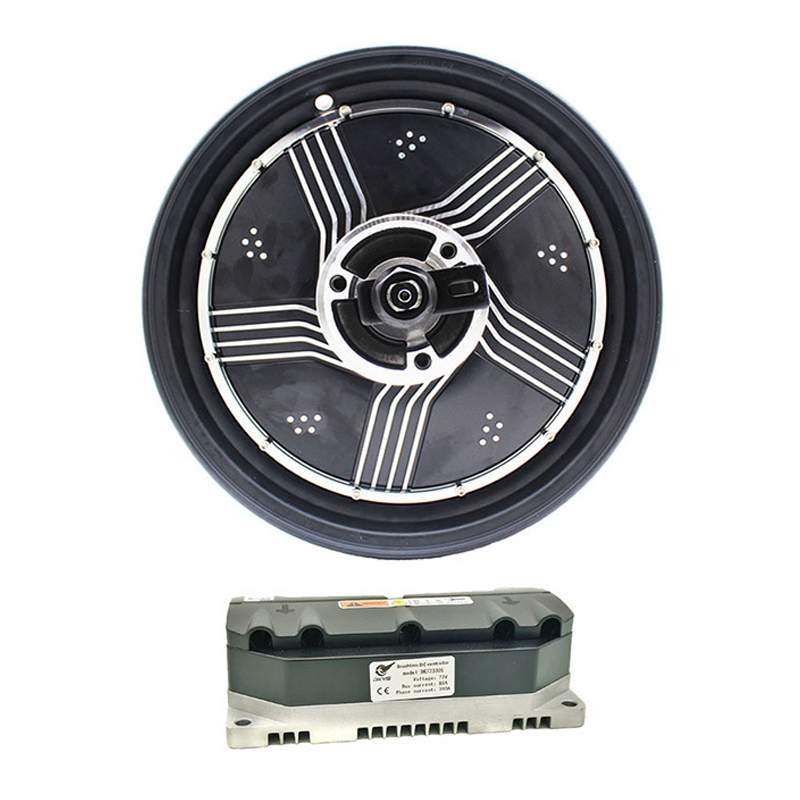
2. **Technological Innovations**: Advancements in battery technology and electric motor efficiency are critical to the growth of electric two-wheelers. The development of lightweight materials and improved charging infrastructure has also enhanced the attractiveness of electric models. Stakeholders in the motorcycle industry must pay attention to these innovations, as they can provide opportunities for collaboration and product development.
3. **Consumer Preferences and Market Segmentation**: The demographic landscape of electric two-wheeler users is evolving. Younger consumers are increasingly attracted to eco-friendly transportation options, while urban dwellers seek convenient and cost-effective mobility solutions. Understanding these preferences allows manufacturers to tailor their offerings and marketing strategies to meet the needs of diverse consumer segments.
4. **Competition and Market Players**: The electric two-wheeler market in China is highly competitive, with both established brands and emerging startups vying for market share. Companies that can differentiate themselves through innovative designs, superior technology, or exceptional customer service are more likely to succeed. Professionals should analyze competitors' strategies to identify potential areas for differentiation.
5. **Sustainability and Environmental Impact**: As consumers become more environmentally conscious, the demand for sustainable transportation options is rising. Electric two-wheelers contribute to reduced emissions and lower carbon footprints, making them an appealing choice for environmentally aware consumers. Businesses in the motorcycle and parts sector should emphasize sustainability in their branding and product development efforts.
In conclusion, the electric two-wheeler sector in China presents significant opportunities for professionals in the motorcycle and parts industry. By understanding government policies, technological innovations, consumer preferences, competitive dynamics, and sustainability trends, stakeholders can position themselves effectively in this rapidly evolving market. Embracing these insights will be crucial for navigating the future landscape of electric two-wheelers in China.
1. **Government Support and Policy Framework**: The Chinese government has implemented various incentives to promote the adoption of electric two-wheelers. Subsidies, tax exemptions, and favorable regulations aim to encourage manufacturers and consumers alike. Professionals should stay informed about these policies, as they can significantly influence market dynamics and consumer behavior.
2. **Technological Innovations**: Advancements in battery technology and electric motor efficiency are critical to the growth of electric two-wheelers. The development of lightweight materials and improved charging infrastructure has also enhanced the attractiveness of electric models. Stakeholders in the motorcycle industry must pay attention to these innovations, as they can provide opportunities for collaboration and product development.
3. **Consumer Preferences and Market Segmentation**: The demographic landscape of electric two-wheeler users is evolving. Younger consumers are increasingly attracted to eco-friendly transportation options, while urban dwellers seek convenient and cost-effective mobility solutions. Understanding these preferences allows manufacturers to tailor their offerings and marketing strategies to meet the needs of diverse consumer segments.
4. **Competition and Market Players**: The electric two-wheeler market in China is highly competitive, with both established brands and emerging startups vying for market share. Companies that can differentiate themselves through innovative designs, superior technology, or exceptional customer service are more likely to succeed. Professionals should analyze competitors' strategies to identify potential areas for differentiation.
5. **Sustainability and Environmental Impact**: As consumers become more environmentally conscious, the demand for sustainable transportation options is rising. Electric two-wheelers contribute to reduced emissions and lower carbon footprints, making them an appealing choice for environmentally aware consumers. Businesses in the motorcycle and parts sector should emphasize sustainability in their branding and product development efforts.
In conclusion, the electric two-wheeler sector in China presents significant opportunities for professionals in the motorcycle and parts industry. By understanding government policies, technological innovations, consumer preferences, competitive dynamics, and sustainability trends, stakeholders can position themselves effectively in this rapidly evolving market. Embracing these insights will be crucial for navigating the future landscape of electric two-wheelers in China.


Recommended Reading
CONTACT
Phone Number : +86 512 6510 8165
Mobile Phone : +86 13771670476
Email : info@lexsongmoto.com
Office : Room 504, No.1 Building of Western Tower, Jiarui Mansion, No.400 Suzhou Ave. East, Industrial Park, Suzhou City, Jiangsu Province, China
Factory : B4 Chaoyang Industrial Square, Caohu Street, Suzhou City, Jiangsu Province, China

Apply to become an agent
Get exclusive discounts, product updates, and expert advice tailored specifically for you!