

Why Newest Urban Electric Bikes Are Revolutionizing City Travel
02/03
2026
Why Newest Urban Electric Bikes Are Revolutionizing City Travel
Table of Contents
- 1. Introduction to Urban Electric Bikes
- 2. Evolution of Urban Mobility
- 3. Benefits of Urban Electric Bikes
- 4. Latest Technology in Urban Electric Bikes
- 5. Innovative Designs for City Commuters
- 6. Challenges Facing Urban Electric Bikes
- 7. The Future of Urban Electric Bikes
- 8. FAQs about Urban Electric Bikes
- 9. Conclusion
1. Introduction to Urban Electric Bikes
Urban electric bikes, often referred to as e-bikes, have gained significant traction in recent years, fundamentally altering the landscape of city travel. As urban populations swell and traffic congestion becomes a major concern, the necessity for efficient, eco-friendly modes of transportation has never been greater. These innovative bicycles combine traditional cycling with electric power, providing riders with enhanced speed, convenience, and versatility.
In this article, we will delve into how the newest urban electric bikes are revolutionizing city travel, exploring their benefits, technological advancements, and the challenges they face.
2. Evolution of Urban Mobility
The evolution of urban mobility has been marked by the introduction of various transportation methods, from public transit systems to car-sharing apps. However, as cities evolve, so does the need for more sustainable solutions.
Urban electric bikes have emerged as a response to these challenges. They cater to the modern commuter's desire for speed, efficiency, and sustainability. With electric assist technology, riders can conquer longer distances and navigate hilly terrains without the physical exertion typically associated with traditional cycling.
3. Benefits of Urban Electric Bikes
The rise of urban electric bikes is not just a trend; it represents a shift in how we approach city travel. Let's examine the primary benefits that these bikes offer.
3.1 Environmental Impact
One of the most compelling reasons to embrace urban electric bikes is their positive environmental impact. E-bikes produce zero emissions, significantly reducing air pollution in city centers. By encouraging more people to opt for electric bikes over cars, cities can combat climate change and promote cleaner air.
3.2 Cost-Effectiveness
Owning a vehicle in an urban setting often comes with high costs, including maintenance, insurance, parking fees, and fuel. In contrast, urban electric bikes offer a more economical solution. The operational costs are minimal, and many cities are investing in infrastructure to support e-bike use, such as bike lanes and charging stations.
3.3 Health Benefits
While e-bikes provide assistance, they still encourage physical activity. Riders benefit from improved cardiovascular health, increased stamina, and a reduction in stress levels. This blend of exercise and convenience makes urban electric bikes an ideal choice for urban dwellers.
4. Latest Technology in Urban Electric Bikes
The technology behind urban electric bikes has advanced significantly. Modern e-bikes are equipped with features that enhance the riding experience and ensure safety.
- **Battery Technology**: The latest lithium-ion batteries offer extended ranges, allowing riders to travel further without needing to recharge. Many e-bikes now have a range of 30 to 100 miles on a single charge.
- **Smart Integration**: Many urban electric bikes come equipped with smart technology, including GPS navigation, theft protection, and performance tracking through mobile apps.
- **Enhanced Safety Features**: Features like integrated lights, reflective surfaces, and advanced braking systems ensure that riders can navigate urban environments safely.
5. Innovative Designs for City Commuters
The design of urban electric bikes has evolved to meet the needs of city commuters. With compact frames, lightweight materials, and ergonomic designs, manufacturers are creating bikes that are not only functional but also stylish.
- **Foldable Models**: These bikes are particularly popular among urban commuters who need to combine cycling with public transport. They can be easily stored in small apartments or taken on buses and trains.
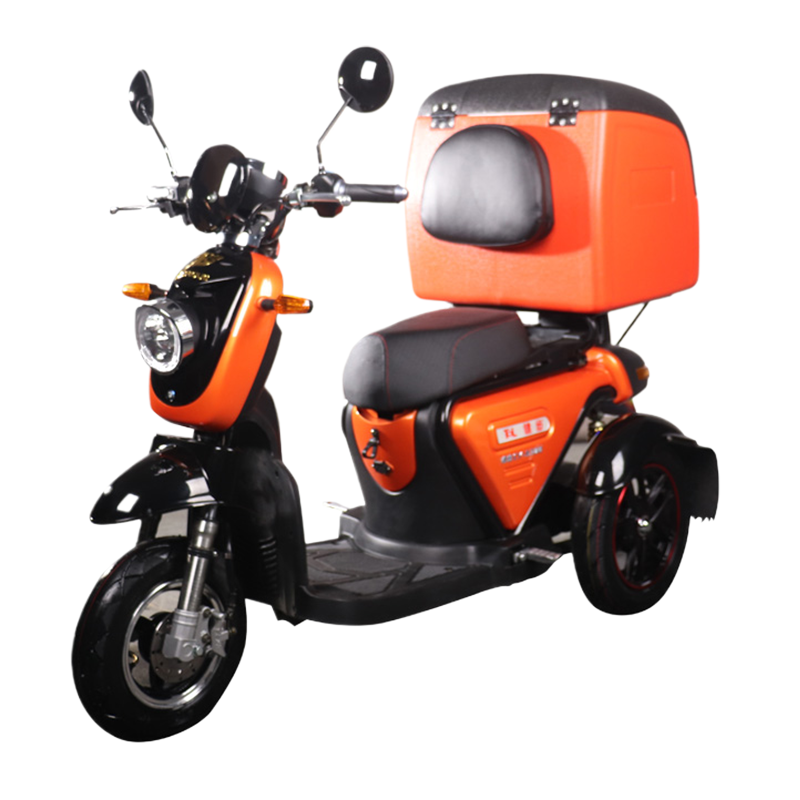
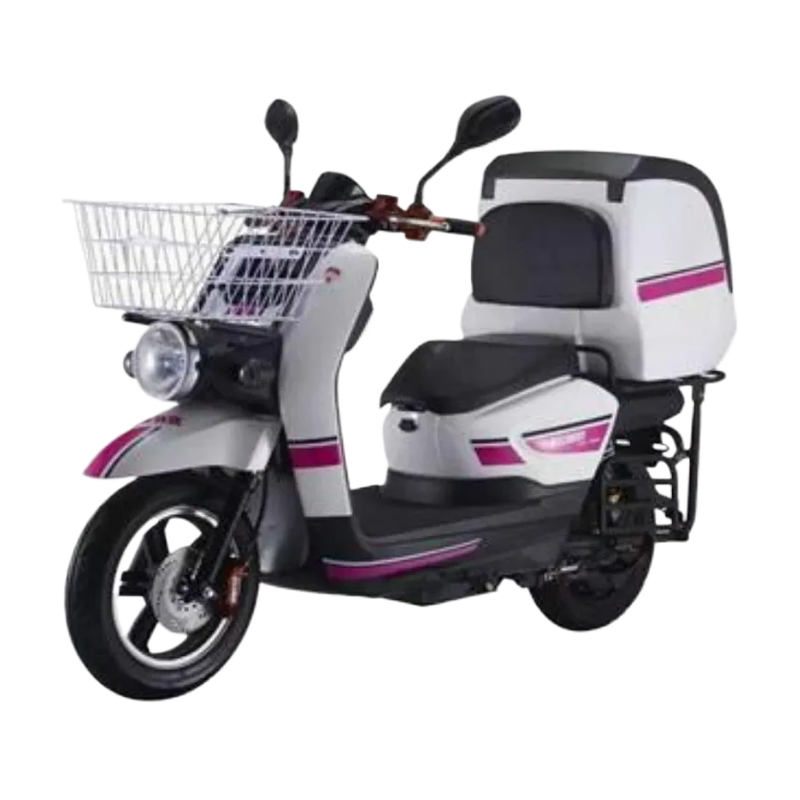
- **Cargo E-Bikes**: Designed for those who need to transport goods, these bikes come with larger frames and additional storage options, making them ideal for small business owners and families.
6. Challenges Facing Urban Electric Bikes
Despite their numerous benefits, urban electric bikes face several challenges that could hinder their widespread adoption.
- **Infrastructure Needs**: Cities need to invest in more bike lanes and charging stations to make e-bikes a viable option for commuters.
- **Regulatory Hurdles**: There are still many regulations governing e-bike usage that vary by region, which can confuse potential riders.
- **Market Competition**: As more e-bike manufacturers enter the market, ensuring quality and safety remains paramount.
7. The Future of Urban Electric Bikes
The future of urban electric bikes looks promising. As technology continues to advance, we expect to see even more innovative features that enhance usability and safety. Additionally, as cities become more congested, the appeal of e-bikes will grow, leading to increased adoption.
Public interest in sustainability and reducing carbon footprints will likely drive the demand for urban electric bikes further. With ongoing developments in battery technology and urban infrastructure, we anticipate that electric bikes will soon become the preferred mode of transport in many urban areas.
8. FAQs about Urban Electric Bikes
What is the average range of an urban electric bike?
The average range of urban electric bikes varies between models, but most can travel between 30 to 100 miles on a single charge, depending on the battery size and the level of assistance used.
Are urban electric bikes suitable for all terrains?
While many urban electric bikes are designed for flat terrains, there are models equipped with features that make them suitable for hilly areas. It’s essential to choose the right bike based on your commuting environment.
Do I need a license to ride an urban electric bike?
Most regions do not require a license for riding e-bikes, but regulations vary. It's crucial to check local laws regarding e-bike usage.
How long does it take to charge an urban electric bike?
Charging an urban electric bike typically takes between 4 to 6 hours, depending on the battery’s capacity and the charger’s output.
Can I use an urban electric bike in the rain?
Many urban electric bikes are designed to be water-resistant; however, it’s best to check the specifications of your bike. Always ensure you maintain proper care to prevent any damage.
9. Conclusion
Urban electric bikes are more than just a trend; they are a solution to the challenges of modern city travel. With their eco-friendly design, cost-effectiveness, and health benefits, these bikes are transforming how we navigate urban landscapes. As technology advances and infrastructure improves, the potential for urban electric bikes to revolutionize transportation continues to grow. Embracing this change is essential for cities aiming for sustainability and efficiency in commuting. Whether you are a daily commuter or a casual rider, the newest urban electric bikes offer a promising alternative that enhances mobility while reducing environmental impact.


Recommended Reading
CONTACT
Phone Number : +86 512 6510 8165
Mobile Phone : +86 13771670476
Email : info@lexsongmoto.com
Office : Room 504, No.1 Building of Western Tower, Jiarui Mansion, No.400 Suzhou Ave. East, Industrial Park, Suzhou City, Jiangsu Province, China
Factory : B4 Chaoyang Industrial Square, Caohu Street, Suzhou City, Jiangsu Province, China

Apply to become an agent
Get exclusive discounts, product updates, and expert advice tailored specifically for you!