
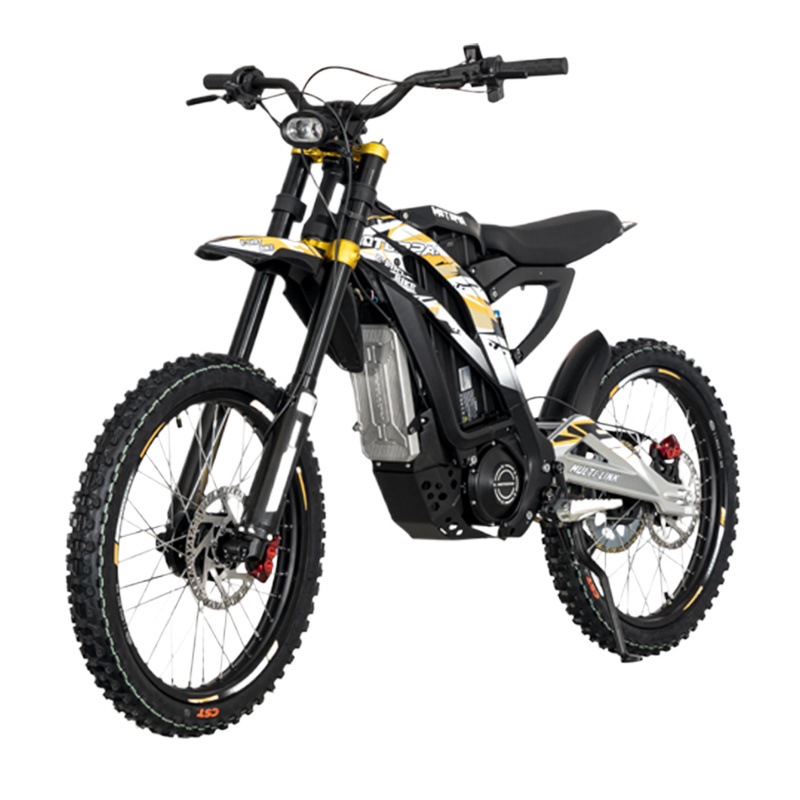
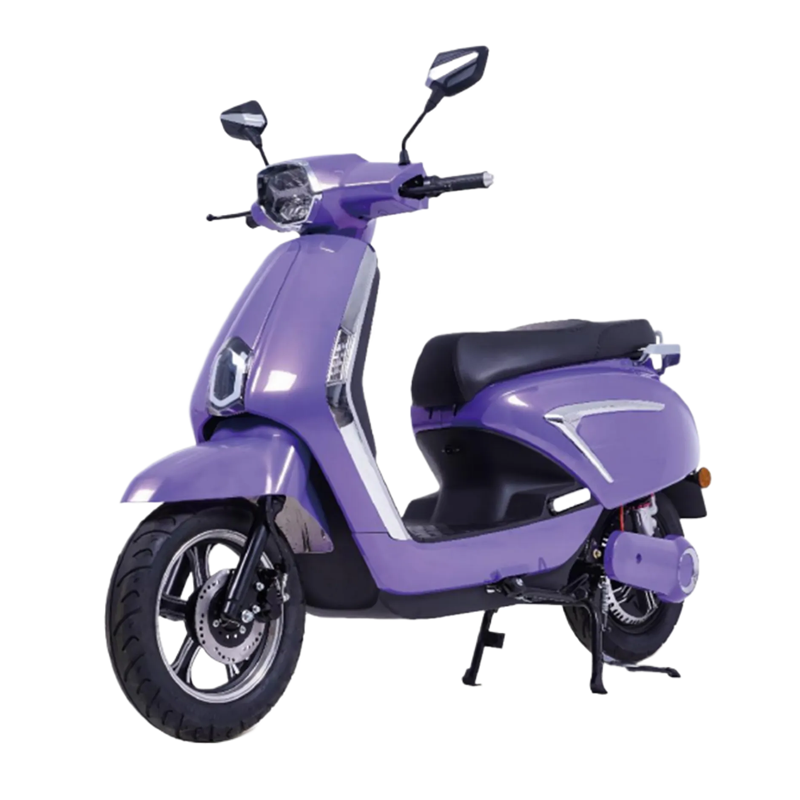
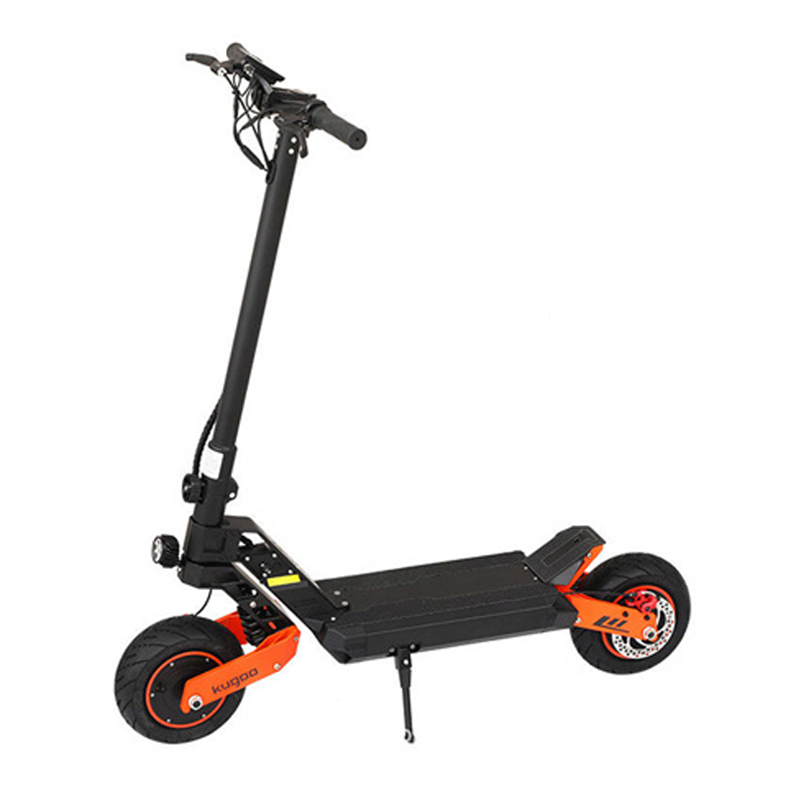
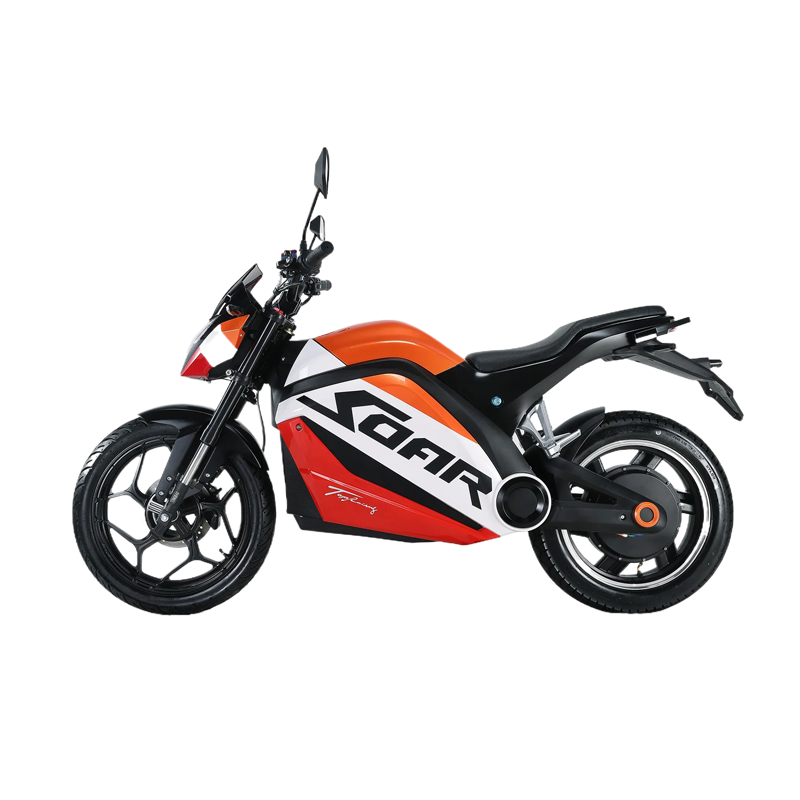

Discover the Latest Innovations in Two-Wheeled Electric Vehicles: Revolutionizing Urban Mobility
02/01
2026
Discover the Latest Innovations in Two-Wheeled Electric Vehicles
The transportation landscape is undergoing a significant transformation, especially with the rise of two-wheeled electric vehicles (EVs) like electric motorcycles and scooters. As urban areas grapple with congestion and pollution, electric bikes and scooters present a sustainable, efficient, and exhilarating alternative. In this article, we will delve deep into the latest innovations in this exciting sector, highlighting advancements that are not only enhancing performance but also improving the overall riding experience.
Table of Contents
- 1. Introduction to Two-Wheeled Electric Vehicles
- 2. Technological Advancements in Electric Motorcycles
- 3. The Evolution of Battery Technologies
- 4. Design Innovations: Style Meets Functionality
- 5. Environmental Impact and Sustainability
- 6. Enhanced Safety Features in Electric Scooters
- 7. The Growing Charging Infrastructure
- 8. Future Trends in Electric Two-Wheeled Vehicles
- 9. Frequently Asked Questions (FAQs)
- 10. Conclusion
1. Introduction to Two-Wheeled Electric Vehicles
As cities evolve, so do the solutions we use to navigate them. Two-wheeled electric vehicles, primarily electric motorcycles and scooters, stand at the forefront of this evolution. These cutting-edge machines are not just about getting from point A to point B; they embody a lifestyle choice that emphasizes convenience, speed, and environmental responsibility. With features tailored to meet the demands of urban commuters and recreational riders alike, electric two-wheelers are quickly gaining traction.
2. Technological Advancements in Electric Motorcycles
Recent years have witnessed a surge in technological advancements that have drastically improved the performance and reliability of electric motorcycles. Manufacturers are integrating sophisticated technologies that enhance everything from battery efficiency to rider experience.
Enhanced Performance Metrics
Today's electric motorcycles boast impressive torque capabilities, allowing for swift acceleration and a thrilling ride. Models like the Zero SR/F and the LiveWire by Harley-Davidson showcase powerful motors that deliver instant power without the lag typically associated with gasoline engines.
Smart Features
Modern electric motorcycles are equipped with smart features such as GPS navigation, Bluetooth connectivity, and mobile app integrations. These functionalities not only increase convenience but also enhance safety by providing real-time data about battery health and performance metrics.
3. The Evolution of Battery Technologies
Battery technology is a pivotal element in the performance of electric vehicles. The shift from traditional lead-acid batteries to advanced lithium-ion batteries has marked a significant improvement in range, charge time, and longevity.
Longer Range and Faster Charging
One of the most noteworthy innovations lies in the development of high-capacity batteries that offer greater ranges per charge. Many electric scooters and motorcycles can now achieve ranges exceeding 100 miles on a single charge, making them viable for long commutes. Additionally, fast-charging technologies allow users to recharge their vehicles in a fraction of the time it took in the past, with some models supporting charging times as low as 30 minutes.
Battery Management Systems
Advanced Battery Management Systems (BMS) are increasingly prevalent in electric vehicles. These systems monitor temperature, voltage, and charge cycles, optimizing battery usage and extending lifespan. Companies are also developing batteries that are modular, allowing for easy upgrades and replacements, further enhancing the lifecycle of electric motorcycles.
4. Design Innovations: Style Meets Functionality
The aesthetics of two-wheeled electric vehicles are evolving alongside their technological capabilities. Manufacturers are focusing on sleek, modern designs that appeal to a broader audience, including younger riders.
Lightweight Materials
To improve efficiency and performance, manufacturers are utilizing lightweight materials such as aluminum and carbon fiber in their designs. This not only enhances speed but also contributes to better handling and maneuverability.
Aerodynamic Shapes
Electric motorcycles are now being designed with aerodynamics in mind, resulting in models that minimize drag and enhance overall performance. The incorporation of wind-tunnel-tested designs allows for better stability at higher speeds and contributes to improved energy efficiency.
5. Environmental Impact and Sustainability
The push for sustainable transportation solutions is one of the driving forces behind the growth of electric two-wheeled vehicles. The adoption of these vehicles contributes to a significant reduction in carbon emissions and noise pollution.
Reduced Carbon Footprint
Electric motorcycles and scooters produce zero tailpipe emissions, making them a greener alternative to their gasoline counterparts. As cities worldwide implement stricter emissions regulations, the appeal of electric two-wheelers continues to grow.
Recyclability and Sustainability of Materials
Innovations are also being made in the sustainability of materials used in the manufacturing process. Companies are exploring biodegradable composites and recyclable materials in their designs, further reducing environmental impact.
6. Enhanced Safety Features in Electric Scooters
Safety is paramount when it comes to riding electric vehicles. Manufacturers are incorporating advanced safety features that provide riders with peace of mind.
Smart Braking Systems
Many new electric scooters now come equipped with anti-lock braking systems (ABS) and regenerative braking technology. These systems enhance control during emergency stops and promote energy efficiency, respectively.
Integrated Lighting and Visibility Enhancements
Visibility is crucial for safety on the road. Electric two-wheelers are integrating LED lights and reflective materials into their design, ensuring that riders are more visible to other road users, especially in low-light conditions.
7. The Growing Charging Infrastructure
The expansion of charging stations is essential for the widespread adoption of electric vehicles. In recent years, cities have been investing in robust charging infrastructure to support electric motorcycles and scooters.
Public Charging Stations
Many urban areas are installing public charging stations that cater specifically to two-wheeled vehicles. These stations are strategically placed near popular destinations, making it easy for riders to recharge during their day.
Home Charging Solutions
Alongside public infrastructure, home charging solutions are becoming more accessible and affordable. Many manufacturers are offering home charging kits that allow users to charge their electric motorcycles overnight, ensuring they are ready for the next day’s adventures.
8. Future Trends in Electric Two-Wheeled Vehicles
The future of electric two-wheeled vehicles looks promising as technology continues to advance. Here are some trends to watch for:
Integration of Autonomous Technologies
As self-driving technology matures, we may see the introduction of autonomous electric motorcycles or scooters. These vehicles could provide new levels of convenience and safety for riders.
Shared Mobility Solutions
The rise of shared mobility solutions, such as electric scooter rentals, is changing the way urban residents approach transportation. This trend is expected to grow, making electric scooters even more accessible to the general public.
9. Frequently Asked Questions (FAQs)
What are the benefits of using electric motorcycles over gasoline-powered ones?
Electric motorcycles offer numerous benefits, including lower operating costs, reduced environmental impact, and quieter operation. They also require less maintenance compared to traditional motorcycles.
How long does it take to charge an electric motorcycle?
Charging times can vary significantly based on the battery capacity and the type of charger used. Most electric motorcycles can be charged in 4 to 8 hours using a standard home charger, while fast chargers can reduce charging time to as little as 30 minutes.
Are electric motorcycles suitable for long-distance travel?
Many modern electric motorcycles are designed with long-range capabilities, often exceeding 100 miles on a single charge. With the growing charging infrastructure, long-distance travel is becoming increasingly feasible.
What maintenance is required for electric motorcycles?
Electric motorcycles typically require less maintenance than their gasoline counterparts. Common maintenance tasks include checking the battery, brakes, and tires, but there are no oil changes or fuel system cleanings necessary.
Are there any incentives for purchasing electric two-wheeled vehicles?
Many countries and regions offer incentives for purchasing electric vehicles, including tax credits, rebates, and grants. It’s advisable to check local regulations for specific offers.
10. Conclusion
The innovations in two-wheeled electric vehicles signify a major advancement in urban mobility, blending technology with sustainability. As electric motorcycles and scooters continue to evolve, they promise a future where commuting is not only efficient but also eco-friendly. With ongoing advancements in battery technology, performance, and safety features, the appeal and practicality of electric two-wheelers are set to expand further, paving the way for a cleaner, greener transportation landscape. Embracing these innovations today means participating in the future of urban travel—where every ride is a step towards sustainability.


Recommended Reading
CONTACT
Phone Number : +86 512 6510 8165
Mobile Phone : +86 13771670476
Email : info@lexsongmoto.com
Office : Room 504, No.1 Building of Western Tower, Jiarui Mansion, No.400 Suzhou Ave. East, Industrial Park, Suzhou City, Jiangsu Province, China
Factory : B4 Chaoyang Industrial Square, Caohu Street, Suzhou City, Jiangsu Province, China

Apply to become an agent
Get exclusive discounts, product updates, and expert advice tailored specifically for you!