

Exploring the Future of Two-Wheeled Electric Vehicles: Benefits and Innovations
01/24
2026
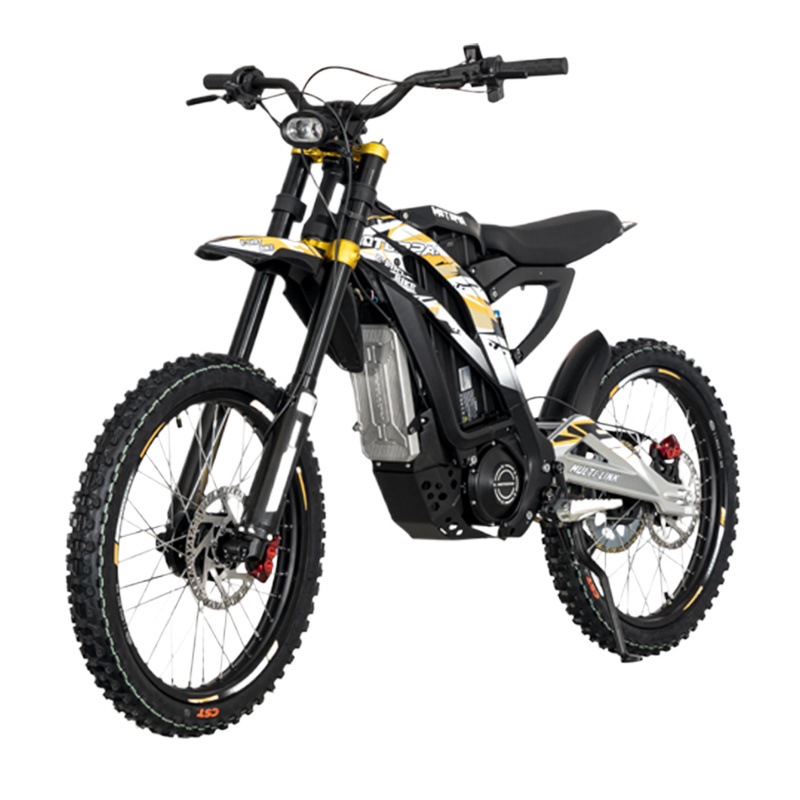
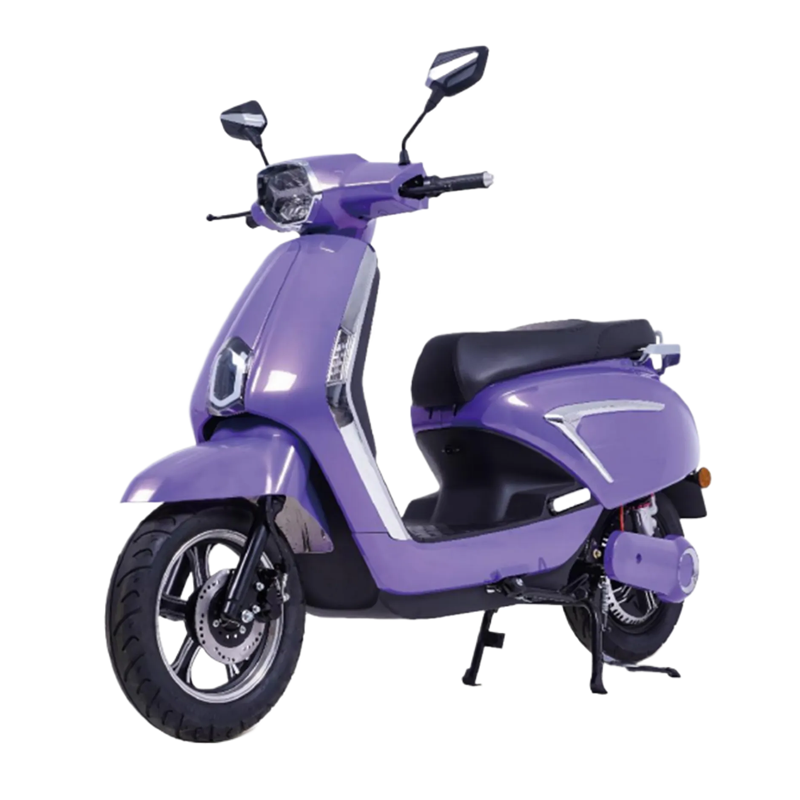
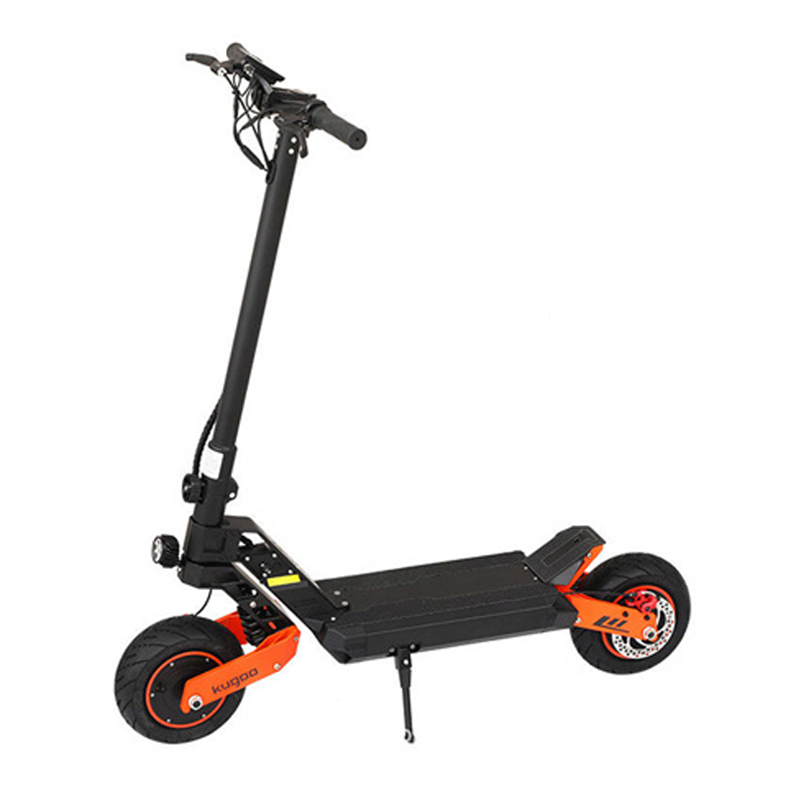
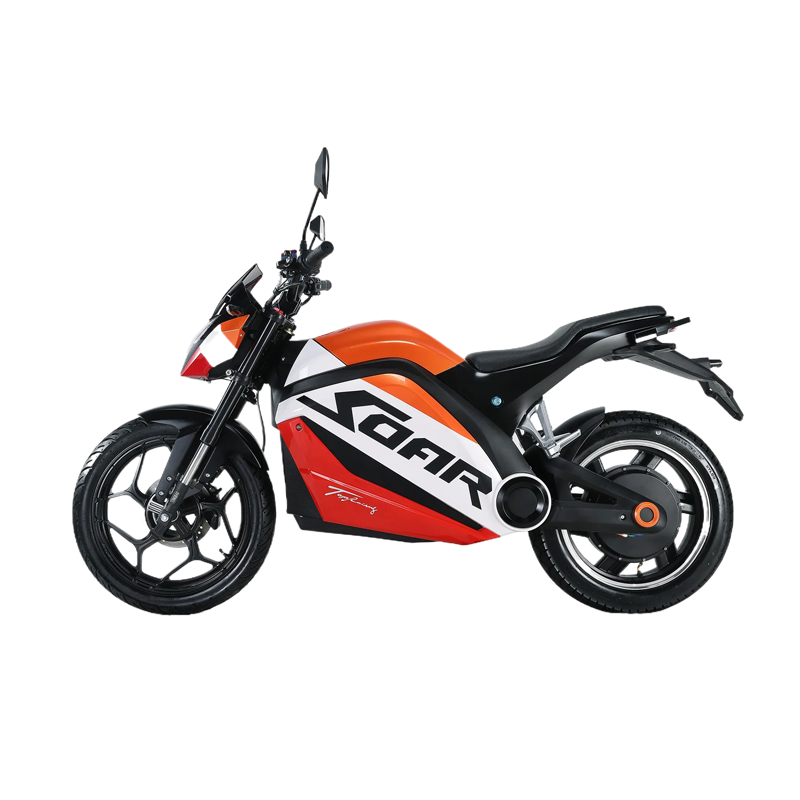
As the world increasingly shifts towards sustainable transportation, two-wheeled electric vehicles (EVs) are gaining traction as a practical and eco-friendly alternative to traditional motorbikes. These vehicles offer numerous benefits that cater to the needs of modern commuters while contributing to a cleaner environment.
One of the primary advantages of two-wheeled electric vehicles is their reduced carbon footprint. Unlike gasoline-powered motorcycles, electric two-wheelers produce zero emissions during operation. This not only helps reduce air pollution in urban areas but also supports global efforts to combat climate change. As cities become crowded and pollution levels rise, the importance of adopting cleaner transportation options cannot be overstated.
In addition to environmental benefits, two-wheeled electric vehicles are often equipped with advanced technology that enhances the riding experience. Many models feature smart connectivity, allowing riders to sync their smartphones for navigation, music control, and performance tracking. Moreover, regenerative braking systems, commonly found in electric vehicles, help recharge the battery while riding, improving overall efficiency and extending the vehicle's range.
The cost-effectiveness of two-wheeled electric vehicles also makes them an attractive option for many riders. Although the initial investment may be higher than traditional motorcycles, the long-term savings on fuel and maintenance can be significant. Electric vehicles generally have fewer moving parts, resulting in lower maintenance costs over time. Additionally, the cost of electricity for charging is often much lower than gasoline, making daily commutes more economical.
When considering a two-wheeled electric vehicle, it is essential to evaluate its range and charging infrastructure. Most electric motorcycles can accommodate urban commutes, but potential buyers should assess their daily travel needs against the vehicle's battery capacity. Thankfully, the growth of charging stations in urban areas is making it easier for riders to find convenient charging options, alleviating concerns about running out of power on the road.
Safety is another critical aspect of two-wheeled electric vehicles. Many modern electric motorcycles come equipped with advanced safety features, such as anti-lock braking systems (ABS) and traction control, to enhance rider protection. Additionally, the quiet operation of electric two-wheelers can reduce noise pollution, which is beneficial for both riders and pedestrians.
In conclusion, two-wheeled electric vehicles represent a significant step towards sustainable transportation while offering numerous benefits such as reduced emissions, advanced technology features, and cost savings. As the industry continues to innovate, these electric motorcycles are likely to play an integral role in shaping the future of urban mobility, making them an exciting option for riders looking for eco-friendly alternatives. By embracing this trend, consumers can participate in the broader movement towards a more sustainable and efficient transportation landscape.
One of the primary advantages of two-wheeled electric vehicles is their reduced carbon footprint. Unlike gasoline-powered motorcycles, electric two-wheelers produce zero emissions during operation. This not only helps reduce air pollution in urban areas but also supports global efforts to combat climate change. As cities become crowded and pollution levels rise, the importance of adopting cleaner transportation options cannot be overstated.
In addition to environmental benefits, two-wheeled electric vehicles are often equipped with advanced technology that enhances the riding experience. Many models feature smart connectivity, allowing riders to sync their smartphones for navigation, music control, and performance tracking. Moreover, regenerative braking systems, commonly found in electric vehicles, help recharge the battery while riding, improving overall efficiency and extending the vehicle's range.
The cost-effectiveness of two-wheeled electric vehicles also makes them an attractive option for many riders. Although the initial investment may be higher than traditional motorcycles, the long-term savings on fuel and maintenance can be significant. Electric vehicles generally have fewer moving parts, resulting in lower maintenance costs over time. Additionally, the cost of electricity for charging is often much lower than gasoline, making daily commutes more economical.
When considering a two-wheeled electric vehicle, it is essential to evaluate its range and charging infrastructure. Most electric motorcycles can accommodate urban commutes, but potential buyers should assess their daily travel needs against the vehicle's battery capacity. Thankfully, the growth of charging stations in urban areas is making it easier for riders to find convenient charging options, alleviating concerns about running out of power on the road.
Safety is another critical aspect of two-wheeled electric vehicles. Many modern electric motorcycles come equipped with advanced safety features, such as anti-lock braking systems (ABS) and traction control, to enhance rider protection. Additionally, the quiet operation of electric two-wheelers can reduce noise pollution, which is beneficial for both riders and pedestrians.
In conclusion, two-wheeled electric vehicles represent a significant step towards sustainable transportation while offering numerous benefits such as reduced emissions, advanced technology features, and cost savings. As the industry continues to innovate, these electric motorcycles are likely to play an integral role in shaping the future of urban mobility, making them an exciting option for riders looking for eco-friendly alternatives. By embracing this trend, consumers can participate in the broader movement towards a more sustainable and efficient transportation landscape.


Recommended Reading
CONTACT
Phone Number : +86 512 6510 8165
Mobile Phone : +86 13771670476
Email : info@lexsongmoto.com
Office : Room 504, No.1 Building of Western Tower, Jiarui Mansion, No.400 Suzhou Ave. East, Industrial Park, Suzhou City, Jiangsu Province, China
Factory : B4 Chaoyang Industrial Square, Caohu Street, Suzhou City, Jiangsu Province, China

Apply to become an agent
Get exclusive discounts, product updates, and expert advice tailored specifically for you!