

Exploring Different Types of Electric Vehicle Controllers for Optimal Performance
01/29
2026
Exploring Different Types of Electric Vehicle Controllers for Optimal Performance
Table of Contents
- 1. Introduction to Electric Vehicle Controllers
- 2. The Importance of Electric Vehicle Controllers
- 3. Types of Electric Vehicle Controllers
- 3.1 DC Motor Controllers
- 3.2 AC Motor Controllers
- 3.3 Brushless DC Controllers
- 3.4 Smart Controllers
- 3.5 Custom Controllers
- 4. Key Features of Electric Vehicle Controllers
- 5. Optimizing Performance with the Right Controller
- 6. Installing Electric Vehicle Controllers
- 7. Frequently Asked Questions
- 8. Conclusion
1. Introduction to Electric Vehicle Controllers
Electric vehicle controllers are essential components that dictate the performance and efficiency of electric vehicles (EVs). They act as the brain of an electric drive system, managing the flow of electricity from the battery to the motor and other relevant components. Understanding the types of controllers available can significantly impact the overall performance of your electric vehicle, making it crucial for enthusiasts and professionals alike to explore their options thoroughly.
2. The Importance of Electric Vehicle Controllers
The significance of electric vehicle controllers cannot be overstated. These devices not only influence how well an EV operates but also its energy efficiency, speed, and acceleration. A well-chosen controller enhances the overall driving experience by providing smooth throttle response and optimal energy usage. Moreover, it plays a pivotal role in ensuring safety through features such as current limiting and thermal protection.
Additionally, as the shift towards electric mobility accelerates, understanding and selecting the right controller becomes vital for both performance and longevity. With a range of controller types designed for various applications, making an informed choice can lead to remarkable improvements in performance and efficiency.
3. Types of Electric Vehicle Controllers
Electric vehicle controllers come in various types, each designed for specific applications and motor types. Understanding these categories is essential for identifying which controller best suits your electric vehicle needs.
3.1 DC Motor Controllers
DC motor controllers are primarily used in electric vehicles that utilize brushed or brushless DC motors. They manage the power supply to the motor, facilitating speed control and torque management. These controllers are known for their simplicity and ease of use, making them an excellent choice for smaller electric vehicles such as scooters and e-bikes. Key advantages include:
- **Cost-effectiveness**: Generally more affordable than other controllers, making them accessible for budget-conscious consumers.
- **Easy installation**: Their straightforward design allows for quicker setup and integration into existing systems.
- **Reliability**: Proven technology that has been used in various applications for decades.
3.2 AC Motor Controllers
AC motor controllers are integral to electric vehicles equipped with alternating current (AC) motors. These controllers facilitate smooth operation, efficiency, and high performance, making them suitable for larger electric vehicles such as cars and buses. Key features include:
- **Higher efficiency**: AC motors typically offer better efficiency than DC motors, leading to extended battery life.
- **Regenerative braking**: Many AC controllers support regenerative braking, allowing for energy recovery during deceleration.
- **Advanced control algorithms**: These controllers can implement sophisticated algorithms to optimize motor performance under various conditions.
3.3 Brushless DC Controllers
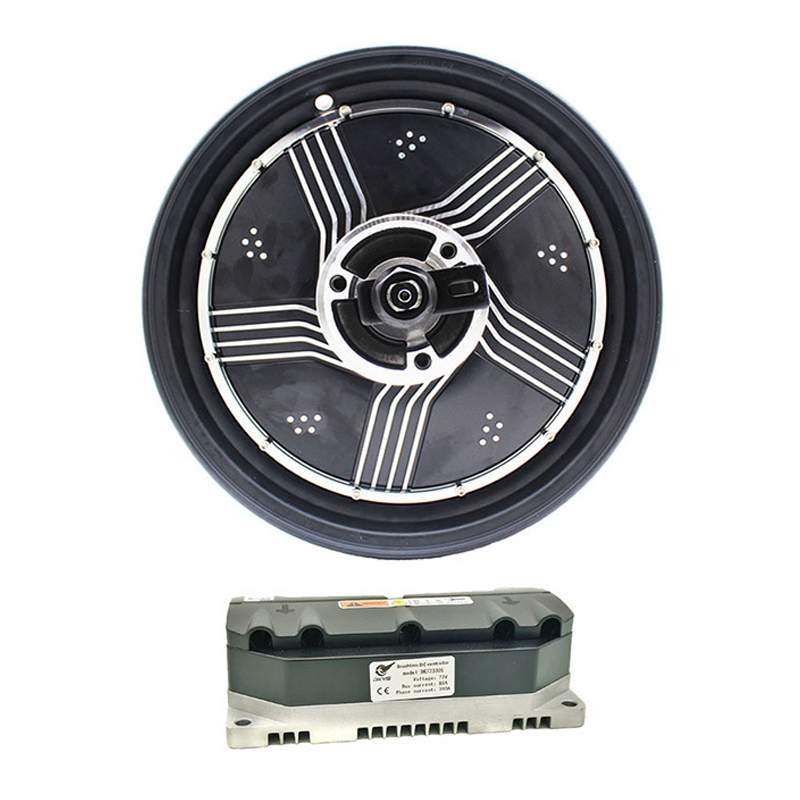
Brushless DC (BLDC) controllers are designed for electric vehicles that use brushless motors, which are known for their high efficiency and low maintenance requirements. These controllers provide several benefits, including:
- **Increased lifespan**: The absence of brushes reduces wear and tear, leading to longer motor life.
- **Quiet operation**: BLDC motors operate more quietly than their brushed counterparts, enhancing the overall driving experience.
- **Better thermal performance**: These controllers manage heat more effectively, ensuring optimal motor operation even under load.
3.4 Smart Controllers
Smart controllers represent the latest in electric vehicle technology, leveraging advanced electronics and software to enhance vehicle performance. They typically incorporate features like Bluetooth connectivity and real-time monitoring. Advantages of smart controllers include:
- **User customization**: Users can adjust settings and performance profiles for a tailored driving experience.
- **Real-time diagnostics**: Smart controllers can provide critical data to drivers, including battery health and performance metrics.
- **Integration with other systems**: These controllers can communicate with other vehicle systems, optimizing overall vehicle performance.
3.5 Custom Controllers
For applications requiring specific performance characteristics, custom controllers can be developed. These controllers are tailored to meet unique requirements and can include features not found in off-the-shelf solutions. Benefits of custom controllers include:
- **Precision performance**: Tailored programming allows for optimal performance in specialized applications.
- **Enhanced features**: Custom solutions can incorporate advanced features like AI-driven performance adjustments.
- **Scalability**: Custom controllers can be designed with future upgrades in mind, accommodating evolving technology and usage needs.
4. Key Features of Electric Vehicle Controllers
Each type of electric vehicle controller offers distinct features that can significantly impact performance. Understanding these features will help you make informed decisions when selecting a controller for your EV.
4.1 Throttle Control
Throttle control is a primary function of any electric vehicle controller. It regulates the power sent to the motor based on the driver's input, enabling smooth acceleration and deceleration.
4.2 Current Limiting
Current limiting ensures the motor does not draw excessive amounts of power, protecting both the motor and the battery from damage. This feature is crucial for preventing overheating and prolonging the lifespan of the components.
4.3 Thermal Protection
Many controllers come equipped with thermal protection features that monitor temperature levels and automatically reduce power output when excessive heat is detected. This safeguarding mechanism is vital for maintaining system integrity and performance.
4.4 Regenerative Braking
Regenerative braking allows for energy recovery during deceleration, converting kinetic energy back into electrical energy to recharge the battery. This feature enhances efficiency and extends the vehicle's driving range.
5. Optimizing Performance with the Right Controller
Choosing the right electric vehicle controller can significantly enhance performance, efficiency, and driving experience. Several factors influence this decision:
5.1 Matching Motor Type
Selecting a controller that matches the motor type is crucial. Each motor type has unique electrical characteristics that require specific control methods for optimal performance.
5.2 Application and Use Case
Consider the intended use of the electric vehicle. Different applications, from urban commuting to off-road adventures, may require distinct controller features for optimal performance.
5.3 Future-Proofing
With the rapid evolution of electric vehicle technology, consider controllers that can adapt to future advancements. Custom and smart controllers often provide flexibility for upgrades and integration with new technologies.
6. Installing Electric Vehicle Controllers
Proper installation of electric vehicle controllers is essential for optimal performance and safety. Here are key considerations:
6.1 Understand the System
Before installation, familiarize yourself with the entire electric drive system, including the motor, battery, and other components. Understanding how these systems interact will help ensure a successful installation.
6.2 Follow Manufacturer Guidelines
Always adhere to the manufacturer’s installation instructions. This guidance is tailored to the specific controller and ensures that you leverage its capabilities effectively.
6.3 Test the System
After installation, conduct thorough testing to verify that the system operates as intended. Look for any irregularities in performance and make necessary adjustments.
7. Frequently Asked Questions
7.1 What is the role of an electric vehicle controller?
An electric vehicle controller manages the flow of electricity from the battery to the motor, regulating speed, torque, and overall vehicle performance.
7.2 How do I choose the right controller for my electric vehicle?
Consider factors such as the type of motor, intended use of the vehicle, and any specific performance features you require.
7.3 Can I upgrade my electric vehicle controller?
Yes, many controllers can be upgraded or replaced to enhance performance, provided they are compatible with your existing motor and system.
7.4 What are the benefits of regenerative braking?
Regenerative braking allows the vehicle to recover energy during deceleration, which increases efficiency and extends the driving range by recharging the battery.
7.5 Are smart controllers worth the investment?
Smart controllers typically offer advanced features such as real-time diagnostics and customization options, making them worthwhile for those seeking enhanced performance and monitoring.
8. Conclusion
Understanding the different types of electric vehicle controllers is essential for optimizing the performance of your electric vehicle. By selecting the right controller tailored to your specific needs, you can enhance efficiency, ensure safety, and improve the overall driving experience. Whether you opt for DC, AC, brushless, smart, or custom controllers, each offers unique advantages that cater to various applications. Investing time in researching and understanding these controllers will empower you to make informed decisions, ultimately leading to a more satisfying and effective electric vehicle experience.


Recommended Reading
CONTACT
Phone Number : +86 512 6510 8165
Mobile Phone : +86 13771670476
Email : info@lexsongmoto.com
Office : Room 504, No.1 Building of Western Tower, Jiarui Mansion, No.400 Suzhou Ave. East, Industrial Park, Suzhou City, Jiangsu Province, China
Factory : B4 Chaoyang Industrial Square, Caohu Street, Suzhou City, Jiangsu Province, China

Apply to become an agent
Get exclusive discounts, product updates, and expert advice tailored specifically for you!