

How Commercial Electric Trikes Can Significantly Reduce Your Carbon Footprint
01/22
2026
How Commercial Electric Trikes Can Significantly Reduce Your Carbon Footprint
Table of Contents
- 1. Introduction: The Rise of Electric Trikes in Transportation
- 2. The Environmental Benefits of Electric Trikes
- 2.1 Lower Emissions Compared to Traditional Vehicles
- 2.2 Energy Efficiency and Resource Conservation
- 3. Economic Advantages of Electric Trikes for Businesses
- 4. Enhancing Operational Efficiencies
- 5. Case Studies: Companies Leading the Charge
- 6. The Future of Electric Trikes in Commercial Use
- 7. Frequently Asked Questions
- 8. Conclusion: Embracing a Sustainable Future with Electric Trikes
1. Introduction: The Rise of Electric Trikes in Transportation
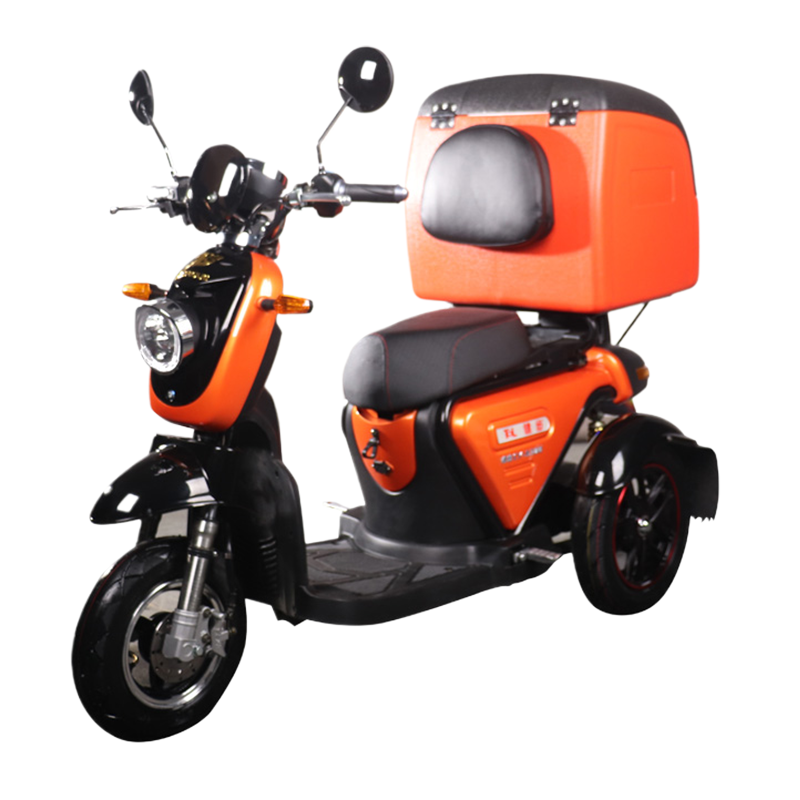
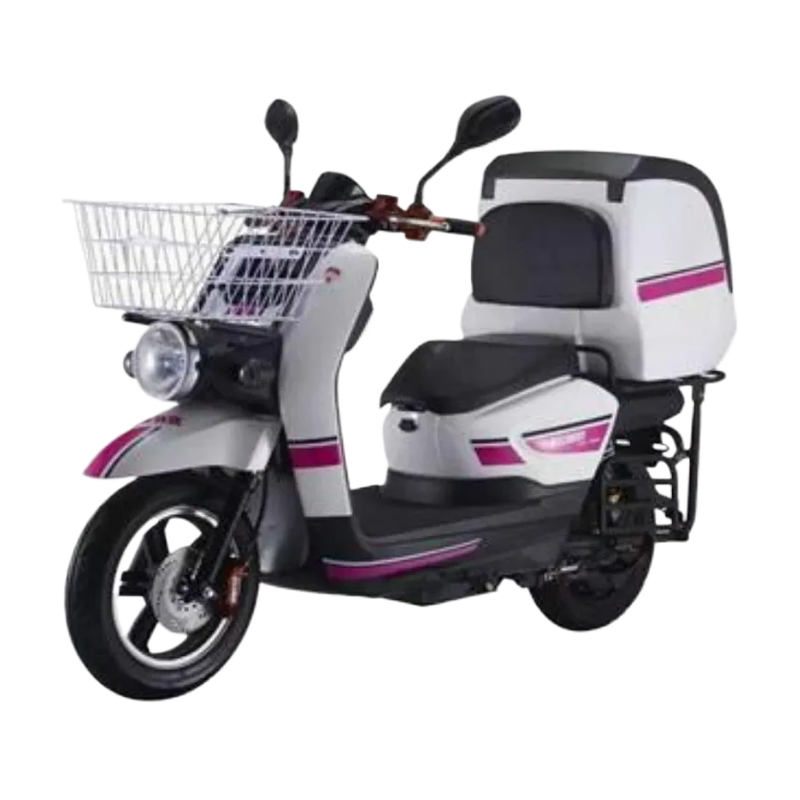
As the world grapples with the pressing issues of climate change and pollution, the need for sustainable transportation solutions has never been more urgent. **Commercial electric trikes** have emerged as a compelling alternative to traditional fossil fuel-powered vehicles. Offering both versatility and efficiency, these electric-powered tricycles are becoming increasingly popular among businesses aiming to enhance their logistics while also reducing their environmental footprint.
Electric trikes are not only eco-friendly but also provide an efficient means of transport in urban settings, where traffic congestion and parking constraints are common challenges. By exploring the benefits of electric trikes, we can understand how they can significantly reduce carbon emissions and contribute to a greener planet.
2. The Environmental Benefits of Electric Trikes
Electric trikes represent a major shift in how goods and services can be delivered. Their environmental advantages stem from their low or zero emissions compared to traditional vehicles.
2.1 Lower Emissions Compared to Traditional Vehicles
Most conventional delivery vehicles rely on internal combustion engines, which emit harmful pollutants and greenhouse gases. In contrast, **electric trikes** operate on electric power, producing **zero tailpipe emissions**. This not only helps in improving air quality but also plays a vital role in combating climate change.
Each electric trike can potentially reduce carbon emissions by an average of **1.5 tons per year**, depending on mileage and usage. When businesses adopt electric trikes as part of their logistics strategy, the cumulative effect can lead to a significant reduction in overall emissions.
2.2 Energy Efficiency and Resource Conservation
Electric trikes are far more energy-efficient than traditional vehicles. They convert a higher percentage of the electrical energy from the grid to power at the wheels. This efficiency translates to lower energy consumption and less strain on our natural resources.
Additionally, electric trikes often utilize regenerative braking systems, allowing them to recover energy during deceleration. This innovative technology not only enhances battery life but also minimizes energy waste, further contributing to their environmental benefits.
3. Economic Advantages of Electric Trikes for Businesses
Aside from environmental benefits, electric trikes also offer a host of economic advantages that can significantly influence a business’s bottom line.
3.1 Cost Savings on Fuel and Maintenance
One of the compelling reasons businesses are transitioning to electric trikes is the substantial savings on fuel costs. With the rising price of gasoline, electric trikes provide a viable and economical alternative. Charging an electric trike costs a fraction of what it would cost to fill a gas tank.
Moreover, electric motors have fewer moving parts than traditional combustion engines, resulting in **lower maintenance costs**. The reduced need for oil changes, exhaust systems, and complex engine repairs can save businesses a considerable amount of money over time.
3.2 Government Incentives and Grants
To encourage the adoption of sustainable practices, many governments offer incentives and grants for businesses transitioning to electric vehicles. These financial benefits can cover a portion of the purchase price of electric trikes, making them even more appealing.
In addition, businesses may also benefit from tax exemptions or credits associated with electric vehicle use. Understanding and leveraging these incentives can further enhance the economic case for electric trikes in commercial applications.
4. Enhancing Operational Efficiencies
In addition to their environmental and economic benefits, electric trikes provide unique operational efficiencies that can streamline logistics and enhance service delivery.
4.1 Ideal for Last-Mile Delivery Solutions
**Last-mile delivery** is often the most challenging and costly segment of the delivery process. Electric trikes excel in this area due to their compact size and ability to navigate congested urban environments with ease. Their agility allows for quicker delivery times, which can improve customer satisfaction and retention.
As e-commerce continues to grow, businesses utilizing electric trikes for last-mile delivery can gain a competitive edge by offering timely and environmentally friendly service.
4.2 Urban Navigability and Accessibility
Electric trikes are particularly well-suited for urban environments. Their smaller footprint allows them to maneuver through tight spaces and avoid traffic congestion that larger vehicles cannot. Furthermore, many cities are beginning to implement regulations that favor electric vehicles, such as dedicated bike lanes and reduced tolls, making electric trikes an even more attractive option for urban logistics.
5. Case Studies: Companies Leading the Charge
Several companies have successfully integrated electric trikes into their operations, demonstrating the potential benefits.
**Case Study 1: DHL**
DHL has piloted electric trikes in urban areas to supplement their delivery fleet. The company has reported a significant reduction in emissions and improved delivery efficiency, showcasing how electric trikes can effectively support logistics operations.
**Case Study 2: UPS**
UPS has also recognized the value of electric trikes, using them in specific city areas for last-mile delivery. The initiative has proven to reduce congestion and improve air quality, aligning with UPS’s sustainability goals.
6. The Future of Electric Trikes in Commercial Use
The future of electric trikes looks promising as technology continues to evolve. Battery technology is improving, leading to longer ranges and shorter charging times. As infrastructure for electric vehicles expands, including charging stations and dedicated lanes, the practicality of electric trikes for commercial use is set to increase.
Moreover, the growing awareness of environmental sustainability among consumers is pressuring companies to adopt greener practices. Electric trikes are not just a trend; they are paving the way for a more sustainable future in transportation.
7. Frequently Asked Questions
What is the average range of a commercial electric trike?
The average range of a commercial electric trike varies by model, but many can travel between 30 to 60 miles on a single charge, depending on the load and terrain.
How long does it take to charge an electric trike?
Charging times can vary, but most electric trikes can be fully charged in **4 to 8 hours** using a standard home outlet. Fast chargers can significantly reduce this time.
Are electric trikes suitable for all weather conditions?
Electric trikes are designed to operate in various weather conditions. However, businesses should consider equipping them with weatherproofing features for optimal performance during rain or snow.
What maintenance do electric trikes require?
Electric trikes require less maintenance than traditional vehicles. Regular checks on the battery, brakes, tires, and electrical system are recommended to ensure optimal performance.
Can electric trikes carry heavy loads?
Many commercial electric trikes are designed to carry loads ranging from **300 to 1,000 pounds**, making them suitable for various delivery needs. Always check the manufacturer's specifications for load capacity.
8. Conclusion: Embracing a Sustainable Future with Electric Trikes
In conclusion, commercial electric trikes present an excellent opportunity for businesses to reduce their carbon footprint while achieving economic savings and operational efficiencies. With their lower emissions, energy efficiency, and suitability for urban logistics, they are not only a smart choice but also a necessary step towards a sustainable future. As we continue to face the challenges of climate change and urban congestion, integrating electric trikes into commercial fleets offers a **transformative solution**. Businesses that embrace this technology will not only contribute to a healthier planet but also position themselves as leaders in the sustainable economy. Embracing electric trikes today can pave the way for a greener tomorrow.


Recommended Reading
CONTACT
Phone Number : +86 512 6510 8165
Mobile Phone : +86 13771670476
Email : info@lexsongmoto.com
Office : Room 504, No.1 Building of Western Tower, Jiarui Mansion, No.400 Suzhou Ave. East, Industrial Park, Suzhou City, Jiangsu Province, China
Factory : B4 Chaoyang Industrial Square, Caohu Street, Suzhou City, Jiangsu Province, China

Apply to become an agent
Get exclusive discounts, product updates, and expert advice tailored specifically for you!