

The Rise of Electric Motorcycles: Revolutionizing Urban Transportation
09/19
2025
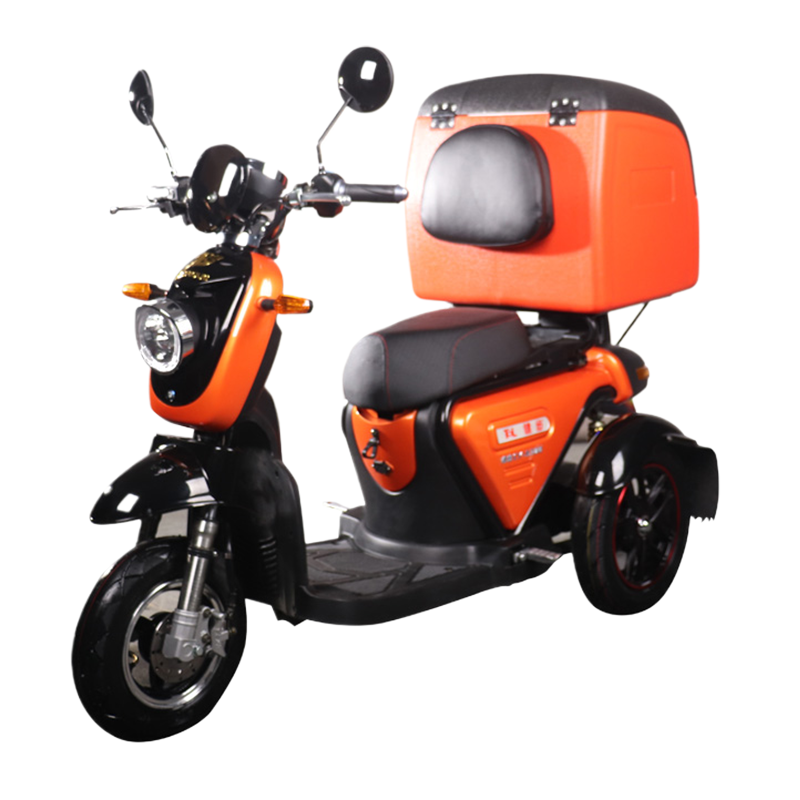
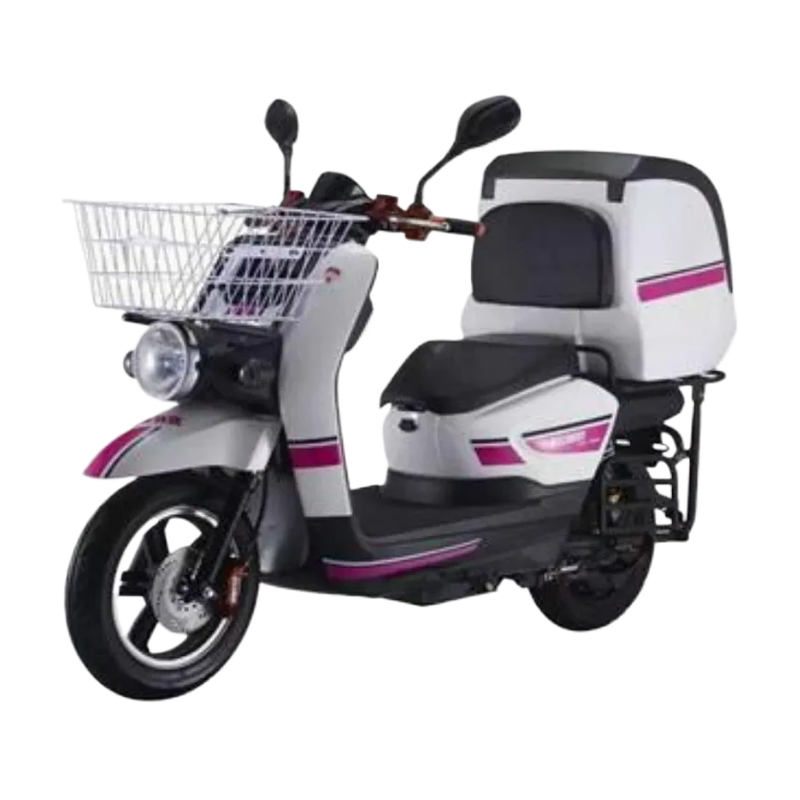
Electric motorcycles are becoming an increasingly popular mode of transportation, particularly in urban environments. They offer a variety of benefits, such as reduced emissions, quiet operation, and lower operating costs compared to traditional gasoline-powered bikes. As cities strive to combat pollution and traffic congestion, many are looking to electric motorcycles as a viable solution.
One of the primary advantages of electric motorcycles is their environmental impact. Unlike conventional motorcycles, which emit harmful greenhouse gases and contribute to air pollution, electric motorcycles produce zero tailpipe emissions. This characteristic makes them an attractive option for eco-conscious consumers and cities aiming to improve air quality. With the global focus shifting towards sustainable energy sources, the growth of electric motorcycles is expected to continue as more manufacturers embrace electric technology.
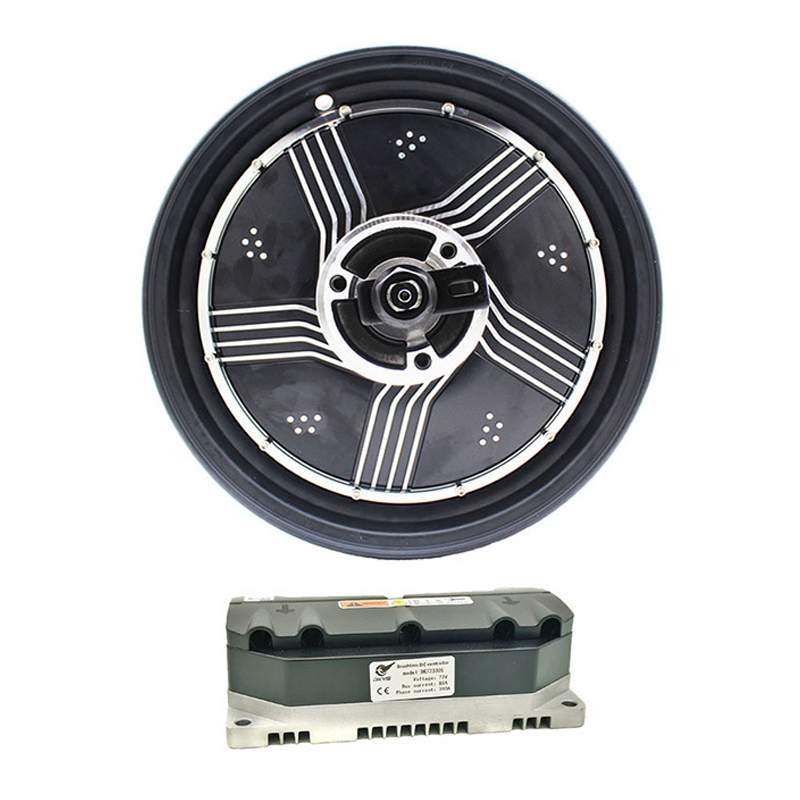
The technology behind electric motorcycles has advanced significantly in recent years. Modern electric bikes are equipped with high-capacity lithium-ion batteries that provide impressive range and performance. Many electric motorcycles can cover anywhere from 70 to over 150 miles on a single charge, depending on the model and riding conditions. Additionally, advancements in charging infrastructure are making it easier for riders to recharge their batteries at home, work, or public charging stations, further enhancing the practicality of electric motorcycles.
Electric motorcycles also offer a smoother and quieter ride compared to their gasoline counterparts. The electric motors provide instant torque, allowing for quick acceleration and a more responsive driving experience. Riders often appreciate the silent operation of electric motorcycles, which not only contributes to a more enjoyable ride but also reduces noise pollution in urban areas.
Another factor contributing to the popularity of electric motorcycles is the lower cost of ownership. While the initial purchase price may be higher than traditional models, electric motorcycles generally require less maintenance and have lower operating costs. With fewer moving parts and no need for oil changes or fuel, owners can save money over time. Furthermore, many electric motorcycles take advantage of government incentives and rebates, making them more accessible to consumers.
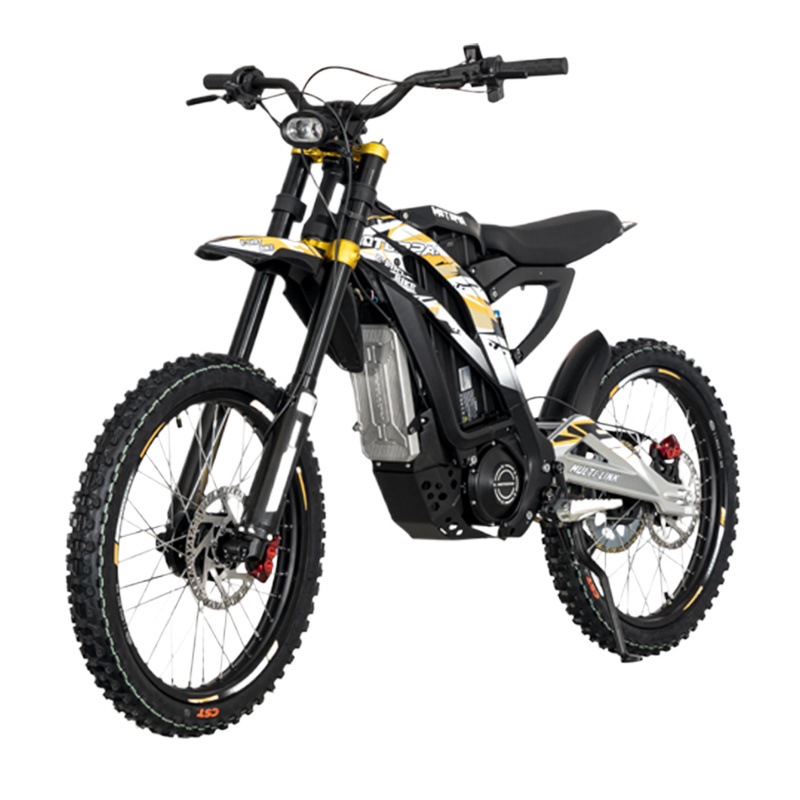
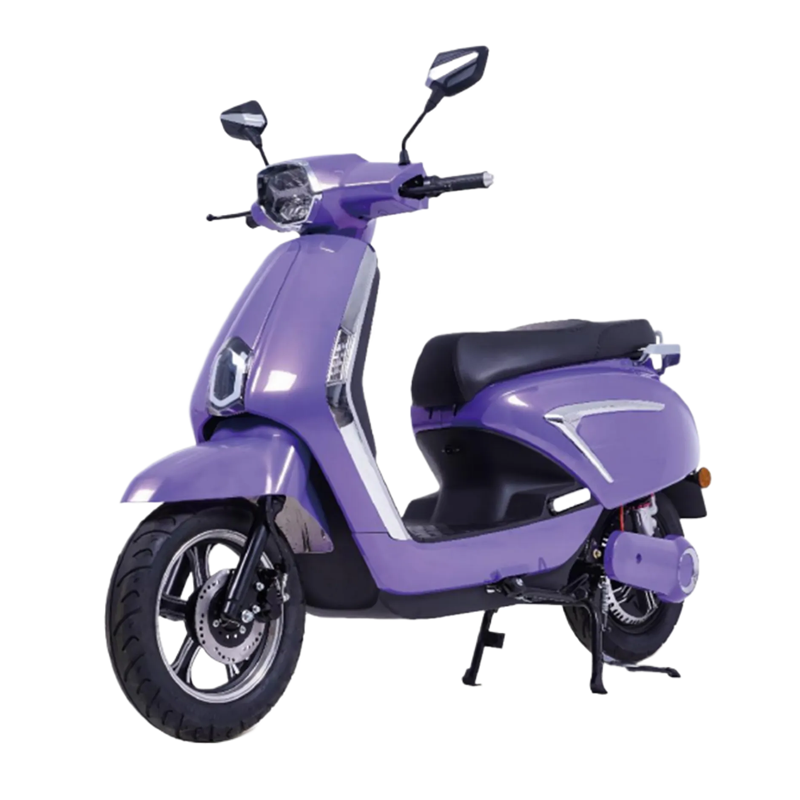
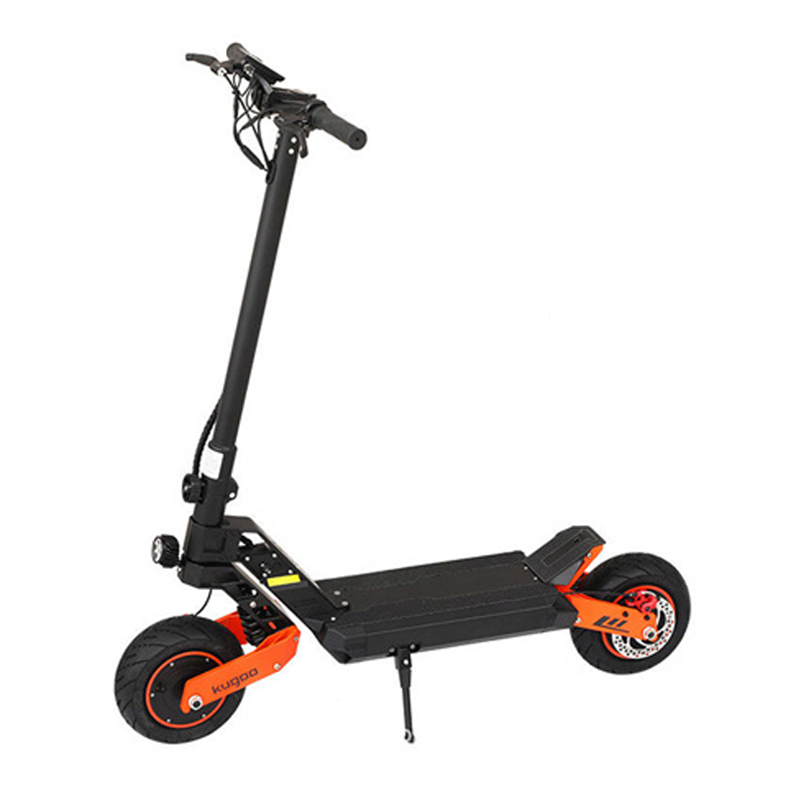
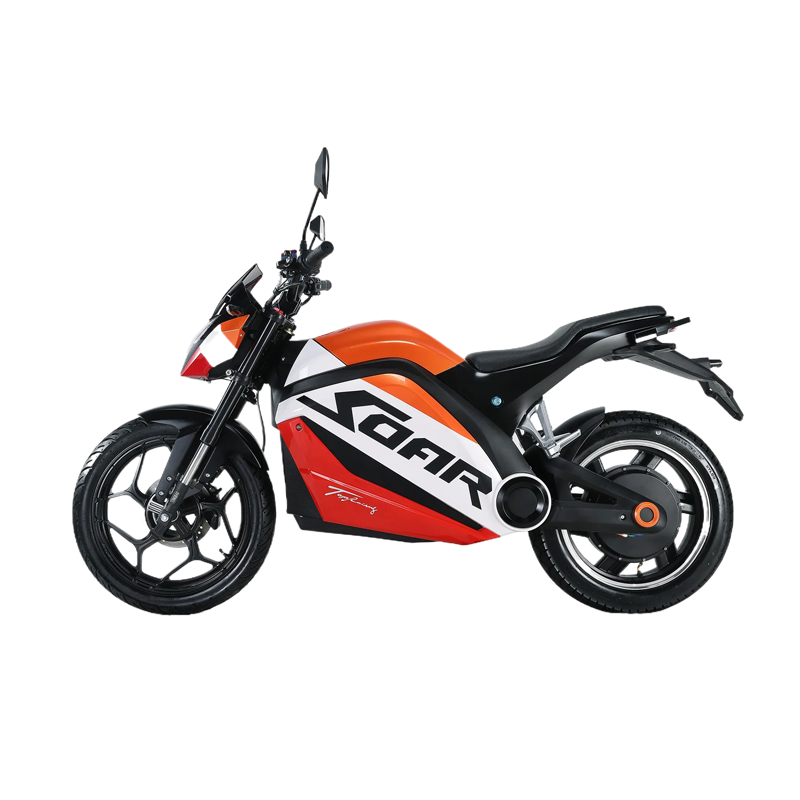
As the electric motorcycle market continues to grow, we can expect to see a wider variety of models, from scooters for city commuting to high-performance bikes for enthusiasts. Manufacturers are innovating rapidly, introducing advanced features such as regenerative braking, smart connectivity, and enhanced safety technologies.
In conclusion, electric motorcycles are at the forefront of a transportation revolution. They not only offer a sustainable and efficient alternative to traditional motorcycles but also present an exciting opportunity for innovation in the automotive industry. As more riders embrace this eco-friendly mode of transportation, electric motorcycles will play a crucial role in shaping the future of urban mobility.
One of the primary advantages of electric motorcycles is their environmental impact. Unlike conventional motorcycles, which emit harmful greenhouse gases and contribute to air pollution, electric motorcycles produce zero tailpipe emissions. This characteristic makes them an attractive option for eco-conscious consumers and cities aiming to improve air quality. With the global focus shifting towards sustainable energy sources, the growth of electric motorcycles is expected to continue as more manufacturers embrace electric technology.
The technology behind electric motorcycles has advanced significantly in recent years. Modern electric bikes are equipped with high-capacity lithium-ion batteries that provide impressive range and performance. Many electric motorcycles can cover anywhere from 70 to over 150 miles on a single charge, depending on the model and riding conditions. Additionally, advancements in charging infrastructure are making it easier for riders to recharge their batteries at home, work, or public charging stations, further enhancing the practicality of electric motorcycles.
Electric motorcycles also offer a smoother and quieter ride compared to their gasoline counterparts. The electric motors provide instant torque, allowing for quick acceleration and a more responsive driving experience. Riders often appreciate the silent operation of electric motorcycles, which not only contributes to a more enjoyable ride but also reduces noise pollution in urban areas.
Another factor contributing to the popularity of electric motorcycles is the lower cost of ownership. While the initial purchase price may be higher than traditional models, electric motorcycles generally require less maintenance and have lower operating costs. With fewer moving parts and no need for oil changes or fuel, owners can save money over time. Furthermore, many electric motorcycles take advantage of government incentives and rebates, making them more accessible to consumers.
As the electric motorcycle market continues to grow, we can expect to see a wider variety of models, from scooters for city commuting to high-performance bikes for enthusiasts. Manufacturers are innovating rapidly, introducing advanced features such as regenerative braking, smart connectivity, and enhanced safety technologies.
In conclusion, electric motorcycles are at the forefront of a transportation revolution. They not only offer a sustainable and efficient alternative to traditional motorcycles but also present an exciting opportunity for innovation in the automotive industry. As more riders embrace this eco-friendly mode of transportation, electric motorcycles will play a crucial role in shaping the future of urban mobility.


Recommended Reading
CONTACT
Phone Number : +86 512 6510 8165
Mobile Phone : +86 13771670476
Email : info@lexsongmoto.com
Office : Room 504, No.1 Building of Western Tower, Jiarui Mansion, No.400 Suzhou Ave. East, Industrial Park, Suzhou City, Jiangsu Province, China
Factory : B4 Chaoyang Industrial Square, Caohu Street, Suzhou City, Jiangsu Province, China

Apply to become an agent
Get exclusive discounts, product updates, and expert advice tailored specifically for you!