

Top Reasons Electric Scooters Are Revolutionizing Urban Transportation
09/18
2025
Top Reasons Electric Scooters Are Revolutionizing Urban Transportation
Introduction to Electric Scooters: A Game Changer in Urban Mobility
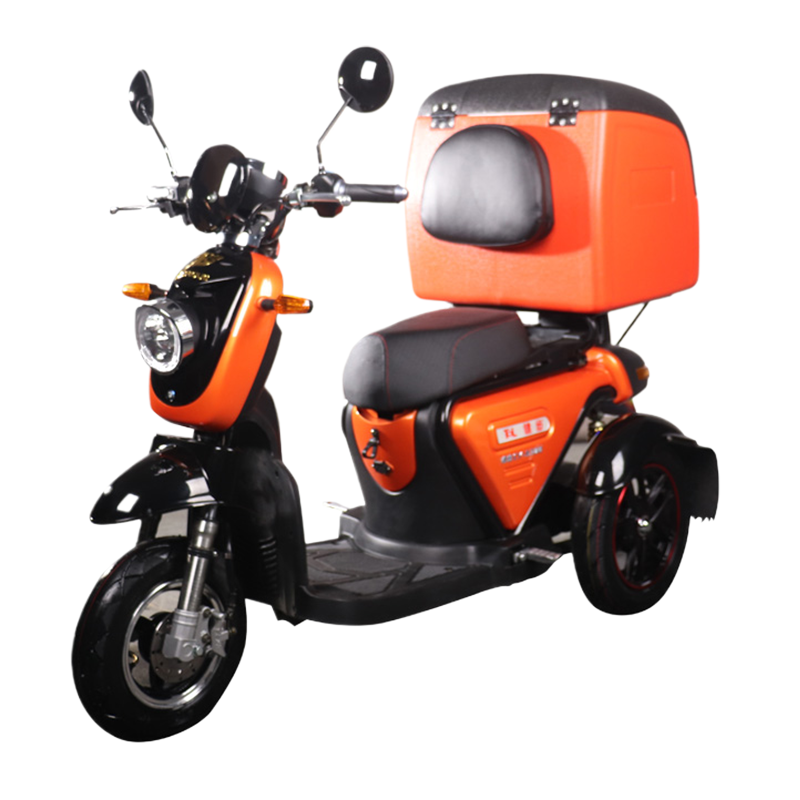
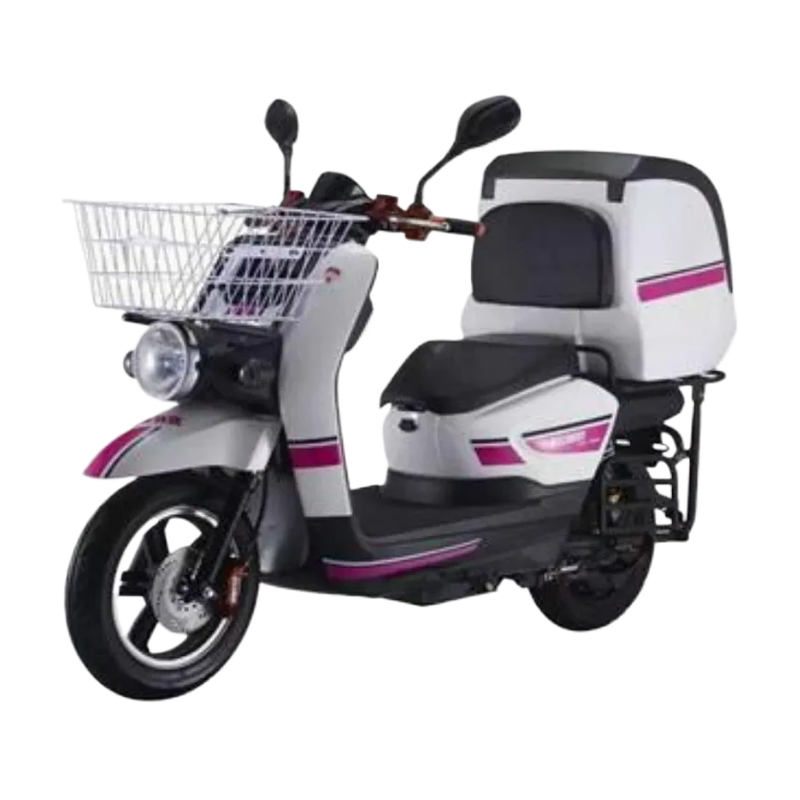
Electric scooters have emerged as a **popular mode of transportation** in urban areas, rapidly evolving from a niche product to a mainstream solution for tackling the challenges of city commuting. With the rise of electric scooters, city dwellers are discovering the convenience, efficiency, and environmental benefits that they offer. In this article, we will delve deep into the various factors contributing to the **revolution of urban transportation** through electric scooters, highlighting their advantages, addressing common concerns, and exploring what the future holds for this innovative mode of mobility.
1. The Environmental Impact: A Greener Choice
The environmental benefits of electric scooters are significant. They greatly contribute to reducing carbon footprints and combating air pollution. Traditional vehicles often rely on fossil fuels, leading to harmful emissions that damage our planet. In contrast, electric scooters are powered by batteries, producing zero emissions during operation.
1.1 Reducing Urban Air Pollution
Cities across the globe face severe air quality issues. Electric scooters can help combat this by offering a **cleaner alternative** to gas-powered vehicles. According to various studies, the increased usage of electric scooters can lead to a noticeable reduction in urban air pollution levels.
1.2 Decreasing Traffic Congestion
Electric scooters can alleviate traffic congestion by providing a compact and efficient transportation option. They take up less road space compared to cars and can easily navigate through crowded areas. This not only benefits riders but also streamlines traffic flow, reducing the overall travel time for everyone.
2. Cost-Effectiveness: An Affordable Travel Solution
The affordability of electric scooters is one of the most compelling reasons for their growing popularity. For commuters who rely on public transportation or own cars, electric scooters can drastically lower **commuting costs**.
2.1 Lower Operating Costs
Owning an electric scooter comes with minimal operating costs. Charging a scooter can cost just a few cents, and maintenance expenses are significantly lower compared to traditional vehicles. This makes it an attractive option for cost-conscious individuals.
2.2 Convenience of Rental Services
Many cities now offer **scooter-sharing programs**, allowing users to rent electric scooters on an as-needed basis. This flexibility enables users to avoid the costs associated with ownership while still enjoying the benefits of electric scooters.
3. Enhancing Urban Mobility: Speed and Accessibility
Electric scooters provide a practical solution for enhancing urban mobility. Their ability to weave through traffic and access areas that may be challenging for cars makes them an appealing choice for many.
3.1 Quick Commute Times
With the capability to travel at speeds of up to 15-20 mph, electric scooters can significantly reduce **commute times**. Riders can bypass traffic jams and reach their destinations faster than traditional vehicles or public transport.
3.2 Accessibility for All
Electric scooters cater to a diverse range of users, from students to professionals to elderly individuals. Their ease of use and portability make them accessible, allowing people from all walks of life to navigate urban environments with ease.
4. Safety Concerns: Addressing the Challenges
While electric scooters present numerous benefits, safety remains a major concern for users and city planners alike. Addressing these challenges is crucial for ensuring a safe riding experience.
4.1 Improving Infrastructure
Many cities are still adapting their infrastructure to accommodate electric scooters. Dedicated lanes, proper signage, and clear regulations are necessary to enhance safety for both riders and pedestrians.
4.2 Encouraging Safety Awareness
Educating scooter riders about safe riding practices is essential. Initiatives like rider training programs and awareness campaigns can help promote responsible usage and reduce accidents.
5. The Technological Edge: Features Enhancing User Experience
Advancements in technology are playing a significant role in the evolution of electric scooters, making them smarter and more user-friendly.
5.1 Smart Features and Connectivity
Many modern electric scooters come equipped with smart features such as GPS tracking, mobile app integration, and anti-theft systems. These innovations enhance the overall user experience and provide riders with peace of mind.
5.2 Battery Technology Advancements
Improved battery technology has led to longer ranges and faster charging times for electric scooters. Riders can now travel further distances without the need for frequent recharging, making scooters more practical for daily use.
6. Cultural Shift: Changing Perceptions of Urban Transport
The acceptance of electric scooters represents a broader cultural shift in attitudes toward urban transportation.
6.1 Embracing Sustainable Mobility
As awareness of climate change and sustainability increases, more individuals are looking for eco-friendly transportation options. Electric scooters align perfectly with this shift, promoting sustainable mobility practices.
6.2 Scooters as a Lifestyle Choice
Electric scooters have become more than just a mode of transport; they represent a lifestyle choice that emphasizes convenience, health, and eco-consciousness. This cultural integration is helping to reshape how urban residents view their travel habits.
7. The Future of Electric Scooters in Urban Environments
The future of electric scooters appears promising as technology continues to evolve, and urban areas adapt to better accommodate them.
7.1 Expanded Scooter Sharing Programs
As cities recognize the benefits of electric scooters, we can expect more extensive **scooter-sharing programs** to emerge. These initiatives will likely expand access and encourage even greater usage.
7.2 Integration with Public Transit
The integration of electric scooters with public transportation systems can enhance the overall commuting experience. Facilities such as scooter parking at transit hubs could encourage multimodal transportation options.
8. Frequently Asked Questions (FAQs)
8.1 Are electric scooters safe to ride?
While electric scooters can be safe, it is essential for riders to follow safety guidelines, wear helmets, and use dedicated lanes when available.
8.2 How far can electric scooters travel on a single charge?
Most electric scooters can travel between 15 to 30 miles on a single charge, depending on the model and riding conditions.
8.3 Do I need a license to ride an electric scooter?
In many jurisdictions, no license is required, but it's crucial to check local regulations regarding electric scooter usage.
8.4 How do I maintain my electric scooter?
Regular maintenance involves checking tire pressure, ensuring battery health, and keeping the scooter clean to prolong its lifespan.
8.5 What should I do if my electric scooter gets stolen?
If your scooter is stolen, report it to local authorities and provide them with any identifying information, such as the serial number or GPS tracking details if available.
Conclusion: Embracing the Electric Scooter Revolution
The introduction of electric scooters in urban environments marks a significant advancement in urban transportation. With their ability to reduce pollution, save time, and provide a cost-effective means of travel, electric scooters are not just a passing trend—they are here to stay. As cities continue to adapt their infrastructure and improve safety measures, the future of electric scooters looks bright. The revolution in urban transportation is not merely about getting from point A to point B; it’s about rethinking mobility in a sustainable, efficient, and accessible way. Embracing electric scooters is an essential step toward a cleaner, greener future in urban transportation.


Recommended Reading
CONTACT
Phone Number : +86 512 6510 8165
Mobile Phone : +86 13771670476
Email : info@lexsongmoto.com
Office : Room 504, No.1 Building of Western Tower, Jiarui Mansion, No.400 Suzhou Ave. East, Industrial Park, Suzhou City, Jiangsu Province, China
Factory : B4 Chaoyang Industrial Square, Caohu Street, Suzhou City, Jiangsu Province, China

Apply to become an agent
Get exclusive discounts, product updates, and expert advice tailored specifically for you!