

Why Choose Two-Wheeled Electric Vehicles for Urban Commuting?
09/20
2025
Why Choose Two-Wheeled Electric Vehicles for Urban Commuting?
The Rise of Two-Wheeled Electric Vehicles
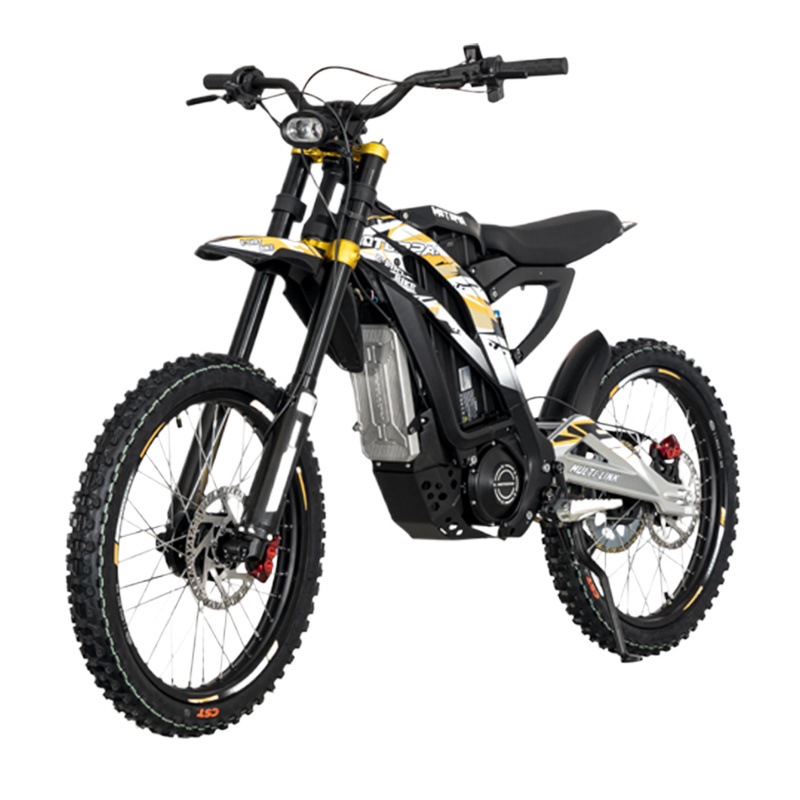
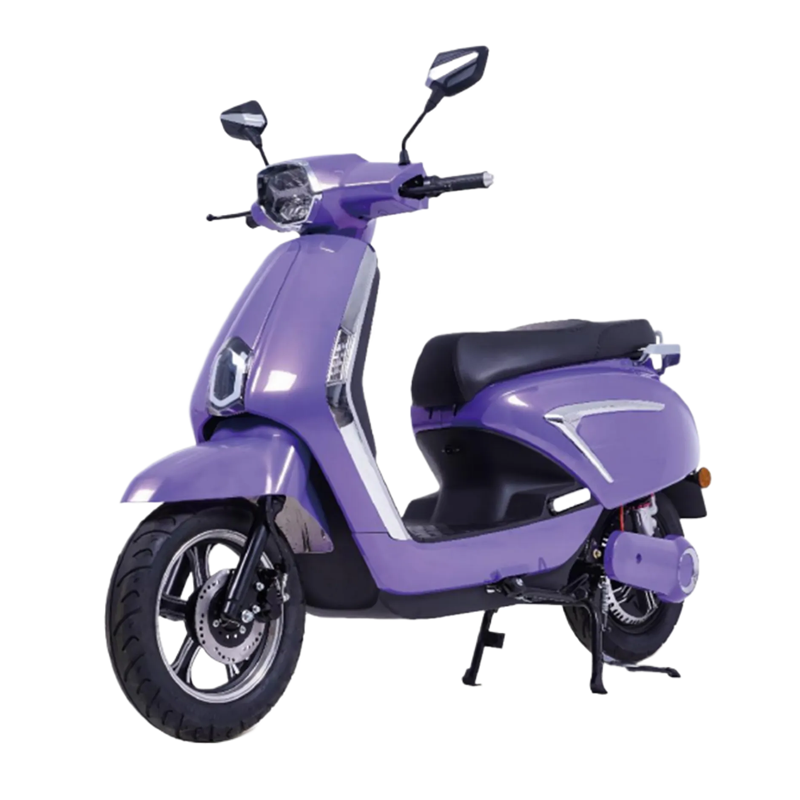
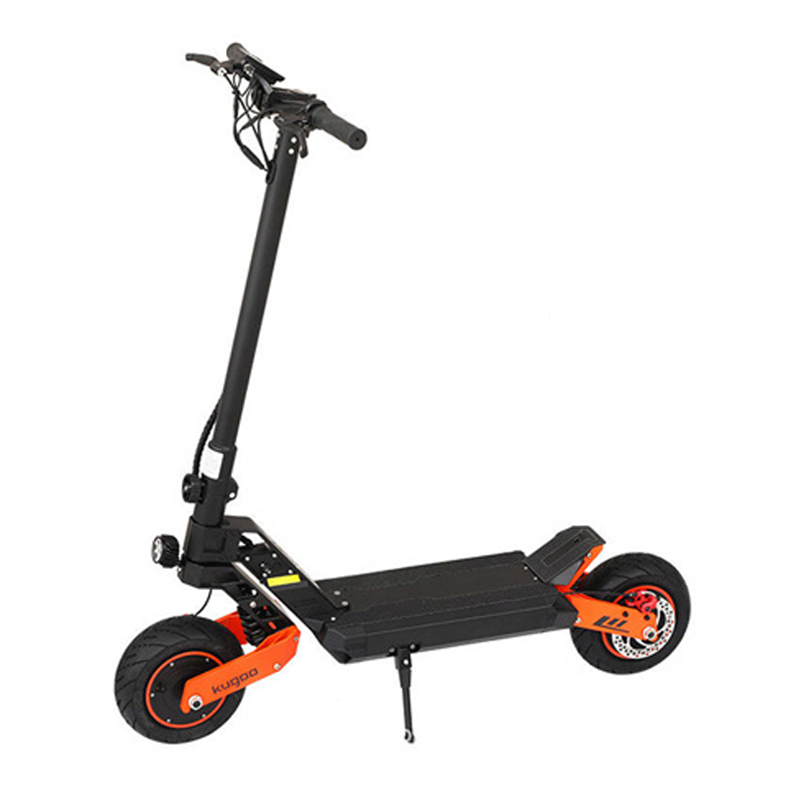
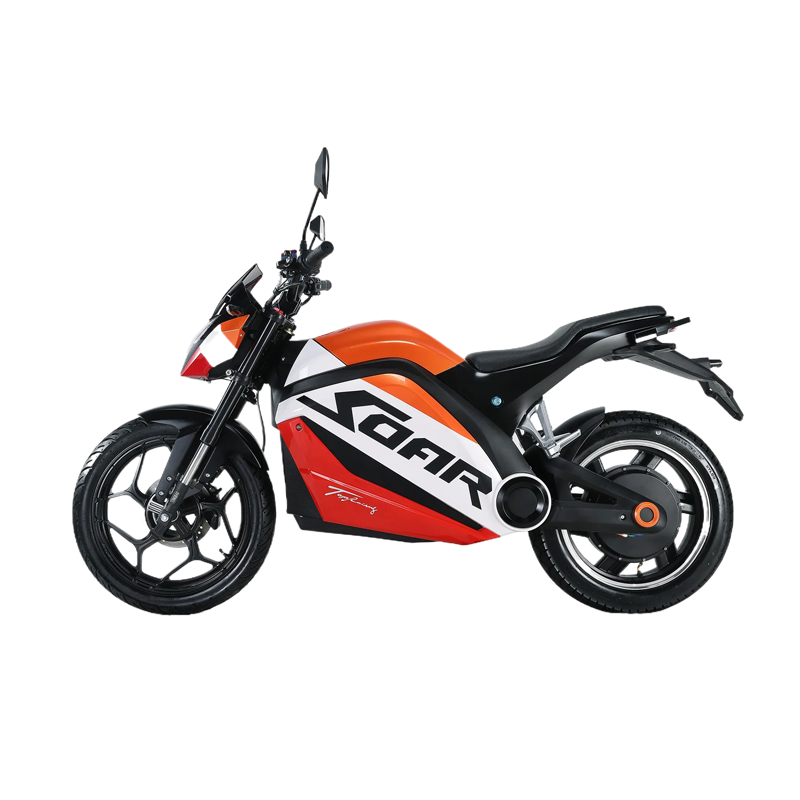
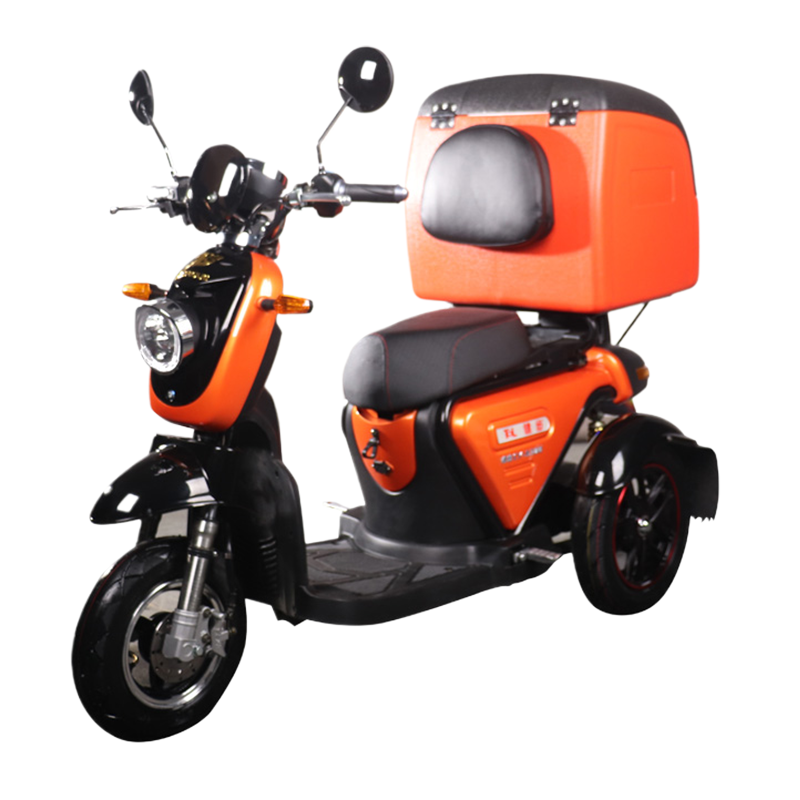
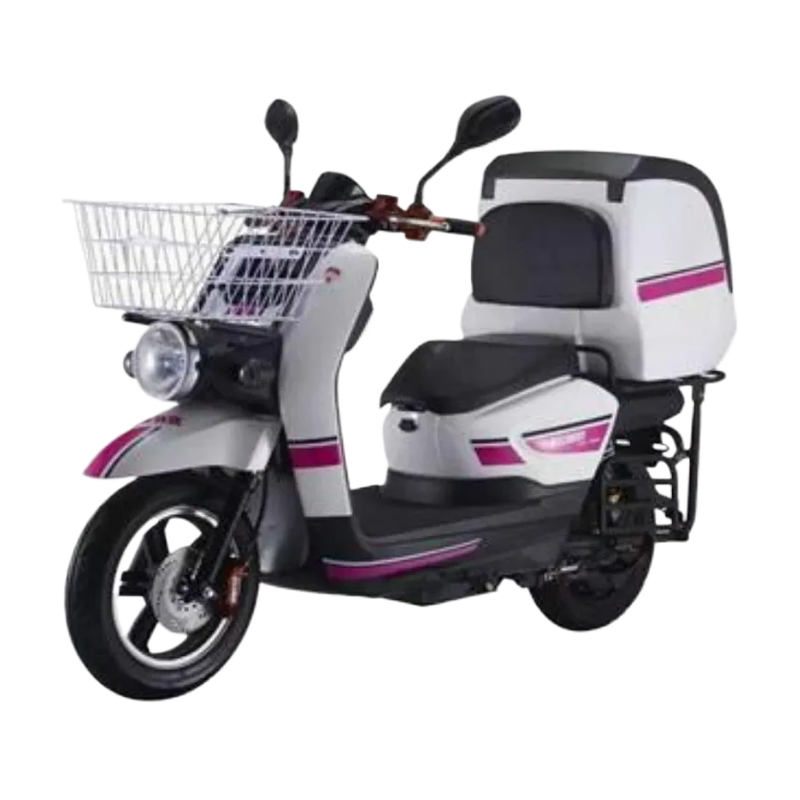
In recent years, the urban landscape has seen a significant surge in the adoption of two-wheeled electric vehicles (EVs), particularly electric scooters and motorcycles. As cities become more congested and environmental awareness grows, electric two-wheelers have emerged as a viable and attractive commuting option. With their compact sizes, reduced emissions, and enhanced energy efficiency, these vehicles present a compelling case for urban dwellers looking to navigate crowded streets with ease.
Benefits of Electric Two-Wheelers for City Commuters
1. Eco-Friendly Transportation
One of the most significant advantages of two-wheeled electric vehicles is their minimal environmental impact. Unlike traditional gasoline-powered motorcycles and scooters, electric models produce zero tailpipe emissions. This reduction in air pollution contributes to improved urban air quality, making cities healthier for residents. As cities strive to meet sustainability goals, adopting electric two-wheelers aligns perfectly with eco-friendly initiatives.
2. Cost-Effective Commuting
Electric two-wheelers are not only beneficial for the environment but also for your wallet. Operating costs for electric vehicles are generally lower than those of their gasoline counterparts. The expenses associated with charging an electric scooter or motorcycle are minimal compared to fuel costs. Additionally, electric vehicles typically require less maintenance, which means fewer trips to the mechanic and more savings in the long run.
3. Maneuverability and Parking Ease
Urban environments can present various challenges, particularly in terms of traffic congestion and parking availability. Two-wheeled electric vehicles offer unparalleled maneuverability, allowing riders to navigate through gridlocked streets effectively. Furthermore, they require significantly less parking space, often fitting into areas where cars cannot. This convenience makes electric scooters and motorcycles an ideal choice for city commuting.
4. Government Incentives and Support
Many governments worldwide are actively promoting electric vehicle adoption through various incentives. From tax rebates to financial subsidies, the support for purchasing electric two-wheelers has never been stronger. These initiatives not only ease the financial burden of switching to electric but also reflect a broader commitment to sustainable urban transportation.
Understanding the Technology Behind Electric Two-Wheelers
1. Battery Technology: The Heart of Electric Vehicles
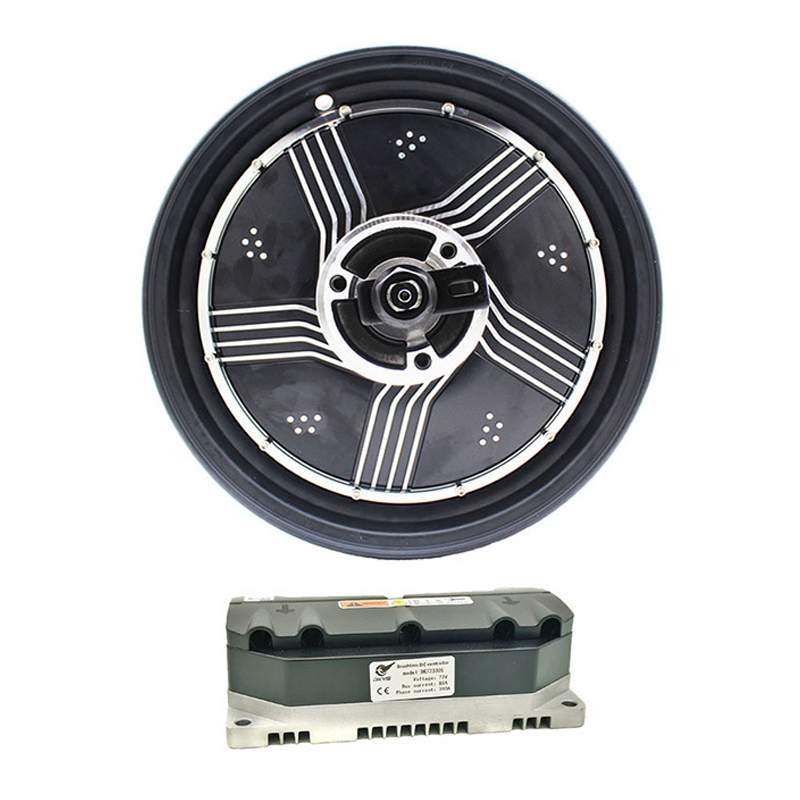
At the core of every electric two-wheeler lies its battery system. Modern electric scooters and motorcycles utilize lithium-ion batteries, known for their high energy density and longevity. These batteries allow riders to travel considerable distances on a single charge, often exceeding 40 miles, depending on the model. Innovations in battery technology continue to enhance performance and charging speed, making electric two-wheelers even more appealing.
2. Regenerative Braking Systems
Many electric two-wheelers are equipped with regenerative braking systems, which capture energy typically lost during braking and channel it back into the battery. This feature not only improves energy efficiency but also extends the vehicle's range, diminishing the frequency of charging required during daily commutes.
3. Smart Features for Enhanced Riding Experience
Modern electric two-wheelers come loaded with smart technology that enhances the riding experience. Features such as GPS navigation, smartphone connectivity, and anti-theft systems are becoming standard in many models. These innovations not only provide convenience but also improve safety and security for urban riders.
Choosing the Right Electric Two-Wheeler for Your Needs
1. Assessing Your Commuting Requirements
When selecting an electric two-wheeler, it’s essential to consider your specific commuting needs. Factors such as daily distance, terrain, and storage capabilities play a significant role in making the right choice. For example, urban commuters who travel short distances may opt for a lightweight electric scooter, while those requiring longer ranges may prefer an electric motorcycle.
2. Performance and Speed Considerations
Performance specifications, including speed and acceleration, vary among electric two-wheelers. Urban commuting may not necessitate high speeds, but it’s essential to select a model that can handle city traffic effectively. Riders should look for vehicles with adequate acceleration and a top speed that allows for safe navigation alongside cars and other vehicles.
3. Understanding Battery Life and Charging Options
Battery life is a critical aspect of any electric vehicle. Consider how long it takes to charge the battery, as well as the average range on a full charge. Many urban commuters benefit from charging at home or work, but it's prudent to investigate charging stations in your area. Choosing a model with versatile charging options can enhance the overall ownership experience.
The Future of Two-Wheeled Electric Vehicles in Urban Settings
As cities continue to evolve, the role of two-wheeled electric vehicles will likely become increasingly significant. Many urban planners are incorporating electric vehicle infrastructure, such as dedicated lanes and charging stations, into their designs. With the growing emphasis on sustainability, we can expect to see a continued rise in electric mobility solutions, making urban commuting more efficient and environmentally friendly.
Potential Challenges and Solutions
1. Infrastructure Limitations
While electric two-wheelers offer many benefits, the lack of charging infrastructure can be a significant barrier for potential users. To address this issue, cities are investing in the expansion of charging stations and dedicated parking for electric vehicles, which will make ownership more feasible and convenient.
2. Public Perception and Acceptance
Despite the advantages of electric two-wheelers, some individuals may harbor reservations about their safety and reliability. Public awareness campaigns and education initiatives can help alleviate these concerns by highlighting the benefits and showcasing positive user experiences.
Frequently Asked Questions (FAQs)
1. What is the average range of an electric scooter?
The average range of an electric scooter typically falls between 20 to 60 miles on a full charge, depending on the model and battery capacity.
2. How long does it take to charge an electric motorcycle?
Charging times can vary but generally range from 4 to 8 hours for a full charge using a standard home outlet. Fast chargers can significantly reduce this time.
3. Are electric scooters suitable for long-distance travel?
While many electric scooters are designed for short commutes, some models are capable of handling longer distances. It’s essential to choose a model with an appropriate range for your specific needs.
4. Do electric two-wheelers require special licenses?
Licensing requirements vary by region. In some areas, a standard driver’s license may suffice, while others may require a motorcycle license or a specific permit for electric scooters.
5. What are the maintenance requirements for electric two-wheelers?
Electric two-wheelers generally require less maintenance than traditional vehicles. Regular checks of the battery, tires, and brakes, along with occasional software updates, are typically sufficient to keep them in good condition.
Conclusion
The transition to two-wheeled electric vehicles for urban commuting represents a significant step toward sustainable, efficient, and cost-effective transportation. With their environmental benefits, economic advantages, and adaptability to urban life, electric scooters and motorcycles are an excellent choice for city dwellers. As technology continues to advance and infrastructure expands, the future of electric two-wheelers looks promising, making them an ideal solution for modern urban commuting challenges. Embracing this change not only benefits individuals but also contributes to the well-being of our cities and the planet.


Recommended Reading
CONTACT
Phone Number : +86 512 6510 8165
Mobile Phone : +86 13771670476
Email : info@lexsongmoto.com
Office : Room 504, No.1 Building of Western Tower, Jiarui Mansion, No.400 Suzhou Ave. East, Industrial Park, Suzhou City, Jiangsu Province, China
Factory : B4 Chaoyang Industrial Square, Caohu Street, Suzhou City, Jiangsu Province, China

Apply to become an agent
Get exclusive discounts, product updates, and expert advice tailored specifically for you!