

Exploring the Benefits of Solar-Powered Trikes for Eco-Friendly Transportation
08/04
2026
Exploring the Benefits of Solar-Powered Trikes for Eco-Friendly Transportation
Table of Contents
- Introduction to Solar-Powered Trikes
- What Are Solar-Powered Trikes?
- Environmental Benefits of Solar-Powered Trikes
- Economic Benefits of Solar-Powered Trikes
- Social Benefits of Solar-Powered Trikes
- Case Studies: Successful Implementation
- The Future of Solar-Powered Trikes
- Frequently Asked Questions
- Conclusion
Introduction to Solar-Powered Trikes
The urgency of addressing climate change and reducing urban pollution has never been greater. As cities grow congested with fossil fuel-powered vehicles, innovative solutions are emerging to promote sustainable urban mobility. One such innovation is the solar-powered tricycle, a vehicle designed not only to provide efficient transportation but also to minimize environmental impact. In this article, we will explore the myriad benefits of solar-powered trikes, ranging from environmental advantages to economic and social implications, offering a comprehensive perspective on this eco-friendly transportation option.
What Are Solar-Powered Trikes?
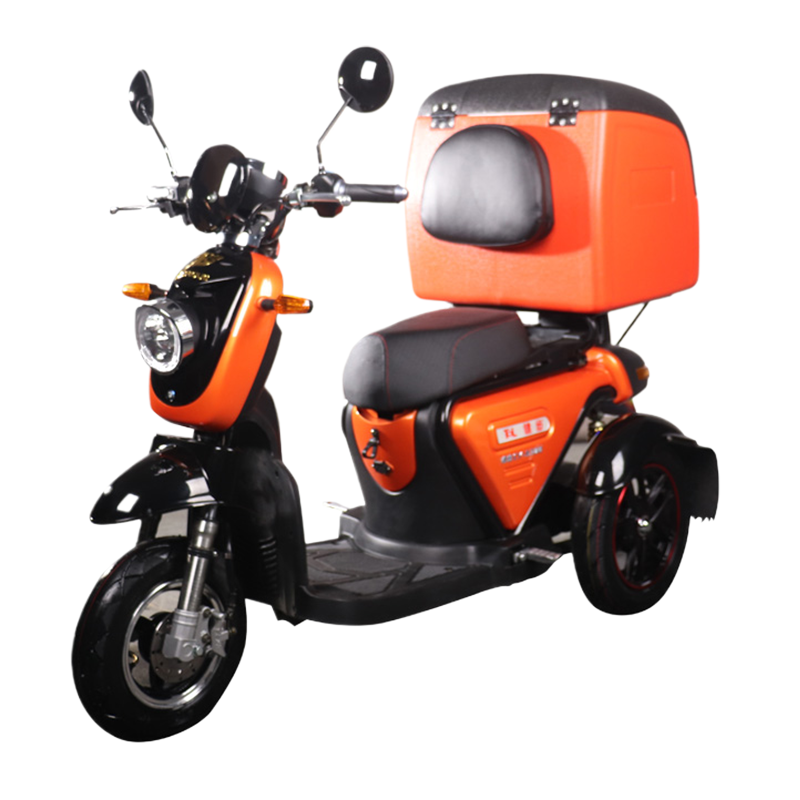
Solar-powered trikes are three-wheeled vehicles equipped with solar panels that harness sunlight to generate electricity. This electricity powers the trike's electric motor, allowing it to operate without relying on fossil fuels. With designs that prioritize efficiency and eco-friendliness, solar trikes are ideal for short-distance travel in urban environments, making them a practical option for daily commutes, deliveries, and leisure rides. Their unique structure often provides enhanced stability and storage capacity, making them suitable for a variety of users, including commuters, delivery services, and recreational riders.
Environmental Benefits of Solar-Powered Trikes
The transition to solar-powered trikes holds significant environmental benefits, contributing to a more sustainable future.
Reduction in Carbon Footprint
One of the most compelling reasons to adopt solar-powered trikes is their capacity to reduce greenhouse gas emissions. Conventional vehicles emit substantial amounts of carbon dioxide, a major contributor to climate change. In contrast, solar-powered trikes produce zero tailpipe emissions, effectively lowering the carbon footprint of transportation. By transitioning from traditional vehicles to solar trikes, individuals and communities can collectively make a considerable impact on air quality and climate health.
Sustainable Energy Source
Solar energy is a renewable resource, abundant and accessible in many regions. Solar-powered trikes utilize this clean energy source, making them a sustainable alternative to fossil fuel-powered vehicles. Unlike gasoline, which is finite and environmentally damaging, solar energy contributes to energy independence and security. By investing in solar technology for transportation, we encourage a shift toward renewable energy solutions, promoting a more sustainable lifestyle.
Economic Benefits of Solar-Powered Trikes
Beyond environmental impacts, solar-powered trikes also present significant economic advantages.
Cost Savings on Fuel and Maintenance
Operating a solar-powered trike can lead to substantial savings. Traditional vehicles require regular fuel purchases, which can accumulate over time. In contrast, solar trikes derive energy from sunlight, reducing costs related to fuel consumption to nearly zero. Furthermore, electric motors typically require less maintenance than internal combustion engines, which can lead to further cost reductions. This economical approach to transportation makes solar trikes an attractive option for individuals and businesses alike.
Job Creation in the Green Sector
The rise of solar-powered trikes can stimulate job creation within the green technology sector. As demand for these vehicles grows, opportunities for manufacturing, maintenance, and service emerge. Investing in solar technology and infrastructure can contribute to local economies, providing jobs that support families and communities while promoting environmentally responsible practices.
Social Benefits of Solar-Powered Trikes
In addition to economic and environmental advantages, solar-powered trikes offer various social benefits that enhance community well-being.
Enhanced Mobility for Communities
Many urban areas face challenges related to transportation accessibility. Solar-powered trikes provide a flexible and affordable mode of transport, particularly for individuals who may have limited access to traditional vehicles. This enhanced mobility can facilitate greater participation in the workforce, improve access to education, and foster social inclusion. Local governments can promote solar trikes as part of a broader public transport strategy, creating a more interconnected and accessible urban environment.
Improved Quality of Life
The adoption of solar-powered trikes contributes to improved overall quality of life. Reduced traffic congestion and pollution lead to healthier living conditions, promoting physical and mental well-being among residents. Furthermore, the unique design of trikes often encourages leisurely travel, providing users with an enjoyable way to explore their communities. As solar trikes become more prevalent, they can cultivate a sense of community among users, fostering social interactions and engagement.
Case Studies: Successful Implementation
Several cities worldwide have embraced solar-powered trikes as part of their transportation solutions, showcasing their potential benefits.
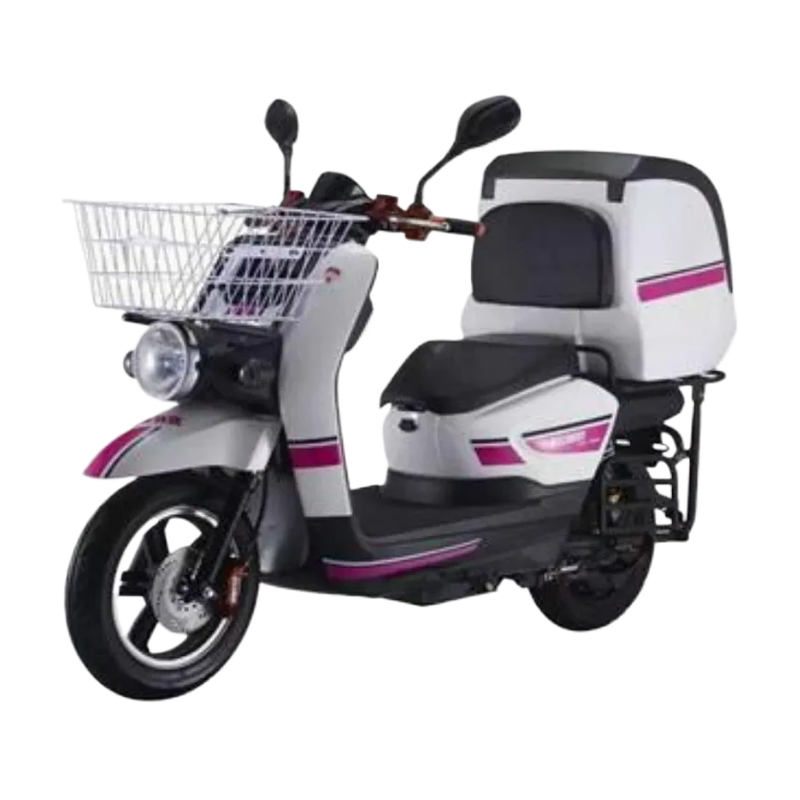
One notable example is the integration of solar trikes in urban delivery services. In cities such as Amsterdam, companies have successfully utilized solar-powered trikes for last-mile deliveries, significantly reducing carbon emissions and traffic congestion. By harnessing solar energy, businesses can provide eco-friendly delivery services while cutting operational costs. These case studies highlight the practicality of solar trikes in various applications, reinforcing their role in eco-friendly transportation.
The Future of Solar-Powered Trikes
As technology advances, the future of solar-powered trikes looks promising. Innovations in solar panel efficiency and battery technology will likely enhance the performance and affordability of these vehicles. Moreover, increased public awareness of sustainability issues will drive demand for greener transportation options. Policymakers and urban planners should prioritize the development of infrastructure to support solar trikes, such as dedicated lanes, charging stations, and incentives for users. By creating a supportive ecosystem, we can accelerate the adoption of solar trikes, paving the way for a cleaner, more sustainable future.
Frequently Asked Questions
1. How do solar-powered trikes work?
Solar-powered trikes utilize solar panels to capture sunlight, converting it into electricity that powers an electric motor. This allows the trike to operate without relying on fossil fuels.
2. What are the advantages of using solar-powered trikes over traditional vehicles?
Solar-powered trikes produce zero emissions, offer significant cost savings on fuel and maintenance, and contribute to job creation in the green sector. They also enhance mobility and improve quality of life in urban communities.
3. Are solar-powered trikes suitable for long-distance travel?
While solar trikes are primarily designed for short-distance travel and urban commutes, advancements in battery technology may soon increase their range, making them suitable for longer trips.
4. Can solar-powered trikes be used for commercial purposes?
Yes, many businesses have successfully integrated solar-powered trikes into their delivery and logistics operations, reducing costs and minimizing their environmental impact.
5. What is the future of solar-powered trikes in urban transportation?
The future looks bright for solar-powered trikes as technology continues to improve and urban areas prioritize sustainable transportation solutions. Increased public awareness and supportive infrastructure will drive their adoption.
Conclusion
Solar-powered trikes represent a transformative approach to eco-friendly transportation. By harnessing the power of the sun, these innovative vehicles offer a sustainable, cost-effective, and socially beneficial alternative to traditional fossil fuel-powered modes of transport. With their potential to reduce carbon emissions, lower operational costs, and enhance community mobility, solar trikes can significantly contribute to a greener future. As urban centers continue to grapple with the challenges of congestion and pollution, the widespread adoption of solar-powered trikes may be the key to unlocking sustainable urban mobility solutions. With ongoing advancements in technology and increased public support, the future of solar-powered trikes is not just promising; it is essential for building a sustainable world.


Recommended Reading
CONTACT
Phone Number : +86 512 6510 8165
Mobile Phone : +86 13771670476
Email : info@lexsongmoto.com
Office : Room 504, No.1 Building of Western Tower, Jiarui Mansion, No.400 Suzhou Ave. East, Industrial Park, Suzhou City, Jiangsu Province, China
Factory : B4 Chaoyang Industrial Square, Caohu Street, Suzhou City, Jiangsu Province, China

Apply to become an agent
Get exclusive discounts, product updates, and expert advice tailored specifically for you!