

The Urban Electric Bike Revolution: A Sustainable Solution for City Commuting
08/02
2026
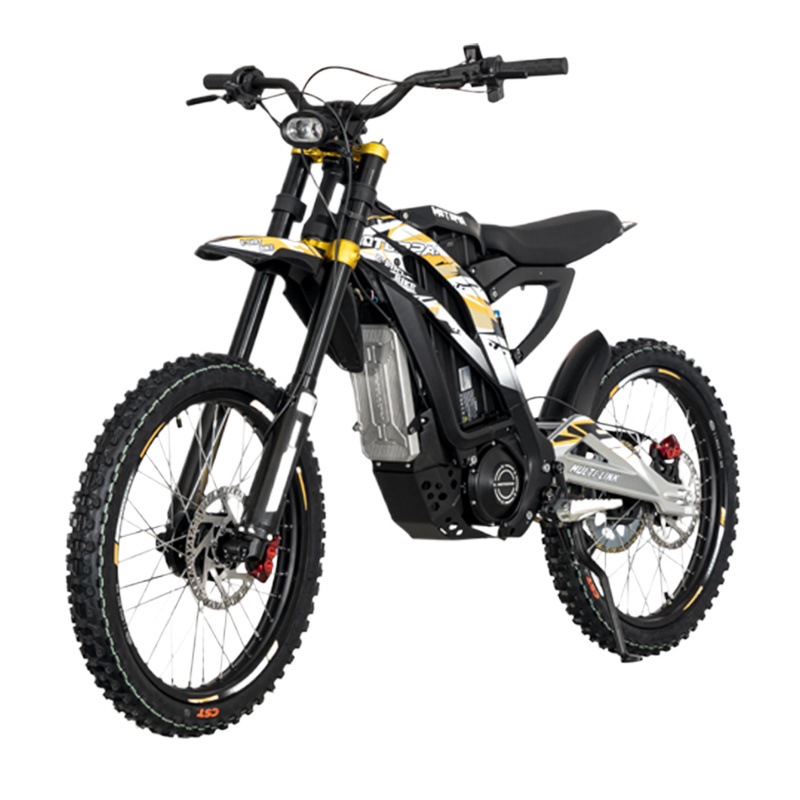
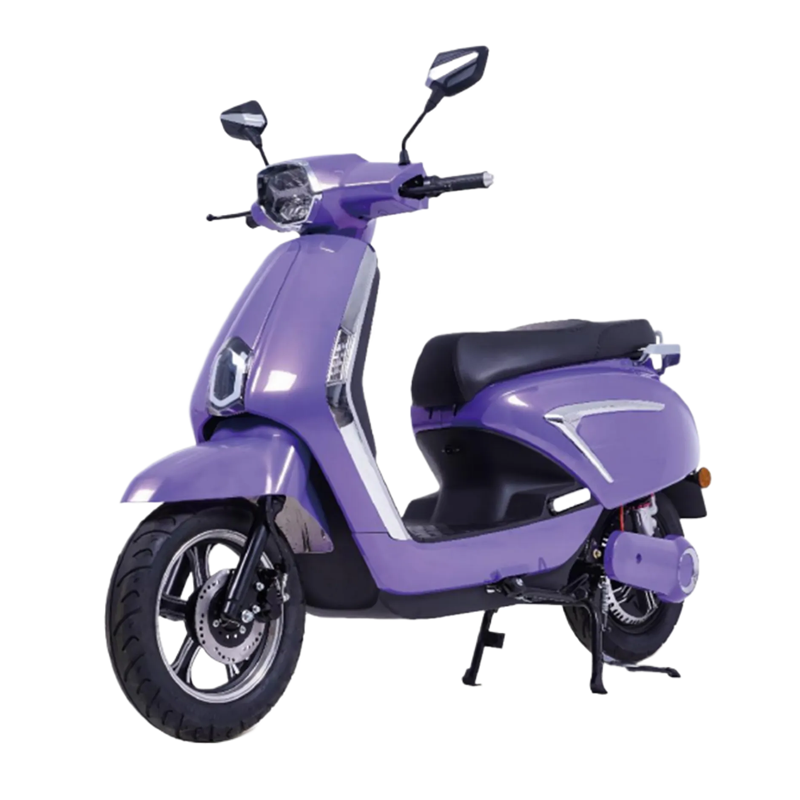
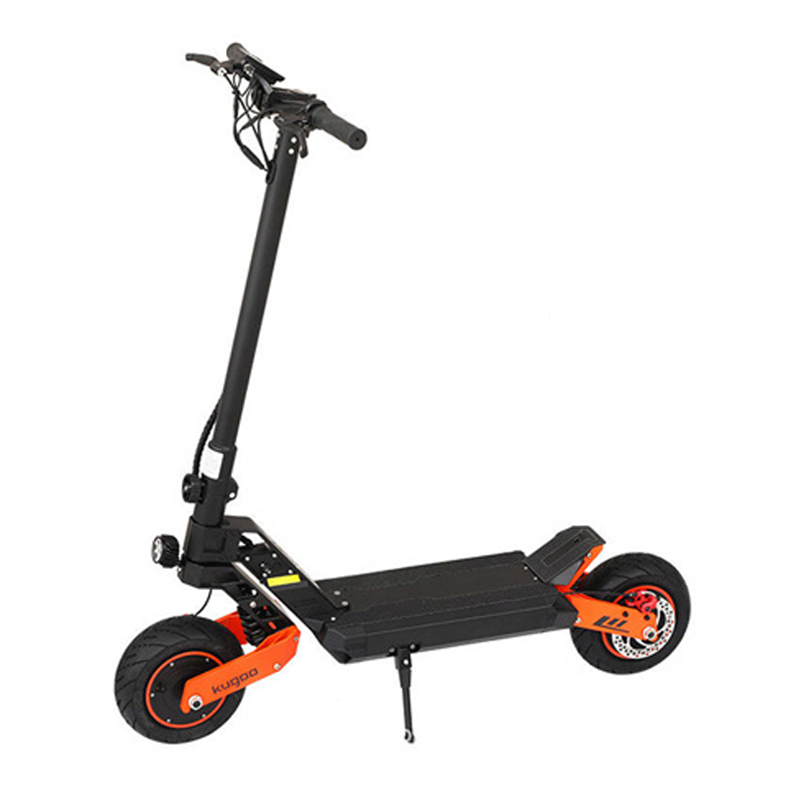
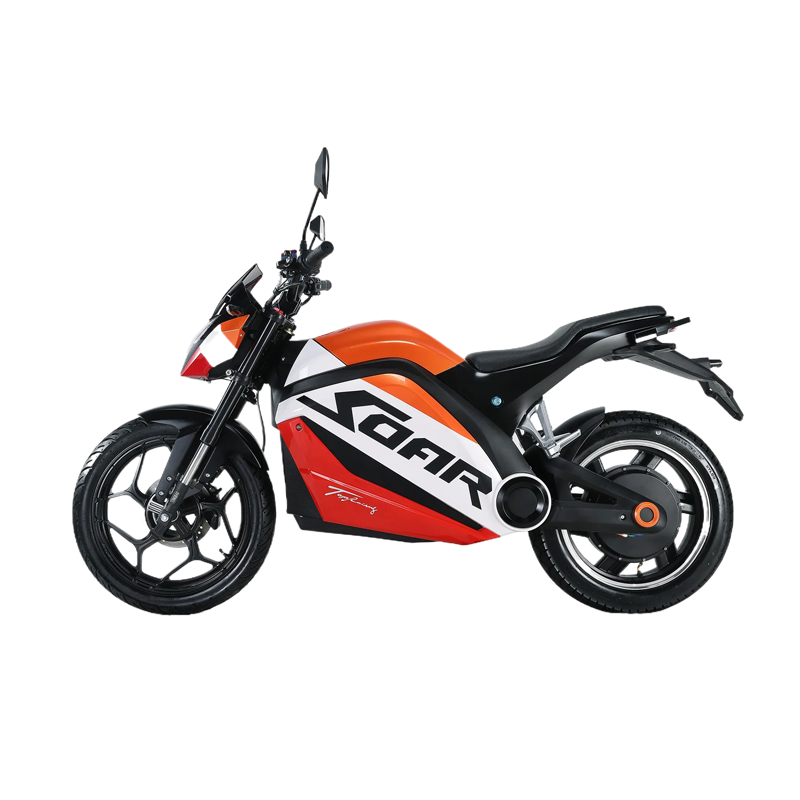
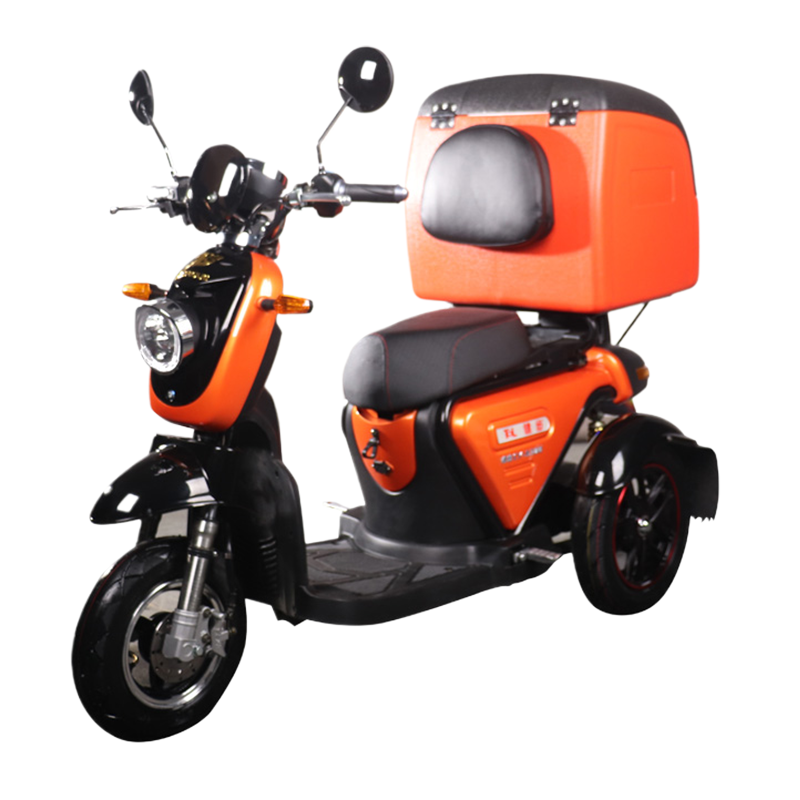
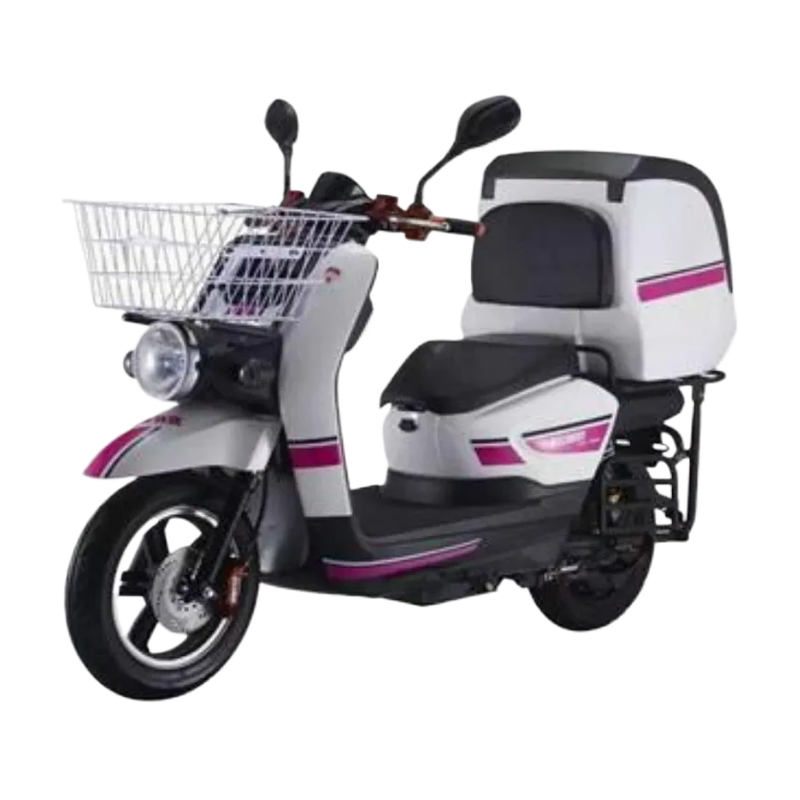
Urban electric bikes, often referred to as e-bikes, have taken center stage in the discussion surrounding sustainable urban transportation. As cities become more congested and pollution levels rise, the need for efficient and eco-friendly commuting solutions has never been more pressing. Urban electric bikes are designed to address these challenges by offering a practical alternative to traditional modes of transportation.
One of the main advantages of urban electric bikes is their ability to navigate through traffic with ease. Unlike cars, e-bikes can often maneuver through narrow streets and crowded areas more effectively, allowing riders to reach their destinations faster. This efficiency is particularly beneficial in densely populated urban environments, where time spent in traffic can be frustrating and counterproductive.
In addition to saving time, urban electric bikes are also an environmentally friendly option. With concerns about climate change and air quality becoming increasingly prominent, e-bikes present a greener alternative to gas-powered vehicles. By opting for an electric bike, commuters can significantly reduce their carbon footprint while contributing to cleaner air in their communities. Many urban electric bikes are powered by rechargeable batteries, which means that as technology improves, the energy efficiency and sustainability of these vehicles are likely to enhance as well.
Another notable feature of urban electric bikes is their versatility. They cater to various types of riders, from casual commuters to fitness enthusiasts. Many models come equipped with pedal-assist technology, which helps riders maintain a comfortable pace without excessive effort. This feature is particularly advantageous for those who may have physical limitations or who are not accustomed to long-distance cycling. As a result, urban electric bikes are accessible to a broader audience, promoting inclusivity in urban transportation.
Cost savings is another aspect worth mentioning. While initial investment costs may be higher than traditional bicycles, the ongoing expenses associated with urban electric bikes are typically lower than those of cars or public transportation. Riders can save on fuel, parking fees, and even maintenance costs over time. Furthermore, many cities offer incentives for using electric vehicles, which can further reduce the overall investment.
Lastly, safety features in urban electric bikes have also seen improvements, with many models incorporating lights, reflectors, and enhanced braking systems. This focus on safety is crucial, considering the potential hazards of urban commuting.
In conclusion, urban electric bikes are not just a trend; they represent a significant shift towards sustainable commuting solutions. With their ability to alleviate traffic congestion, reduce environmental impact, and offer a range of features that enhance safety and accessibility, e-bikes are poised to become a key component of urban transportation in the years to come. Embracing this innovative mode of transport could help foster healthier cities and happier commuters, making it a win-win for everyone involved.
One of the main advantages of urban electric bikes is their ability to navigate through traffic with ease. Unlike cars, e-bikes can often maneuver through narrow streets and crowded areas more effectively, allowing riders to reach their destinations faster. This efficiency is particularly beneficial in densely populated urban environments, where time spent in traffic can be frustrating and counterproductive.
In addition to saving time, urban electric bikes are also an environmentally friendly option. With concerns about climate change and air quality becoming increasingly prominent, e-bikes present a greener alternative to gas-powered vehicles. By opting for an electric bike, commuters can significantly reduce their carbon footprint while contributing to cleaner air in their communities. Many urban electric bikes are powered by rechargeable batteries, which means that as technology improves, the energy efficiency and sustainability of these vehicles are likely to enhance as well.
Another notable feature of urban electric bikes is their versatility. They cater to various types of riders, from casual commuters to fitness enthusiasts. Many models come equipped with pedal-assist technology, which helps riders maintain a comfortable pace without excessive effort. This feature is particularly advantageous for those who may have physical limitations or who are not accustomed to long-distance cycling. As a result, urban electric bikes are accessible to a broader audience, promoting inclusivity in urban transportation.
Cost savings is another aspect worth mentioning. While initial investment costs may be higher than traditional bicycles, the ongoing expenses associated with urban electric bikes are typically lower than those of cars or public transportation. Riders can save on fuel, parking fees, and even maintenance costs over time. Furthermore, many cities offer incentives for using electric vehicles, which can further reduce the overall investment.
Lastly, safety features in urban electric bikes have also seen improvements, with many models incorporating lights, reflectors, and enhanced braking systems. This focus on safety is crucial, considering the potential hazards of urban commuting.
In conclusion, urban electric bikes are not just a trend; they represent a significant shift towards sustainable commuting solutions. With their ability to alleviate traffic congestion, reduce environmental impact, and offer a range of features that enhance safety and accessibility, e-bikes are poised to become a key component of urban transportation in the years to come. Embracing this innovative mode of transport could help foster healthier cities and happier commuters, making it a win-win for everyone involved.


Recommended Reading
CONTACT
Phone Number : +86 512 6510 8165
Mobile Phone : +86 13771670476
Email : info@lexsongmoto.com
Office : Room 504, No.1 Building of Western Tower, Jiarui Mansion, No.400 Suzhou Ave. East, Industrial Park, Suzhou City, Jiangsu Province, China
Factory : B4 Chaoyang Industrial Square, Caohu Street, Suzhou City, Jiangsu Province, China

Apply to become an agent
Get exclusive discounts, product updates, and expert advice tailored specifically for you!