

Exploring the Potential of Two-Wheeled Electric Vehicles in the Motorcycle Industry
09/07
2026
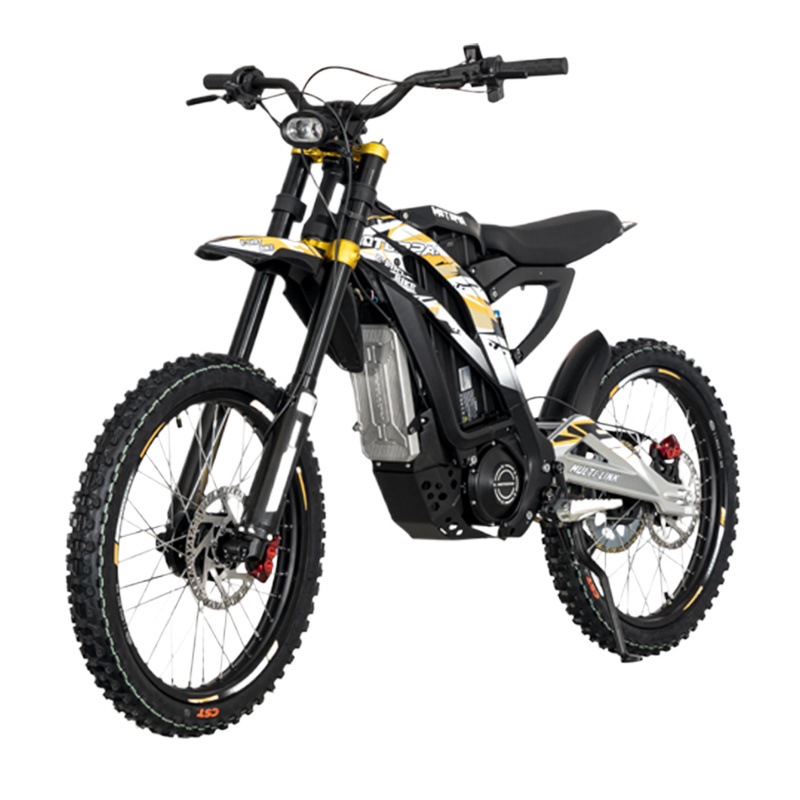
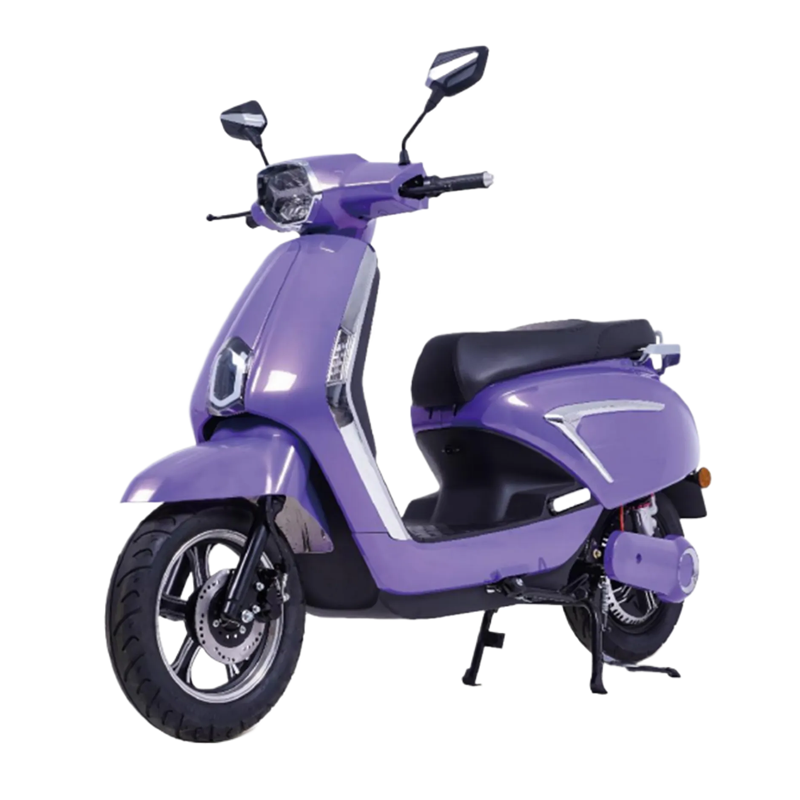
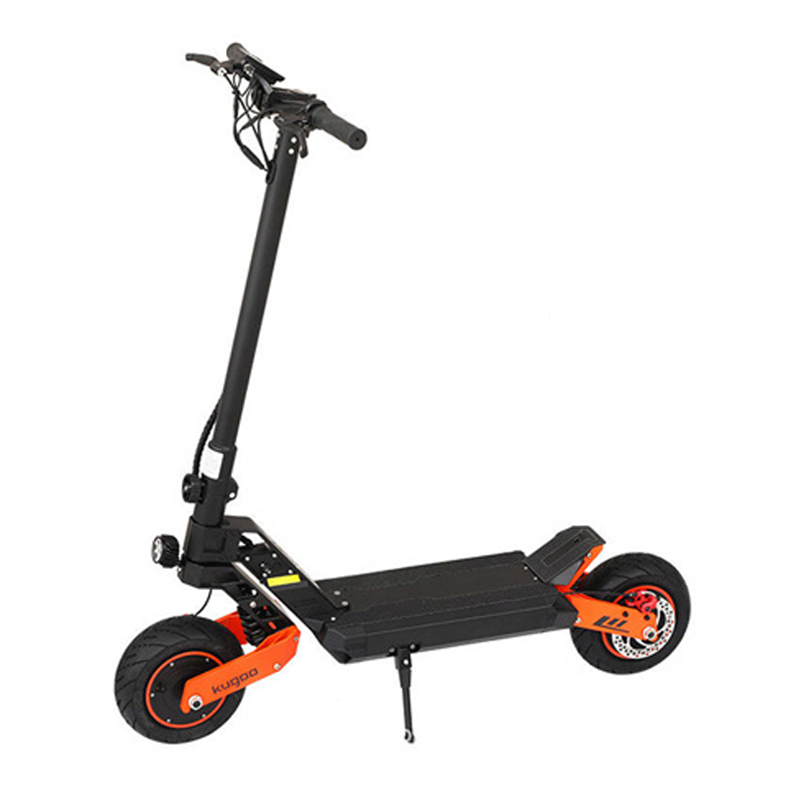
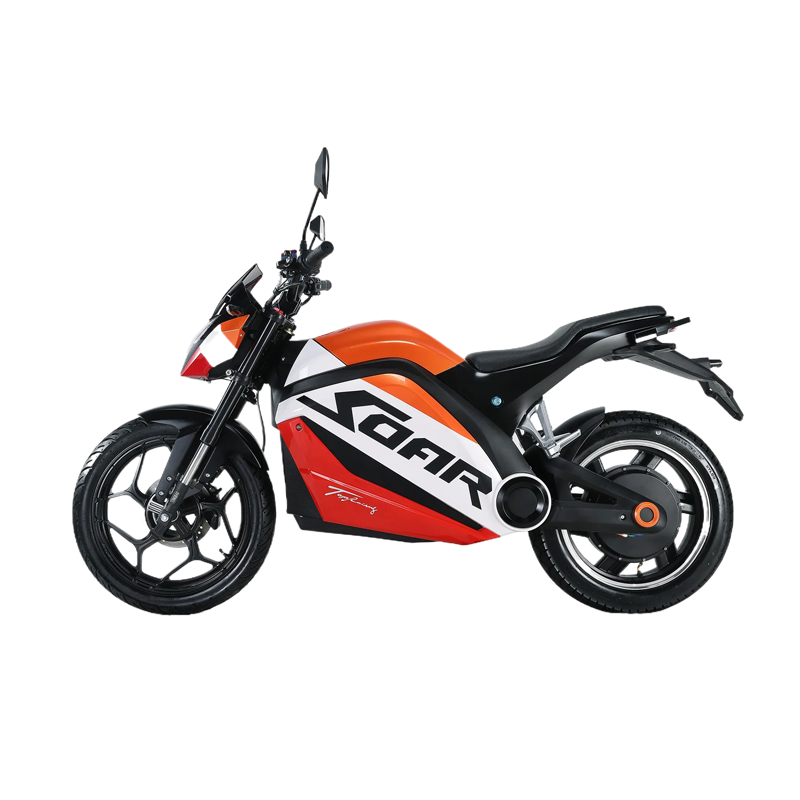
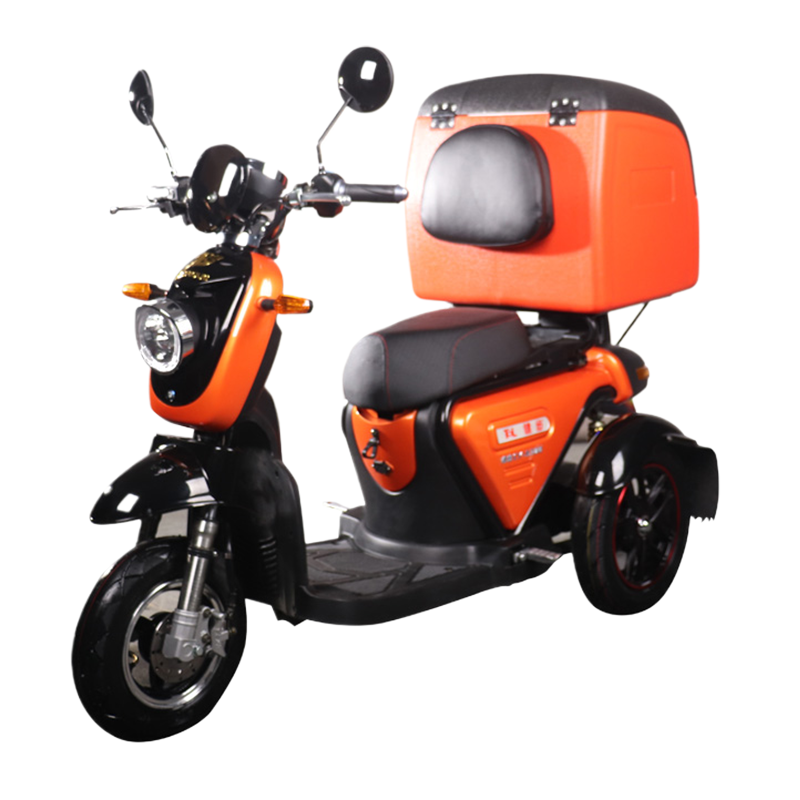
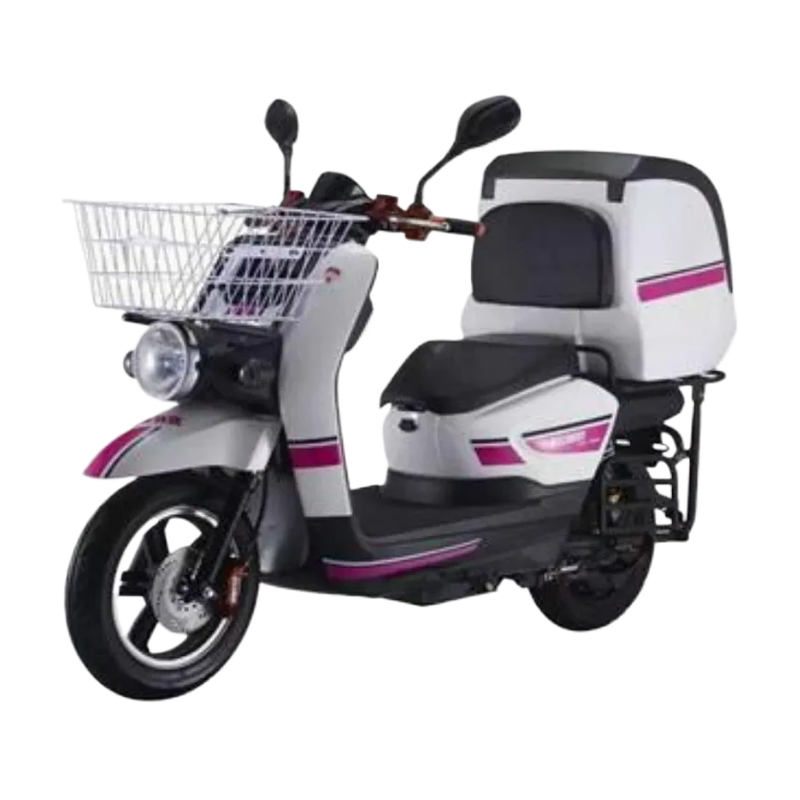
Two-wheeled electric vehicles (EVs) are rapidly gaining traction in the motorcycle industry, driven by advancements in technology, increasing environmental awareness, and changing consumer demands. These electric motorcycles offer a range of benefits that traditional internal combustion engine motorcycles cannot compete with, making them a compelling option for both new riders and seasoned enthusiasts alike.
One of the most significant advantages of two-wheeled electric vehicles is their environmental impact. Unlike conventional motorcycles that emit harmful pollutants, electric motorcycles produce zero tailpipe emissions, contributing to cleaner air and a reduction in greenhouse gases. This shift towards sustainable transportation is particularly appealing to environmentally conscious consumers and aligns with global efforts to combat climate change. As cities increasingly implement stricter emissions regulations, the demand for electric motorcycles is expected to rise.
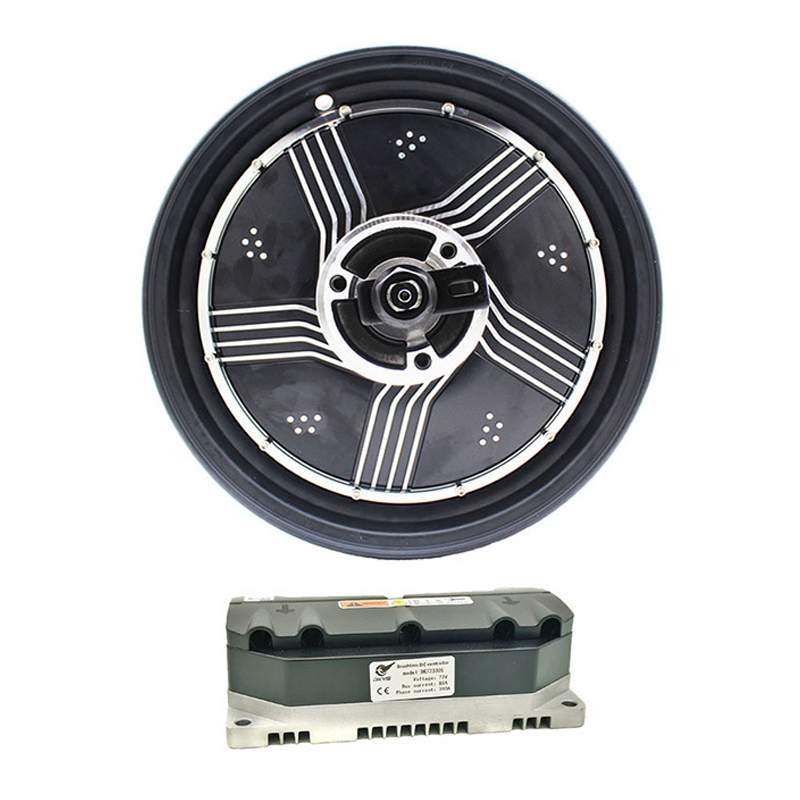
From a technological standpoint, two-wheeled electric vehicles have made remarkable strides in recent years. Modern electric motorcycles are often equipped with high-capacity lithium-ion batteries, allowing for greater range and improved performance. Many electric motorcycles now offer ranges that can exceed 100 miles on a single charge, making them viable for both urban commuting and longer trips. Additionally, advancements in regenerative braking systems help to extend battery life and enhance overall efficiency.
The performance of two-wheeled electric vehicles also deserves attention. Electric motors provide instant torque, enabling electric motorcycles to accelerate quickly and smoothly. This characteristic can enhance the overall riding experience, making it an appealing option for riders who value performance. Furthermore, the reduced number of moving parts in electric motorcycles leads to lower maintenance costs and fewer mechanical failures, which can be advantageous for both individual riders and fleet operators.
Consumer preferences are also shifting, with more riders open to exploring electric options. The growing availability of charging infrastructures, including charging stations in urban areas and along highways, further enhances the appeal of electric motorcycles. Additionally, many manufacturers are investing in innovative designs and features tailored to meet the needs of today’s riders, from smart connectivity options to customizable riding modes.
In conclusion, two-wheeled electric vehicles are poised to transform the motorcycle industry by offering sustainable, efficient, and performance-oriented alternatives to traditional motorcycles. As technology continues to advance and consumer acceptance grows, the future of electric motorcycles looks promising. The integration of these vehicles into the market not only presents new opportunities for riders but also contributes positively to the environment, promoting a greener and more sustainable mode of transportation.
One of the most significant advantages of two-wheeled electric vehicles is their environmental impact. Unlike conventional motorcycles that emit harmful pollutants, electric motorcycles produce zero tailpipe emissions, contributing to cleaner air and a reduction in greenhouse gases. This shift towards sustainable transportation is particularly appealing to environmentally conscious consumers and aligns with global efforts to combat climate change. As cities increasingly implement stricter emissions regulations, the demand for electric motorcycles is expected to rise.
From a technological standpoint, two-wheeled electric vehicles have made remarkable strides in recent years. Modern electric motorcycles are often equipped with high-capacity lithium-ion batteries, allowing for greater range and improved performance. Many electric motorcycles now offer ranges that can exceed 100 miles on a single charge, making them viable for both urban commuting and longer trips. Additionally, advancements in regenerative braking systems help to extend battery life and enhance overall efficiency.
The performance of two-wheeled electric vehicles also deserves attention. Electric motors provide instant torque, enabling electric motorcycles to accelerate quickly and smoothly. This characteristic can enhance the overall riding experience, making it an appealing option for riders who value performance. Furthermore, the reduced number of moving parts in electric motorcycles leads to lower maintenance costs and fewer mechanical failures, which can be advantageous for both individual riders and fleet operators.
Consumer preferences are also shifting, with more riders open to exploring electric options. The growing availability of charging infrastructures, including charging stations in urban areas and along highways, further enhances the appeal of electric motorcycles. Additionally, many manufacturers are investing in innovative designs and features tailored to meet the needs of today’s riders, from smart connectivity options to customizable riding modes.
In conclusion, two-wheeled electric vehicles are poised to transform the motorcycle industry by offering sustainable, efficient, and performance-oriented alternatives to traditional motorcycles. As technology continues to advance and consumer acceptance grows, the future of electric motorcycles looks promising. The integration of these vehicles into the market not only presents new opportunities for riders but also contributes positively to the environment, promoting a greener and more sustainable mode of transportation.


Recommended Reading
CONTACT
Phone Number : +86 512 6510 8165
Mobile Phone : +86 13771670476
Email : info@lexsongmoto.com
Office : Room 504, No.1 Building of Western Tower, Jiarui Mansion, No.400 Suzhou Ave. East, Industrial Park, Suzhou City, Jiangsu Province, China
Factory : B4 Chaoyang Industrial Square, Caohu Street, Suzhou City, Jiangsu Province, China

Apply to become an agent
Get exclusive discounts, product updates, and expert advice tailored specifically for you!