
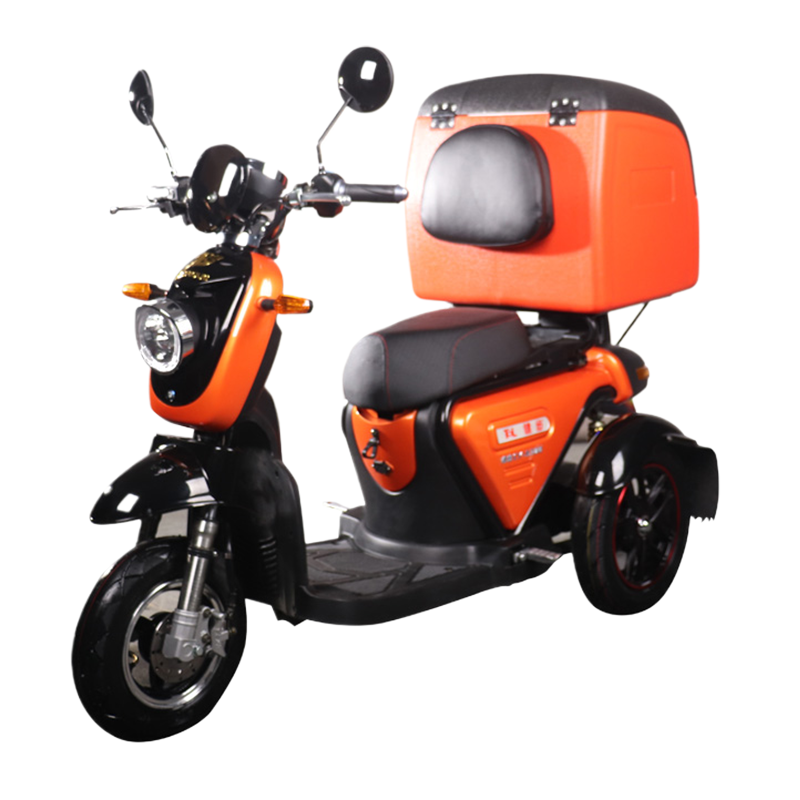
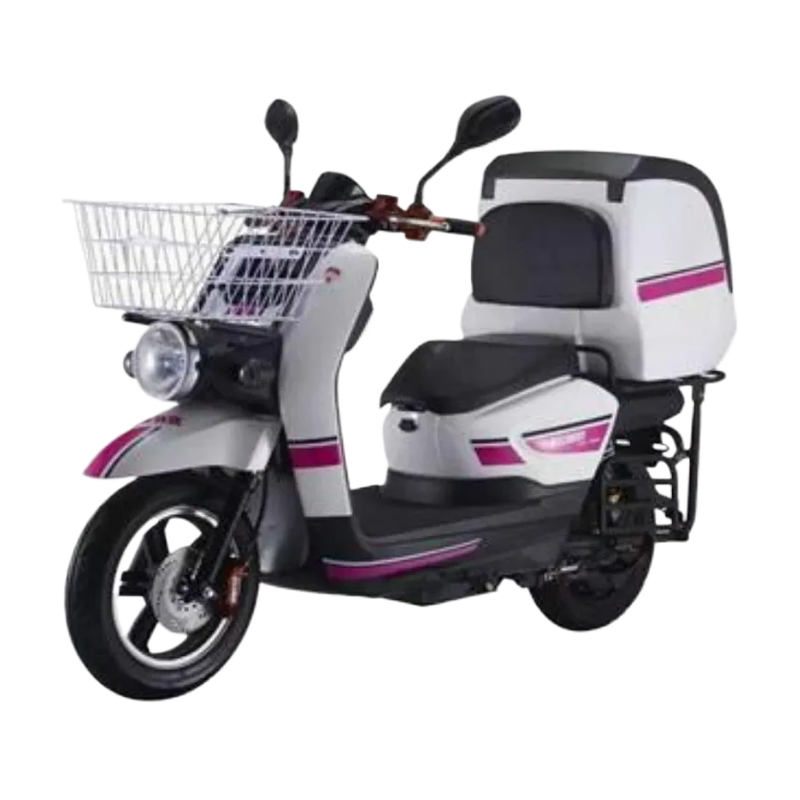
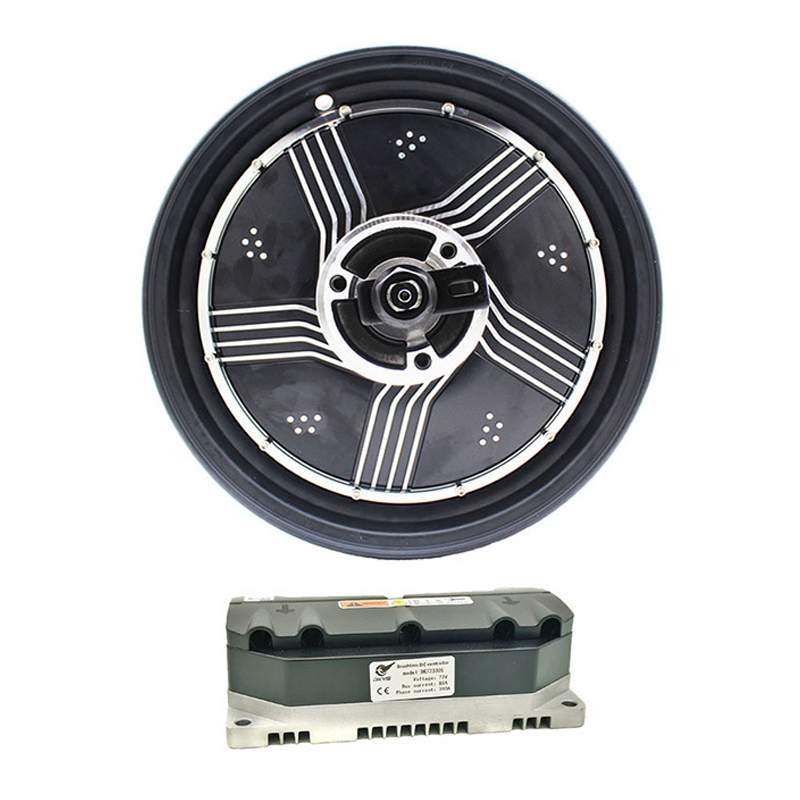

Why Electric Two-Wheelers Are the Future of Urban Transportation
07/31
2026
Why Electric Two-Wheelers Are the Future of Urban Transportation
Table of Contents
- Introduction: The Shift Towards Electric Mobility
- Environmental Impact of Electric Two-Wheelers
- Cost Efficiency: Savings Over Time
- Technological Advancements in Electric Two-Wheelers
- Urban Planning and Policy for Electric Mobility
- Enhanced User Experience: Comfort and Convenience
- Challenges and Solutions to Adoption
- Conclusion: A Sustainable Future
- Frequently Asked Questions
Introduction: The Shift Towards Electric Mobility
As urban populations continue to swell, cities around the globe are grappling with increasing traffic congestion, pollution, and the overall sustainability of their transportation systems. Amidst these challenges, **electric two-wheelers** have emerged as a revolutionary solution, poised to redefine urban mobility. With their ability to reduce carbon footprints and alleviate congestion, electric two-wheelers are not merely a trend; they represent the future of transportation in densely populated areas.
Environmental Impact of Electric Two-Wheelers
The environmental benefits of electric two-wheelers are profound. Traditional gasoline-powered vehicles emit harmful pollutants that contribute to **air quality deterioration** and climate change. In contrast, electric two-wheelers produce zero tailpipe emissions, significantly reducing urban air pollution.
Reducing Carbon Footprint
Switching to electric two-wheelers can substantially lower **carbon dioxide emissions**. For every mile traveled, electric scooters and motorcycles can save up to 60% more energy compared to their gasoline counterparts. This reduction in emissions plays a critical role in combating climate change and improving public health.
Noise Pollution Reduction
Beyond air quality, electric two-wheelers also mitigate **noise pollution**. The quiet operation of electric engines leads to a more serene urban environment, enhancing the quality of life for residents and making cities more attractive for tourism.
Cost Efficiency: Savings Over Time
The financial advantages of electric two-wheelers extend beyond the initial purchase price. While the upfront cost can be higher than traditional motorcycles, owners quickly realize savings in fuel and maintenance.
Lower Fuel Costs
Electric two-wheelers can be charged at home, often for just a fraction of the cost of gasoline. Depending on local electricity rates, the cost per mile for operating an electric two-wheeler can be substantially lower than that of a gas-powered bike.
Maintenance Savings
Electric two-wheelers have fewer moving parts than traditional motorcycles, resulting in lower maintenance costs. Owners benefit from reduced expenses related to oil changes, brake replacements, and other routine services.
Technological Advancements in Electric Two-Wheelers
The technological landscape of electric two-wheelers is evolving rapidly, making them more appealing and efficient.
Battery Technology
One of the most significant advancements is in battery technology. Modern electric two-wheelers are equipped with high-capacity lithium-ion batteries that provide longer ranges and faster charging times. Many models now offer ranges exceeding 100 miles on a single charge, alleviating range anxiety for users.
Smart Features
Electric two-wheelers come loaded with various smart features such as GPS navigation, anti-theft systems, and smartphone connectivity. These technological enhancements not only improve user convenience but also contribute to **safety** on the road.
Urban Planning and Policy for Electric Mobility
As cities strive to become more sustainable, urban planning policies are increasingly focusing on electric mobility solutions. Governments are recognizing the necessity to facilitate the growth of electric two-wheelers.
Infrastructure Development
The development of charging stations is crucial for the widespread adoption of electric two-wheelers. Cities are beginning to invest in creating accessible charging infrastructures, which will encourage more users to make the switch.
Incentives and Regulations
Many governments offer incentives, such as tax rebates and subsidies, to promote the purchase of electric vehicles. Implementing regulations that favor electric two-wheelers over traditional vehicles can accelerate the transition toward a cleaner urban transportation model.
Enhanced User Experience: Comfort and Convenience
Electric two-wheelers not only serve as a means of transportation but also prioritize user experience, making them a preferred choice among commuters.
Ease of Use and Maneuverability
Electric two-wheelers are lightweight and easy to operate, making them particularly suitable for urban environments where traffic congestion is commonplace. They can navigate through tight spaces and offer a level of agility that larger vehicles cannot match.
Environmental Consciousness
Many urban dwellers are becoming more environmentally conscious, seeking ways to reduce their ecological impact. By choosing electric two-wheelers, they align their commuting habits with their values, contributing to a greener planet.
Challenges and Solutions to Adoption
Despite the numerous benefits, the adoption of electric two-wheelers faces several challenges.
Range Anxiety
Although advancements in battery technology have improved range, range anxiety remains an issue for potential users. Education and awareness campaigns can help alleviate these concerns by informing users about the typical range of modern electric two-wheelers.
Initial Investment Costs
The upfront costs of electric two-wheelers can deter some consumers. Financial incentives from governments and manufacturers can help offset these costs, making electric models more accessible.
Conclusion: A Sustainable Future
As we navigate the complexities of urban transportation, electric two-wheelers offer a sustainable and practical solution to the myriad challenges our cities face. From their **environmental benefits** and cost savings to their technological advancements and enhanced user experiences, electric two-wheelers are set to play a pivotal role in shaping the future of urban mobility.
By investing in infrastructure and encouraging policies that support electric two-wheelers, cities can pave the way for cleaner, quieter, and more efficient transportation systems. The future is electric, and two-wheelers are leading the charge.
Frequently Asked Questions
1. What is the average range of electric two-wheelers?
The average range of electric two-wheelers varies by model, but many can achieve ranges of 50 to 100 miles on a single charge.
2. How long does it take to charge an electric two-wheeler?
Charging times depend on the battery capacity and the charging station's output. Most electric two-wheelers can be fully charged in 4 to 8 hours.
3. Are electric two-wheelers more expensive than gasoline models?
While they may have a higher upfront cost, electric two-wheelers often save owners money in fuel and maintenance over time.
4. What are the environmental benefits of electric two-wheelers?
Electric two-wheelers produce zero tailpipe emissions, reducing air pollution and contributing to lower greenhouse gas emissions.
5. Are there government incentives for purchasing electric two-wheelers?
Many governments offer financial incentives such as tax credits, rebates, or subsidies to encourage the adoption of electric vehicles, including two-wheelers.
By understanding the transformative potential of electric two-wheelers, we can foster a more sustainable future for urban transportation.


Recommended Reading
CONTACT
Phone Number : +86 512 6510 8165
Mobile Phone : +86 13771670476
Email : info@lexsongmoto.com
Office : Room 504, No.1 Building of Western Tower, Jiarui Mansion, No.400 Suzhou Ave. East, Industrial Park, Suzhou City, Jiangsu Province, China
Factory : B4 Chaoyang Industrial Square, Caohu Street, Suzhou City, Jiangsu Province, China

Apply to become an agent
Get exclusive discounts, product updates, and expert advice tailored specifically for you!