

Why Choosing the Right Electric Vehicle Controller Matters for Your Vehicle
02/07
2026
Why Choosing the Right Electric Vehicle Controller Matters for Your Vehicle
Understanding Electric Vehicle Controllers
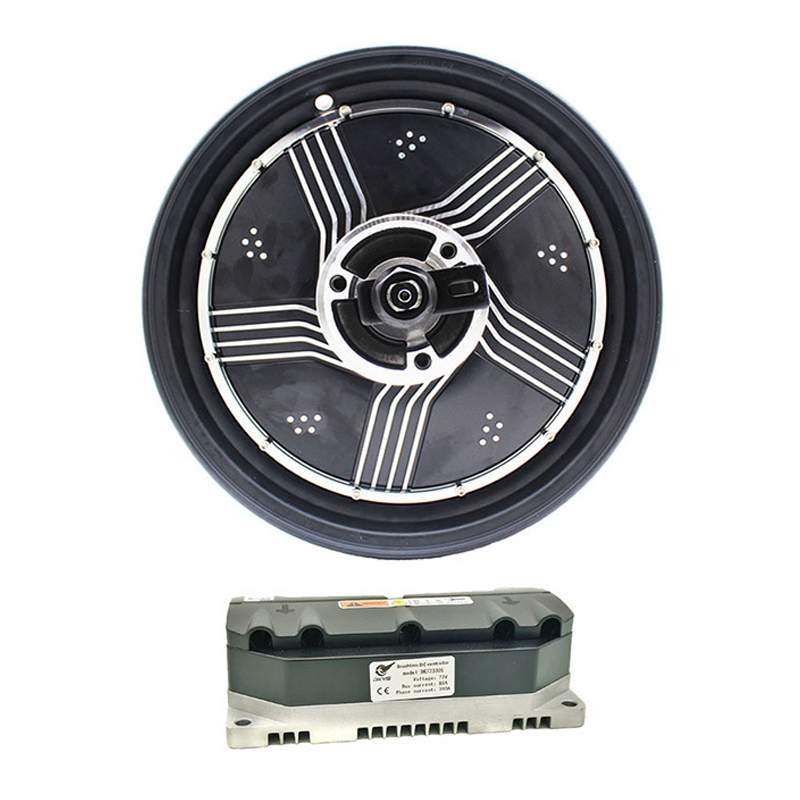
An electric vehicle controller is a crucial component that governs the flow of electricity from the battery to the electric motor. It acts as the brain of the vehicle, ensuring that power delivery is efficient and responsive to the driver's input. Selecting the appropriate controller can significantly affect your vehicle's performance, energy efficiency, and overall driving experience.
The Role of an Electric Vehicle Controller
Electric vehicle controllers manage several functions, including:
- Power Management: Regulates the energy supplied to the motor, ensuring optimal performance.
- Speed Control: Adjusts the motor's speed based on accelerator input, providing a smooth driving experience.
- Regenerative Braking: Helps recover energy during braking, extending battery life and enhancing efficiency.
- Diagnostics: Monitors system performance and alerts drivers to potential issues.
Types of Electric Vehicle Controllers
Understanding the different types of electric vehicle controllers is essential when making a choice. Here are some common types:
1. Brushless DC (BLDC) Controllers
These are among the most efficient controllers available. They work with brushless motors, providing high torque and reliability. BLDC controllers are favored for their durability and low maintenance requirements.
2. Field-Oriented Control (FOC) Controllers
FOC controllers offer superior performance in terms of torque and efficiency. They enable smooth control of the motor, making them ideal for applications requiring high precision and responsiveness.
3. Chopper Controllers
Chopper controllers modulate power supply frequency to manage motor speed. They are typically less efficient than BLDC and FOC controllers but can be effective for simpler applications.
Key Features to Consider When Choosing an Electric Vehicle Controller
Not all electric vehicle controllers are created equal. Here are crucial features to consider during your selection process:
1. Voltage Rating
Ensure that the controller's voltage rating matches your vehicle's battery system. Using an incompatible voltage can lead to poor performance or even damage.
2. Current Rating
The current rating determines how much power the controller can handle. A higher current rating allows for better performance, especially in high-demand situations.
3. Temperature Management
Controllers generate heat during operation. Choose a controller with robust thermal management features to prevent overheating and ensure longevity.
4. Communication Protocols
Modern controllers often support various communication protocols. Ensure compatibility with your vehicle's systems for optimal functionality.
5. Safety Features
Look for controllers with built-in safety features, such as overcurrent protection, thermal shutdown, and short-circuit protection. These features can safeguard your vehicle and enhance reliability.
Impact of Controller Choice on Vehicle Performance
The choice of an electric vehicle controller significantly affects various aspects of your vehicle’s performance. Here’s how:
1. Acceleration and Speed Control
A well-matched controller enhances acceleration and speed control, allowing for a more responsive driving experience. This is especially important in urban environments where quick responses are necessary.
2. Energy Efficiency
Controllers influence how efficiently your vehicle uses energy. An efficient controller can help maximize the distance you can travel on a single charge, reducing the frequency of charging stops.
3. Motor Longevity
Using the right controller can extend the life of your electric motor. Proper power delivery reduces strain on the motor, leading to less wear and tear over time.
4. Maintenance Requirements
The right controller can also reduce maintenance needs. Controllers that are easy to diagnose and troubleshoot can save time and money on repairs.
Choosing the Right Electric Vehicle Controller for Your Needs
Selecting the right electric vehicle controller involves assessing your specific needs and preferences. Here are some tips to guide you:
1. Assess Your Driving Habits
Consider how and where you drive your electric vehicle. If you frequently navigate steep hills or require rapid acceleration, opt for a controller that can handle those demands.
2. Consider Future Upgrades
If you plan to upgrade your vehicle in the future, choose a controller that is compatible with potential enhancements. This foresight can save you from having to replace the controller later.
3. Research Manufacturer Reputation
Look for controllers from reputable manufacturers known for quality and reliability. Customer reviews and expert opinions can provide valuable insights.
Common Misconceptions About Electric Vehicle Controllers
Several misconceptions exist regarding electric vehicle controllers. Here are a few clarifications:
1. All Controllers are the Same
This is false. Different controllers have varying features, capabilities, and efficiencies. Choosing the wrong one can lead to subpar performance.
2. Higher Cost Equals Better Quality
While price can be an indicator of quality, it’s not always the case. Evaluate features and compatibility rather than solely focusing on cost.
3. Controllers Require Frequent Upgrades
Quality controllers can last for years without needing an upgrade. However, advancements in technology may encourage you to consider updates for better performance.
FAQs About Electric Vehicle Controllers
1. What is the primary function of an electric vehicle controller?
The primary function of an electric vehicle controller is to manage the flow of electricity from the battery to the motor, ensuring optimal performance and efficiency.
2. How do I know if a controller is compatible with my vehicle?
Check the voltage and current ratings, as well as communication protocols. Consult the vehicle's manual or manufacturer's specifications for compatibility details.
3. Can I use a controller designed for a different type of motor?
Using a controller not designed for your specific motor type can lead to performance issues and potential damage. Always ensure compatibility.
4. What happens if I choose the wrong electric vehicle controller?
Choosing the wrong controller can result in poor performance, reduced efficiency, and even damage to the motor or battery systems.
5. Are there any maintenance requirements for electric vehicle controllers?
Electric vehicle controllers generally require minimal maintenance, but regular checks for overheating and ensuring all connections are secure can prolong their lifespan.
Conclusion
Choosing the right electric vehicle controller is paramount for maximizing your vehicle's performance, efficiency, and longevity. By understanding the various types of controllers, their key features, and the impact of your choice on driving experience, you can make an informed decision that aligns with your needs. Keep in mind the importance of compatibility, manufacturer reputation, and your driving habits when selecting a controller. By doing so, you will enhance not only your vehicle's performance but also your overall driving satisfaction.


Recommended Reading
CONTACT
Phone Number : +86 512 6510 8165
Mobile Phone : +86 13771670476
Email : info@lexsongmoto.com
Office : Room 504, No.1 Building of Western Tower, Jiarui Mansion, No.400 Suzhou Ave. East, Industrial Park, Suzhou City, Jiangsu Province, China
Factory : B4 Chaoyang Industrial Square, Caohu Street, Suzhou City, Jiangsu Province, China

Apply to become an agent
Get exclusive discounts, product updates, and expert advice tailored specifically for you!