

The Ultimate Guide to Choosing Between Road Bikes and Dirt Bikes
02/08
2026
When it comes to the world of two-wheel vehicles, understanding the distinctions between road bikes and dirt bikes is essential for both enthusiasts and professionals in the automotive and motorcycle industries. While both types of bikes offer unique riding experiences, they serve different purposes and excel in various environments.
Road bikes are designed primarily for speed and efficiency on paved surfaces. They feature lightweight frames, narrow tires, and an aerodynamic design to reduce drag, making them ideal for long-distance riding and commuting on city streets. Road bikes are equipped with gearing systems that allow for smooth gear transitions, enabling riders to maintain high speeds on flat terrains. For professionals in the automotive sector, knowing the importance of frame materials—such as aluminum, carbon fiber, or steel—can help in understanding how weight and performance are affected, which is crucial when advising clients on their purchases.
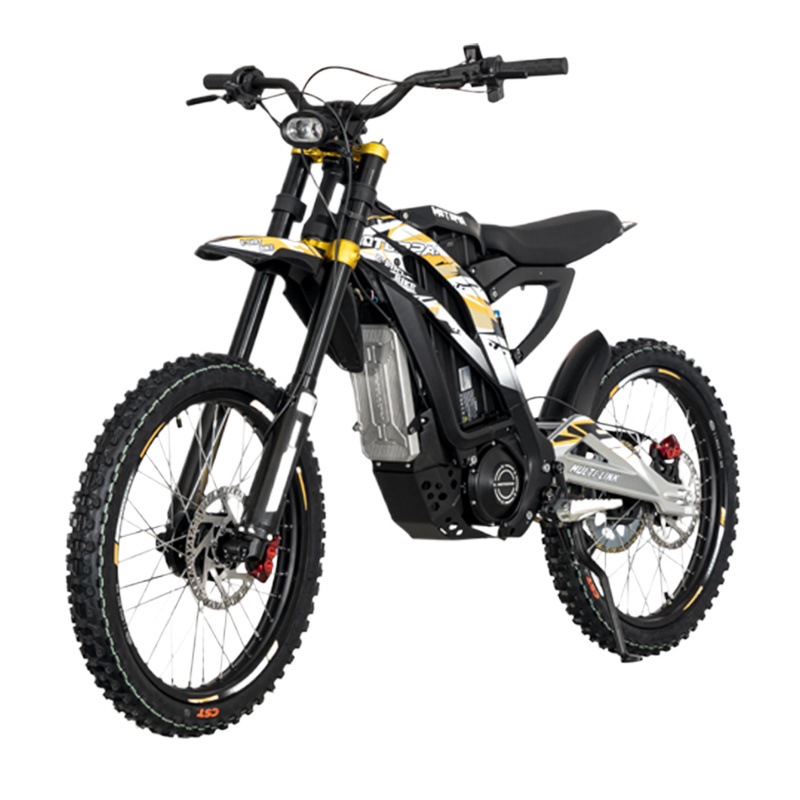
On the other hand, dirt bikes are built for rugged terrains and off-road adventures. With wider tires and robust suspension systems, these bikes provide better traction and stability on uneven surfaces, such as dirt trails, mud, and rocky paths. Dirt bikes feature taller seat heights and more powerful engines, enabling riders to navigate obstacles and steep inclines more effectively. For those in the field, it’s critical to understand the capabilities of dirt bikes, including their engine displacement and torque characteristics, which are vital for performance in challenging environments.
When advising clients who might be torn between a road bike and a dirt bike, it’s important to consider their intended use. If a customer seeks a bike for commuting and fitness on smooth roads, a road bike would be the optimal choice. Conversely, if they are interested in off-road excursions and the thrill of navigating unpaved trails, a dirt bike would be more suitable.
In addition to usage, maintenance requirements can vary significantly between the two types. Road bikes typically require regular tire pressure checks and brake adjustments, while dirt bikes often need more frequent servicing due to the harsher conditions they encounter. Understanding these maintenance nuances can empower professionals to provide valuable insights to their clients regarding ownership experience and potential long-term costs.
Ultimately, the choice between a road bike and a dirt bike will depend on the rider's lifestyle, preferences, and intended riding environment. By equipping yourself with knowledge about the characteristics of each type, you can better assist customers in making informed decisions that align with their riding aspirations. Whether they are a weekend adventurer or a daily commuter, understanding the nuances of road bikes and dirt bikes will enhance their riding experience and satisfaction.
Road bikes are designed primarily for speed and efficiency on paved surfaces. They feature lightweight frames, narrow tires, and an aerodynamic design to reduce drag, making them ideal for long-distance riding and commuting on city streets. Road bikes are equipped with gearing systems that allow for smooth gear transitions, enabling riders to maintain high speeds on flat terrains. For professionals in the automotive sector, knowing the importance of frame materials—such as aluminum, carbon fiber, or steel—can help in understanding how weight and performance are affected, which is crucial when advising clients on their purchases.
On the other hand, dirt bikes are built for rugged terrains and off-road adventures. With wider tires and robust suspension systems, these bikes provide better traction and stability on uneven surfaces, such as dirt trails, mud, and rocky paths. Dirt bikes feature taller seat heights and more powerful engines, enabling riders to navigate obstacles and steep inclines more effectively. For those in the field, it’s critical to understand the capabilities of dirt bikes, including their engine displacement and torque characteristics, which are vital for performance in challenging environments.
When advising clients who might be torn between a road bike and a dirt bike, it’s important to consider their intended use. If a customer seeks a bike for commuting and fitness on smooth roads, a road bike would be the optimal choice. Conversely, if they are interested in off-road excursions and the thrill of navigating unpaved trails, a dirt bike would be more suitable.
In addition to usage, maintenance requirements can vary significantly between the two types. Road bikes typically require regular tire pressure checks and brake adjustments, while dirt bikes often need more frequent servicing due to the harsher conditions they encounter. Understanding these maintenance nuances can empower professionals to provide valuable insights to their clients regarding ownership experience and potential long-term costs.
Ultimately, the choice between a road bike and a dirt bike will depend on the rider's lifestyle, preferences, and intended riding environment. By equipping yourself with knowledge about the characteristics of each type, you can better assist customers in making informed decisions that align with their riding aspirations. Whether they are a weekend adventurer or a daily commuter, understanding the nuances of road bikes and dirt bikes will enhance their riding experience and satisfaction.


Recommended Reading
CONTACT
Phone Number : +86 512 6510 8165
Mobile Phone : +86 13771670476
Email : info@lexsongmoto.com
Office : Room 504, No.1 Building of Western Tower, Jiarui Mansion, No.400 Suzhou Ave. East, Industrial Park, Suzhou City, Jiangsu Province, China
Factory : B4 Chaoyang Industrial Square, Caohu Street, Suzhou City, Jiangsu Province, China

Apply to become an agent
Get exclusive discounts, product updates, and expert advice tailored specifically for you!