

Unlocking the Future of Urban Mobility: Exploring the Best Electric Trikes for OEM Partnerships
10/05
2025
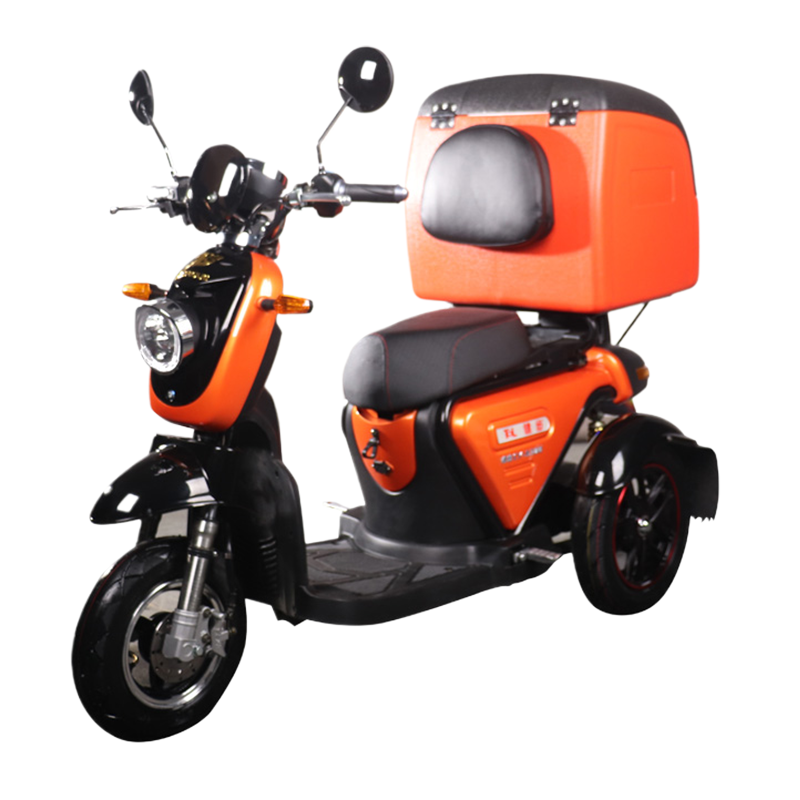
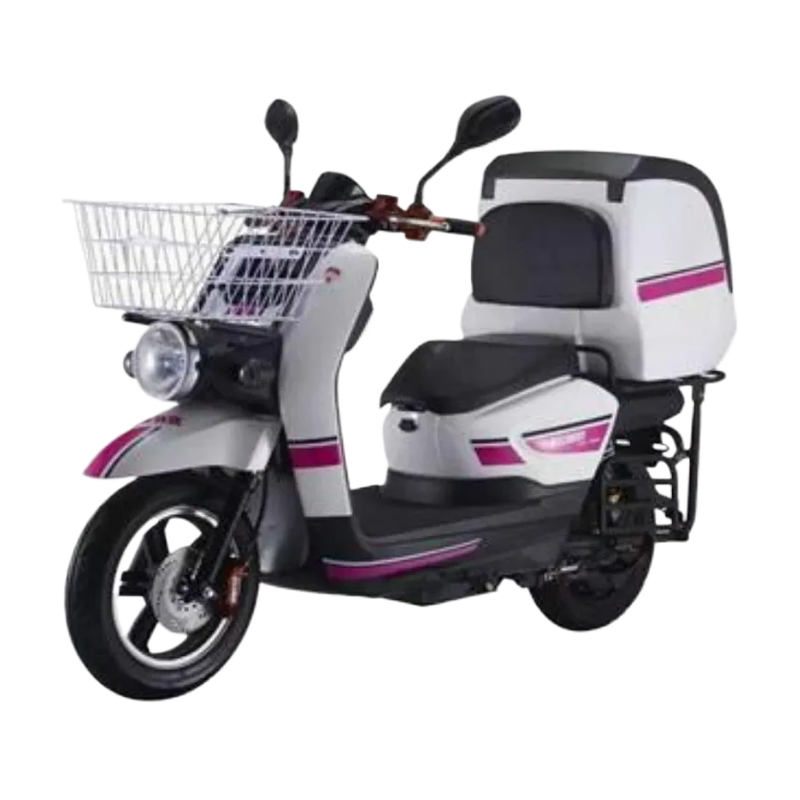
As the demand for sustainable transportation solutions continues to rise, electric trikes have emerged as a practical option for various applications, from personal commuting to commercial logistics. Understanding the best electric trikes available in the market can significantly benefit OEMs looking to expand their portfolio or improve their existing product lines.
When evaluating the best electric trikes for OEM purposes, several factors should be considered:
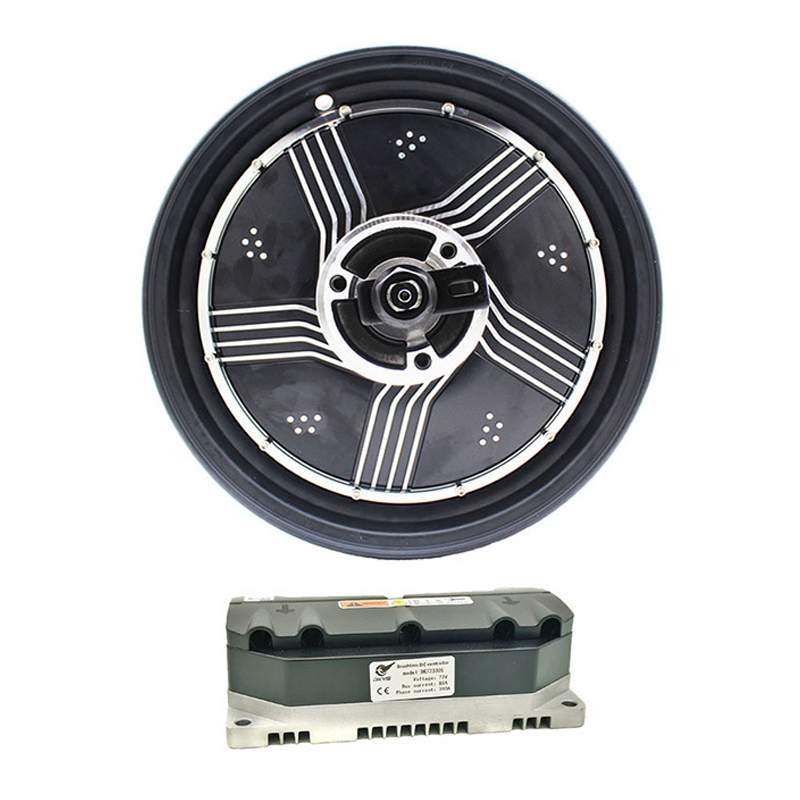
1. **Performance and Efficiency**: The key to a successful electric trike lies in its performance. Look for models with powerful motors and efficient battery systems. The ideal electric trikes should offer sufficient range to accommodate daily commuting needs, typically between 30 to 60 miles on a single charge. Additionally, factors like charging time and battery lifespan are critical; high-quality lithium-ion batteries tend to outperform others in these aspects.
2. **Design and Comfort**: Ergonomics plays a vital role in user experience. Electric trikes should feature adjustable seats, easy-to-reach handlebars, and a stable frame to ensure comfort during rides. Consider designs that integrate storage solutions, such as baskets or rear cargo spaces, to enhance practicality for users, especially in urban environments.
3. **Safety Features**: Safety cannot be overlooked when it comes to electric trikes. Look for models that include advanced braking systems, quality lighting, and reflective materials. Additionally, consider the stability of the trike's design; a broader wheelbase can provide better balance and reduce the risk of accidents.
4. **Customization Possibilities**: For OEMs, the ability to customize electric trikes according to specific market needs is crucial. This can include variations in battery capacity, motor power, or even aesthetic designs. A versatile platform can help manufacturers cater to different consumer preferences and applications, whether for leisure riders or commercial use.
5. **Regulatory Compliance**: Different regions have varying regulations regarding electric vehicles, including trikes. Ensure that the electric trikes you consider meet local transportation laws and standards. This will not only facilitate smoother market entry but also enhance consumer trust in your brand.
In summary, selecting the best electric trikes for OEM partnerships requires a comprehensive approach that balances performance, design, safety, and compliance. As urban mobility continues to shift towards more sustainable options, electric trikes present a compelling solution for both consumers and manufacturers. By focusing on these critical factors, OEMs can position themselves to capitalize on the growing demand for electric trikes in the transportation sector.
When evaluating the best electric trikes for OEM purposes, several factors should be considered:
1. **Performance and Efficiency**: The key to a successful electric trike lies in its performance. Look for models with powerful motors and efficient battery systems. The ideal electric trikes should offer sufficient range to accommodate daily commuting needs, typically between 30 to 60 miles on a single charge. Additionally, factors like charging time and battery lifespan are critical; high-quality lithium-ion batteries tend to outperform others in these aspects.
2. **Design and Comfort**: Ergonomics plays a vital role in user experience. Electric trikes should feature adjustable seats, easy-to-reach handlebars, and a stable frame to ensure comfort during rides. Consider designs that integrate storage solutions, such as baskets or rear cargo spaces, to enhance practicality for users, especially in urban environments.
3. **Safety Features**: Safety cannot be overlooked when it comes to electric trikes. Look for models that include advanced braking systems, quality lighting, and reflective materials. Additionally, consider the stability of the trike's design; a broader wheelbase can provide better balance and reduce the risk of accidents.
4. **Customization Possibilities**: For OEMs, the ability to customize electric trikes according to specific market needs is crucial. This can include variations in battery capacity, motor power, or even aesthetic designs. A versatile platform can help manufacturers cater to different consumer preferences and applications, whether for leisure riders or commercial use.
5. **Regulatory Compliance**: Different regions have varying regulations regarding electric vehicles, including trikes. Ensure that the electric trikes you consider meet local transportation laws and standards. This will not only facilitate smoother market entry but also enhance consumer trust in your brand.
In summary, selecting the best electric trikes for OEM partnerships requires a comprehensive approach that balances performance, design, safety, and compliance. As urban mobility continues to shift towards more sustainable options, electric trikes present a compelling solution for both consumers and manufacturers. By focusing on these critical factors, OEMs can position themselves to capitalize on the growing demand for electric trikes in the transportation sector.


Recommended Reading
CONTACT
Phone Number : +86 512 6510 8165
Mobile Phone : +86 13771670476
Email : info@lexsongmoto.com
Office : Room 504, No.1 Building of Western Tower, Jiarui Mansion, No.400 Suzhou Ave. East, Industrial Park, Suzhou City, Jiangsu Province, China
Factory : B4 Chaoyang Industrial Square, Caohu Street, Suzhou City, Jiangsu Province, China

Apply to become an agent
Get exclusive discounts, product updates, and expert advice tailored specifically for you!