

Exploring the Benefits of OEM Commercial Electric Trikes for Urban Transport
10/04
2025
Exploring the Benefits of OEM Commercial Electric Trikes for Urban Transport
Table of Contents
- 1. Introduction to OEM Commercial Electric Trikes
- 2. What Are OEM Commercial Electric Trikes?
- 3. Advantages of Using OEM Commercial Electric Trikes
- 4. Integrating Electric Trikes into Urban Transport Systems
- 5. Challenges and Solutions in Implementing Electric Trikes
- 6. Real-World Examples of Successful Electric Trike Implementation
- 7. The Future of OEM Commercial Electric Trikes
- 8. Conclusion
- 9. FAQs
1. Introduction to OEM Commercial Electric Trikes
In today's fast-paced urban environments, the demand for innovative and sustainable transport solutions is rapidly increasing. OEM (Original Equipment Manufacturer) commercial electric trikes are emerging as a prominent choice for city dwellers, businesses, and policymakers alike. These versatile vehicles are designed to cater to various urban transport needs while minimizing environmental impact.
As cities grapple with traffic congestion and pollution, electric trikes present a viable alternative to traditional modes of transport. This article delves into the numerous benefits of OEM commercial electric trikes, exploring their impact on urban transport and the overall quality of life in metropolitan areas.
2. What Are OEM Commercial Electric Trikes?
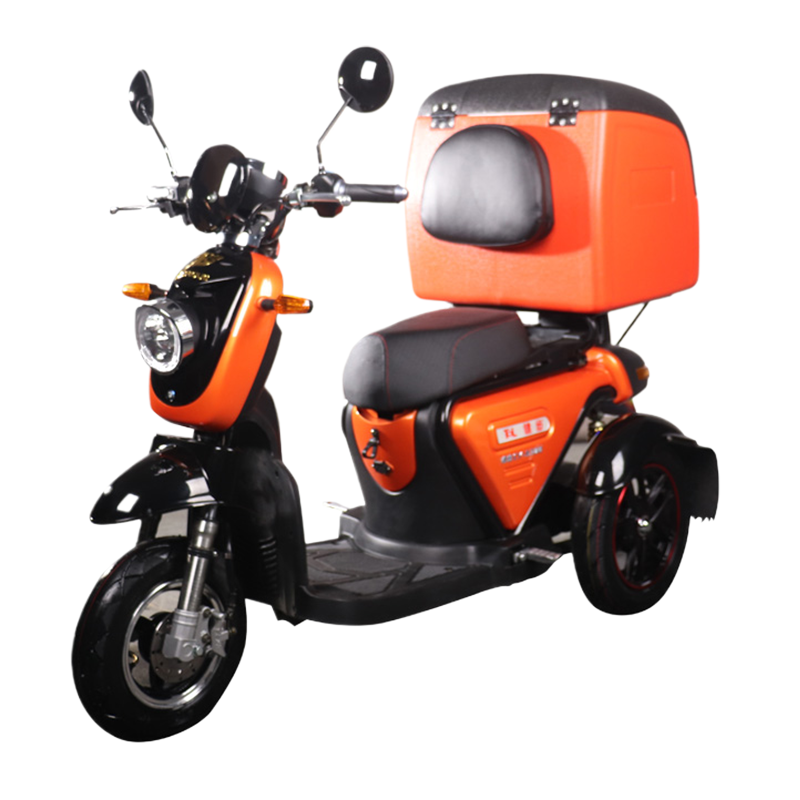
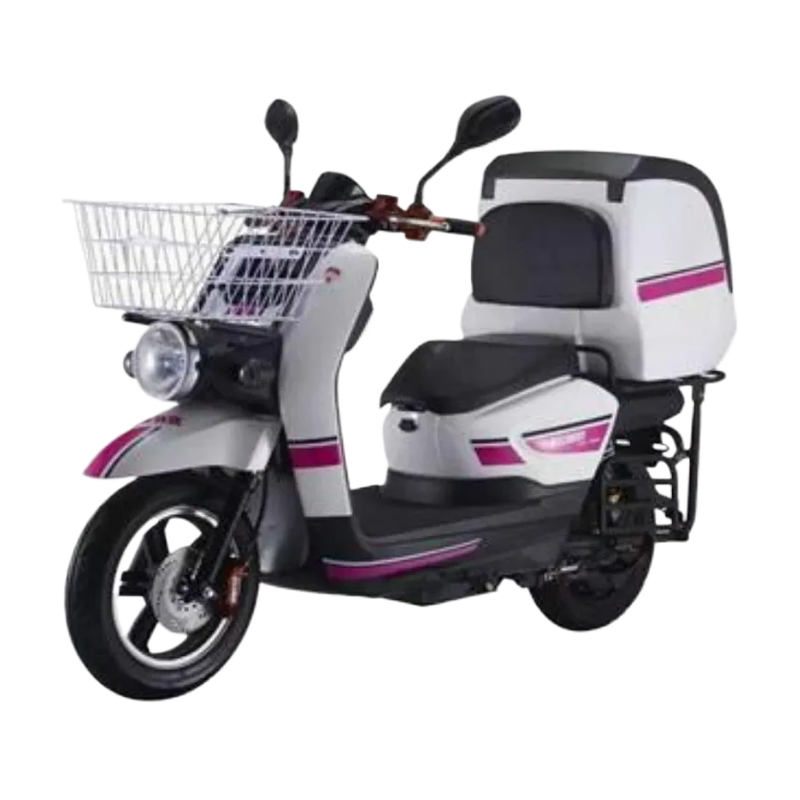
OEM commercial electric trikes are three-wheeled vehicles powered by electric motors. They are specifically designed for various commercial applications, including delivery services, tourism, and passenger transport. These vehicles typically feature a spacious cargo area, comfortable seating, and user-friendly controls, making them an ideal solution for businesses looking to optimize their operations in urban settings.
Moreover, OEM electric trikes are manufactured to meet specific industry standards, ensuring high quality and reliability. With a range of models available, they can be tailored to suit the unique requirements of different sectors, from logistics to hospitality.
3. Advantages of Using OEM Commercial Electric Trikes
OEM commercial electric trikes offer a multitude of advantages that make them an attractive option for urban transport.
3.1 Environmental Impact
One of the most significant benefits of electric trikes is their positive impact on the environment. Unlike traditional gasoline-powered vehicles, electric trikes produce zero tailpipe emissions, contributing to cleaner air and a reduction in urban pollution levels. By adopting OEM electric trikes, cities can take important strides toward achieving sustainability goals and combating climate change.
Additionally, many electric trikes are designed with recyclable materials, further bolstering their eco-friendliness. This sustainable approach aligns with the growing trend of green initiatives in urban planning and transport.
3.2 Cost Efficiency
When evaluating urban transport options, cost efficiency is crucial for businesses and organizations. OEM commercial electric trikes offer several financial advantages over traditional vehicles. Firstly, the operating costs of electric trikes are significantly lower due to reduced fuel expenses and minimal maintenance requirements.
Electric trikes also qualify for various government incentives and subsidies that encourage the adoption of electric vehicles. This can result in substantial savings for businesses investing in their fleet, ultimately improving their bottom line.
3.3 Enhancing Urban Mobility
Electric trikes improve urban mobility by providing flexible transport solutions that can navigate congested city streets with ease. Their compact design allows them to maneuver through tight spaces and crowded areas, making them ideal for last-mile delivery services.
Moreover, electric trikes can be integrated into existing public transport systems, offering a seamless transition for passengers. By providing additional options for commuting, cities can alleviate pressure on public transport networks and promote a more efficient urban transport system.
3.4 Health Benefits
In addition to environmental and economic benefits, electric trikes can also positively impact public health. By reducing pollution levels, these vehicles contribute to improved air quality, which is essential for the well-being of urban residents.
Furthermore, electric trikes promote active lifestyles by encouraging more people to cycle, even if they have limited mobility or physical fitness levels. The electric assistance feature allows users to travel longer distances without exhausting themselves, making cycling accessible to a broader audience.
4. Integrating Electric Trikes into Urban Transport Systems
To maximize the benefits of OEM commercial electric trikes, cities must effectively integrate them into existing urban transport systems. This involves collaborative planning between local governments, transport authorities, and businesses.
Key considerations for successful integration include:
- **Infrastructure Development**: Develop dedicated lanes and parking areas for electric trikes to ensure safety and efficiency.
- **Public Awareness Campaigns**: Educate citizens about the benefits and availability of electric trikes to encourage usage.
- **Collaboration with Businesses**: Partner with local businesses to create electric trike-based logistics solutions that meet their transport needs.
By taking a holistic approach to integration, cities can fully leverage the advantages of electric trikes and create a sustainable transport ecosystem.
5. Challenges and Solutions in Implementing Electric Trikes
While the benefits of OEM commercial electric trikes are significant, several challenges may arise during their implementation in urban transport systems.
5.1 Lack of Infrastructure
Many cities still lack the necessary infrastructure to support electric trikes, such as dedicated lanes or charging stations. Investing in these facilities is essential for promoting safe and efficient use.
5.2 Public Perception
Some individuals may have reservations about using electric trikes due to safety concerns or misconceptions. Public awareness campaigns can help address these issues and promote acceptance.
5.3 Regulatory Hurdles
Navigating regulations related to electric vehicles can be complex. Engaging with local authorities can help streamline the integration of electric trikes into existing transport frameworks.
6. Real-World Examples of Successful Electric Trike Implementation
Cities around the world are already reaping the benefits of OEM commercial electric trikes. Here are a few notable examples:
- **Amsterdam, Netherlands**: Known for its cycling culture, Amsterdam has integrated electric trikes into its transport system, offering rental options for tourists and locals alike. This initiative has reduced congestion and pollution in the city center.
- **San Francisco, USA**: The city's delivery services have increasingly turned to electric trikes to enhance efficiency while reducing emissions. This shift has positively impacted local air quality and contributed to the city's sustainability goals.
- **Berlin, Germany**: Berlin has launched a pilot program for electric trikes aimed at improving last-mile delivery capabilities. The city's investment in infrastructure and public awareness campaigns has facilitated the successful adoption of these vehicles.
7. The Future of OEM Commercial Electric Trikes
The future of OEM commercial electric trikes in urban transport looks promising. As technology continues to advance, we can expect improvements in battery life, charging infrastructure, and overall vehicle performance. Additionally, as cities prioritize sustainability and green initiatives, electric trikes will play a crucial role in shaping the future of urban mobility.
Furthermore, with the growing trend of e-commerce, demand for efficient last-mile delivery solutions will likely increase. OEM electric trikes offer the perfect blend of sustainability, cost-effectiveness, and flexibility, making them an essential component of the urban transport landscape.
8. Conclusion
OEM commercial electric trikes represent a transformative solution for urban transport, offering a myriad of benefits, including environmental sustainability, cost efficiency, and enhanced mobility. As cities continue to evolve, embracing innovative transport solutions like electric trikes will be essential for creating healthier, more sustainable urban environments.
Through collaborative efforts between stakeholders, effective integration into existing transport systems, and the overcoming of challenges, electric trikes have the potential to revolutionize urban transport, making cities more accessible and enjoyable for everyone.
9. FAQs
1. What is an OEM commercial electric trike?
An OEM commercial electric trike is a three-wheeled, electrically powered vehicle designed for various commercial applications, including delivery and passenger transport.
2. What are the environmental benefits of electric trikes?
Electric trikes produce zero tailpipe emissions, helping to reduce urban pollution and improve air quality, contributing to a healthier environment.
3. How do electric trikes save costs for businesses?
Electric trikes have lower operating costs compared to traditional vehicles due to reduced fuel expenses and minimal maintenance requirements, along with potential government incentives.
4. Can electric trikes be integrated into public transport systems?
Yes, electric trikes can complement existing public transport systems by providing last-mile solutions and enhancing overall urban mobility.
5. What challenges do cities face when implementing electric trikes?
Challenges include a lack of infrastructure, public perception issues, and navigating regulatory hurdles. Collaboration and investment are essential to overcome these challenges.
By understanding and leveraging the benefits of OEM commercial electric trikes, cities can pave the way for a more sustainable and efficient urban transport future.


Recommended Reading
CONTACT
Phone Number : +86 512 6510 8165
Mobile Phone : +86 13771670476
Email : info@lexsongmoto.com
Office : Room 504, No.1 Building of Western Tower, Jiarui Mansion, No.400 Suzhou Ave. East, Industrial Park, Suzhou City, Jiangsu Province, China
Factory : B4 Chaoyang Industrial Square, Caohu Street, Suzhou City, Jiangsu Province, China

Apply to become an agent
Get exclusive discounts, product updates, and expert advice tailored specifically for you!