

Understanding Electric Vehicle Controllers: The Brain Behind Your Ride
12/14
2025
Understanding Electric Vehicle Controllers: The Brain Behind Your Ride
Table of Contents
- What is an Electric Vehicle Controller?
- The Importance of Electric Vehicle Controllers
- How Electric Vehicle Controllers Work
- Types of Electric Vehicle Controllers
- Key Features of Electric Vehicle Controllers
- Challenges and Solutions in EV Controller Design
- The Future of Electric Vehicle Controllers
- Frequently Asked Questions
What is an Electric Vehicle Controller?
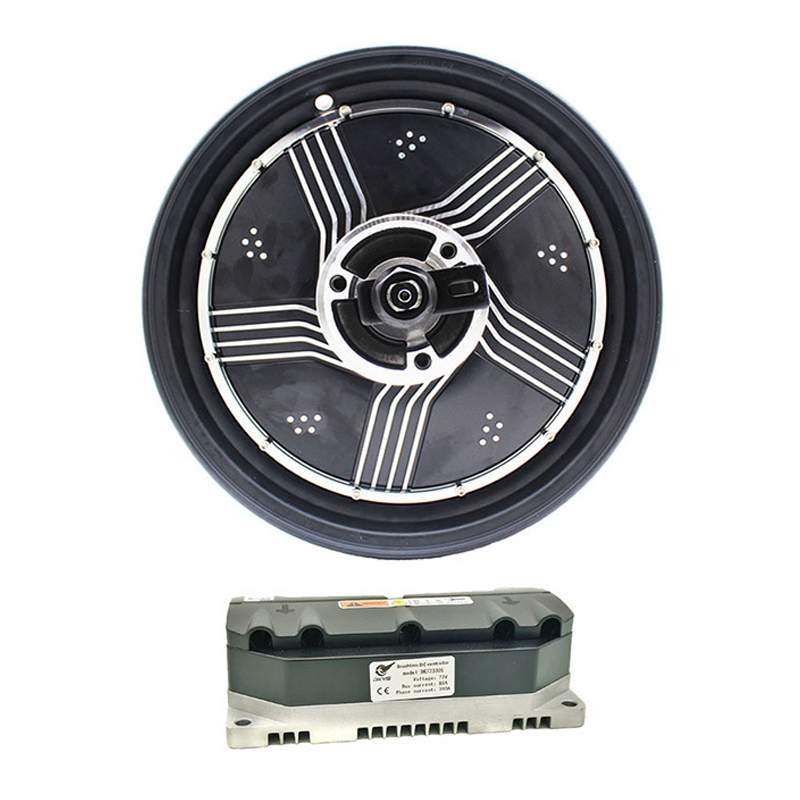
An electric vehicle controller is an electronic device that regulates the flow of electricity to the motor, effectively acting as the brain of the electric vehicle (EV). It interprets signals from the accelerator pedal, adjusts the power flow, and ensures the vehicle operates efficiently. By managing the vehicle’s performance, the controller plays a crucial role in optimizing speed, acceleration, and overall driving experience.
The Importance of Electric Vehicle Controllers
Electric vehicle controllers are vital for several reasons:
- Performance Optimization: They enhance the performance of electric motors by regulating speed and torque according to the driver's input.
- Energy Efficiency: Controllers enable precise energy management, leading to extended range and reduced energy consumption.
- Safety Features: They incorporate safety systems that prevent overheating, overcurrent, and other potential hazards, ensuring the safety of both the vehicle and passengers.
- Integration with Other Systems: EV controllers communicate with other vehicle systems like braking, steering, and battery management, leading to a cohesive performance.
How Electric Vehicle Controllers Work
The operation of an electric vehicle controller can be broken down into several key processes:
- Signal Interpretation: When the driver presses the accelerator, the controller receives an input signal that indicates the desired speed.
- Power Regulation: Based on the input, the controller adjusts the electric current sent to the motor, modulating the vehicle's speed and acceleration.
- Feedback Mechanism: Continuous feedback from the motor and other vehicle sensors allows the controller to make real-time adjustments for optimal performance.
- Thermal Management: The controller monitors temperature levels and implements cooling strategies to maintain operational efficiency and safety.
Types of Electric Vehicle Controllers
There are several types of electric vehicle controllers, each designed for specific motor types and applications. Understanding these types is crucial for selecting the right controller for specific needs.
Brushless DC Motor Controllers
Brushless DC motor controllers are commonly used in electric vehicles due to their efficiency and durability. They eliminate the need for brushes, reducing wear and maintenance while offering high performance and reliability.
Brushed DC Motor Controllers
Brushed DC motor controllers are simpler and often less expensive than brushless counterparts. However, they require more maintenance due to brush wear and are typically less efficient. They are suitable for applications where cost is a significant factor.
AC Motor Controllers
AC motor controllers are used in high-performance electric vehicles. These controllers allow for effective management of alternating current motors, offering higher efficiency and performance at various speeds.
Key Features of Electric Vehicle Controllers
When evaluating electric vehicle controllers, several key features should be considered:
- Regenerative Braking: This feature allows the vehicle to recover energy during braking, which is then used to recharge the battery, enhancing overall efficiency.
- Programmable Parameters: Many controllers offer customizable settings to optimize performance based on user preferences or specific driving conditions.
- Communication Protocols: Advanced controllers use communication protocols like CAN (Controller Area Network) to interact with various vehicle systems for improved performance and diagnostics.
- Fault Detection: Advanced monitoring systems are essential for detecting faults in the motor or controller, allowing for timely maintenance and repairs.
Challenges and Solutions in EV Controller Design
The design and implementation of electric vehicle controllers face several challenges, including:
- Heat Management: As controllers manage high power levels, they generate heat. Effective thermal management systems, such as heat sinks and fans, are essential to prevent overheating.
- Durability Requirements: Controllers must withstand harsh environmental conditions. Using robust materials and encapsulation techniques can enhance durability.
- Cost-Effectiveness: Balancing performance and cost is crucial. Innovations in manufacturing processes and materials can lead to more affordable solutions without compromising quality.
The Future of Electric Vehicle Controllers
The future of electric vehicle controllers is promising, driven by advancements in technology and a growing demand for electric vehicles. Key trends include:
- Smart Controllers: Future controllers will incorporate artificial intelligence to predict and adapt to driving conditions, enhancing performance and efficiency.
- Integration with Renewable Energy: As the adoption of renewable energy sources increases, controllers will play a critical role in integrating these sources into the EV charging ecosystem.
- Miniaturization: Ongoing research aims to reduce the size and weight of controllers without sacrificing performance, allowing for more compact vehicle designs.
Frequently Asked Questions
1. What role does the electric vehicle controller play in overall vehicle performance?
The electric vehicle controller regulates the power delivery to the motor based on driver input, directly influencing speed, acceleration, and efficiency.
2. How does regenerative braking work in electric vehicle controllers?
Regenerative braking captures energy during braking, converting it back into electricity to recharge the battery, thereby enhancing overall energy efficiency.
3. Are there different controllers for various types of electric motors?
Yes, different types of controllers are designed specifically for brushed DC motors, brushless DC motors, and AC motors, catering to their unique characteristics and requirements.
4. What are the safety features typically included in electric vehicle controllers?
Safety features often include overcurrent protection, thermal management systems, and fault detection mechanisms to ensure safe operation and prevent damage.
5. What is the significance of communication protocols in EV controllers?
Communication protocols, like CAN, allow the controller to interact with other vehicle systems, facilitating real-time data exchange and enhancing overall vehicle performance.
Conclusion
Electric vehicle controllers are the unsung heroes of electric mobility, ensuring that vehicles operate smoothly, efficiently, and safely. As technology continues to advance, these controllers will evolve to meet the growing demands of the electric vehicle market, paving the way for a more sustainable and efficient future. Understanding the intricacies of EV controllers not only enhances our appreciation for electric vehicles but also highlights the innovations driving the industry forward.


Recommended Reading
CONTACT
Phone Number : +86 512 6510 8165
Mobile Phone : +86 13771670476
Email : info@lexsongmoto.com
Office : Room 504, No.1 Building of Western Tower, Jiarui Mansion, No.400 Suzhou Ave. East, Industrial Park, Suzhou City, Jiangsu Province, China
Factory : B4 Chaoyang Industrial Square, Caohu Street, Suzhou City, Jiangsu Province, China

Apply to become an agent
Get exclusive discounts, product updates, and expert advice tailored specifically for you!