

Why Choose Commercial Electric Trikes Over Traditional Delivery Vehicles?
12/10
2025
Why Choose Commercial Electric Trikes Over Traditional Delivery Vehicles?
In the ever-evolving landscape of logistics and transportation, the demand for efficient, sustainable, and versatile delivery methods is paramount. As businesses strive to improve their delivery processes, many are turning to commercial electric trikes. These innovative vehicles are not merely an option; they're quickly becoming a preferred choice over traditional delivery vehicles. In this comprehensive guide, we will delve into the numerous advantages of electric trikes, highlighting why they stand out in the realm of commercial transportation.
The Rise of Electric Trikes in the Delivery Sector
Electric trikes have seen a significant surge in popularity in recent years, particularly in urban environments. Their unique design and capabilities make them ideal for navigating crowded streets while ensuring prompt deliveries. With an increasing focus on reducing carbon footprints, businesses are searching for alternative solutions that align with sustainability goals. Electric trikes not only offer eco-friendly transportation but also enhance operational efficiency.
Understanding Commercial Electric Trikes
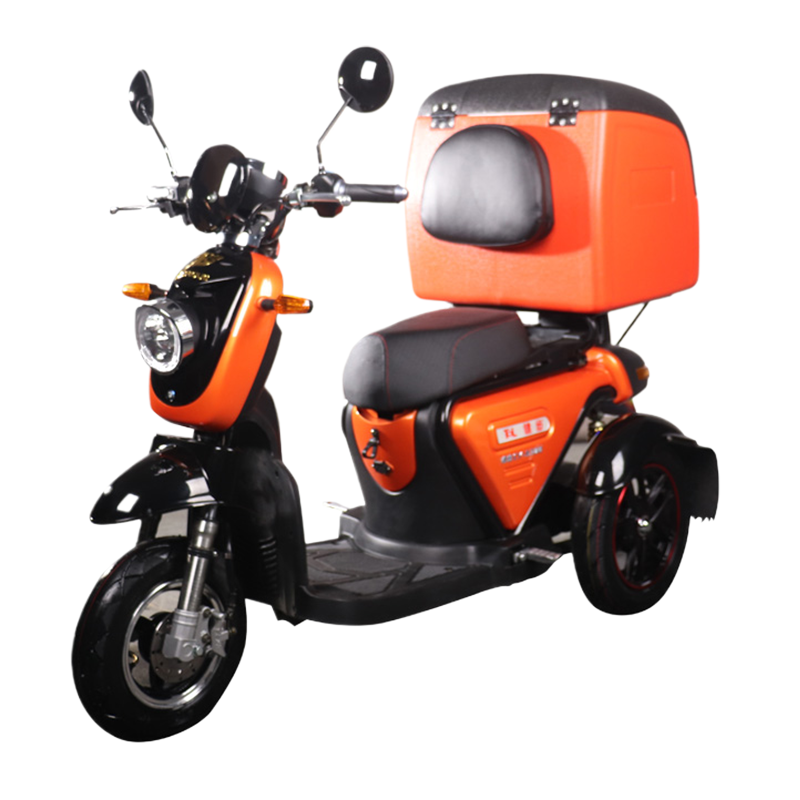
Before examining the reasons to choose electric trikes, it's essential to understand what they are. Commercial electric trikes, or e-trikes, are three-wheeled vehicles powered by electricity. They come in various designs and sizes, accommodating different types of cargo and delivery needs. Unlike traditional bicycles, e-trikes feature a larger carrying capacity and often include a cab for the driver, enhancing comfort during longer routes.
Key Features of Commercial Electric Trikes
- Electric Power: E-trikes are powered by rechargeable batteries, offering an eco-friendly alternative to fuel-based vehicles.
- Enhanced Stability: The three-wheeled design provides increased stability and safety compared to two-wheeled options.
- Cargo Capacity: Electric trikes can handle larger volumes of goods, making them ideal for deliveries in urban settings.
- Quiet Operation: E-trikes operate quietly, reducing noise pollution in busy city streets.
1. Cost-Effectiveness of Electric Trikes
One of the most compelling reasons to switch to commercial electric trikes is their cost-effectiveness. Traditional delivery vehicles often come with substantial overhead costs, including fuel, maintenance, and insurance. In contrast, electric trikes significantly reduce operational costs.
Lower Fuel Costs
Electric trikes run on electricity, which is considerably cheaper than gasoline or diesel. According to recent studies, electric vehicles reduce fuel costs by over 60%. This dramatic reduction in fuel expenses translates to significant annual savings for businesses.
Reduced Maintenance Expenses
Electric trikes have fewer moving parts compared to traditional vehicles, leading to reduced wear and tear. The cost of maintaining an electric trike is generally lower, as they require less frequent servicing and repairs.
Tax Incentives and Rebates
Many governments offer tax incentives and rebates for businesses that invest in electric vehicles. These financial benefits can offset the initial purchase cost of electric trikes, making them a more attractive option for businesses looking to modernize their fleets.
2. Environmental Benefits of Electric Trikes
As climate change becomes an increasingly pressing issue, businesses are under pressure to adopt more sustainable practices. Electric trikes significantly reduce greenhouse gas emissions, contributing to cleaner air and a healthier environment.
Zero Emissions
Electric trikes produce zero tailpipe emissions, which is a significant advantage over traditional fuel-powered delivery vehicles. By switching to electric trikes, businesses can drastically reduce their carbon footprint.
Support for Urban Sustainability Initiatives
Many cities are implementing sustainability initiatives aimed at reducing traffic congestion and improving air quality. By adopting electric trikes, businesses align themselves with these initiatives, potentially gaining favor with local governments and communities.
3. Enhanced Efficiency and Flexibility
In the fast-paced world of logistics, efficiency is key. Electric trikes are designed for urban environments, allowing them to maneuver through tight spaces and navigate congested streets more easily than traditional delivery vehicles.
Agility in Urban Areas
Electric trikes can access areas that larger delivery trucks cannot, such as pedestrian zones and narrow alleyways. This agility enables businesses to make deliveries faster and reach customers in hard-to-access locations.
Quick Loading and Unloading
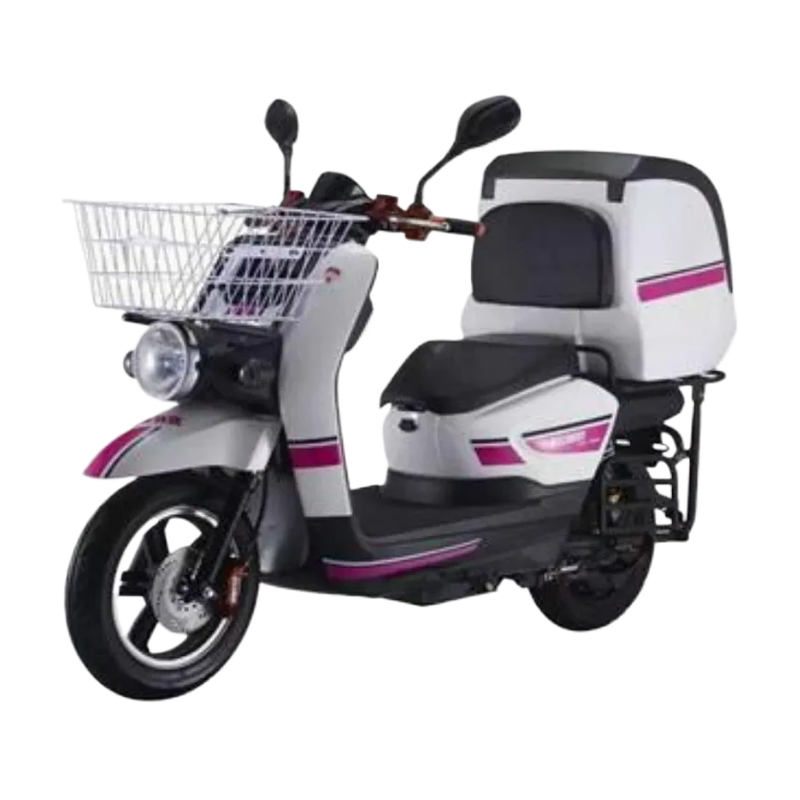
Many commercial electric trikes come equipped with cargo boxes or trailers specifically designed for easy loading and unloading. This feature saves time during delivery stops, allowing businesses to operate more efficiently.
4. Versatility Across Different Industries
Commercial electric trikes are not limited to one specific industry; they can serve various sectors, including food delivery, courier services, and even logistics for retail businesses.
Food Delivery Services
In the food service industry, electric trikes can quickly transport meals from restaurants to customers, ensuring timely deliveries while maintaining food quality. They can also accommodate insulated containers for temperature-sensitive items.
Courier and Parcel Delivery
Courier services can benefit from the increased cargo capacity of electric trikes, allowing them to transport more packages in a single trip. This efficiency leads to reduced delivery times and increased customer satisfaction.
Retail and E-commerce Logistics
Retailers can utilize electric trikes for last-mile deliveries, bridging the gap between distribution centers and consumers. This approach not only enhances the delivery experience but also reduces the environmental impact associated with traditional delivery methods.
5. Comfort and Ergonomics for Drivers
Employee satisfaction is crucial for maintaining a productive workforce. Electric trikes offer improved comfort and ergonomics compared to traditional delivery vehicles, which can positively impact driver performance.
Ergonomic Design
Commercial electric trikes are designed with the driver’s comfort in mind. Features such as adjustable seating, protective enclosures, and user-friendly controls contribute to a more enjoyable driving experience.
Reduced Physical Strain
Unlike traditional bicycles, electric trikes require less physical exertion, allowing drivers to complete longer routes without excessive fatigue. This feature is particularly beneficial for businesses seeking to maintain high delivery standards without overworking their staff.
6. Improved Safety Features
Safety is a paramount concern in the transportation industry. Electric trikes come equipped with advanced safety features designed to protect both drivers and pedestrians.
Stability and Balance
The three-wheeled design of electric trikes enhances stability, reducing the risk of accidents compared to two-wheeled counterparts. This stability is especially crucial when navigating busy urban environments.
Visibility and Lighting
Many commercial electric trikes are equipped with bright headlights, turn signals, and reflective materials to enhance visibility, particularly during night-time deliveries. This increased visibility helps prevent accidents and ensures safer operations.
7. The Future of Delivery: Electric Trikes
The trend towards electrification in transportation continues to grow, with electric trikes at the forefront of this evolution. Businesses that invest in these innovative vehicles position themselves as leaders in sustainability and efficiency.
Adapting to Technological Advancements
As technology continues to advance, electric trikes are becoming smarter. Features such as GPS navigation, tracking systems, and autonomous driving capabilities are on the horizon, promising to further enhance their effectiveness in the delivery sector.
Consumer Demand for Sustainable Practices
Today's consumers are increasingly conscious of their environmental impact and prefer businesses that prioritize sustainability. By adopting electric trikes, companies can meet this demand and differentiate themselves in a competitive market.
FAQs About Commercial Electric Trikes
1. What is the average range of a commercial electric trike?
The average range of a commercial electric trike is typically between 30 to 60 miles per charge, depending on the model and usage conditions.
2. How much can a commercial electric trike carry?
Most commercial electric trikes can carry between 300 to 1,000 pounds of cargo, making them suitable for various delivery needs.
3. Are electric trikes suitable for all weather conditions?
Yes, many electric trikes are designed for all-weather conditions. However, it is advisable to consider specific features such as weatherproof cargo enclosures and proper tires for optimal performance.
4. How long does it take to charge an electric trike?
Charging times vary by model, but it typically takes between 4 to 8 hours for a full charge using a standard outlet.
5. What maintenance do electric trikes require?
Electric trikes require minimal maintenance, including periodic checks on the battery, brakes, and tires, similar to standard bicycles.
Conclusion
Commercial electric trikes represent a revolutionary shift in the transportation landscape, providing businesses with a myriad of advantages over traditional delivery vehicles. From cost-effectiveness and environmental benefits to enhanced efficiency and driver comfort, the case for adopting electric trikes is compelling. As we move towards a more sustainable future, electric trikes are not just an option; they are an essential component of modern logistics. By investing in commercial electric trikes, businesses can enhance their operations while contributing positively to the environment and community.


Recommended Reading
CONTACT
Phone Number : +86 512 6510 8165
Mobile Phone : +86 13771670476
Email : info@lexsongmoto.com
Office : Room 504, No.1 Building of Western Tower, Jiarui Mansion, No.400 Suzhou Ave. East, Industrial Park, Suzhou City, Jiangsu Province, China
Factory : B4 Chaoyang Industrial Square, Caohu Street, Suzhou City, Jiangsu Province, China

Apply to become an agent
Get exclusive discounts, product updates, and expert advice tailored specifically for you!