

The Rise of Two-Wheeled Electric Vehicles: A Sustainable Future on Two Wheels
12/12
2025
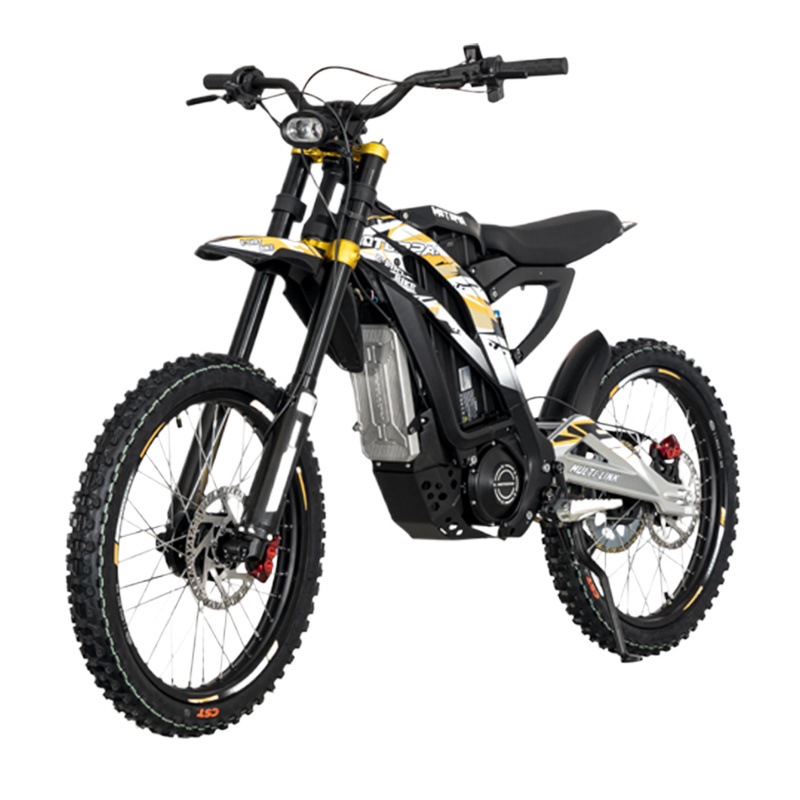
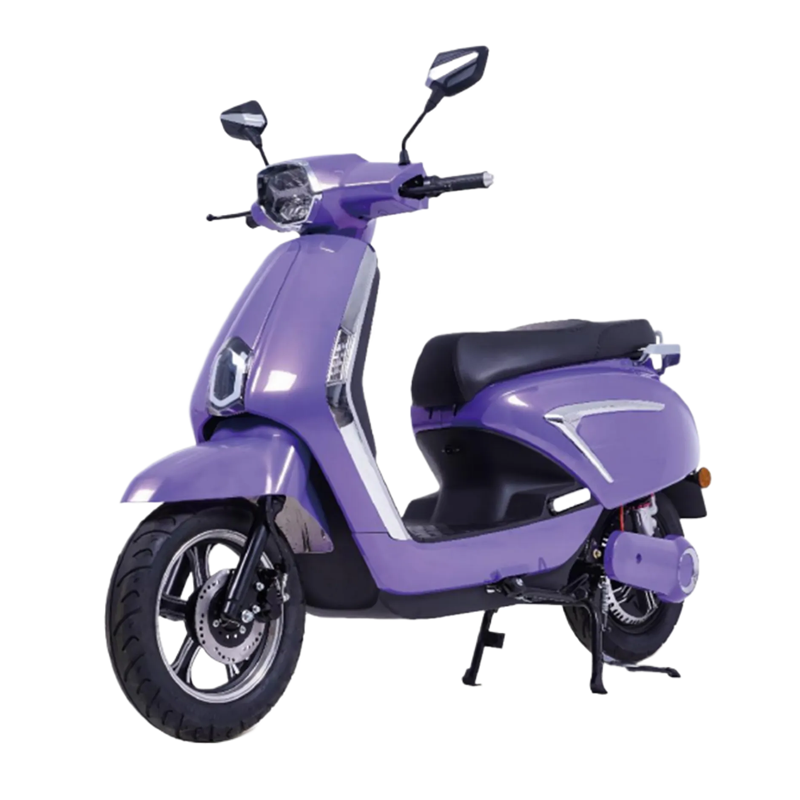
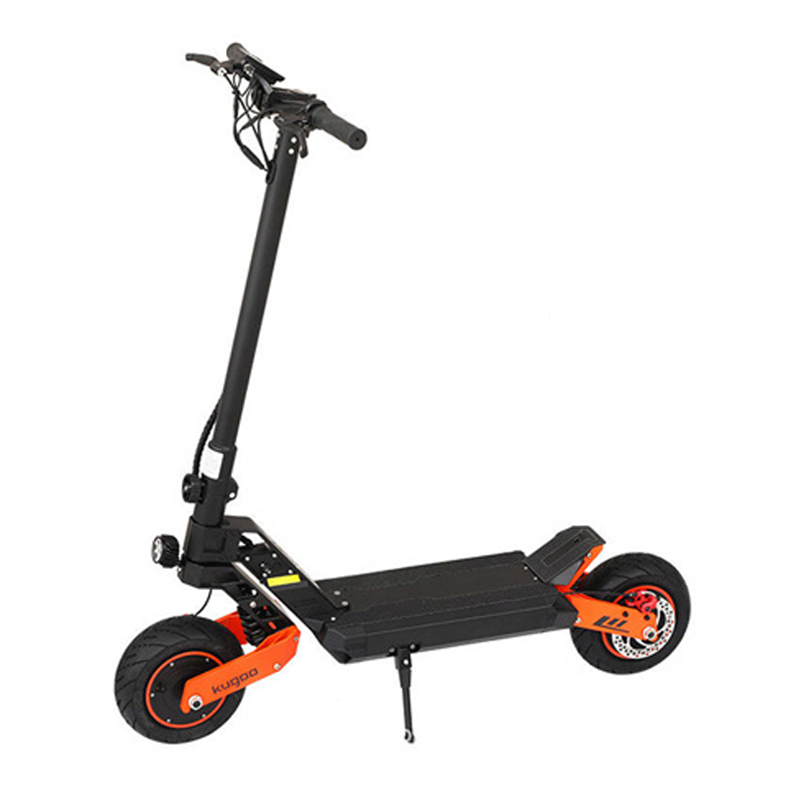
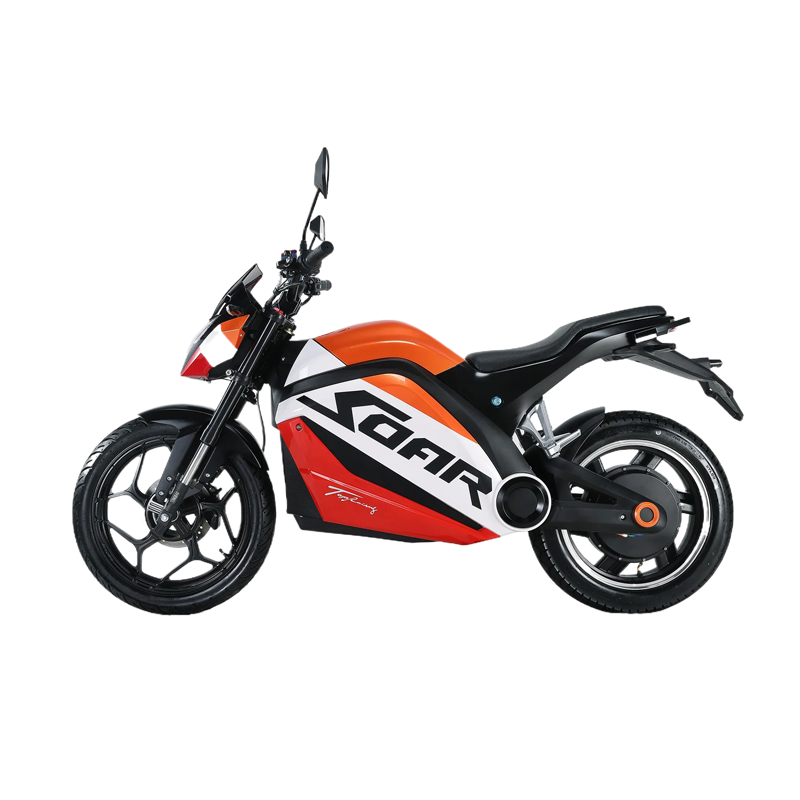
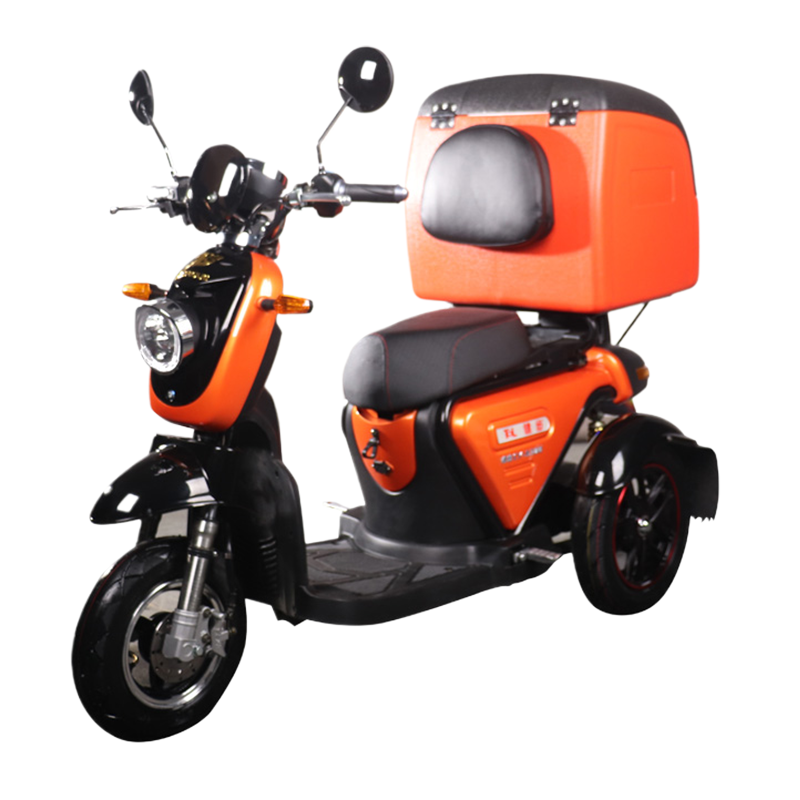
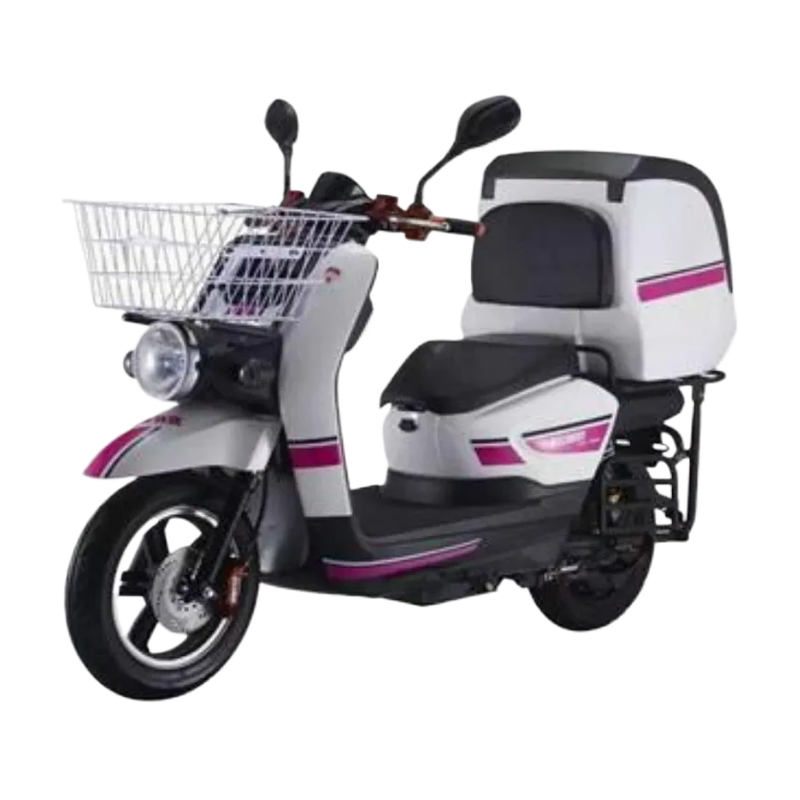
As urban areas continue to grow and evolve, the demand for efficient and environmentally friendly modes of transportation becomes increasingly critical. Two-wheeled electric vehicles (EVs) have emerged as a compelling solution, appealing to commuters and recreational riders alike. These vehicles, which include electric motorcycles and scooters, offer a unique blend of convenience, sustainability, and cost-effectiveness.
One of the most significant advantages of two-wheeled electric vehicles is their reduced environmental footprint. Unlike traditional gasoline-powered motorcycles, electric counterparts produce zero tailpipe emissions, which helps combat urban air pollution. This is particularly vital in congested cities where air quality is often compromised. By choosing an electric two-wheeler, riders contribute to a cleaner environment and reduce their carbon footprint.
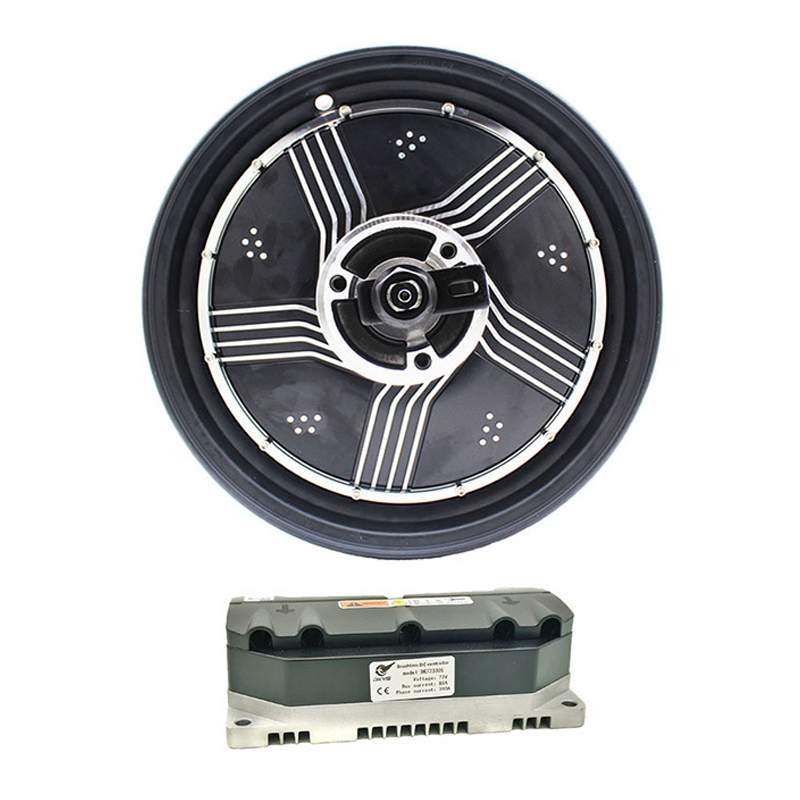
The technology behind two-wheeled electric vehicles has advanced rapidly in recent years. Modern electric motorcycles are equipped with powerful lithium-ion batteries, providing impressive range and performance. Many models can reach speeds comparable to their gas-powered counterparts while offering smoother acceleration and efficient energy use. With advancements in battery technology, the range of electric motorcycles has significantly improved, allowing riders to travel longer distances without the need for frequent recharging.
Additionally, two-wheeled electric vehicles are often more cost-effective in the long run. While the initial investment may be higher than that of traditional motorcycles, the savings on fuel, maintenance, and insurance can quickly offset the upfront costs. Electric vehicles have fewer moving parts than internal combustion engines, which can lead to lower maintenance expenses. Plus, as electricity becomes an increasingly accessible resource, riders can enjoy the financial benefits of lower “fuel” costs.
Moreover, electric two-wheelers offer an excellent solution for navigating urban environments. Their compact size and maneuverability make them ideal for crowded streets and urban commuting. Riders can easily find parking, and many cities are developing infrastructure to support electric vehicles, such as designated charging stations and bike lanes. This enhances the overall riding experience, making it more convenient and enjoyable.
Furthermore, the rise of two-wheeled electric vehicles aligns with global sustainability goals. Many governments are incentivizing the adoption of electric vehicles through subsidies and rebates, creating a favorable environment for potential buyers. As public awareness of environmental issues grows, the shift towards electric mobility is expected to gain even more momentum.
In summary, two-wheeled electric vehicles represent a modern, sustainable choice for transportation. With their environmental benefits, advanced technology, cost savings, and suitability for urban commuting, they are poised to revolutionize the way we think about mobility. Whether for daily commutes or leisurely rides, electric motorcycles and scooters are carving out a niche that is both practical and eco-friendly. Embracing this change not only enhances individual riding experiences but also contributes to a more sustainable future.
One of the most significant advantages of two-wheeled electric vehicles is their reduced environmental footprint. Unlike traditional gasoline-powered motorcycles, electric counterparts produce zero tailpipe emissions, which helps combat urban air pollution. This is particularly vital in congested cities where air quality is often compromised. By choosing an electric two-wheeler, riders contribute to a cleaner environment and reduce their carbon footprint.
The technology behind two-wheeled electric vehicles has advanced rapidly in recent years. Modern electric motorcycles are equipped with powerful lithium-ion batteries, providing impressive range and performance. Many models can reach speeds comparable to their gas-powered counterparts while offering smoother acceleration and efficient energy use. With advancements in battery technology, the range of electric motorcycles has significantly improved, allowing riders to travel longer distances without the need for frequent recharging.
Additionally, two-wheeled electric vehicles are often more cost-effective in the long run. While the initial investment may be higher than that of traditional motorcycles, the savings on fuel, maintenance, and insurance can quickly offset the upfront costs. Electric vehicles have fewer moving parts than internal combustion engines, which can lead to lower maintenance expenses. Plus, as electricity becomes an increasingly accessible resource, riders can enjoy the financial benefits of lower “fuel” costs.
Moreover, electric two-wheelers offer an excellent solution for navigating urban environments. Their compact size and maneuverability make them ideal for crowded streets and urban commuting. Riders can easily find parking, and many cities are developing infrastructure to support electric vehicles, such as designated charging stations and bike lanes. This enhances the overall riding experience, making it more convenient and enjoyable.
Furthermore, the rise of two-wheeled electric vehicles aligns with global sustainability goals. Many governments are incentivizing the adoption of electric vehicles through subsidies and rebates, creating a favorable environment for potential buyers. As public awareness of environmental issues grows, the shift towards electric mobility is expected to gain even more momentum.
In summary, two-wheeled electric vehicles represent a modern, sustainable choice for transportation. With their environmental benefits, advanced technology, cost savings, and suitability for urban commuting, they are poised to revolutionize the way we think about mobility. Whether for daily commutes or leisurely rides, electric motorcycles and scooters are carving out a niche that is both practical and eco-friendly. Embracing this change not only enhances individual riding experiences but also contributes to a more sustainable future.


Recommended Reading
CONTACT
Phone Number : +86 512 6510 8165
Mobile Phone : +86 13771670476
Email : info@lexsongmoto.com
Office : Room 504, No.1 Building of Western Tower, Jiarui Mansion, No.400 Suzhou Ave. East, Industrial Park, Suzhou City, Jiangsu Province, China
Factory : B4 Chaoyang Industrial Square, Caohu Street, Suzhou City, Jiangsu Province, China

Apply to become an agent
Get exclusive discounts, product updates, and expert advice tailored specifically for you!