
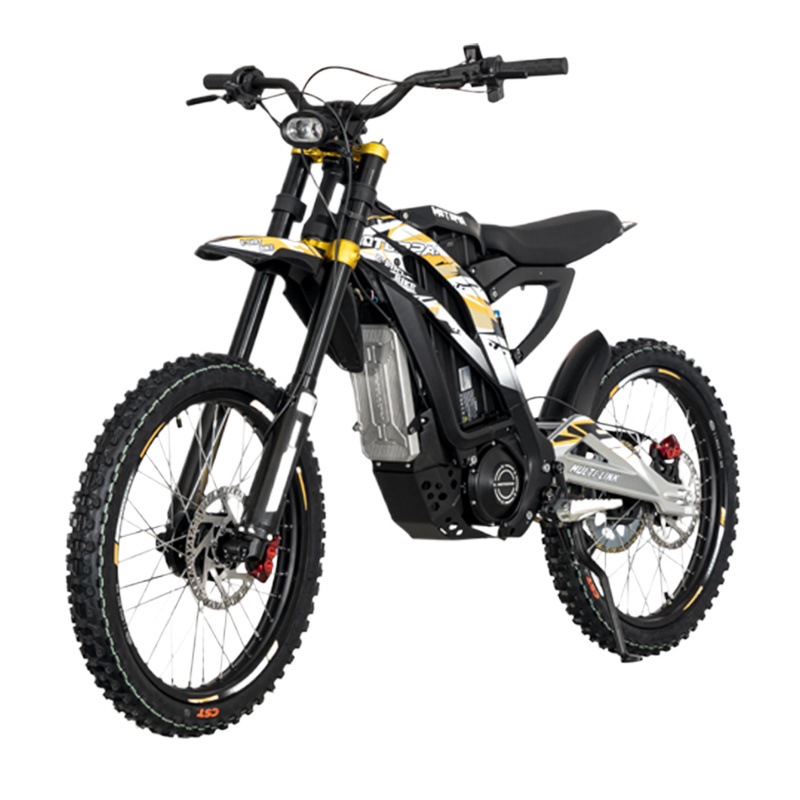
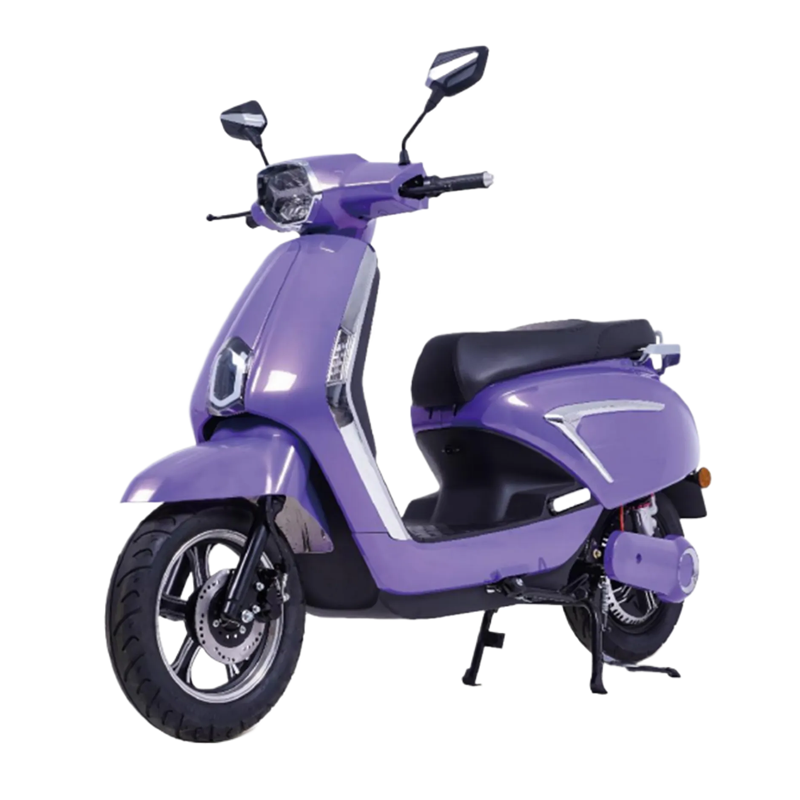
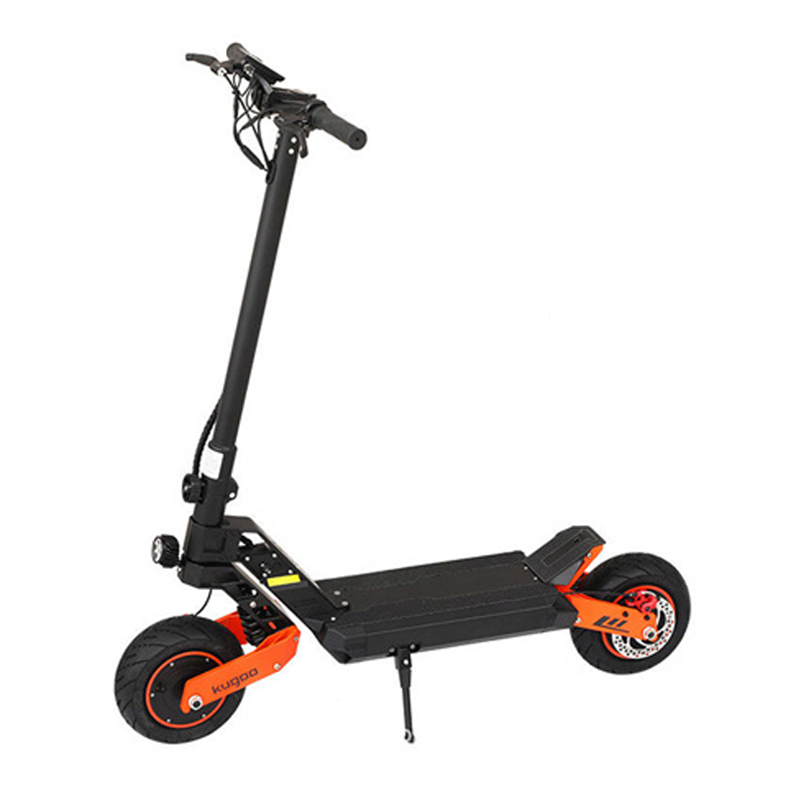
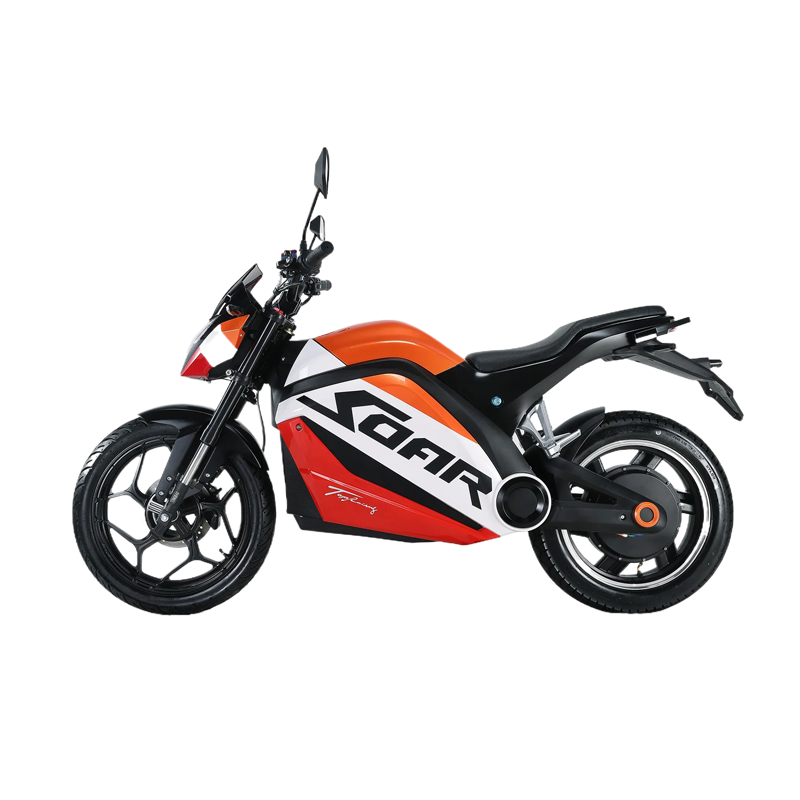

Electric Motorcycles: Driving the Future of Sustainable Urban Mobility
04/03
2026
Electric motorcycles are rapidly transforming the global transportation landscape as cities and consumers seek cleaner, more efficient, and cost-effective mobility solutions. Powered by rechargeable battery systems rather than internal combustion engines, electric motorcycles offer a compelling alternative to traditional fuel-powered two-wheelers. With advancements in battery technology, motor efficiency, and charging infrastructure, their adoption is accelerating across both developed and emerging markets.
One of the most significant advantages of electric motorcycles is their environmental benefit. Unlike conventional motorcycles, electric models produce zero tailpipe emissions, helping reduce air pollution and greenhouse gas emissions in urban areas. This makes them particularly suitable for densely populated cities where air quality is a growing concern. Governments in many regions are also encouraging the shift toward electric vehicles through subsidies, tax incentives, and supportive regulations, further boosting market growth.
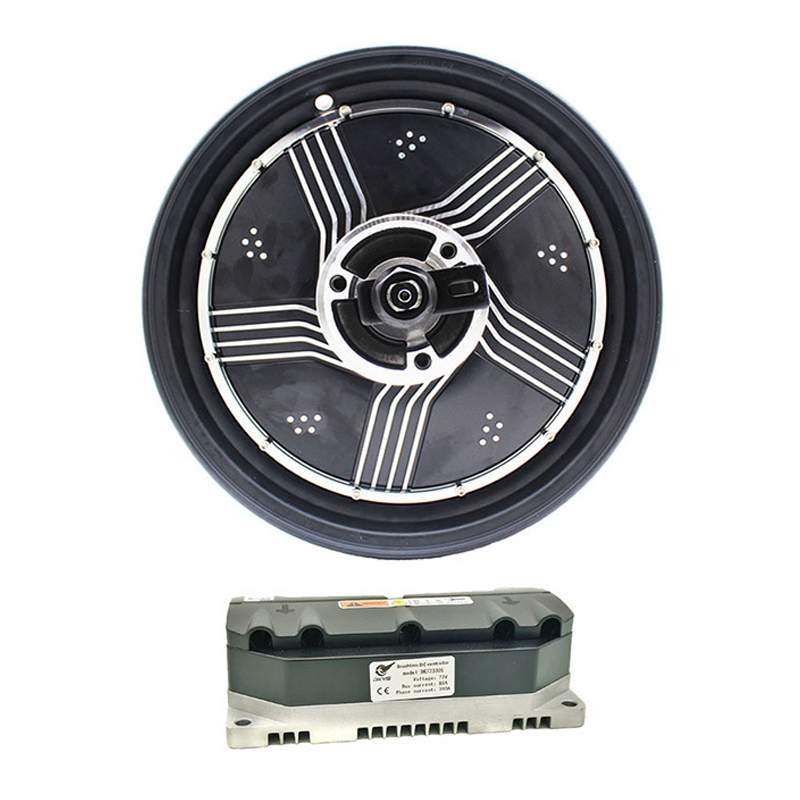
In terms of performance, electric motorcycles have evolved significantly over recent years. Modern models are equipped with high-efficiency electric motors that deliver instant torque, providing smooth acceleration and responsive handling. Riders often appreciate the quiet operation, which not only enhances comfort but also reduces noise pollution in urban environments. Additionally, electric motorcycles typically require less maintenance than traditional motorcycles because they have fewer moving parts, eliminating the need for oil changes, fuel system maintenance, and complex engine servicing.
Battery technology plays a critical role in the development of electric motorcycles. Lithium-ion batteries are the most commonly used due to their high energy density, long cycle life, and relatively fast charging capabilities. Many electric motorcycles now feature removable battery systems, allowing users to swap batteries easily and extend riding time without waiting for a full recharge. Charging infrastructure is also expanding, with home charging units, public charging stations, and fast-charging solutions becoming increasingly available.
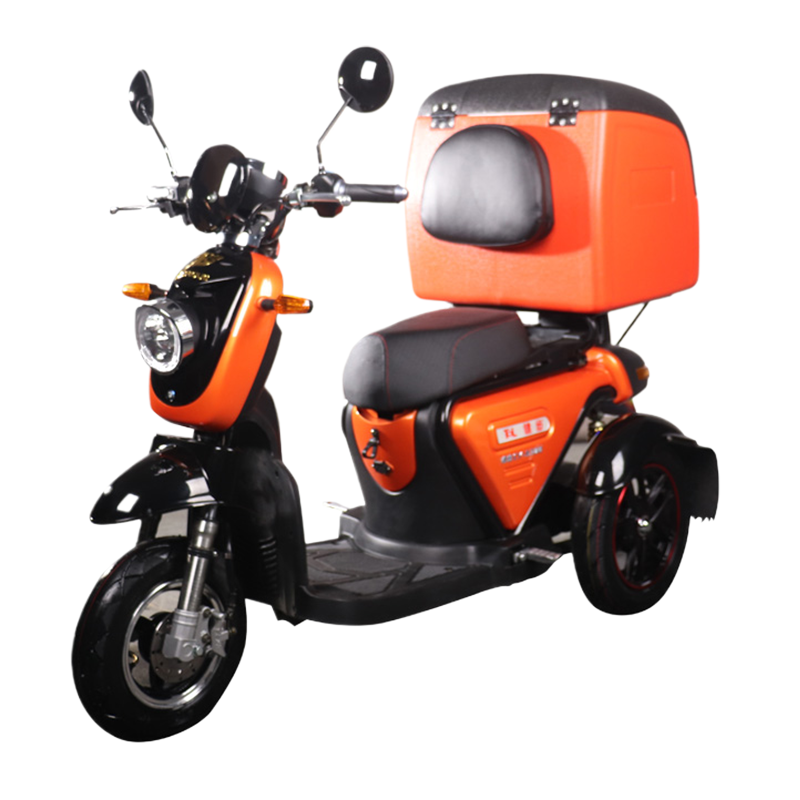
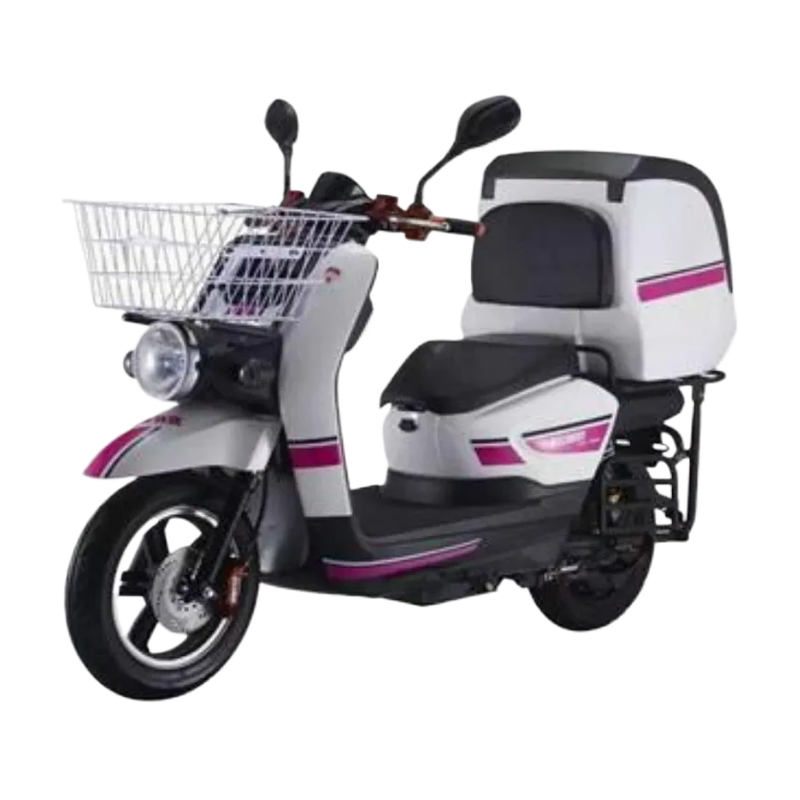
Electric motorcycles are widely used in various applications, including personal commuting, ride-sharing services, food delivery, and courier logistics. In urban delivery scenarios, they offer a practical solution for last-mile transportation due to their low operating costs and ability to navigate traffic congestion efficiently. Businesses benefit from reduced fuel expenses and lower maintenance costs, while also contributing to sustainability goals.
Design innovation is another area where electric motorcycles are making strides. Manufacturers are focusing on sleek aesthetics, ergonomic structures, and lightweight materials to improve both performance and user experience. Smart features are also becoming more common, including digital dashboards, mobile app connectivity, GPS tracking, anti-theft systems, and real-time battery monitoring. These intelligent features enhance convenience and safety for riders.
Despite their advantages, electric motorcycles still face certain challenges. Range anxiety remains a concern for some users, particularly in regions where charging infrastructure is limited. However, continuous improvements in battery capacity and energy efficiency are gradually extending riding ranges. Charging time is another factor, although fast-charging technologies are helping to reduce downtime significantly. As infrastructure expands and technology advances, these challenges are expected to diminish over time.
The global electric motorcycle market is experiencing strong growth, driven by increasing environmental awareness, rising fuel prices, and supportive government policies. Manufacturers are investing heavily in research and development to improve battery performance, reduce costs, and introduce new models tailored to different consumer needs. From entry-level commuter bikes to high-performance electric motorcycles, the product range is becoming more diverse and accessible.
Looking ahead, electric motorcycles are expected to play a key role in the future of transportation. As battery technology continues to improve and charging networks become more widespread, adoption rates will likely increase further. Integration with renewable energy sources, such as solar-powered charging stations, may also enhance their sustainability profile. In addition, advancements in smart mobility and connected vehicle technologies will continue to shape the evolution of electric motorcycles.
In conclusion, electric motorcycles represent a significant shift toward cleaner, smarter, and more efficient transportation. Their environmental benefits, cost advantages, and technological innovations make them an increasingly attractive option for individuals and businesses alike. As the world moves toward sustainable development, electric motorcycles are poised to become an essential part of modern mobility systems.


Recommended Reading
CONTACT
Phone Number : +86 512 6510 8165
Mobile Phone : +86 13771670476
Email : info@lexsongmoto.com
Office : Room 504, No.1 Building of Western Tower, Jiarui Mansion, No.400 Suzhou Ave. East, Industrial Park, Suzhou City, Jiangsu Province, China
Factory : B4 Chaoyang Industrial Square, Caohu Street, Suzhou City, Jiangsu Province, China

Apply to become an agent
Get exclusive discounts, product updates, and expert advice tailored specifically for you!