

Maximizing Efficiency: The Advantages of Using Solar-Powered Trikes
10/03
2026
Maximizing Efficiency: The Advantages of Using Solar-Powered Trikes
Table of Contents
- 1. Introduction to Solar-Powered Trikes
- 2. Understanding Solar Power and Its Applications
- 3. Key Benefits of Solar-Powered Trikes
- 3.1 Eco-Friendly Transportation Solutions
- 3.2 Cost-Efficient Mobility
- 3.3 Low Maintenance Requirements
- 3.4 Versatile Usage Scenarios
- 4. Technological Advancements in Solar-Powered Trikes
- 5. Real-World Applications of Solar-Powered Trikes
- 6. Challenges Facing Solar-Powered Trikes and Potential Solutions
- 7. The Future of Solar-Powered Trikes in Urban Mobility
- 8. Conclusion
- 9. Frequently Asked Questions
1. Introduction to Solar-Powered Trikes
As urban environments continue to expand and evolve, the need for sustainable transportation solutions has never been more pressing. Solar-powered trikes are emerging as a revolutionary option that maximizes efficiency in transportation while minimizing environmental impact. This article delves into the multitude of advantages that solar-powered trikes offer, from economic benefits to innovative technology.
2. Understanding Solar Power and Its Applications
Solar power harnesses energy from the sun, converting it into usable electricity through photovoltaic cells. This renewable energy source is not only sustainable but also abundant and accessible. The application of solar energy in transportation systems, particularly in the form of trikes, represents a significant advancement in reducing carbon footprints, as well as operating costs associated with traditional fuel-powered vehicles.
3. Key Benefits of Solar-Powered Trikes
Solar-powered trikes present an array of compelling advantages for both individual users and society at large. Below are the key benefits that make them an attractive option.
3.1 Eco-Friendly Transportation Solutions
Solar-powered trikes produce zero emissions, making them an environmentally friendly alternative to conventional vehicles. By utilizing solar energy, these trikes contribute to cleaner air and a more sustainable future. This commitment to eco-friendly practices not only supports global efforts to combat climate change but also enhances the overall quality of urban living.
3.2 Cost-Efficient Mobility
Operating a solar-powered trike can significantly reduce transportation costs. Users benefit from lower energy expenses, as sunlight is free. Additionally, these vehicles require less maintenance compared to their gasoline counterparts, resulting in further savings over time. With increasing energy costs, transitioning to solar-powered trikes can be a financially sound decision for both individuals and businesses.
3.3 Low Maintenance Requirements
Solar-powered trikes generally have fewer moving parts than traditional vehicles, which translates to lower maintenance requirements. Without the complexities of an internal combustion engine, routine upkeep becomes less frequent and less costly. This reliability allows users to focus more on their journeys and less on vehicle maintenance.
3.4 Versatile Usage Scenarios
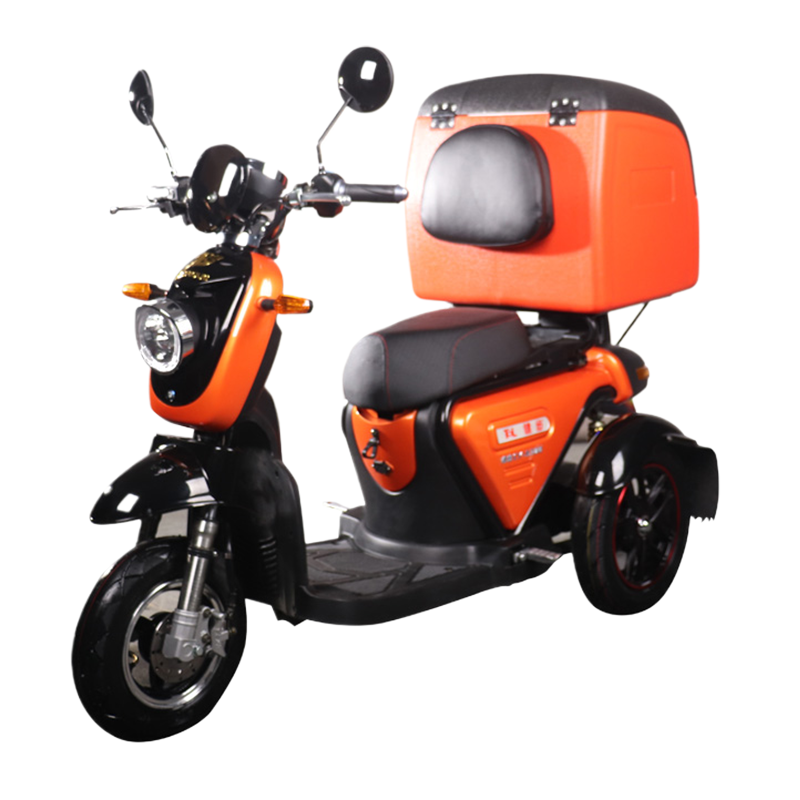
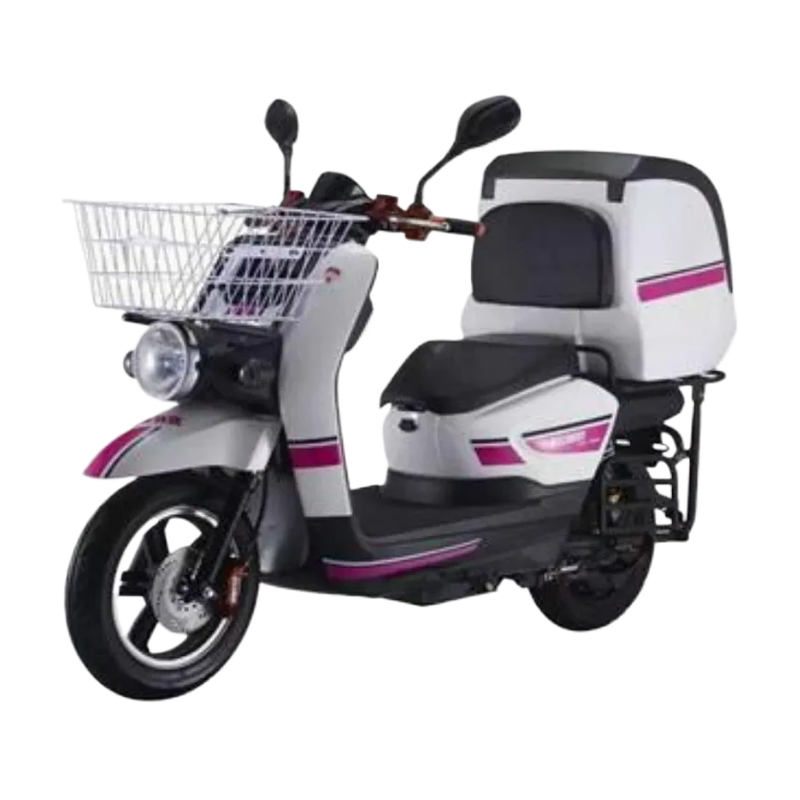
The versatility of solar-powered trikes is another significant advantage. They can be used in a variety of settings, from urban commuting to delivering goods in rural areas. Their adaptability makes them suitable for diverse purposes, allowing users to maximize the utility of a single vehicle.
4. Technological Advancements in Solar-Powered Trikes
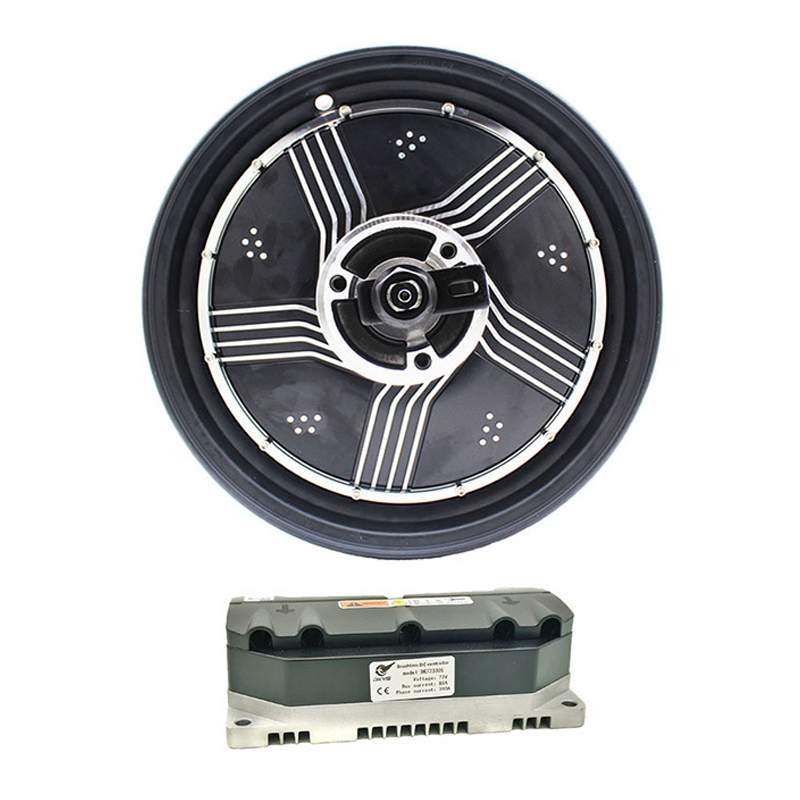
Innovations in solar technology are continuously enhancing the efficiency and performance of solar-powered trikes. Recent advancements include improved solar panel efficiency, enhanced battery storage systems, and lightweight materials that contribute to better performance. These innovations are not just making solar-powered trikes more efficient but also expanding their potential applications.
5. Real-World Applications of Solar-Powered Trikes
Across the globe, solar-powered trikes are being integrated into various sectors. In urban areas, they serve as eco-friendly taxis or delivery vehicles. In rural regions, they help farmers transport goods without relying on fossil fuels. Moreover, cities are utilizing solar-powered trikes for public transportation initiatives, thereby promoting sustainable mobility solutions.
6. Challenges Facing Solar-Powered Trikes and Potential Solutions
Despite their many advantages, solar-powered trikes face challenges that need addressing for widespread adoption. Concerns about range and battery life, initial costs, and infrastructure development for solar charging stations must be tackled. Solutions may include government incentives, advancements in battery technology, and public-private partnerships to improve infrastructure.
7. The Future of Solar-Powered Trikes in Urban Mobility
The future of solar-powered trikes looks promising. As cities focus on reducing congestion and pollution, the demand for sustainable transportation options is likely to increase. Innovations in technology and growing awareness of climate change will pave the way for broader acceptance and integration of solar-powered trikes in urban mobility solutions.
8. Conclusion
In summary, solar-powered trikes represent a significant advancement in sustainable transportation. Their eco-friendliness, cost savings, low maintenance, and versatility position them as a viable alternative to traditional vehicles. As technological advancements continue to evolve, the potential for solar-powered trikes in urban mobility expands, promising a brighter and greener future. The adoption of these innovative vehicles not only promotes efficiency but also contributes to a sustainable environment.
9. Frequently Asked Questions
1. What is a solar-powered trike?
A solar-powered trike is a three-wheeled vehicle that uses solar energy to operate, typically utilizing photovoltaic cells to convert sunlight into electricity.
2. How do solar-powered trikes compare to electric bikes?
While both are eco-friendly, solar-powered trikes often provide a more stable ride and can carry heavier loads due to their design, making them suitable for various applications.
3. What are the maintenance requirements for solar-powered trikes?
Solar-powered trikes typically require less maintenance than traditional vehicles, mainly focusing on battery care and periodic inspections of solar panels.
4. Are solar-powered trikes expensive?
The initial investment for solar-powered trikes may be higher than traditional vehicles, but the long-term savings on fuel and maintenance often offset the cost.
5. Can solar-powered trikes be used for commercial purposes?
Yes, solar-powered trikes can be effectively used for commercial purposes, such as delivery services or mobile vending, offering a sustainable alternative to conventional transport methods.


Recommended Reading
CONTACT
Phone Number : +86 512 6510 8165
Mobile Phone : +86 13771670476
Email : info@lexsongmoto.com
Office : Room 504, No.1 Building of Western Tower, Jiarui Mansion, No.400 Suzhou Ave. East, Industrial Park, Suzhou City, Jiangsu Province, China
Factory : B4 Chaoyang Industrial Square, Caohu Street, Suzhou City, Jiangsu Province, China

Apply to become an agent
Get exclusive discounts, product updates, and expert advice tailored specifically for you!