

The Future of Transportation: Exploring Two-Wheeled Electric Vehicles
09/27
2026
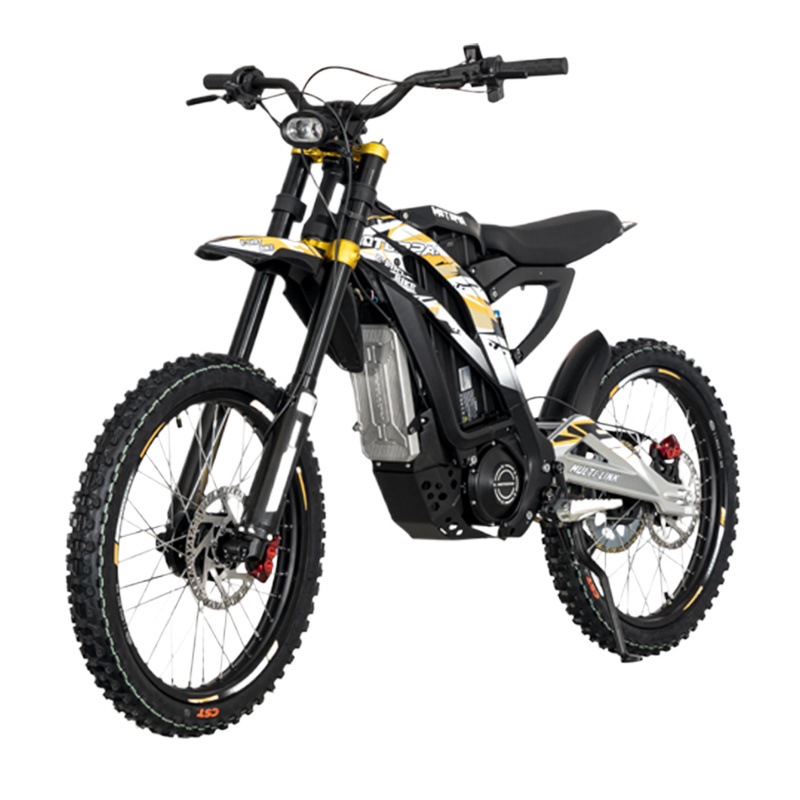
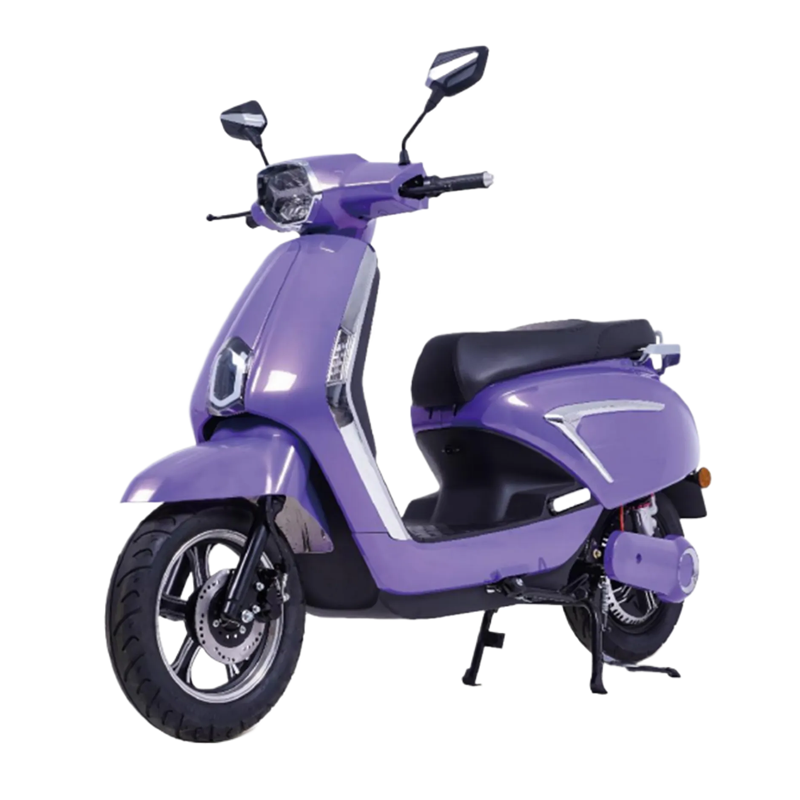
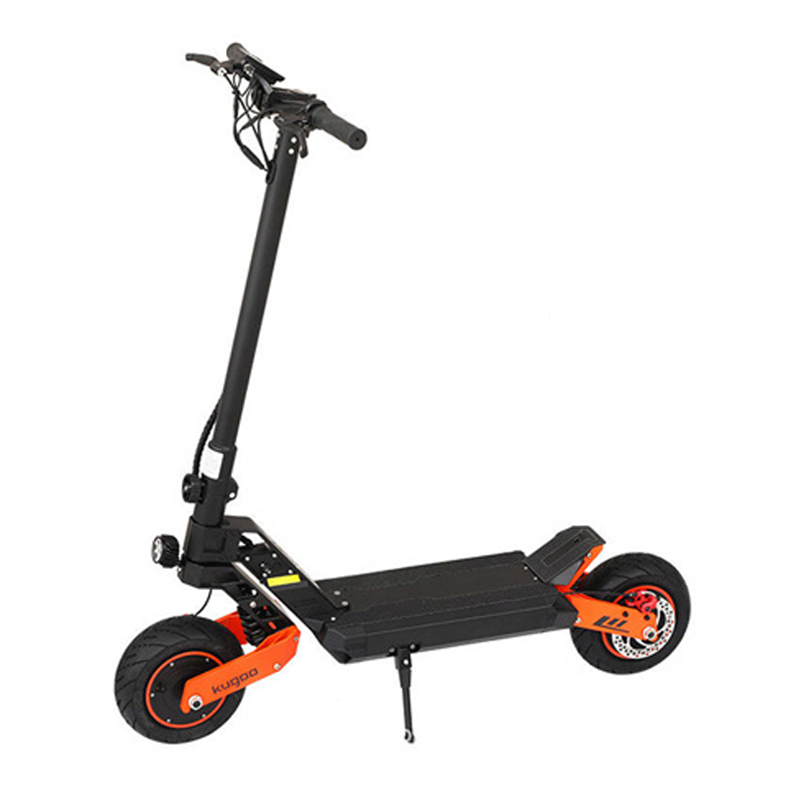
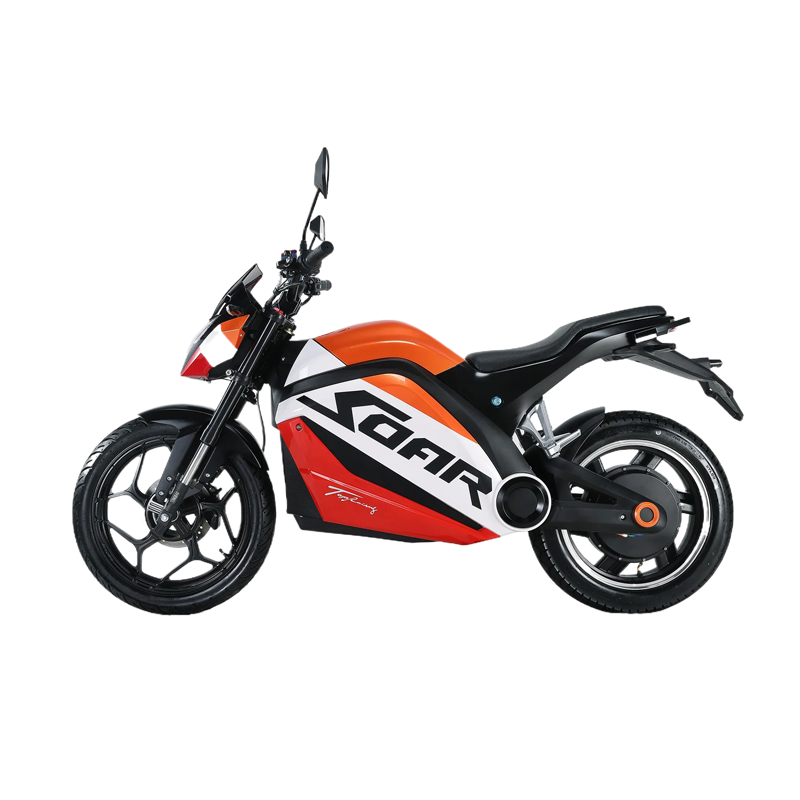
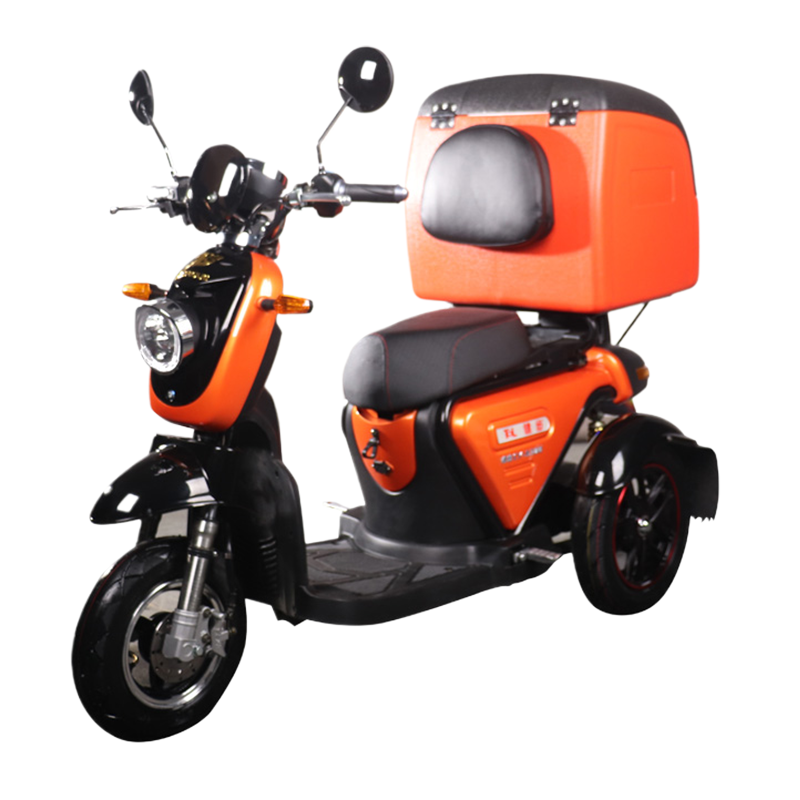
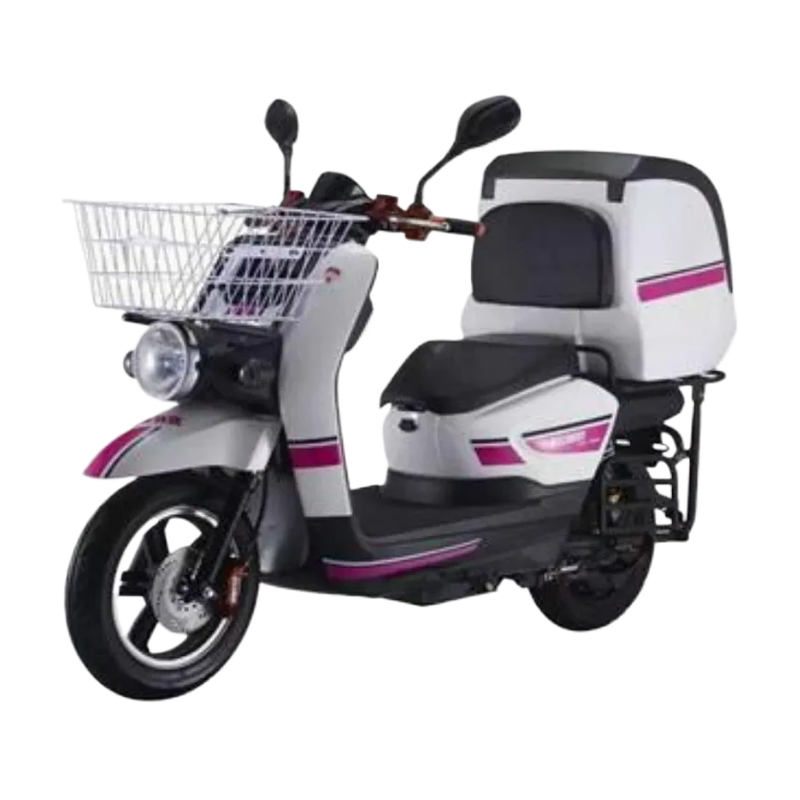
Two-Wheeled Electric Vehicles, including electric scooters and e-motorcycles, represent a significant shift in the way people think about personal transportation. With the rise of urbanization and the increasing emphasis on reducing carbon footprints, TWEVs provide a practical solution for both commuting and recreational use.
One of the primary advantages of TWEVs is their environmental impact. By utilizing electric power instead of fossil fuels, these vehicles contribute to a reduction in greenhouse gas emissions. This shift is crucial in the fight against climate change, as transportation is one of the leading contributors to air pollution. Additionally, many electric vehicles can be powered by renewable energy sources, further enhancing their eco-friendly credentials.
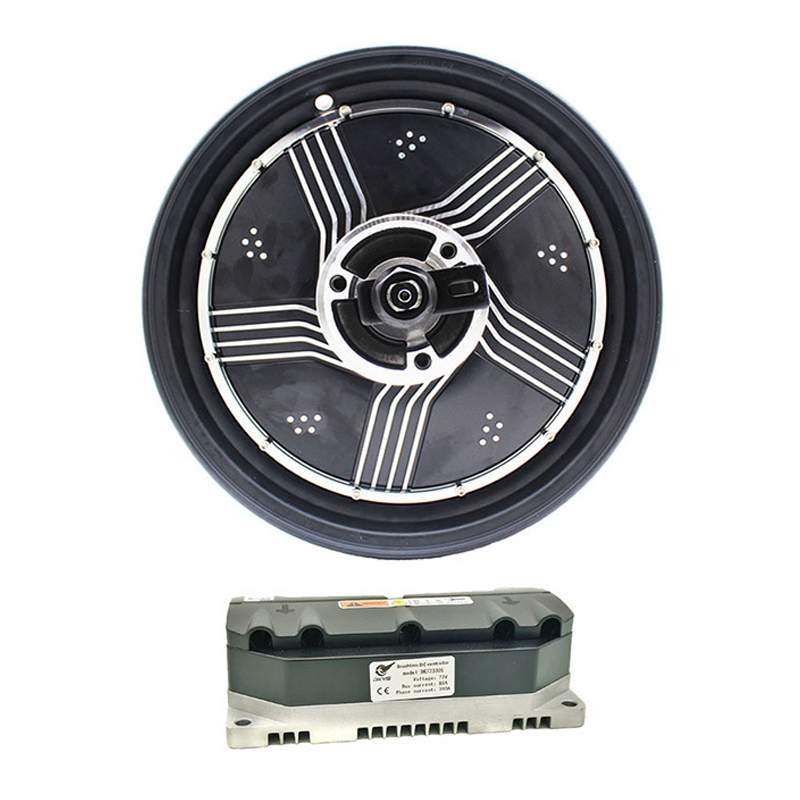
The technology behind Two-Wheeled Electric Vehicles has also advanced significantly. Modern electric scooters and motorcycles are equipped with efficient lithium-ion batteries that offer longer ranges, faster charging times, and a more reliable performance compared to older models. Many TWEVs can now cover distances comparable to traditional petrol motorcycles, making them practical for daily commutes and longer trips alike.
Furthermore, the design of TWEVs has evolved to enhance user experience. Most models feature lightweight materials, improved aerodynamics, and ergonomic designs that provide not only comfort but also better handling and maneuverability. With features such as regenerative braking and smart connectivity, riders can enjoy both the thrill of riding and the convenience of advanced technology.
Another important aspect of Two-Wheeled Electric Vehicles is their economic viability. As government incentives and subsidies for electric vehicles become more common, the initial purchase price of TWEVs is gradually decreasing. Moreover, the lower operating costs—due to minimal maintenance and the price advantage of electricity over gasoline—make them an appealing option for budget-conscious riders.
Looking ahead, the future of Two-Wheeled Electric Vehicles is bright. With ongoing advancements in battery technology, infrastructure development for charging stations, and increasing consumer acceptance, TWEVs are likely to play a crucial role in the evolution of urban mobility. As cities continue to adapt to the challenges of congestion and pollution, the adoption of electric scooters and motorcycles will likely expand, paving the way for a cleaner, more sustainable future.
In conclusion, Two-Wheeled Electric Vehicles offer numerous benefits that align with the contemporary demands of transportation. From environmental advantages to technological innovations, they are set to transform the way we commute and enjoy our journeys. As the industry evolves, staying informed about these developments will be essential for anyone interested in the future of personal mobility.
One of the primary advantages of TWEVs is their environmental impact. By utilizing electric power instead of fossil fuels, these vehicles contribute to a reduction in greenhouse gas emissions. This shift is crucial in the fight against climate change, as transportation is one of the leading contributors to air pollution. Additionally, many electric vehicles can be powered by renewable energy sources, further enhancing their eco-friendly credentials.
The technology behind Two-Wheeled Electric Vehicles has also advanced significantly. Modern electric scooters and motorcycles are equipped with efficient lithium-ion batteries that offer longer ranges, faster charging times, and a more reliable performance compared to older models. Many TWEVs can now cover distances comparable to traditional petrol motorcycles, making them practical for daily commutes and longer trips alike.
Furthermore, the design of TWEVs has evolved to enhance user experience. Most models feature lightweight materials, improved aerodynamics, and ergonomic designs that provide not only comfort but also better handling and maneuverability. With features such as regenerative braking and smart connectivity, riders can enjoy both the thrill of riding and the convenience of advanced technology.
Another important aspect of Two-Wheeled Electric Vehicles is their economic viability. As government incentives and subsidies for electric vehicles become more common, the initial purchase price of TWEVs is gradually decreasing. Moreover, the lower operating costs—due to minimal maintenance and the price advantage of electricity over gasoline—make them an appealing option for budget-conscious riders.
Looking ahead, the future of Two-Wheeled Electric Vehicles is bright. With ongoing advancements in battery technology, infrastructure development for charging stations, and increasing consumer acceptance, TWEVs are likely to play a crucial role in the evolution of urban mobility. As cities continue to adapt to the challenges of congestion and pollution, the adoption of electric scooters and motorcycles will likely expand, paving the way for a cleaner, more sustainable future.
In conclusion, Two-Wheeled Electric Vehicles offer numerous benefits that align with the contemporary demands of transportation. From environmental advantages to technological innovations, they are set to transform the way we commute and enjoy our journeys. As the industry evolves, staying informed about these developments will be essential for anyone interested in the future of personal mobility.


Recommended Reading
CONTACT
Phone Number : +86 512 6510 8165
Mobile Phone : +86 13771670476
Email : info@lexsongmoto.com
Office : Room 504, No.1 Building of Western Tower, Jiarui Mansion, No.400 Suzhou Ave. East, Industrial Park, Suzhou City, Jiangsu Province, China
Factory : B4 Chaoyang Industrial Square, Caohu Street, Suzhou City, Jiangsu Province, China

Apply to become an agent
Get exclusive discounts, product updates, and expert advice tailored specifically for you!