

Electric Two-Wheelers: The Ultimate Eco-Friendly Choice for Modern Riders
09/29
2026
Electric Two-Wheelers: The Eco-Friendly Choice for Modern Riders
Table of Contents
- Introduction to Electric Two-Wheelers
- Eco-Friendly Benefits of Electric Two-Wheelers
- Technological Advancements in Electric Motorcycles
- Types of Electric Two-Wheelers Available
- Cost Effectiveness of Electric Two-Wheelers
- The Evolving Charging Infrastructure
- Environmental Impact of Electric Two-Wheelers
- The Future of Electric Two-Wheelers
- FAQs About Electric Two-Wheelers
- Conclusion
Introduction to Electric Two-Wheelers
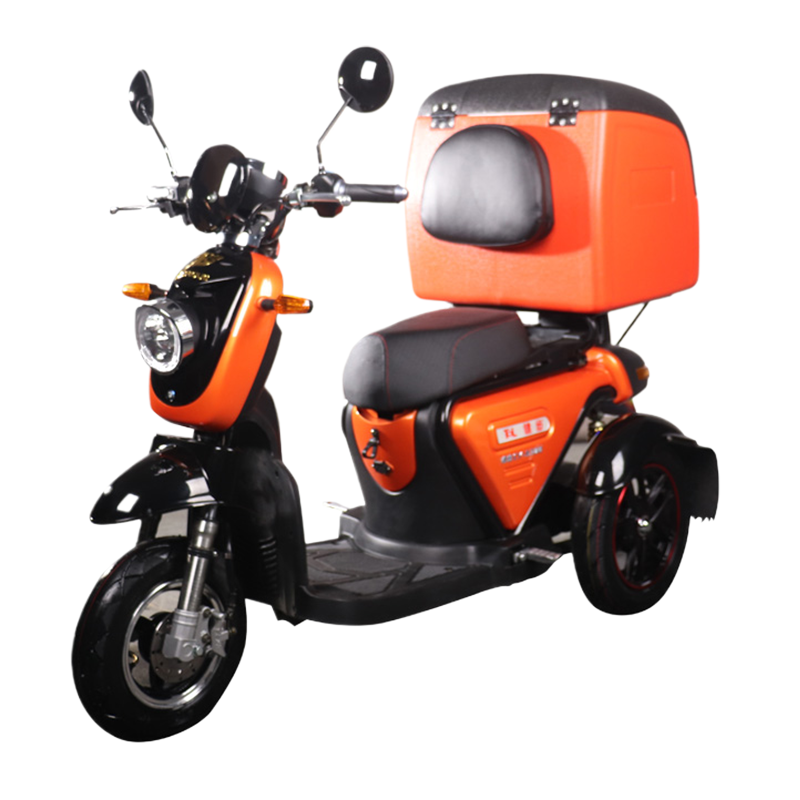
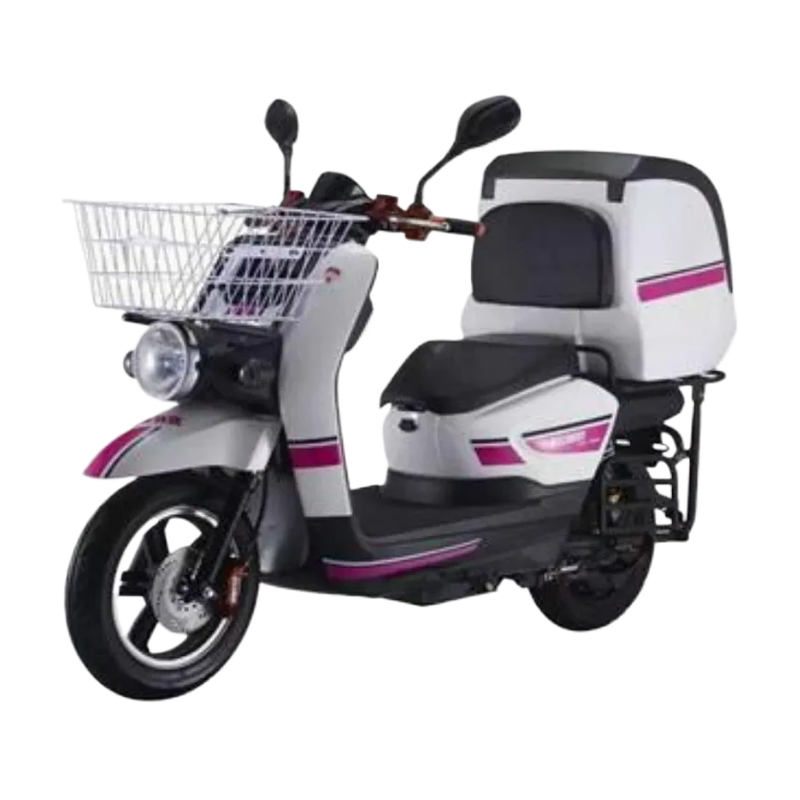
As urban areas continue to expand, the demand for sustainable transportation options has grown significantly. **Electric two-wheelers**—including electric motorcycles and scooters—are emerging as a leading solution for eco-conscious riders. These vehicles not only provide an efficient means of commuting but also significantly reduce our carbon footprint. In this article, we delve deep into the various aspects of electric two-wheelers, exploring their benefits, technological advancements, and their undeniable role in shaping the future of transportation.
Eco-Friendly Benefits of Electric Two-Wheelers
One of the most compelling arguments for transitioning to electric two-wheelers is their eco-friendly nature. Unlike their gas-powered counterparts, electric bikes produce zero tailpipe emissions. This feature makes them ideal for urban environments, where air pollution is a growing concern.
**Key Eco-Friendly Benefits include:**
Reduced Air Pollution
Electric two-wheelers contribute to cleaner air by eliminating harmful emissions such as nitrogen oxides and particulate matter. By riding electric, enthusiasts actively participate in reducing **urban air pollution**, promoting public health.
Lower Carbon Footprint
The lifecycle of electric motorcycles is substantially less harmful to the environment compared to traditional vehicles. From production to disposal, electric two-wheelers have a reduced carbon footprint, especially when charged using renewable energy sources.
Noise Pollution Reduction
In addition to their environmental benefits, electric two-wheelers are significantly quieter than gas-powered bikes. The reduction in noise pollution contributes to a more peaceful urban landscape, enhancing the quality of life for residents.
Technological Advancements in Electric Motorcycles
The evolution of technology in electric two-wheelers has been remarkable. Innovations in battery technology, motor efficiency, and smart features have greatly enhanced the riding experience.
Battery Technology
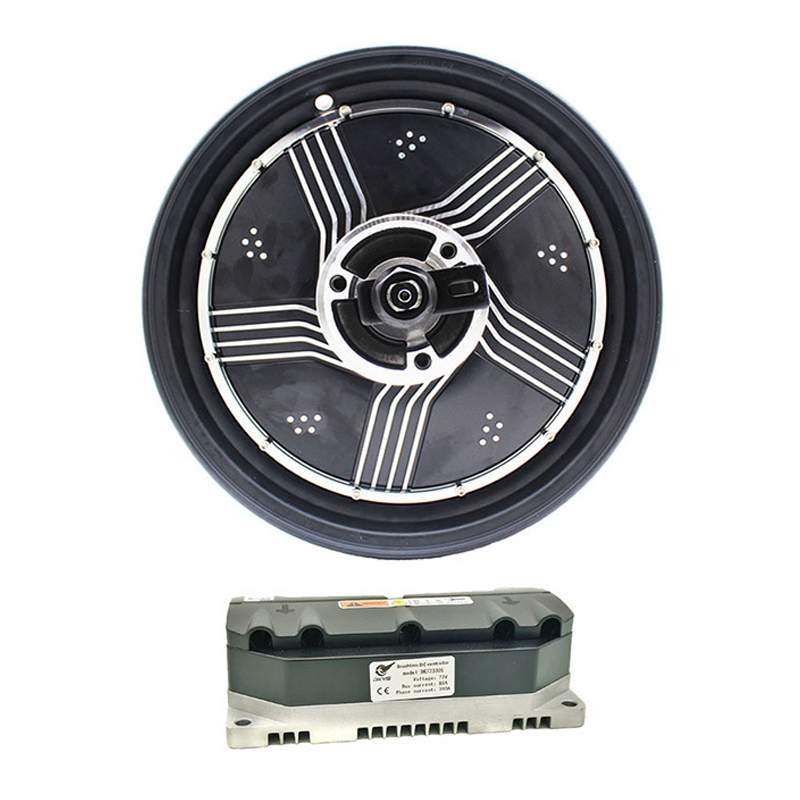
Modern electric motorcycles are equipped with advanced lithium-ion batteries that offer higher energy density and longer life. With innovations such as fast-charging capabilities and battery swapping stations, riders can enjoy longer rides with less downtime.
Regenerative Braking Systems
Many electric two-wheelers now feature regenerative braking systems that recover energy during braking, extending the range of the vehicle and improving efficiency.
Smart Connectivity Features
The latest models come with integrated smart technology, offering features such as GPS navigation, Bluetooth connectivity, and mobile app integration, allowing riders to seamlessly interact with their devices while on the go.
Types of Electric Two-Wheelers Available
The market offers a variety of electric two-wheelers, catering to different preferences and needs.
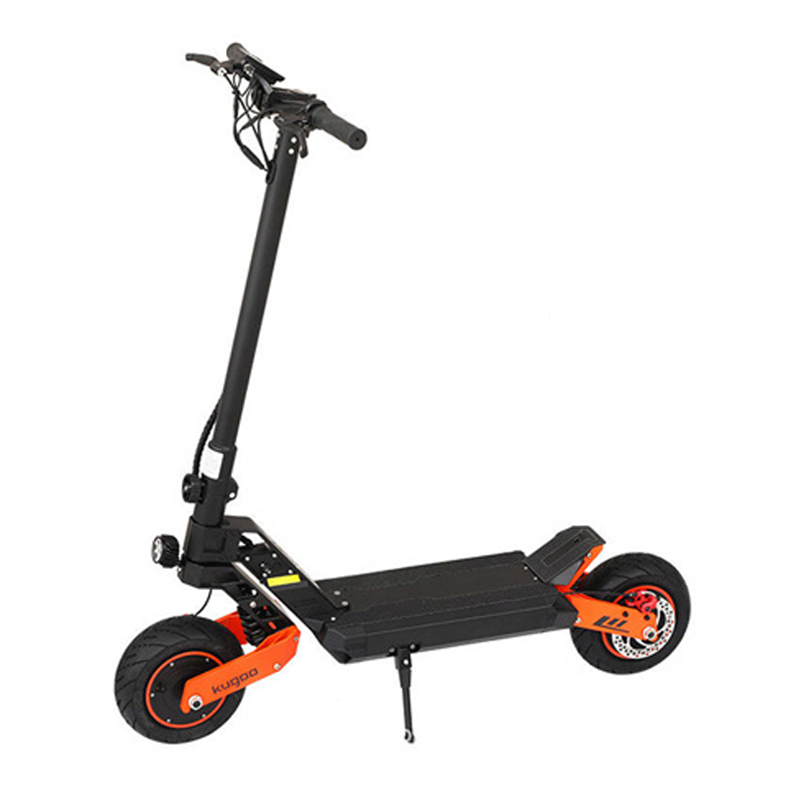
Electric Scooters
Ideal for short commutes, electric scooters are lightweight and user-friendly. They are perfect for navigating busy urban environments and are often more affordable than motorcycles.
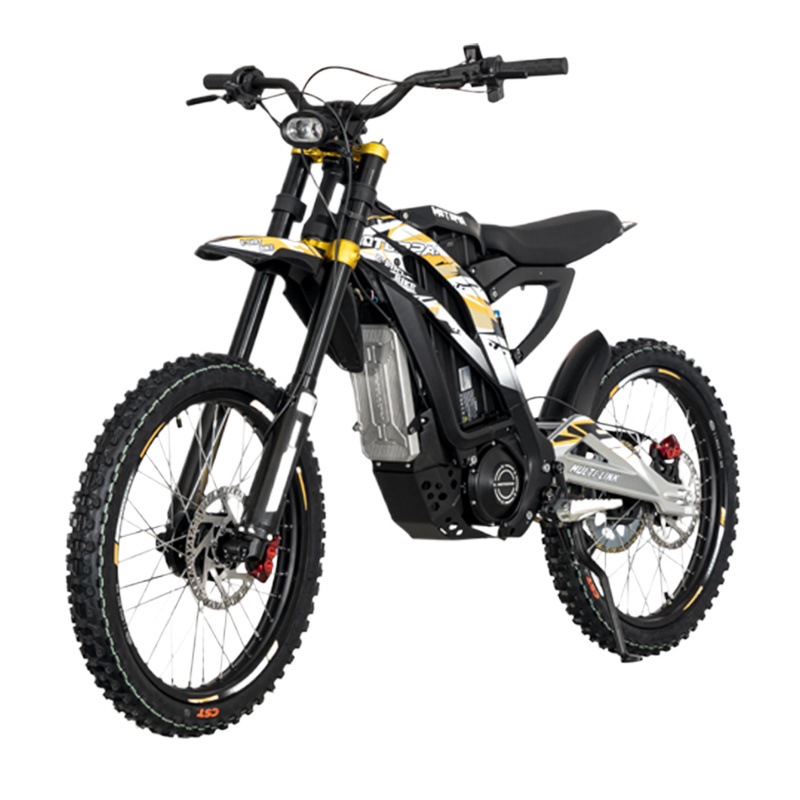
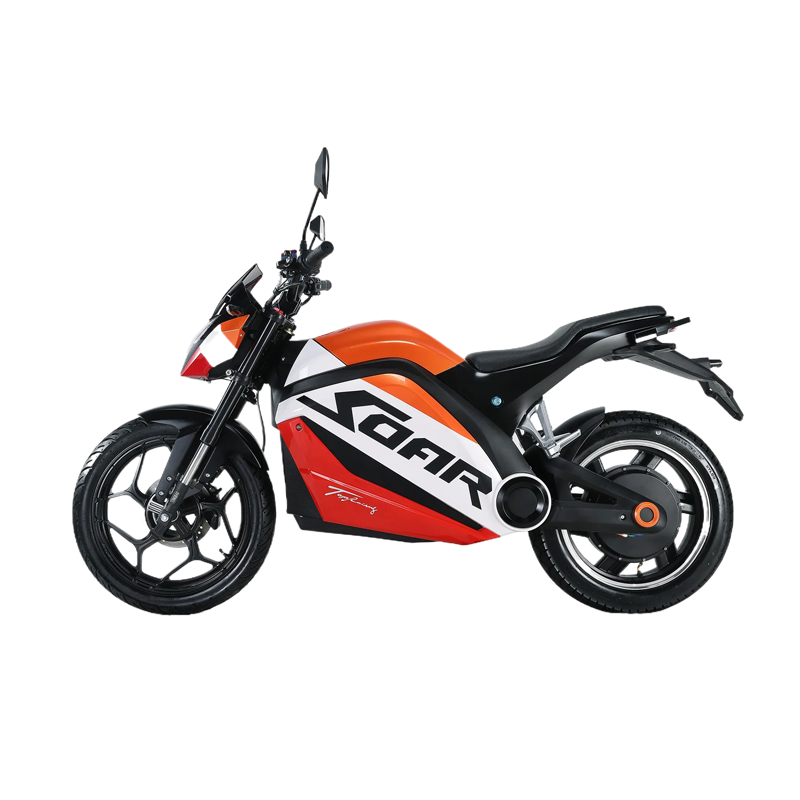
Electric Motorcycles
For those seeking a more powerful ride, electric motorcycles deliver superior performance and speed. Brands like Harley-Davidson and Zero Motorcycles lead the charge in this segment, blending traditional motorcycle aesthetics with cutting-edge technology.
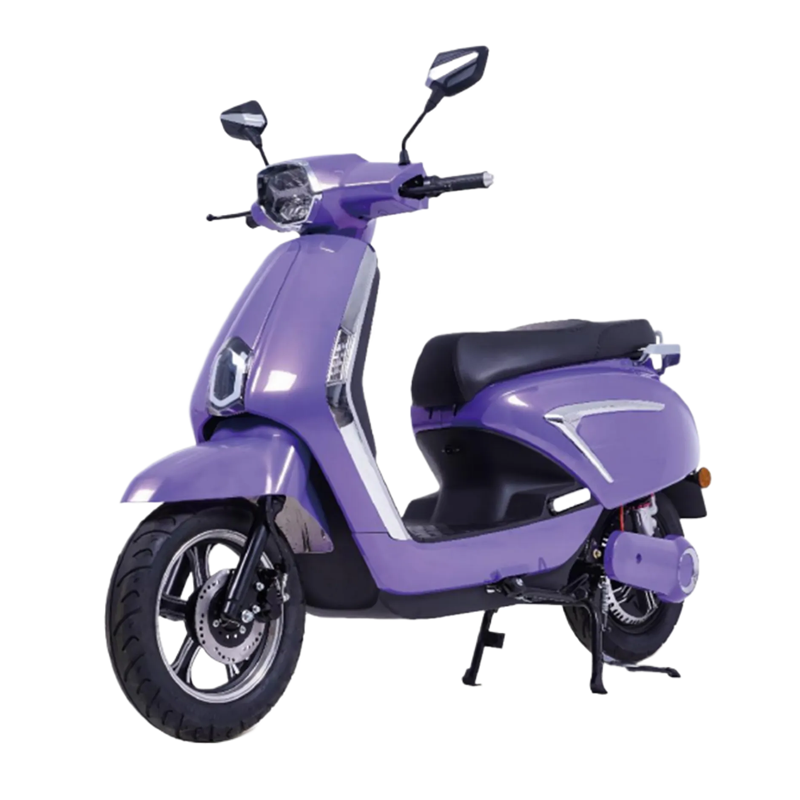
Electric Mopeds
Electric mopeds combine the ease of scooters with the performance of motorcycles. They are great for urban commuters looking for a balance between power and convenience.
Cost Effectiveness of Electric Two-Wheelers
Investing in an electric two-wheeler proves to be cost-effective in the long run. Although the initial purchase price may be higher than a gas-powered vehicle, the savings in fuel and maintenance costs quickly add up.
Fuel Savings
Electric two-wheelers cost significantly less to "refuel" compared to gas motorcycles. The average cost per mile for an electric vehicle is considerably lower than that of traditional fuels.
Lower Maintenance Costs
Electric motorcycles have fewer moving parts than their gas counterparts, leading to reduced wear and tear. This results in lower maintenance and repair costs over the vehicle's lifetime.
Government Incentives
Many governments offer incentives for purchasing electric vehicles, including tax credits, rebates, and grants. These financial benefits can further lower the overall cost of ownership.
The Evolving Charging Infrastructure
As electric two-wheelers gain popularity, charging infrastructure is expanding rapidly. Access to charging stations has become more convenient, making it easier for riders to maintain their vehicles.
Public Charging Stations
Cities worldwide are investing in public charging stations, ensuring that electric two-wheeler riders have access to charging points during their commutes. These stations are often located at strategic points such as parking lots, shopping centers, and busy streets.
Home Charging Solutions
Many electric two-wheeler owners opt for home charging solutions, which can be installed in garages or driveways. This convenience allows riders to charge their vehicles overnight, ensuring they are ready for use the next day.
Fast Charging Technologies
The introduction of fast-charging technologies has revolutionized the way we think about electric vehicle charging. Many new models can reach an 80% charge within an hour, drastically reducing downtime for riders.
Environmental Impact of Electric Two-Wheelers
Electric two-wheelers significantly mitigate environmental issues associated with traditional transportation. Their impact extends beyond reduced emissions to include the conservation of resources and wildlife.
Resource Conservation
Electric motorcycles promote resource conservation by reducing the demand for fossil fuels. As more riders transition to electric, the strain on oil reserves diminishes.
Wildlife Protection
Less noise and pollution contribute to healthier ecosystems, allowing wildlife to thrive in urban settings. By choosing electric, we play a part in preserving the habitats of countless species.
Community Health Benefits
The reduction in air and noise pollution contributes positively to public health. As cities adopt electric mobility solutions, residents experience fewer health issues related to pollution.
The Future of Electric Two-Wheelers
The future of electric two-wheelers looks promising, with ongoing advancements and increasing acceptance. As technology continues to improve, we can expect enhanced performance, affordability, and reliability.
Growing Market Demand
Consumer demand for electric two-wheelers is on the rise, leading to more manufacturers entering the market. This competition fosters innovation, driving down prices and improving product offerings.
Integration with Smart Cities
As cities evolve into smart cities, electric two-wheelers will play a crucial role in sustainable urban mobility. Integration with public transportation, smart grids, and digital payment systems will create a seamless travel experience.
Global Initiatives for Sustainability
Governments worldwide are adopting policies to encourage the use of electric vehicles. This momentum will likely drive further investment in research, development, and infrastructure, solidifying electric two-wheelers as a mainstream choice for modern riders.
FAQs About Electric Two-Wheelers
1. What is the average range of electric two-wheelers?
The average range of electric two-wheelers varies by model but typically ranges from 40 to 150 miles on a full charge, depending on battery capacity and riding conditions.
2. How long does it take to charge an electric two-wheeler?
Charging times depend on the charger and the bike's battery size. Standard home chargers can take 4-8 hours, while fast chargers can provide up to 80% charge in about an hour.
3. Are electric two-wheelers more expensive than gas-powered motorcycles?
While the initial purchase price of electric two-wheelers may be higher, the long-term savings in fuel and maintenance make them a more cost-effective choice.
4. Do electric two-wheelers require special licenses?
Licensing requirements for electric two-wheelers vary by region. It's essential to check local regulations to ensure compliance.
5. How do electric two-wheelers perform in different weather conditions?
Electric two-wheelers are designed to handle various weather conditions. However, riders should exercise caution in extreme weather, particularly in heavy rain or snow.
Conclusion
Electric two-wheelers represent a significant advancement in sustainable transportation, offering numerous benefits for riders and the environment alike. With their eco-friendly nature, cost efficiency, and ongoing technological advancements, these vehicles are poised to transform urban mobility. As we embrace the green revolution, electric motorcycles and scooters stand out as the **best choice for modern riders**, paving the way for a cleaner, healthier future. Embrace the change, and consider making the switch to an electric two-wheeler today!


Recommended Reading
CONTACT
Phone Number : +86 512 6510 8165
Mobile Phone : +86 13771670476
Email : info@lexsongmoto.com
Office : Room 504, No.1 Building of Western Tower, Jiarui Mansion, No.400 Suzhou Ave. East, Industrial Park, Suzhou City, Jiangsu Province, China
Factory : B4 Chaoyang Industrial Square, Caohu Street, Suzhou City, Jiangsu Province, China

Apply to become an agent
Get exclusive discounts, product updates, and expert advice tailored specifically for you!