

How Electric Vehicle Controllers Work: A Deep Dive into Technology
09/25
2026
How Electric Vehicle Controllers Work: A Deep Dive into Technology
Table of Contents
- 1. Introduction to Electric Vehicle Controllers
- 2. What Is an Electric Vehicle Controller?
- 3. Types of Electric Vehicle Controllers
- 4. How Do Electric Vehicle Controllers Work?
- 5. Key Components of Electric Vehicle Controllers
- 6. Advantages of Electric Vehicle Controllers
- 7. Challenges and Future of Electric Vehicle Controllers
- 8. Frequently Asked Questions
- 9. Conclusion
1. Introduction to Electric Vehicle Controllers
As the world shifts toward sustainable energy solutions, electric vehicles (EVs) have emerged as a promising alternative to traditional gasoline-powered cars. At the core of every electric vehicle lies a crucial component: the **electric vehicle controller**. This piece of technology plays a vital role in managing the performance, efficiency, and safety of electric vehicles. Understanding how electric vehicle controllers work is essential for grasping the broader technology behind EVs and their rapid evolution.
2. What Is an Electric Vehicle Controller?
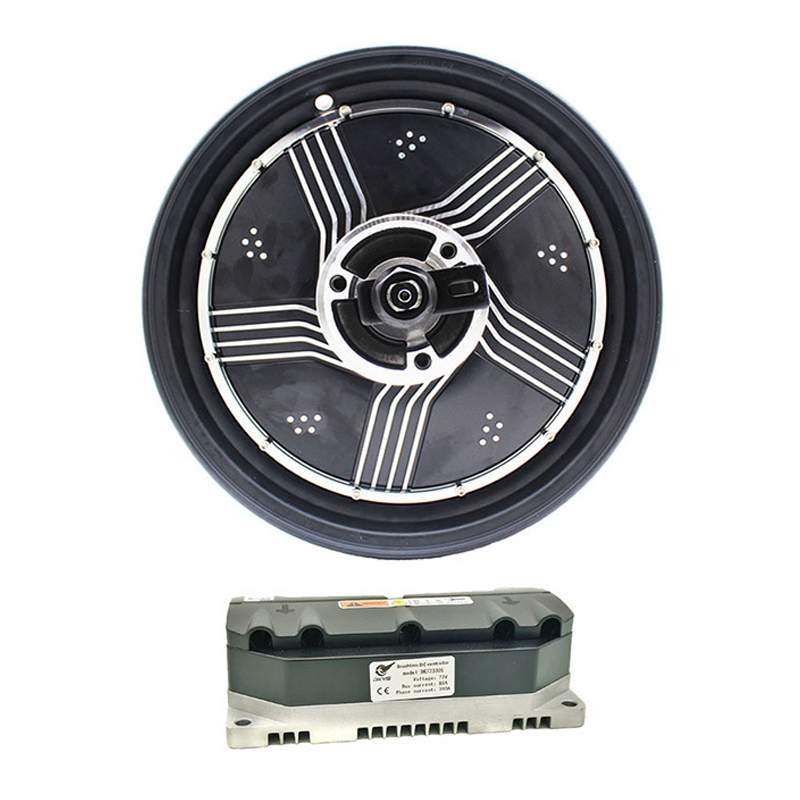
An electric vehicle controller is an electronic device that regulates the power delivered to the electric motor. It acts as the brain of the electric vehicle, interpreting inputs from the driver and the vehicle's various sensors to control speed, acceleration, and overall performance. By adjusting the power supplied to the motor, the controller ensures a smooth driving experience while maximizing energy efficiency.
3. Types of Electric Vehicle Controllers
Electric vehicle controllers can be classified into two main categories: **DC motor controllers** and **AC motor controllers**. Each type has its unique advantages and applications.
3.1 DC Motor Controllers
DC motor controllers are primarily used in simpler electric vehicles, such as electric scooters and small electric cars. These controllers manage the power delivered to DC motors and can vary speed through a technique known as pulse-width modulation (PWM). The advantage of DC motor controllers lies in their simplicity and cost-effectiveness.
3.2 AC Motor Controllers
AC motor controllers are commonly found in more advanced electric vehicles, including electric cars and buses. These controllers are capable of driving AC motors, which offer higher efficiency and better torque characteristics than their DC counterparts. AC motor controllers use sophisticated algorithms to optimize power delivery, enhancing performance and extending battery life.
4. How Do Electric Vehicle Controllers Work?
Electric vehicle controllers work by receiving input signals from the accelerator pedal, brake system, and other vehicle sensors. When the driver presses the accelerator, the controller interprets this signal and determines how much power to deliver to the electric motor.
The process can be broken down into several key steps:
1. **Signal Processing**: The controller receives input from various sources, including the accelerator pedal position and battery state.
2. **Decision Making**: Based on the input, the controller decides how much power to send to the motor.
3. **Power Conversion**: The controller converts the DC voltage from the battery into AC voltage (in the case of AC motors) or modulates the DC voltage for DC motors.
4. **Motor Control**: The controller adjusts the power sent to the motor, enabling the vehicle to accelerate, decelerate, or maintain speed.
This seamless interaction between the driver and the vehicle's systems is what makes electric vehicles responsive and efficient.
5. Key Components of Electric Vehicle Controllers
Electric vehicle controllers consist of several critical components that work together to ensure optimal performance. The main components include:
5.1 Microcontroller
The microcontroller serves as the core processing unit of the electric vehicle controller. It processes inputs, executes control algorithms, and communicates with other systems in the vehicle. A powerful microcontroller is essential for handling the complex calculations required to optimize motor performance.
5.2 Power Stage
The power stage is responsible for transforming the electrical energy from the battery into a form that the motor can use. In AC motor controllers, this usually involves an inverter that converts DC to AC, while in DC motor controllers, it manages the PWM signal to control the motor's speed.
5.3 Software
The software integrated into the controller contains the algorithms that govern how the vehicle responds to driver inputs. This includes torque control, regenerative braking, and thermal management. The software is continually updated to improve performance and efficiency, adapting to changes in technology and user preferences.
6. Advantages of Electric Vehicle Controllers
Electric vehicle controllers provide several advantages:
- **Enhanced Efficiency**: Controllers optimize power delivery to the motor, maximizing battery life and minimizing energy waste.
- **Improved Performance**: By allowing for precise control of motor output, electric vehicle controllers enable smooth acceleration and deceleration, greatly enhancing the driving experience.
- **Safety Features**: Many controllers include safety features such as overcurrent protection and thermal management, ensuring the vehicle operates safely under various conditions.
7. Challenges and Future of Electric Vehicle Controllers
While electric vehicle controllers have come a long way, challenges remain. The need for rapid advancements in technology often outpaces the development of controller systems. Additionally, as electric vehicles become more sophisticated, controllers must integrate with other systems, such as advanced driver-assistance systems (ADAS), creating complexities in design and functionality.
Looking ahead, we anticipate several trends in electric vehicle controller technology:
- **Integration of Artificial Intelligence**: AI can enhance decision-making processes, allowing for real-time adjustments based on driving conditions and user preferences.
- **Increased Scalability**: As electric vehicle technology evolves, controllers must be scalable to accommodate a range of vehicle types and configurations.
- **Enhanced Communication**: Future controllers will likely integrate more sophisticated communication protocols to enable better interaction with other vehicle systems and infrastructure.
8. Frequently Asked Questions
1. What role does the electric vehicle controller play in overall vehicle performance?
The electric vehicle controller regulates power to the motor, directly influencing acceleration, deceleration, and efficiency.
2. How do AC motor controllers differ from DC motor controllers?
AC motor controllers are used for more advanced vehicles, providing higher efficiency and better torque characteristics, while DC motor controllers are simpler and cost-effective.
3. Can electric vehicle controllers be upgraded?
Yes, many modern controllers allow for software updates that can enhance performance and introduce new features.
4. What safety features are included in electric vehicle controllers?
Safety features may include overcurrent protection, thermal management, and fault detection systems to prevent damage and ensure safe operation.
5. How does the controller impact the vehicle's range?
A well-optimized controller enhances battery efficiency, contributing to a longer driving range by minimizing energy waste during operation.
9. Conclusion
Electric vehicle controllers are essential components that significantly impact the performance and efficiency of electric vehicles. By regulating power delivery to the motor, these devices ensure a responsive driving experience while optimizing energy usage. As technology continues to advance, the future of electric vehicle controllers looks promising, with innovations aimed at enhancing efficiency, safety, and integration with other vehicle systems. Understanding how electric vehicle controllers work not only sheds light on EV technology but also highlights the exciting potential for sustainable transportation solutions.


Recommended Reading
CONTACT
Phone Number : +86 512 6510 8165
Mobile Phone : +86 13771670476
Email : info@lexsongmoto.com
Office : Room 504, No.1 Building of Western Tower, Jiarui Mansion, No.400 Suzhou Ave. East, Industrial Park, Suzhou City, Jiangsu Province, China
Factory : B4 Chaoyang Industrial Square, Caohu Street, Suzhou City, Jiangsu Province, China

Apply to become an agent
Get exclusive discounts, product updates, and expert advice tailored specifically for you!