

Maximizing Urban Mobility: The Rise of E-Scooters in the Toy and Recreation Industry
08/30
2026
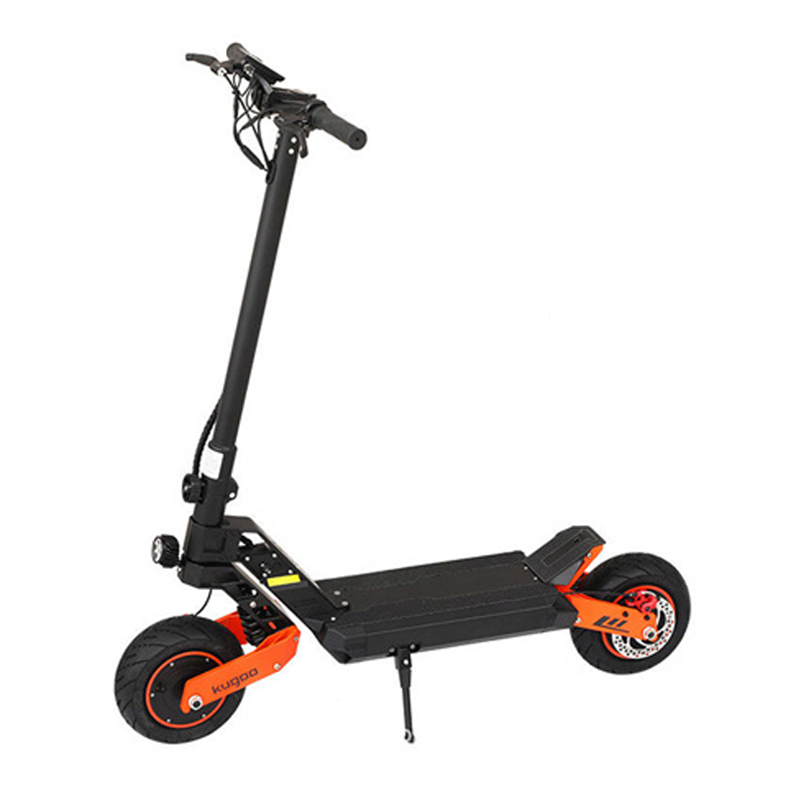
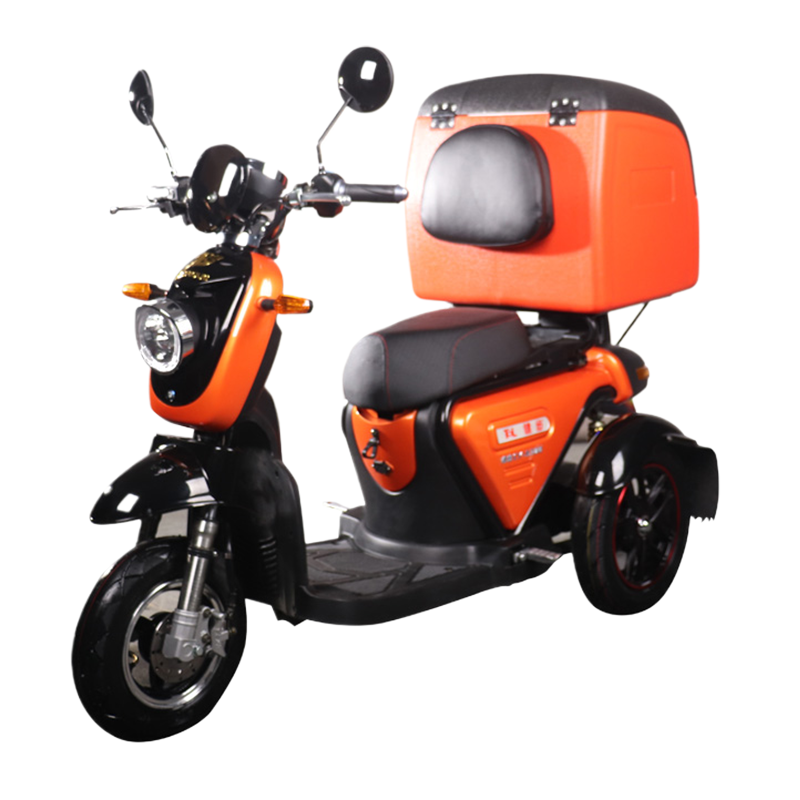
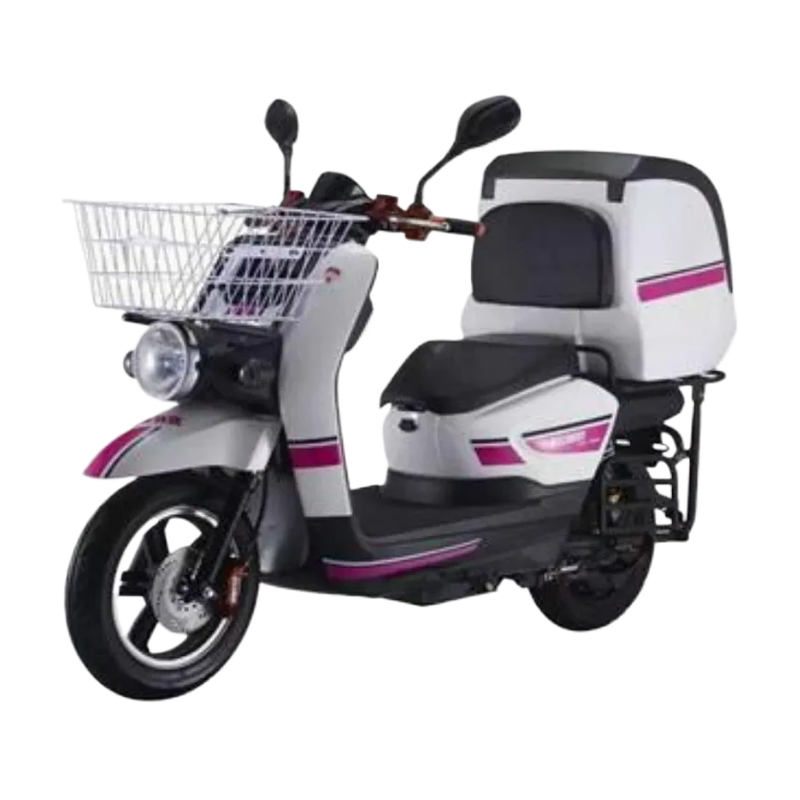
Urban e-scooters have revolutionized how people navigate city environments. These electric scooters offer a convenient and eco-friendly alternative to traditional forms of transportation, fitting seamlessly into the fast-paced lifestyle of metropolitan areas. The surge in urban e-scooter adoption can be attributed to several key factors, making it essential for professionals in the toy and recreation industry to understand their significance.
One of the primary advantages of urban e-scooters is their ease of use. With a simple design and user-friendly controls, they cater to a wide demographic, from young professionals to students and tourists. This accessibility opens up avenues for businesses to target various customer segments, promoting e-scooters as not just a mode of transport but also as a fun recreational activity. In addition, the lightweight nature of most e-scooters makes them portable, allowing users to combine them with public transportation for a seamless travel experience.
Safety remains a crucial consideration in the urban e-scooter landscape. Companies should prioritize the development of safety features such as integrated lights, reflectors, and improved braking systems. Educating consumers about safe riding practices can further enhance the appeal of these products while promoting responsible use. Offering accessories like helmets and protective gear can also create additional revenue streams and reinforce a commitment to safety.
The environmental benefits of urban e-scooters cannot be overlooked. Their electric motors significantly reduce carbon emissions compared to traditional vehicles, positioning them as a sustainable alternative. This eco-friendly aspect resonates well with modern consumers who are increasingly conscious of their environmental impact. Businesses can leverage this by marketing e-scooters as a green choice, providing a compelling narrative that aligns with current consumer values.
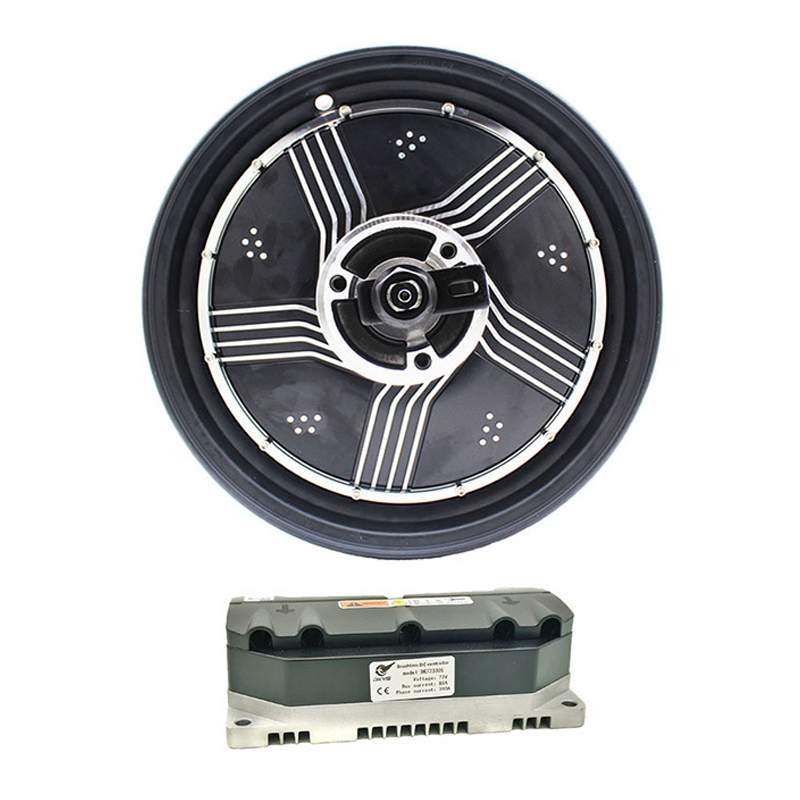
Moreover, the integration of technology into urban e-scooters presents exciting prospects for innovation. Features such as GPS tracking, smartphone connectivity, and ride-sharing capabilities can enhance user experience and engagement. Companies that embrace these technological advancements will not only meet consumer demands but also set themselves apart in a competitive market.
In conclusion, urban e-scooters are more than just a fleeting trend; they represent a significant shift in urban mobility and consumer behavior. For professionals in the toy and recreation industry, understanding this landscape is crucial for capitalizing on emerging opportunities. By focusing on safety, sustainability, and technological innovation, businesses can effectively navigate the evolving market of urban e-scooters, catering to the needs and preferences of today's consumers while fostering a dynamic and responsible riding culture.
One of the primary advantages of urban e-scooters is their ease of use. With a simple design and user-friendly controls, they cater to a wide demographic, from young professionals to students and tourists. This accessibility opens up avenues for businesses to target various customer segments, promoting e-scooters as not just a mode of transport but also as a fun recreational activity. In addition, the lightweight nature of most e-scooters makes them portable, allowing users to combine them with public transportation for a seamless travel experience.
Safety remains a crucial consideration in the urban e-scooter landscape. Companies should prioritize the development of safety features such as integrated lights, reflectors, and improved braking systems. Educating consumers about safe riding practices can further enhance the appeal of these products while promoting responsible use. Offering accessories like helmets and protective gear can also create additional revenue streams and reinforce a commitment to safety.
The environmental benefits of urban e-scooters cannot be overlooked. Their electric motors significantly reduce carbon emissions compared to traditional vehicles, positioning them as a sustainable alternative. This eco-friendly aspect resonates well with modern consumers who are increasingly conscious of their environmental impact. Businesses can leverage this by marketing e-scooters as a green choice, providing a compelling narrative that aligns with current consumer values.
Moreover, the integration of technology into urban e-scooters presents exciting prospects for innovation. Features such as GPS tracking, smartphone connectivity, and ride-sharing capabilities can enhance user experience and engagement. Companies that embrace these technological advancements will not only meet consumer demands but also set themselves apart in a competitive market.
In conclusion, urban e-scooters are more than just a fleeting trend; they represent a significant shift in urban mobility and consumer behavior. For professionals in the toy and recreation industry, understanding this landscape is crucial for capitalizing on emerging opportunities. By focusing on safety, sustainability, and technological innovation, businesses can effectively navigate the evolving market of urban e-scooters, catering to the needs and preferences of today's consumers while fostering a dynamic and responsible riding culture.


Recommended Reading
CONTACT
Phone Number : +86 512 6510 8165
Mobile Phone : +86 13771670476
Email : info@lexsongmoto.com
Office : Room 504, No.1 Building of Western Tower, Jiarui Mansion, No.400 Suzhou Ave. East, Industrial Park, Suzhou City, Jiangsu Province, China
Factory : B4 Chaoyang Industrial Square, Caohu Street, Suzhou City, Jiangsu Province, China

Apply to become an agent
Get exclusive discounts, product updates, and expert advice tailored specifically for you!