

How Solar-Powered Trikes Are Revolutionizing Urban Mobility
08/24
2026
How Solar-Powered Trikes Are Revolutionizing Urban Mobility
Table of Contents
- 1. Introduction to Solar-Powered Trikes
- 2. The Emergence of Sustainable Transport
- 3. Benefits of Solar-Powered Trikes
- 4. How Solar-Powered Trikes Work
- 5. Urban Mobility Challenges Addressed
- 6. The Future of Urban Mobility
- 7. Case Studies of Successful Implementation
- 8. Frequently Asked Questions
- 9. Conclusion
1. Introduction to Solar-Powered Trikes
In recent years, the urban landscape has faced significant challenges regarding transportation. Rapid population growth, increased pollution levels, and the need for sustainable solutions have pushed cities to explore innovative modes of transport. **Solar-powered trikes** have emerged as a beacon of hope in this endeavor. These eco-friendly vehicles combine the efficiency of traditional tricycles with the advantages of solar energy, creating a viable alternative to conventional urban transportation.
Solar-powered trikes are not only environmentally friendly; they are also designed to enhance mobility in congested urban areas. By utilizing renewable energy, these vehicles serve as a sustainable option for short-distance travel, catering to the growing demand for green transportation solutions.
2. The Emergence of Sustainable Transport
As urbanization accelerates, the demand for effective and eco-friendly transportation solutions has never been more critical. Traditional vehicles contribute to traffic congestion and air pollution, prompting cities worldwide to seek alternatives. The rise of sustainable transport options, including electric bicycles and scooters, has paved the way for innovations like solar-powered trikes.
These trikes represent a new era in urban mobility. Not only do they minimize the ecological footprint, but they also offer a convenient and efficient means of transportation. Cities are now adapting to this trend, recognizing the need for accessible and sustainable transport systems that prioritize the environment and public health.
3. Benefits of Solar-Powered Trikes
The adoption of solar-powered trikes offers numerous advantages, making them an appealing choice for urban transportation:
3.1. Environmental Impact
Solar-powered trikes significantly reduce greenhouse gas emissions compared to conventional vehicles. By harnessing solar energy, these trikes contribute to cleaner air and a healthier urban environment.
3.2. Cost-Effectiveness
Operating a solar-powered trike is economically advantageous. With minimal maintenance costs and no need for fuel, users can save money over time. Moreover, many governments offer incentives for electric and solar-powered vehicles, further reducing expenses.
3.3. Convenience and Accessibility
Solar-powered trikes are designed to navigate urban landscapes efficiently. Their compact size allows them to maneuver through traffic and find parking easily. This convenience appeals to commuters looking to avoid the hassles of traditional transportation methods.
3.4. Health Benefits
Riding a trike encourages physical activity, promoting a healthier lifestyle. Combining cycling with sustainable transport aligns with public health initiatives aimed at reducing sedentary behavior.
4. How Solar-Powered Trikes Work
Understanding the mechanics behind solar-powered trikes is essential to appreciate their functionality and benefits. These vehicles operate using a combination of solar panels, electric motors, and batteries.
4.1. Solar Panels
Solar panels are mounted on the trike's frame, capturing sunlight and converting it into electricity. This renewable energy serves as the primary power source for the vehicle’s motor.
4.2. Electric Motor
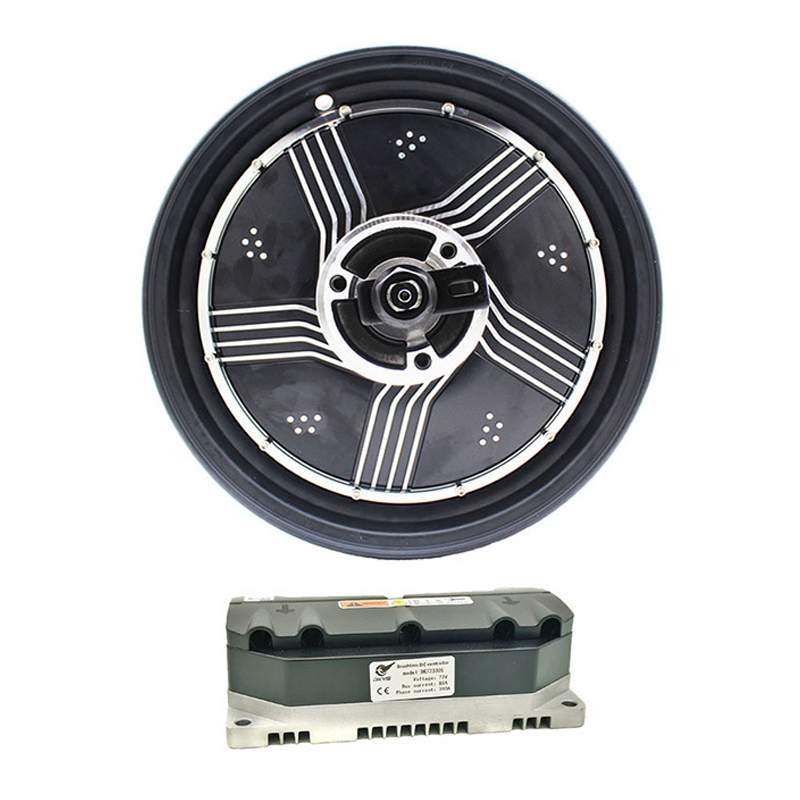
The electric motor drives the trike, providing assistance to the rider. This feature is particularly beneficial in hilly terrains or during longer commutes, enhancing the overall riding experience.
4.3. Battery Storage
The energy collected by the solar panels is stored in batteries, ensuring that the trike can operate even when sunlight is not available. This technology allows for longer rides and increased reliability.
5. Urban Mobility Challenges Addressed
Solar-powered trikes tackle several pressing urban mobility challenges:
5.1. Traffic Congestion
As cities become increasingly crowded, traffic congestion poses a significant problem for commuters. Solar-powered trikes, with their ability to navigate through tight spaces, help alleviate some of this congestion.
5.2. Air Pollution
The reliance on fossil fuels contributes heavily to air pollution. Solar-powered trikes offer a clean alternative, thereby improving air quality in urban areas.
5.3. Inefficient Public Transport Systems
In many cities, public transport systems struggle to meet the needs of residents. Solar-powered trikes provide an effective first-mile/last-mile solution, connecting people to existing public transit options.
5.4. Accessibility Issues
Many urban areas face accessibility challenges for individuals with mobility issues. Solar-powered trikes can be designed with adaptive features, making them accessible to a broader range of users.
6. The Future of Urban Mobility
The future of urban mobility will undoubtedly involve a shift toward more sustainable solutions. Solar-powered trikes are poised to play a pivotal role in this transition. As technology continues to advance, we can expect improvements in battery efficiency, solar panel effectiveness, and overall design.
Moreover, cities are increasingly investing in infrastructure to support eco-friendly transportation. Bike lanes, charging stations, and dedicated trike paths will enhance the viability of solar-powered trikes as a mainstream form of urban transportation.
7. Case Studies of Successful Implementation
Several cities worldwide have successfully integrated solar-powered trikes into their urban mobility frameworks:
7.1. Barcelona, Spain
Barcelona has embraced electric mobility, and solar-powered trikes are becoming a common sight. The city has implemented dedicated cycling lanes and charging stations, facilitating easy access for users.
7.2. Amsterdam, Netherlands
Known for its cycling culture, Amsterdam has seen a rise in solar-powered trike usage. The city encourages the use of sustainable transport and has introduced programs to promote their adoption among residents.
7.3. San Francisco, USA
San Francisco’s commitment to sustainability has led to the introduction of solar-powered trikes in its public transport system. These vehicles help bridge the gap between public transit and personal mobility, making urban travel more efficient.
8. Frequently Asked Questions
8.1. What are solar-powered trikes?
Solar-powered trikes are three-wheeled vehicles that use solar energy to power electric motors, providing an eco-friendly mode of transportation for urban commuters.
8.2. How far can a solar-powered trike travel on a single charge?
The distance a solar-powered trike can travel on a single charge depends on the battery's capacity and the amount of sunlight available; generally, they can cover distances ranging from 30 to 70 miles.
8.3. Are solar-powered trikes safe?
Yes, solar-powered trikes are designed with safety features, including built-in lights, reflective materials, and stability controls to ensure the safety of riders.
8.4. How do I maintain a solar-powered trike?
Maintenance involves regular checks on the battery, solar panels, and tires. Ensuring that the solar panels are clean and free from debris is crucial for optimal performance.
8.5. Can I use a solar-powered trike for commercial purposes?
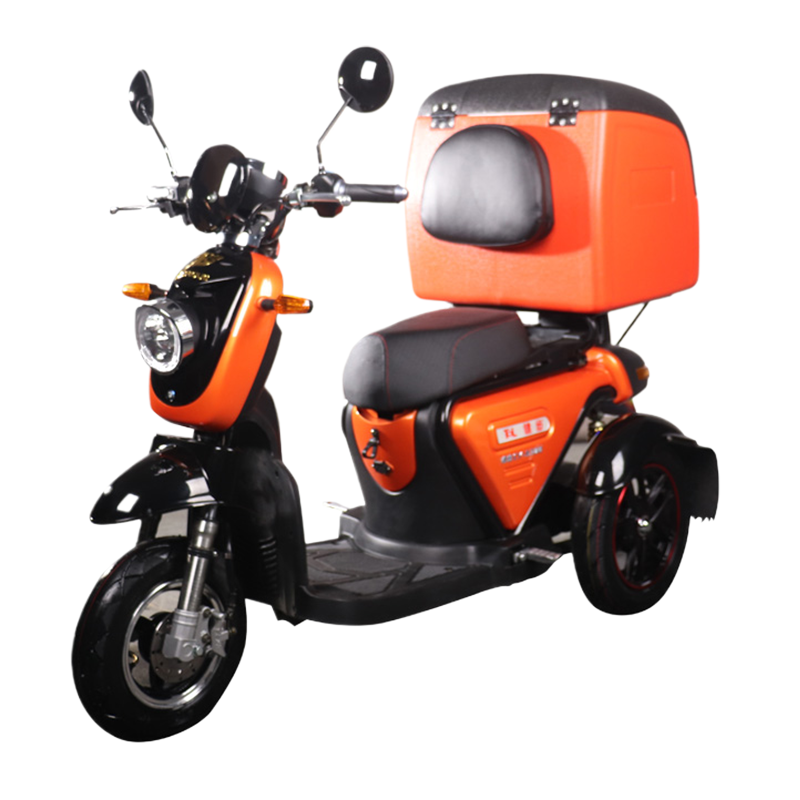
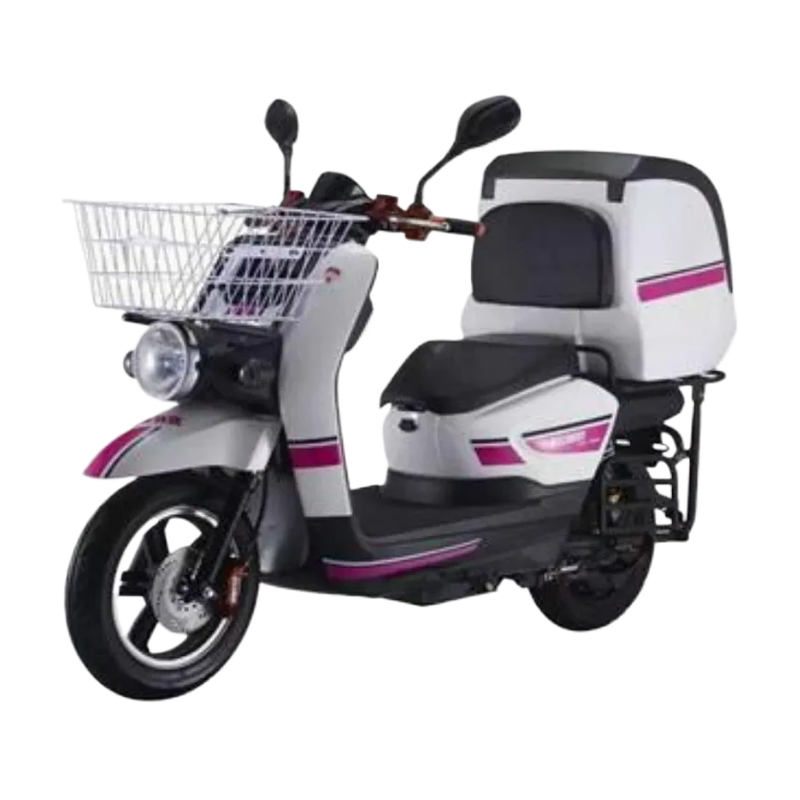
Absolutely! Many businesses are integrating solar-powered trikes for deliveries and local transport due to their cost-effectiveness and eco-friendliness.
9. Conclusion
Solar-powered trikes are revolutionizing urban mobility by offering a sustainable, efficient, and convenient alternative to traditional transportation methods. As cities continue to grapple with traffic congestion and pollution, these innovative vehicles present a viable solution that aligns with modern needs. Their adoption can lead to a healthier urban environment and a more sustainable future. By embracing solar-powered trikes, we can transform our cities into cleaner, more accessible, and environmentally friendly spaces, paving the way for a new era of transportation.


Recommended Reading
CONTACT
Phone Number : +86 512 6510 8165
Mobile Phone : +86 13771670476
Email : info@lexsongmoto.com
Office : Room 504, No.1 Building of Western Tower, Jiarui Mansion, No.400 Suzhou Ave. East, Industrial Park, Suzhou City, Jiangsu Province, China
Factory : B4 Chaoyang Industrial Square, Caohu Street, Suzhou City, Jiangsu Province, China

Apply to become an agent
Get exclusive discounts, product updates, and expert advice tailored specifically for you!