
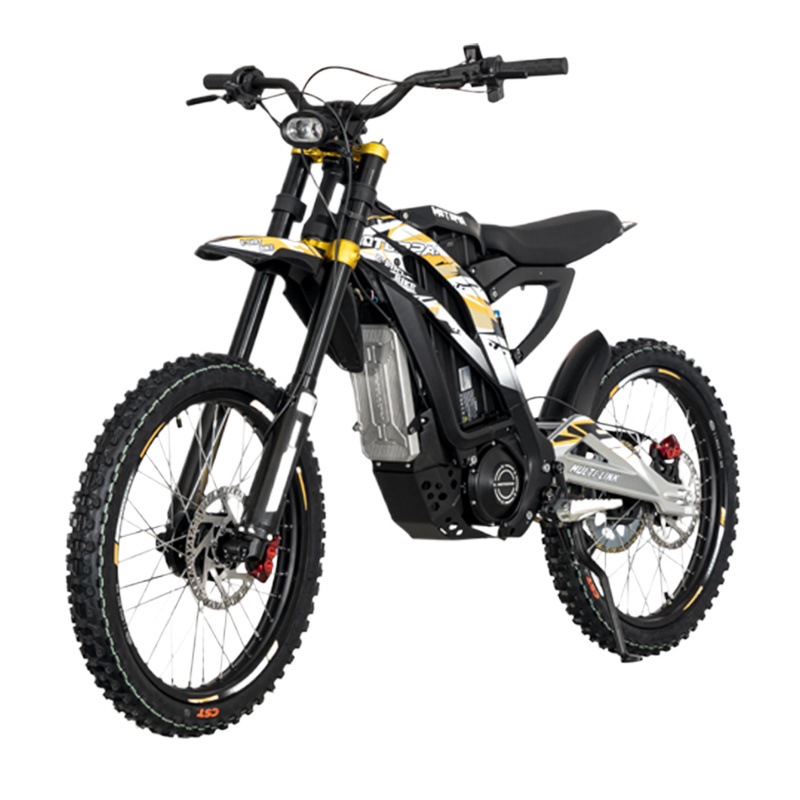
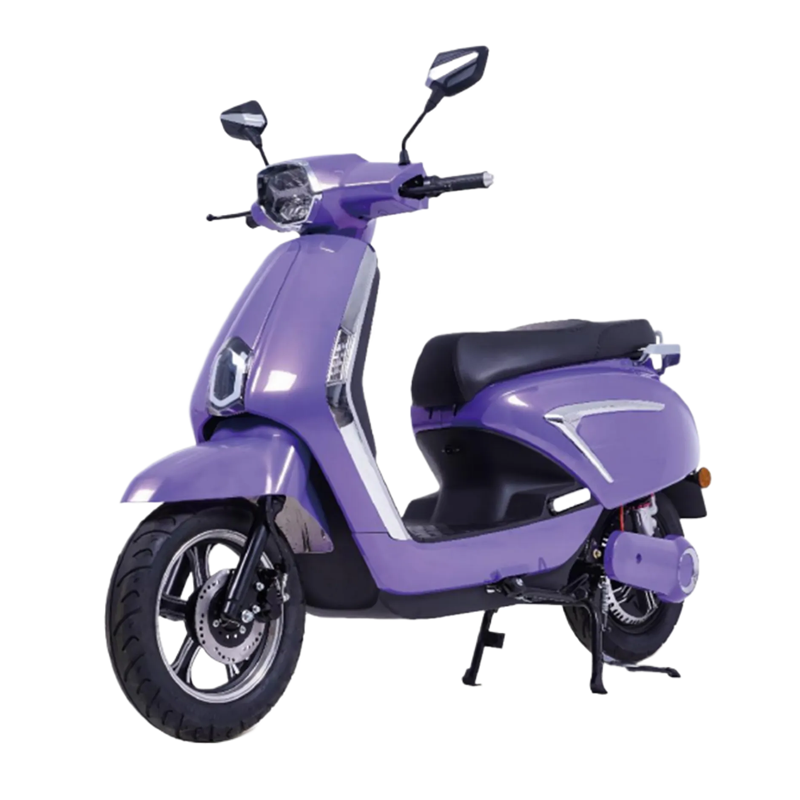
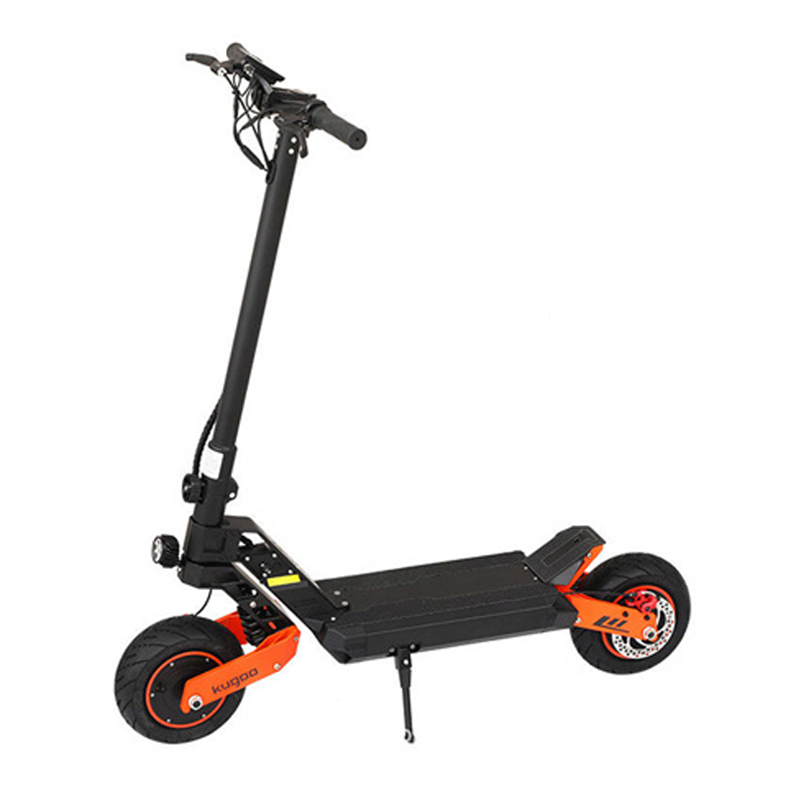
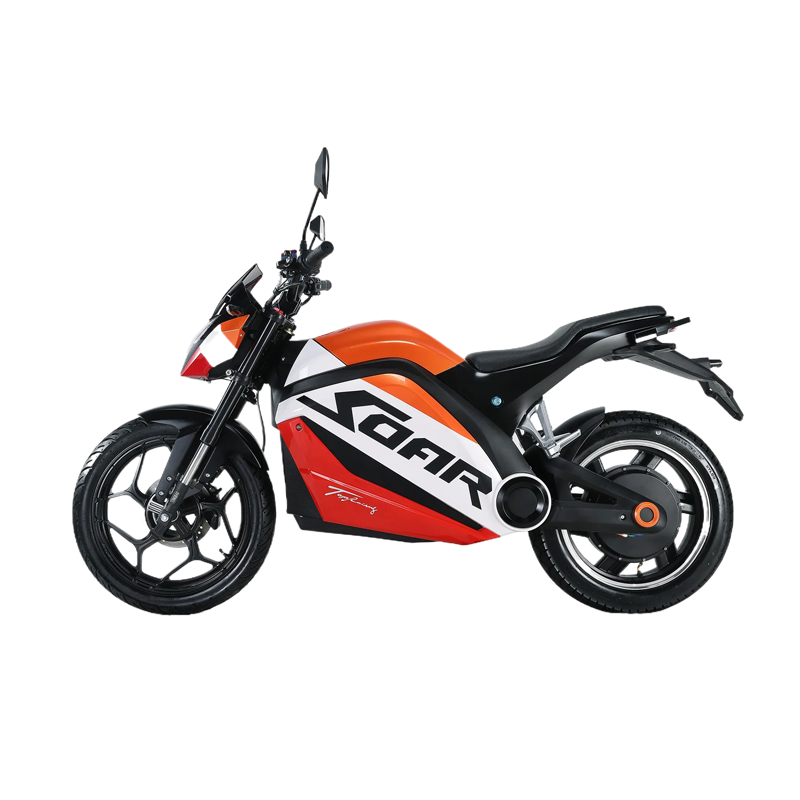

Exploring the Advantages of New Electric Motorcycles for Urban Commuting
04/08
2026
Exploring the Advantages of New Electric Motorcycles for Urban Commuting
Table of Contents
- 1. Introduction to Electric Motorcycles
- 2. Challenges of Urban Commuting
- 3. Benefits of Electric Motorcycles for City Travel
- 3.1 Sustainability and Environmental Impact
- 3.2 Cost-Effectiveness and Savings
- 3.3 Technological Advancements in Electric Motorcycles
- 3.4 Ease of Use and Maintenance
- 4. Safety Features of Modern Electric Motorcycles
- 5. Government Incentives for Electric Motorcycle Purchases
- 6. The Future of Electric Motorcycles in Urban Environments
- 7. Conclusion
- 8. Frequently Asked Questions
1. Introduction to Electric Motorcycles
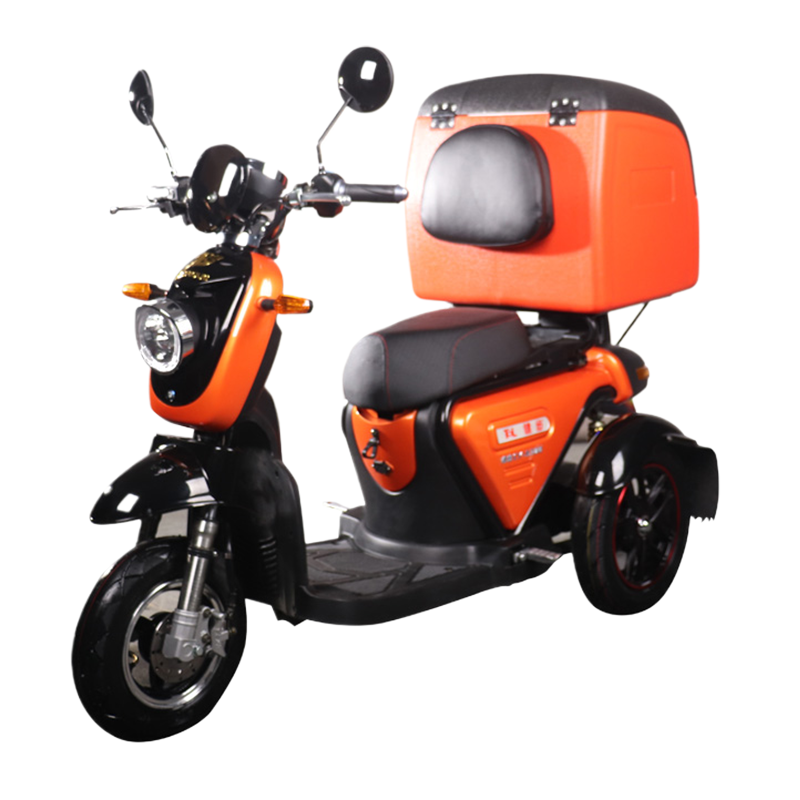
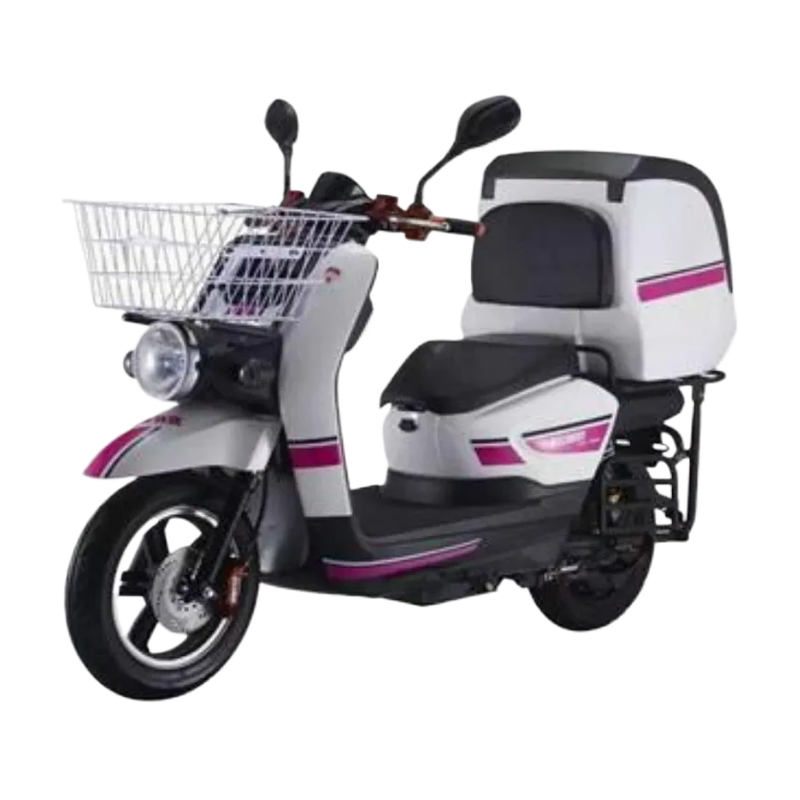
As cities continue to grow and evolve, the need for efficient and environmentally friendly modes of transportation becomes more pressing. **Electric motorcycles** have emerged as a viable solution to urban commuting challenges, combining innovation with sustainability. With their sleek designs and advanced technology, these vehicles are not only changing the way we commute but also significantly impacting our environment.
2. Challenges of Urban Commuting
Urban commuting is fraught with challenges. Traffic congestion, air pollution, and the rising cost of fuel are just a few of the barriers that many city dwellers face. As populations grow, the strain on transportation systems increases, leading to longer commute times and greater frustration among riders. Additionally, traditional motorcycles and vehicles contribute to increasing carbon emissions, exacerbating environmental concerns.
3. Benefits of Electric Motorcycles for City Travel
In light of these challenges, electric motorcycles offer numerous advantages that make them an attractive option for urban commuters.
3.1 Sustainability and Environmental Impact
One of the most significant benefits of electric motorcycles is their **sustainability**. Unlike conventional motorcycles that rely on fossil fuels, electric motorcycles produce zero emissions. This contributes to cleaner air and a decrease in greenhouse gases, making cities more livable. As more commuters switch to electric options, the cumulative impact on pollution levels can be profound, leading to healthier urban environments.
3.2 Cost-Effectiveness and Savings
The financial advantages of owning an electric motorcycle cannot be overlooked. With rising fuel prices and maintenance costs associated with traditional vehicles, electric motorcycles present a cost-effective alternative. The **cost of electricity** to charge an electric motorcycle is significantly lower than gasoline, translating to substantial savings over time. Additionally, electric motorcycles require less frequent maintenance due to fewer moving parts, further reducing long-term ownership costs.
3.3 Technological Advancements in Electric Motorcycles
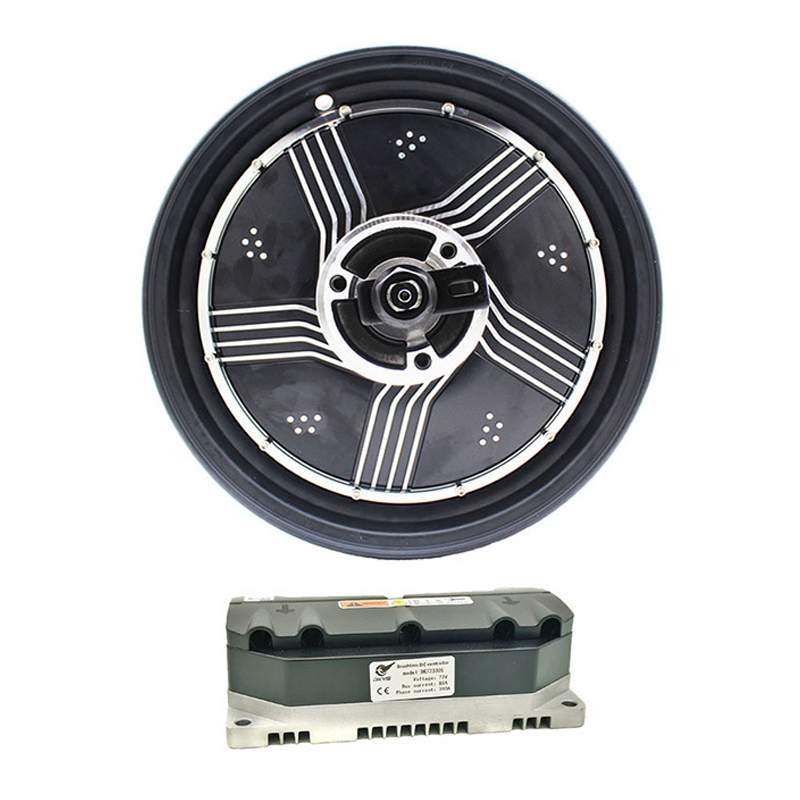
Electric motorcycle technology has advanced rapidly in recent years. Battery efficiency, charging infrastructure, and performance capabilities have improved dramatically. Many models now offer impressive ranges on a single charge, making them suitable for daily commutes. Fast-charging options further enhance convenience, allowing riders to recharge their batteries quickly during breaks. With continuous innovations, electric motorcycles are becoming more appealing and practical for urban commuting.
3.4 Ease of Use and Maintenance
The **ease of use** associated with electric motorcycles cannot be overstated. They are usually lighter than traditional motorcycles, making them easier to handle and maneuver in tight urban spaces. The absence of a complex gear system simplifies the riding experience, allowing new riders to adapt quickly. Furthermore, with fewer mechanical components, maintenance is often more straightforward and less frequent, making electric motorcycles a hassle-free option for everyday use.
4. Safety Features of Modern Electric Motorcycles
Safety is a crucial consideration for any vehicle, and modern electric motorcycles come equipped with advanced safety features. Many models include anti-lock braking systems (ABS), traction control, and advanced lighting systems to enhance visibility during night rides. Additionally, some electric motorcycles integrate smart technology, such as collision detection systems and connectivity features that allow for real-time communication with other vehicles. These advancements significantly enhance rider safety and confidence on the roads.
5. Government Incentives for Electric Motorcycle Purchases
To promote the adoption of electric vehicles, many governments around the world offer incentives for electric motorcycle purchases. These can include tax credits, rebates, and grants designed to reduce the overall cost of ownership. In certain regions, there are also discounts on registration fees and reduced tolls for electric vehicles. By taking advantage of these incentives, urban commuters can make the transition to electric motorcycles even more financially feasible.
6. The Future of Electric Motorcycles in Urban Environments
The future of electric motorcycles in urban environments looks promising. As cities prioritize sustainable transportation options, the demand for electric motorcycles is expected to grow significantly. This shift is likely to lead to further advancements in technology, including improved battery capacity, faster charging solutions, and even the development of autonomous electric motorcycles. As infrastructure continues to evolve, including more charging stations, the convenience and practicality of electric motorcycles will only increase, solidifying their place as a primary mode of urban transportation.
7. Conclusion
The advantages of new electric motorcycles for urban commuting are undeniable. From their environmental benefits and cost savings to the latest technological innovations, these vehicles are transforming how we navigate city landscapes. As we face the challenges of urban life, electric motorcycles offer a sustainable and efficient solution for commuters. With ongoing advancements and government support, the future of electric motorcycles in urban environments is bright, making them an excellent choice for anyone looking to embrace a greener, more efficient lifestyle.
8. Frequently Asked Questions
1. How far can electric motorcycles travel on a single charge?
Most electric motorcycles can travel between 50 to 150 miles on a single charge, depending on the model and riding conditions.
2. Are electric motorcycles safe to ride?
Yes, modern electric motorcycles come equipped with safety features such as anti-lock braking systems, traction control, and advanced lighting, making them safe for urban riding.
3. What are the maintenance costs associated with electric motorcycles?
Electric motorcycles generally have lower maintenance costs due to fewer moving parts compared to traditional motorcycles. Riders can expect to spend less on repairs and maintenance over time.
4. Can I charge my electric motorcycle at home?
Yes, most electric motorcycles can be charged at home using a standard outlet or a dedicated charging station, making it convenient for daily use.
5. Are there government incentives for purchasing electric motorcycles?
Yes, many governments offer incentives such as tax credits, rebates, and grants to encourage the adoption of electric motorcycles, making them more affordable for consumers.


Recommended Reading
CONTACT
Phone Number : +86 512 6510 8165
Mobile Phone : +86 13771670476
Email : info@lexsongmoto.com
Office : Room 504, No.1 Building of Western Tower, Jiarui Mansion, No.400 Suzhou Ave. East, Industrial Park, Suzhou City, Jiangsu Province, China
Factory : B4 Chaoyang Industrial Square, Caohu Street, Suzhou City, Jiangsu Province, China

Apply to become an agent
Get exclusive discounts, product updates, and expert advice tailored specifically for you!