

Exploring the Future of Transportation: The Rise of New Electric Motorcycles
03/13
2026
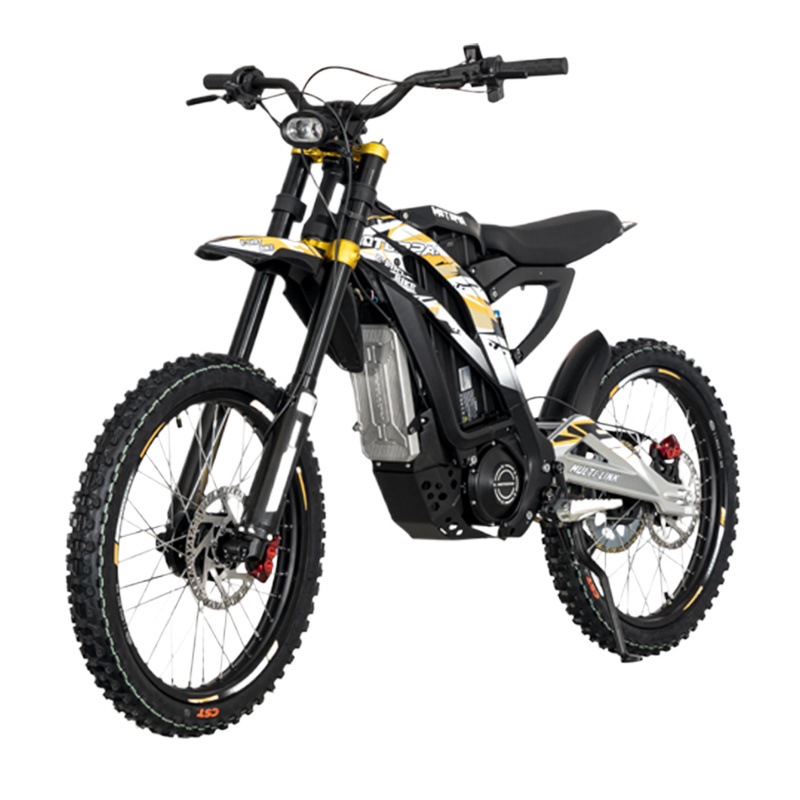
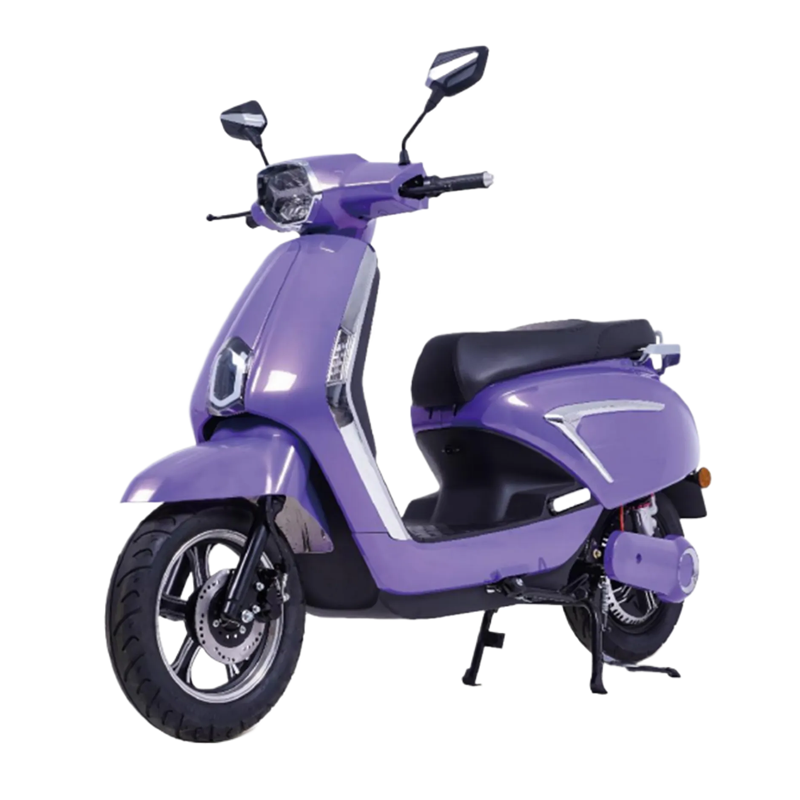
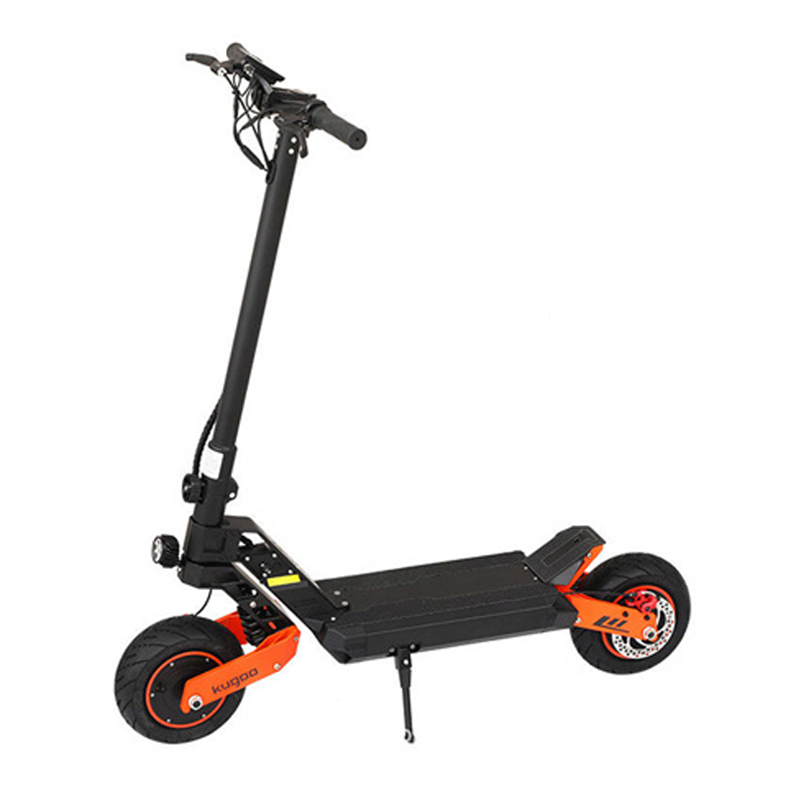
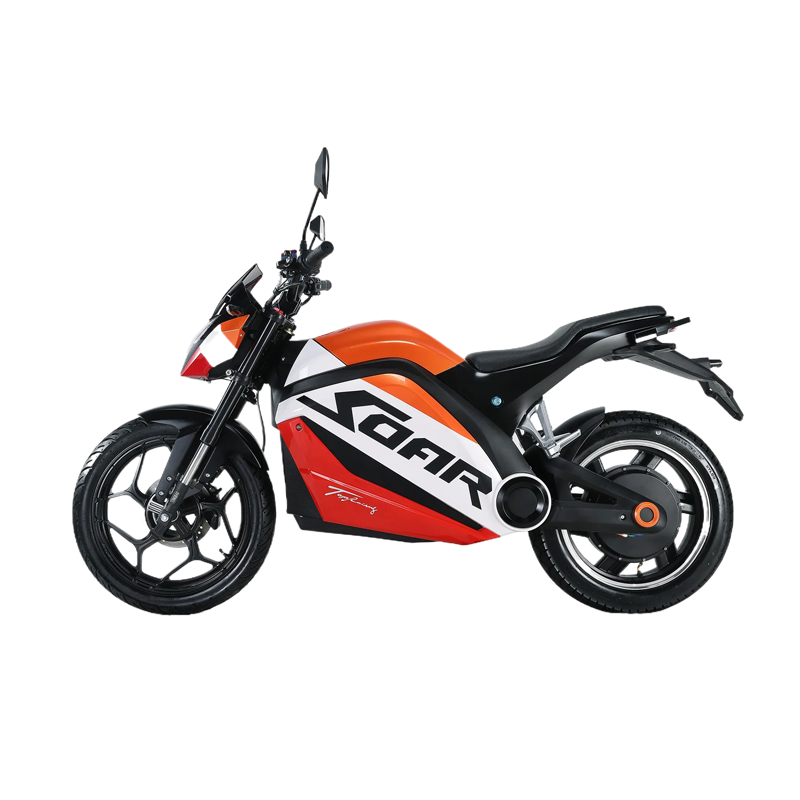
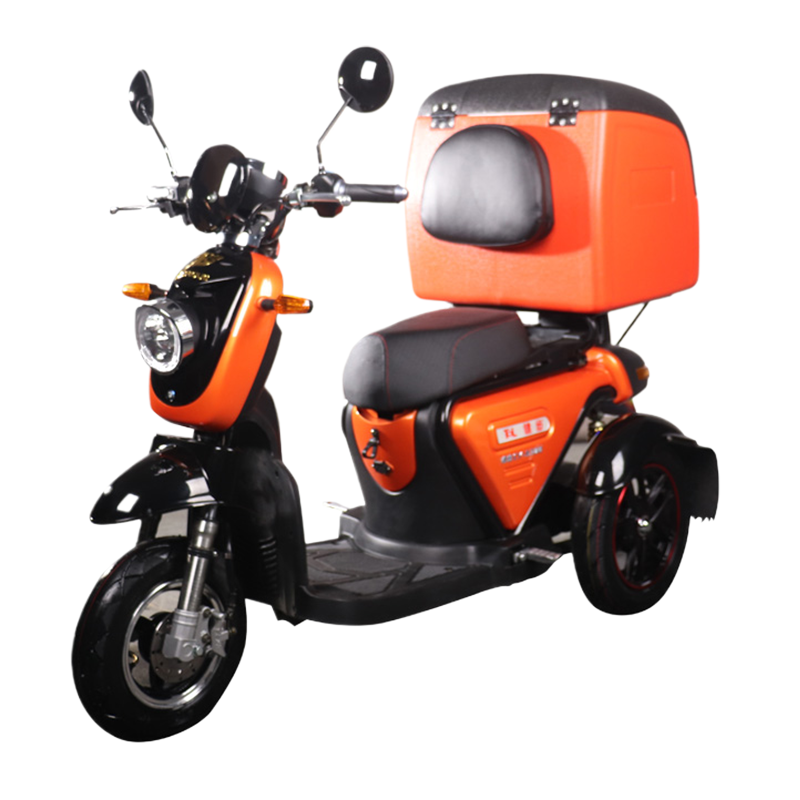
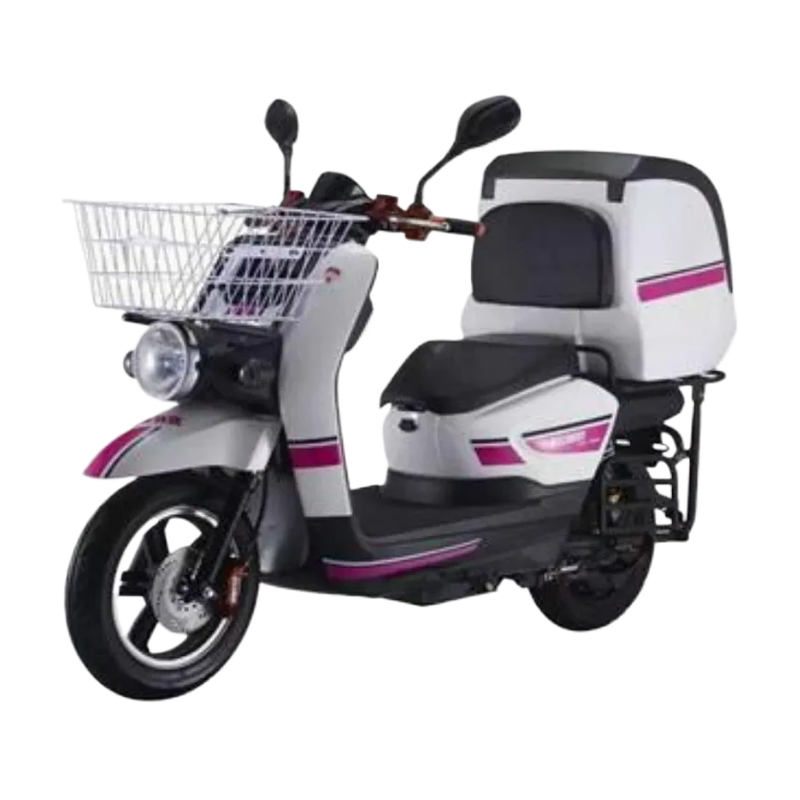
The landscape of urban mobility is rapidly changing, with new electric motorcycles leading the charge towards a more sustainable future. As cities grapple with pollution and traffic congestion, electric motorcycles present a viable solution that combines efficiency with eco-friendliness. With advancements in technology and a growing emphasis on reducing carbon footprints, these vehicles are gaining significant traction among both commuters and enthusiasts.
One of the most significant advantages of new electric motorcycles is their environmental impact. Unlike their gasoline counterparts, electric motorcycles produce zero tailpipe emissions, significantly contributing to cleaner air quality. This is particularly important as urban areas face increasing pressure to address pollution levels. Additionally, many models are designed with recyclable materials, further enhancing their sustainability profile.
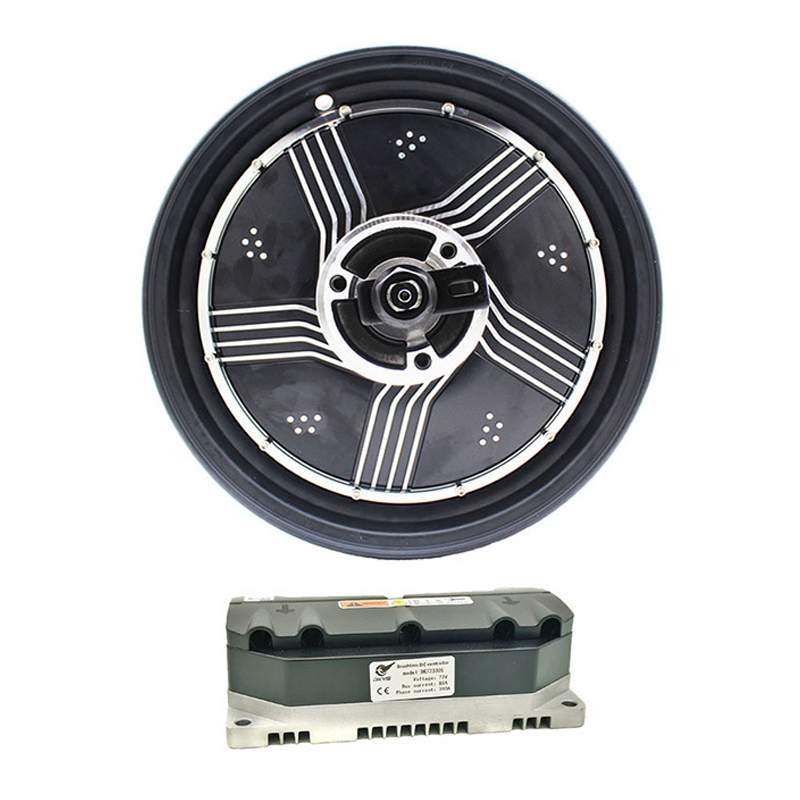
Performance-wise, new electric motorcycles are becoming more competitive with traditional motorcycles. Innovations in battery technology have led to increased range and faster charging times, alleviating concerns regarding the practicality of electric vehicle use. Many contemporary models can achieve impressive speeds, making them not only suitable for commuting but also for recreational riding. This shift in performance capabilities has attracted a broader demographic, including seasoned riders looking for more environmentally friendly options.
Furthermore, electric motorcycles often come with lower maintenance costs. With fewer moving parts than internal combustion engines, they require less frequent servicing, thus reducing long-term ownership costs. Additionally, the cost of electricity compared to gasoline can lead to significant savings over time, making electric motorcycles an economically attractive choice for many riders.
However, potential buyers should consider several factors before making a decision. While the upfront cost of new electric motorcycles may be higher than their traditional counterparts, many governments offer incentives that can help offset these expenses. Buyers should also evaluate their riding needs, as battery range and charging infrastructure vary widely among different models. Understanding the available charging options—whether at home, work, or public charging stations—is crucial for maximizing the benefits of electric motorcycles.
Lastly, as the electric motorcycle market continues to grow, more manufacturers are entering the scene, promising a diverse array of styles and features. This burgeoning competition fosters innovation and can lead to even more affordable pricing and better performance in the near future.
In conclusion, new electric motorcycles represent a significant step forward in the quest for sustainable transportation solutions. With their environmental benefits, improved performance, and lower maintenance costs, they are poised to become an integral part of the future of mobility. As potential riders explore their options, staying informed about the evolving market will ensure they make the best choice for their needs.
One of the most significant advantages of new electric motorcycles is their environmental impact. Unlike their gasoline counterparts, electric motorcycles produce zero tailpipe emissions, significantly contributing to cleaner air quality. This is particularly important as urban areas face increasing pressure to address pollution levels. Additionally, many models are designed with recyclable materials, further enhancing their sustainability profile.
Performance-wise, new electric motorcycles are becoming more competitive with traditional motorcycles. Innovations in battery technology have led to increased range and faster charging times, alleviating concerns regarding the practicality of electric vehicle use. Many contemporary models can achieve impressive speeds, making them not only suitable for commuting but also for recreational riding. This shift in performance capabilities has attracted a broader demographic, including seasoned riders looking for more environmentally friendly options.
Furthermore, electric motorcycles often come with lower maintenance costs. With fewer moving parts than internal combustion engines, they require less frequent servicing, thus reducing long-term ownership costs. Additionally, the cost of electricity compared to gasoline can lead to significant savings over time, making electric motorcycles an economically attractive choice for many riders.
However, potential buyers should consider several factors before making a decision. While the upfront cost of new electric motorcycles may be higher than their traditional counterparts, many governments offer incentives that can help offset these expenses. Buyers should also evaluate their riding needs, as battery range and charging infrastructure vary widely among different models. Understanding the available charging options—whether at home, work, or public charging stations—is crucial for maximizing the benefits of electric motorcycles.
Lastly, as the electric motorcycle market continues to grow, more manufacturers are entering the scene, promising a diverse array of styles and features. This burgeoning competition fosters innovation and can lead to even more affordable pricing and better performance in the near future.
In conclusion, new electric motorcycles represent a significant step forward in the quest for sustainable transportation solutions. With their environmental benefits, improved performance, and lower maintenance costs, they are poised to become an integral part of the future of mobility. As potential riders explore their options, staying informed about the evolving market will ensure they make the best choice for their needs.


Recommended Reading
CONTACT
Phone Number : +86 512 6510 8165
Mobile Phone : +86 13771670476
Email : info@lexsongmoto.com
Office : Room 504, No.1 Building of Western Tower, Jiarui Mansion, No.400 Suzhou Ave. East, Industrial Park, Suzhou City, Jiangsu Province, China
Factory : B4 Chaoyang Industrial Square, Caohu Street, Suzhou City, Jiangsu Province, China

Apply to become an agent
Get exclusive discounts, product updates, and expert advice tailored specifically for you!