

Off-road e-bikes: The Rapid Rise of Electric Adventure Riding in Modern Outdoor Mobility
05/09
2026
In recent years, off-road e-bikes have quickly moved from a niche category to one of the fastest-growing segments in the global cycling and outdoor mobility market. Once seen as experimental equipment for enthusiasts, they are now widely used by adventure riders, outdoor workers, delivery teams in rugged areas, and even eco-tourism operators. The combination of electric assistance and off-road capability is reshaping how people explore nature and move through challenging terrain.
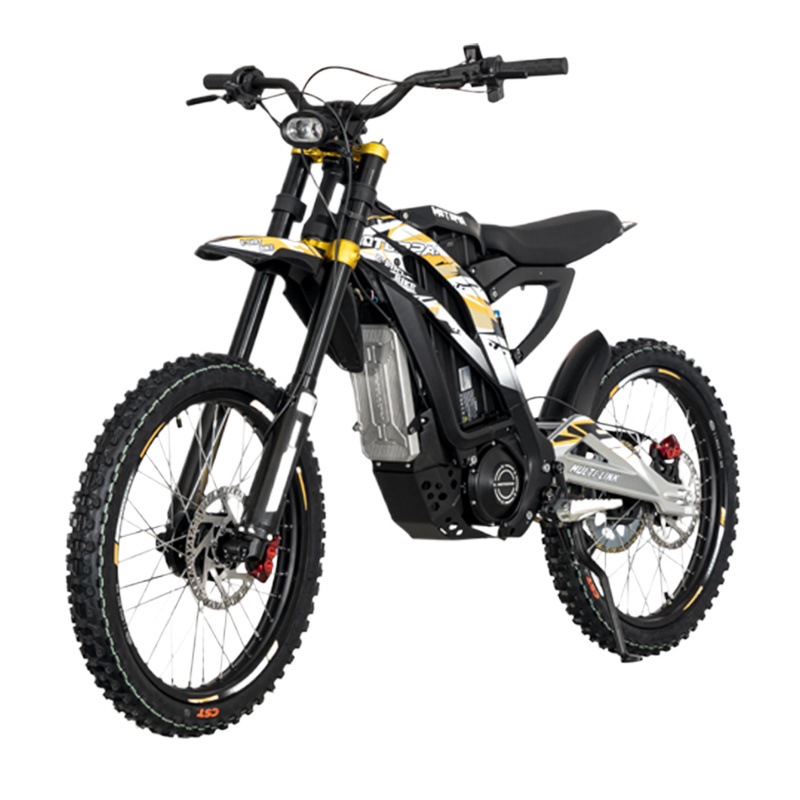
At their core, off-road e-bikes are designed to handle environments that traditional bicycles struggle with. Dirt trails, forest paths, mountain slopes, sandy tracks, and snowy roads all demand a different level of performance. To meet these demands, manufacturers focus on stronger frames, wider tires, reinforced suspension systems, and high-torque motors that can maintain stability even on unpredictable ground.
One of the biggest reasons behind the popularity of off-road e-bikes is accessibility. Riders who may not have the physical endurance for traditional mountain biking can still enjoy long-distance trail riding with electric support. The motor assistance helps reduce fatigue on steep climbs, while still preserving the feeling of active riding. This balance between effort and support is one of the key reasons why these bikes appeal to both beginners and experienced riders.
In real-world use, off-road e-bikes are becoming more than just recreational tools. In rural areas, they are used by farmers and land inspectors to move quickly across fields and uneven terrain. In forestry work, workers rely on them to access remote locations without the noise and fuel costs of motor vehicles. In tourism, adventure parks and eco-resorts now offer guided trails using off-road e-bikes, allowing visitors to explore nature in a quieter and more environmentally friendly way.
Battery performance plays a major role in usability. Most modern off-road e-bikes are equipped with lithium battery systems that support long riding ranges, often enough for half-day or full-day outdoor trips depending on terrain and power mode. Riders typically switch between eco, standard, and high-power modes depending on whether they are cruising flat paths or climbing steep hills.
Another defining feature is suspension quality. Unlike city e-bikes, off-road e-bikes often use full suspension systems that absorb shocks from rocks, roots, and uneven surfaces. This not only improves comfort but also increases safety by maintaining better wheel contact with the ground. Combined with fat tires, the grip and stability of these bikes are significantly improved in loose or slippery conditions.
As urban congestion continues to grow, off-road e-bikes are also finding unexpected applications near cities. Weekend riders use them to escape into nearby mountains or nature parks. Delivery riders in suburban or semi-rural regions use them to reach areas that are difficult for scooters or cars. Even emergency response teams in some regions have started testing them for quick access to off-road locations.
Maintenance requirements are relatively low compared to motorcycles or fuel-powered off-road vehicles. With fewer moving parts and no combustion engine, off-road e-bikes are easier to service, quieter to operate, and cheaper to run. This simplicity is another reason they are gaining traction among everyday users.
Of course, regulations vary by region. In some areas, off-road e-bikes are restricted to private land or designated trails, while in others they are becoming fully integrated into cycling infrastructure. As governments continue to develop clearer rules for electric mobility, their usage is expected to expand further.
Looking ahead, the future of off-road e-bikes appears closely tied to advances in battery technology, lightweight materials, and smart riding systems. Features like GPS tracking, adaptive torque control, and app-based ride monitoring are already becoming common in newer models.
What started as a specialized outdoor product is now becoming a practical transport and lifestyle choice. Whether it’s for weekend adventure, professional fieldwork, or eco-friendly travel, off-road e-bikes are steadily changing the way people think about mobility beyond paved roads.


Recommended Reading
CONTACT
Phone Number : +86 512 6510 8165
Mobile Phone : +86 13771670476
Email : info@lexsongmoto.com
Office : Room 504, No.1 Building of Western Tower, Jiarui Mansion, No.400 Suzhou Ave. East, Industrial Park, Suzhou City, Jiangsu Province, China
Factory : B4 Chaoyang Industrial Square, Caohu Street, Suzhou City, Jiangsu Province, China

Apply to become an agent
Get exclusive discounts, product updates, and expert advice tailored specifically for you!