

The Future of Transportation: Innovations in Electric Vehicle Controllers
01/06
2026
The Future of Transportation: Innovations in Electric Vehicle Controllers
As the world pivots towards sustainable energy solutions, the **transportation sector** is undergoing a significant transformation. Central to this shift is the development of **electric vehicles (EVs)**, which are becoming increasingly popular due to their environmental benefits and technological advancements. A crucial component of EVs is the **controller**, which manages the vehicle's electric power and enhances overall efficiency. This article delves into the latest innovations in electric vehicle controllers, examining their design, functionality, and potential impact on the future of transportation.
Table of Contents
- 1. What Are Electric Vehicle Controllers?
- 2. The Importance of Controllers in Electric Vehicles
- 3. Key Technologies Driving EV Controller Innovation
- 4. Benefits of Advanced Electric Vehicle Controllers
- 5. Challenges Faced in Developing Electric Vehicle Controllers
- 6. The Future of Electric Vehicle Controllers
- 7. Case Studies and Innovations
- 8. Conclusion
- 9. FAQs
1. What Are Electric Vehicle Controllers?
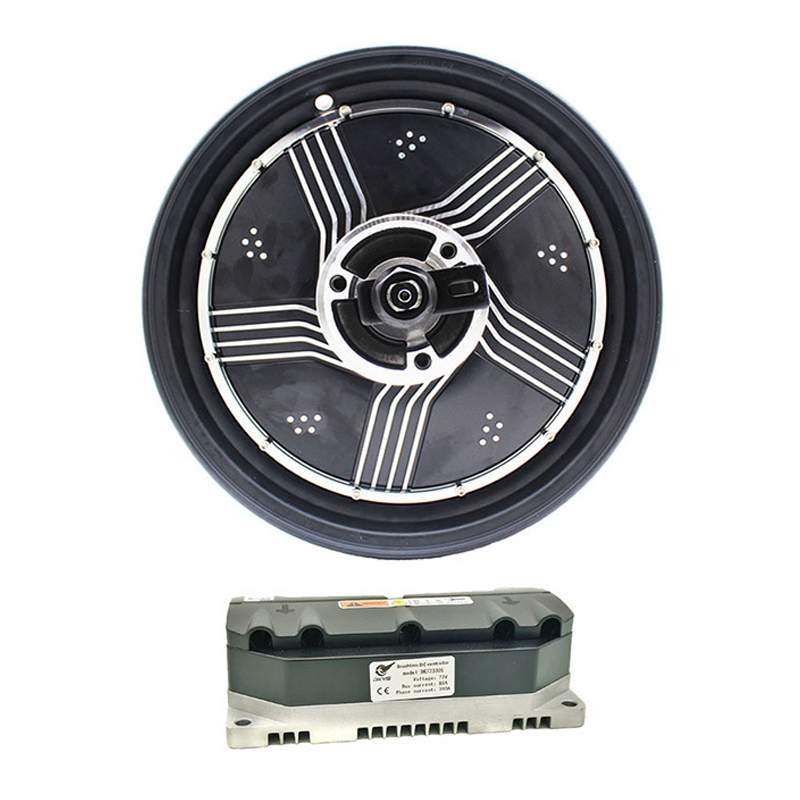
Electric vehicle controllers are electronic devices that manage the flow of electricity from the **battery** to the **electric motor**. They play a crucial role in determining the performance, efficiency, and overall functionality of an electric vehicle. By regulating voltage and current, these controllers ensure that the vehicle operates smoothly, responds accurately to driver inputs, and maximizes energy efficiency.
2. The Importance of Controllers in Electric Vehicles
Controllers are vital for the performance of electric vehicles for several reasons:
- Efficiency: Electric vehicle controllers optimize energy usage, significantly extending driving range.
- Responsiveness: They allow for smooth acceleration and deceleration, enhancing the driving experience.
- Safety: Advanced safety features, such as regenerative braking, rely on the precise control provided by these controllers.
- Integration: They facilitate communication between various components of the vehicle, contributing to overall system efficiency.
3. Key Technologies Driving EV Controller Innovation
The evolution of electric vehicle controllers is driven by several key technologies that enhance their capabilities and efficiency.
3.1 Power Electronics
Power electronics are integral to the design of electric vehicle controllers. These components convert and control electrical power in various forms, allowing for efficient energy management. Innovations in **wide-bandgap semiconductor materials**, such as silicon carbide (SiC) and gallium nitride (GaN), are enhancing the performance of power electronics. These materials can operate at higher temperatures and voltages, reducing energy losses and improving overall efficiency.
3.2 Software Advancements
Software plays a pivotal role in the functionality of electric vehicle controllers. Advanced algorithms and machine learning techniques are being integrated into controllers to optimize performance. These innovations allow controllers to learn from driving patterns, enhancing predictive capabilities and improving energy management. **Over-the-air updates** also enable manufacturers to fine-tune controller performance post-purchase, ensuring that EVs remain up-to-date with the latest enhancements.
3.3 Communication Systems
Modern electric vehicles increasingly rely on sophisticated communication systems to ensure the controller operates effectively. Protocols such as **Controller Area Network (CAN)** and **Ethernet** facilitate real-time communication between the vehicle's components, enabling the controller to respond rapidly to changes in driving conditions. This connectivity is essential for features like **autonomous driving**, which requires seamless interaction between various systems.
4. Benefits of Advanced Electric Vehicle Controllers
The advancements in electric vehicle controller technology bring several benefits:
- Increased Range: Improved energy efficiency translates to longer driving ranges, addressing one of the significant concerns for potential EV buyers.
- Smoother Driving Experience: Enhanced responsiveness leads to a more controlled and enjoyable driving experience.
- Enhanced Safety Features: Advanced controllers enable sophisticated safety features, including automated braking and collision avoidance systems.
- Lower Maintenance Costs: As technology improves, the reliability of components increases, potentially reducing maintenance expenses over time.
5. Challenges Faced in Developing Electric Vehicle Controllers
Despite the numerous advancements, the development of electric vehicle controllers is not without its challenges:
- Cost of Materials: High-performance components, such as wide-bandgap semiconductors, can be expensive, impacting the overall cost of EV production.
- Complexity of Design: Integrating various technologies into a single controller can complicate the design process and increase development time.
- Regulatory Compliance: Adhering to strict safety and performance regulations can pose challenges, particularly as technology evolves rapidly.
6. The Future of Electric Vehicle Controllers
Looking ahead, the future of electric vehicle controllers is promising. As technology continues to evolve, we can anticipate several trends:
- Integration of AI and Machine Learning: Future controllers are likely to incorporate even more sophisticated algorithms, allowing for improved decision-making and predictive capabilities.
- Increased Connectivity: With the rise of the **Internet of Things (IoT)**, vehicle controllers will become increasingly connected, enabling enhanced communication between vehicles and infrastructure.
- Focus on Sustainability: Future innovations will likely prioritize environmentally friendly materials and manufacturing processes, aligning with the overall goals of sustainable transportation.
7. Case Studies and Innovations
Several companies are leading the charge in electric vehicle controller innovations:
7.1 Tesla’s Advanced Drive Control
Tesla has revolutionized the electric vehicle market with its advanced drive control technology. The integration of sophisticated software algorithms allows Teslas to autonomously adapt their driving behavior, optimizing both performance and energy consumption.
7.2 Toyota’s Hybrid Synergy Drive
Toyota’s Hybrid Synergy Drive technology represents a significant innovation in the hybrid and electric vehicle sector. Their advanced controllers manage the interplay between the electric motor and gasoline engine, maximizing efficiency and reducing emissions.
7.3 Nissan Leaf’s Regenerative Braking System
The Nissan Leaf employs a regenerative braking system managed by its electric vehicle controller. This technology allows the vehicle to recover energy during braking, significantly enhancing overall energy efficiency.
8. Conclusion
The innovations in electric vehicle controllers are at the forefront of the transportation revolution. With advances in power electronics, software capabilities, and communication systems, these controllers are enhancing the performance, efficiency, and safety of electric vehicles. As the demand for sustainable transportation solutions continues to grow, the evolution of EV controllers will play a critical role in shaping the future of mobility. By embracing these advancements, the automotive industry can pave the way for a cleaner, more efficient, and technologically advanced transportation ecosystem.
9. FAQs
What is an electric vehicle controller?
An electric vehicle controller is an electronic device that manages the flow of electricity from the battery to the electric motor, optimizing performance and efficiency.
How do controllers impact the driving range of electric vehicles?
Controllers optimize energy usage by managing power flow, which can significantly extend the driving range of electric vehicles.
What technologies are involved in electric vehicle controllers?
Key technologies include power electronics, advanced software algorithms, and sophisticated communication systems that enhance the functionality and efficiency of controllers.
What are the benefits of advanced electric vehicle controllers?
Benefits include increased driving range, smoother driving experience, enhanced safety features, and lower maintenance costs.
What challenges do manufacturers face in developing electric vehicle controllers?
Challenges include the high cost of materials, design complexity, and regulatory compliance requirements.


Recommended Reading
CONTACT
Phone Number : +86 512 6510 8165
Mobile Phone : +86 13771670476
Email : info@lexsongmoto.com
Office : Room 504, No.1 Building of Western Tower, Jiarui Mansion, No.400 Suzhou Ave. East, Industrial Park, Suzhou City, Jiangsu Province, China
Factory : B4 Chaoyang Industrial Square, Caohu Street, Suzhou City, Jiangsu Province, China

Apply to become an agent
Get exclusive discounts, product updates, and expert advice tailored specifically for you!