

Exploring the Advantages of Stability E-Trikes for Urban Commuting
11/11
2025
Exploring the Advantages of Stability E-Trikes for Urban Commuting
Table of Contents
- 1. Introduction to Stability E-Trikes
- 2. What Are Stability E-Trikes?
- 3. Benefits of Stability E-Trikes for Urban Commuting
- 4. Integration of E-Trikes in Urban Environments
- 5. Challenges Facing Stability E-Trikes
- 6. The Future of Stability E-Trikes in Urban Commuting
- 7. Frequently Asked Questions
- 8. Conclusion
1. Introduction to Stability E-Trikes
In the bustling urban landscape, where traffic congestion and air quality concerns are ever-present, commuters are seeking innovative solutions to their daily travel challenges. Stability e-trikes have emerged as a remarkable option, merging the benefits of traditional cycling with cutting-edge electric technology. They offer a versatile mode of transportation that addresses the needs of urban dwellers while promoting sustainability and wellness.
2. What Are Stability E-Trikes?
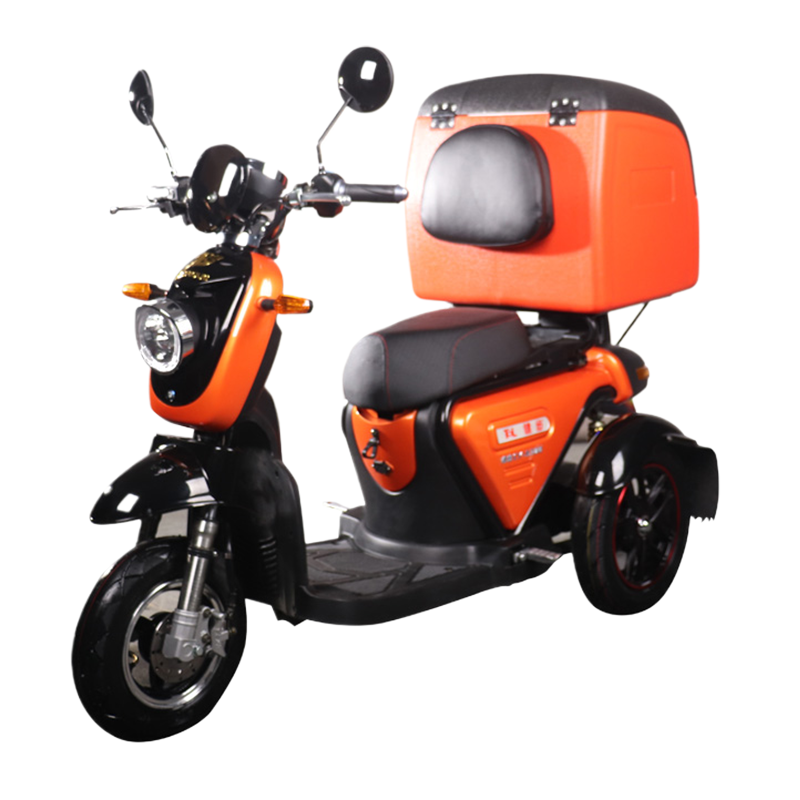
Stability e-trikes, or electric tricycles, are designed specifically to enhance the riding experience while ensuring safety and comfort. Unlike standard bicycles, these e-trikes feature three wheels, providing superior stability. They come equipped with electric motors to assist pedaling, making them ideal for navigating the often challenging urban terrain.
These vehicles are designed for various uses, from commuting to groceries and even recreational rides. Their robust construction and ergonomic design cater to a wide range of users, making them a favorite choice for individuals of all ages.
3. Benefits of Stability E-Trikes for Urban Commuting
Stability e-trikes offer numerous advantages for urban commuters. Below, we explore some of the most compelling benefits that make them an appealing choice.
3.1 Enhanced Safety Features
Safety is a primary concern for any commuter, and stability e-trikes address this with a range of features:
- **Three-Wheel Design**: The additional wheel provides enhanced balance, significantly reducing the risk of falls, especially for those new to cycling.
- **Low Center of Gravity**: E-trikes are designed with a low center of gravity, which contributes to their stability, particularly when navigating turns or uneven surfaces.
- **Integrated Safety Features**: Many models come equipped with lights, reflectors, and even built-in braking systems that amplify safety during night rides or in poorly lit areas.
These safety features empower users with confidence, allowing them to navigate urban environments with ease.
3.2 Environmental Impact
In an era where environmental awareness is paramount, stability e-trikes shine as a sustainable alternative to traditional vehicles:
- **Zero Emissions**: Electric trikes operate on clean energy, contributing to reduced air pollution in urban areas.
- **Energy Efficient**: They consume far less energy compared to cars, making them an eco-friendly choice for short trips and commuting.
- **Support for Local Economies**: By choosing e-trikes, consumers often support local businesses that promote sustainable transportation solutions, further benefiting the community.
By adopting e-trikes, urban commuters can significantly reduce their carbon footprint, contributing to a greener planet.
3.3 Cost-Effectiveness
The cost savings associated with stability e-trikes are substantial:
- **Lower Operational Costs**: E-trikes require minimal maintenance compared to cars, which incur expenses for fuel, insurance, and parking.
- **Long-Term Savings**: While the initial investment may be higher than a traditional bike, the long-term savings on gas, maintenance, and parking can be significant.
- **Government Incentives**: Many urban areas offer incentives or tax rebates for electric vehicles, including e-trikes, making them a more attractive financial option.
For budget-conscious commuters, these cost-effective advantages are hard to ignore.
3.4 Health Benefits
Incorporating stability e-trikes into daily routines can lead to various health benefits:
- **Physical Activity**: Riding an e-trike encourages physical movement, contributing to cardiovascular health and overall fitness.
- **Mental Health**: Cycling has been shown to reduce stress levels, enhance mood, and improve mental well-being.
- **Accessibility**: E-trikes are ideal for individuals who may have physical limitations, allowing them to enjoy the benefits of cycling without the strain that traditional biking may impose.
By choosing stability e-trikes, riders can promote a healthier lifestyle while enjoying the convenience of electric assistance.
4. Integration of E-Trikes in Urban Environments
As cities evolve, integrating stability e-trikes into the urban transport ecosystem becomes increasingly essential. Many cities are adapting their infrastructure to accommodate e-trikes:
- **Dedicated Lanes**: Some municipalities are adding bike lanes specifically designed for e-trikes, ensuring safer commuting.
- **Parking Facilities**: Increased availability of secure parking options for e-trikes encourages more people to consider this sustainable mode of transport.
- **Public Awareness Campaigns**: Educational initiatives about the benefits of e-trikes promote their use, fostering community acceptance.
These urban planning efforts are pivotal in ensuring that stability e-trikes become a mainstream commuting option.
5. Challenges Facing Stability E-Trikes
Despite their numerous advantages, stability e-trikes do face challenges that can hinder their widespread adoption:
- **Limited Range**: Electric battery life may limit the distance that can be covered on a single charge, posing a concern for long-distance commuters.
- **Weather Conditions**: Exposure to the elements can make riding less desirable, particularly in inclement weather.
- **Infrastructure Gaps**: Not all urban areas have the necessary infrastructure to support e-trikes effectively, which can lead to safety concerns.
Addressing these challenges will require collaboration between manufacturers, city planners, and consumers.
6. The Future of Stability E-Trikes in Urban Commuting
The future of stability e-trikes in urban commuting looks promising. With ongoing advancements in technology and urban planning, e-trikes are set to become even more integrated into daily life:
- **Innovative Designs**: Future e-trikes will likely feature improved designs, increased battery life, and enhanced performance components.
- **Smart Technology**: Integration of smart technology, including GPS tracking and health monitoring features, could revolutionize the riding experience.
- **Increased Adoption Rates**: As cities continue to push for sustainable transport solutions, we can expect to see a rise in e-trike adoption among commuters.
These advancements suggest that stability e-trikes will play a critical role in the future of urban transportation.
7. Frequently Asked Questions
1. Are stability e-trikes suitable for all ages?
Yes, stability e-trikes are designed to accommodate a wide range of users, from young adults to seniors.
2. How long does the battery last on a stability e-trike?
The battery life can vary depending on the model, but many e-trikes offer a range of 20 to 50 miles on a single charge.
3. Can stability e-trikes handle hilly terrains?
Yes, most stability e-trikes are equipped with powerful motors that can assist with climbing hills.
4. What is the average cost of a stability e-trike?
The price range can vary significantly based on features and brand, but you can typically expect to pay between $1,500 to $3,500.
5. Are there any safety regulations for e-trikes?
Yes, safety regulations may vary by region, so it's important to familiarize yourself with local laws regarding e-trikes.
8. Conclusion
Stability e-trikes have emerged as a game-changer in urban commuting, offering a blend of safety, environmental sustainability, cost savings, and health benefits. As cities evolve to accommodate these innovative vehicles, they are poised to play a significant role in the future of urban transportation. For individuals seeking a practical, eco-friendly, and enjoyable commuting solution, stability e-trikes represent an ideal choice that addresses the challenges of modern urban living. Embracing this mode of transport not only enhances individual commuting experiences but also contributes to healthier, more sustainable urban environments.


Recommended Reading
CONTACT
Phone Number : +86 512 6510 8165
Mobile Phone : +86 13771670476
Email : info@lexsongmoto.com
Office : Room 504, No.1 Building of Western Tower, Jiarui Mansion, No.400 Suzhou Ave. East, Industrial Park, Suzhou City, Jiangsu Province, China
Factory : B4 Chaoyang Industrial Square, Caohu Street, Suzhou City, Jiangsu Province, China

Apply to become an agent
Get exclusive discounts, product updates, and expert advice tailored specifically for you!