
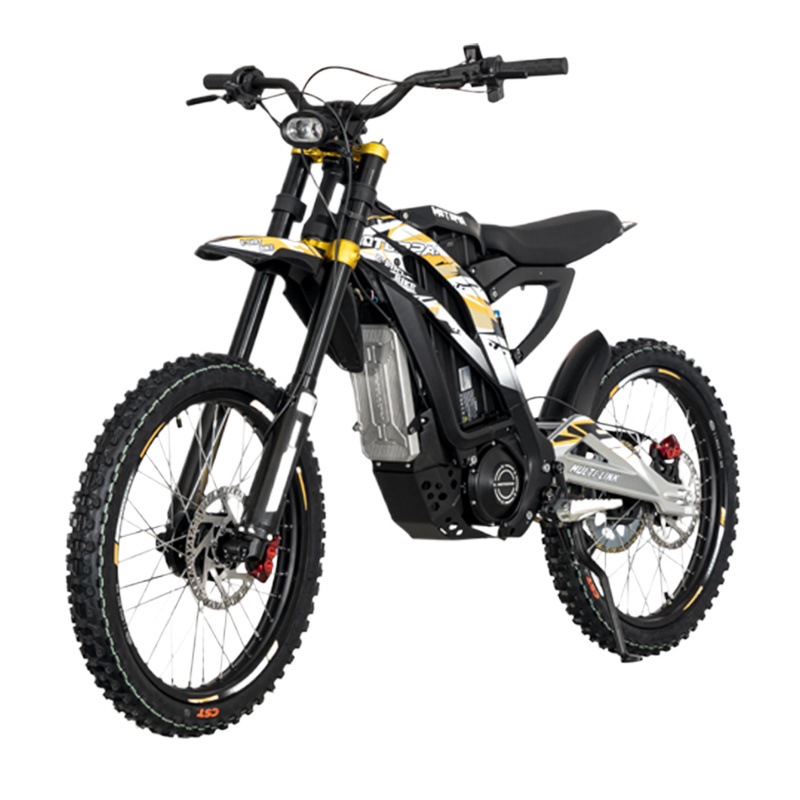
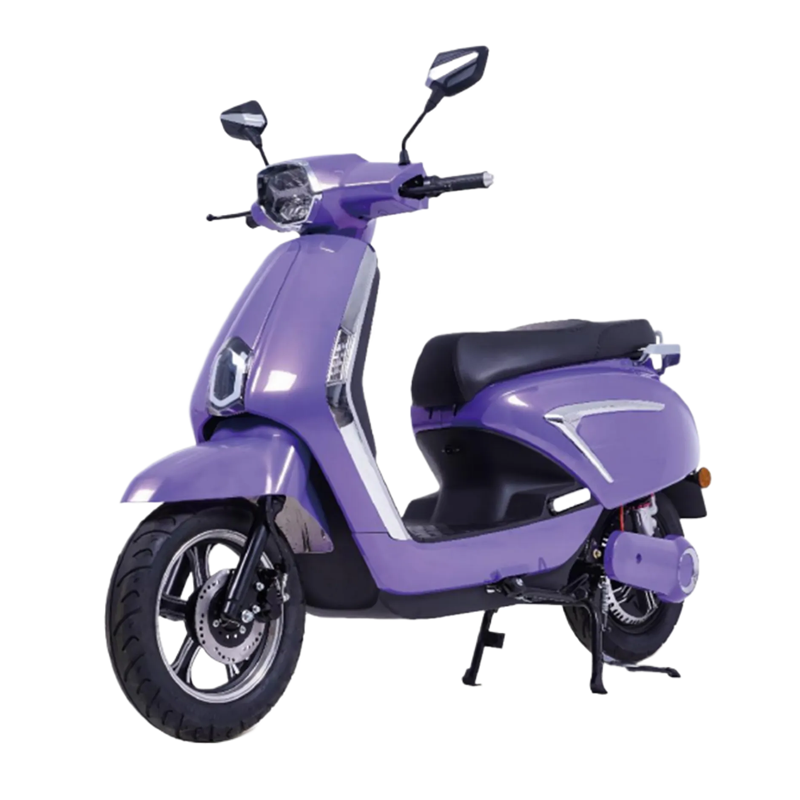
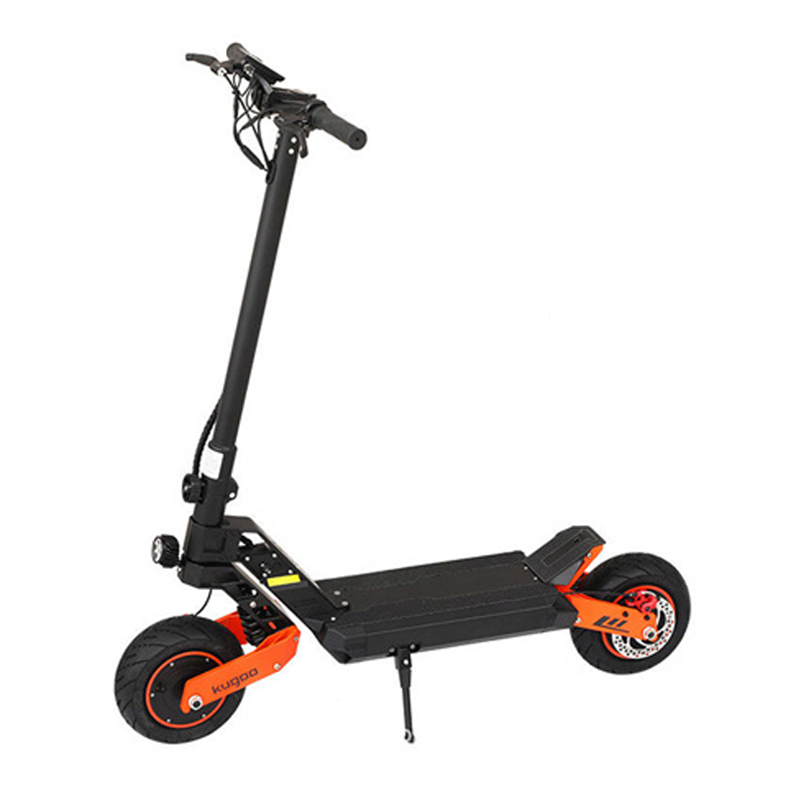
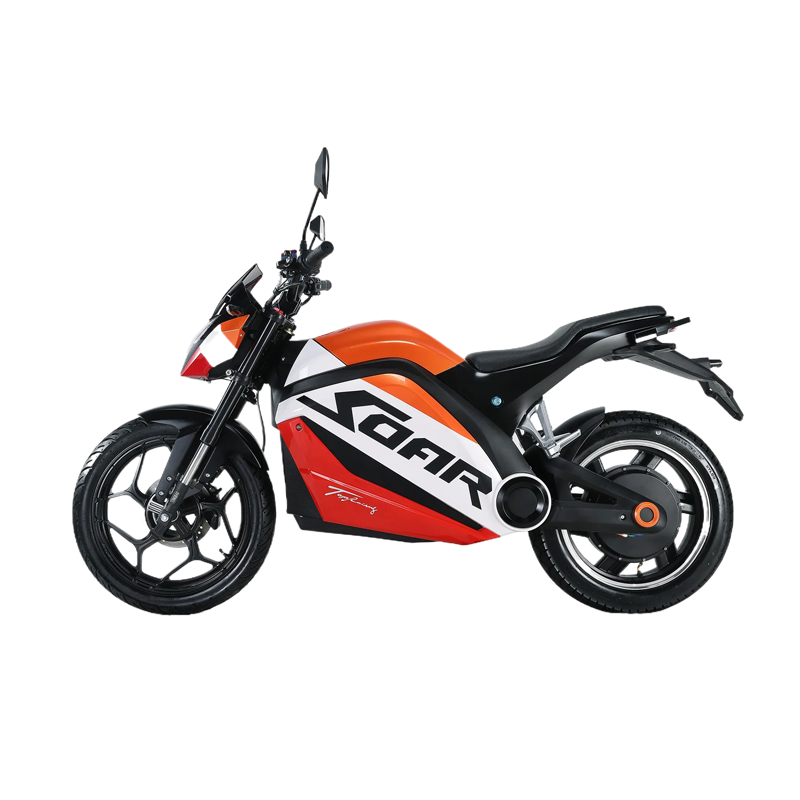

Why New EV Superbikes Are Revolutionizing the Motorcycle Industry
09/30
2025
Why New EV Superbikes Are Revolutionizing the Motorcycle Industry
Table of Contents
- 1. Introduction to the Revolution in Motorcycling
- 2. What Are EV Superbikes?
- 3. Benefits of Electric Superbikes
- 4. Technological Innovations in EV Superbikes
- 5. Current Market Trends in Electric Superbikes
- 6. The Future of Electric Superbikes
- 7. User Experience and Community Response
- 8. Frequently Asked Questions
- 9. Conclusion
1. Introduction to the Revolution in Motorcycling
The motorcycle industry is undergoing a **dynamic transformation** with the emergence of new electric superbikes (EV superbikes) that are not only redefining performance standards but also promoting sustainability. As we witness a shift towards **eco-friendly transportation**, these innovative machines are attracting enthusiasts and casual riders alike. By harnessing the power of electricity, manufacturers are crafting bikes that boast **minimal environmental impact** without compromising on speed or performance.
In this article, we delve into the various facets that make EV superbikes a formidable force in the motorcycle industry, exploring their benefits, technological advancements, and what the future holds for this exciting sector.
2. What Are EV Superbikes?
EV superbikes are **high-performance electric motorcycles** designed to deliver thrilling riding experiences while utilizing electricity as their primary power source. Unlike traditional motorcycles powered by internal combustion engines, EV superbikes are equipped with electric motors and rechargeable battery systems. This unique combination facilitates **instant torque delivery**, allowing these bikes to accelerate rapidly and achieve impressive top speeds.
Some of the most notable features of EV superbikes include:
- **Lightweight design** for enhanced maneuverability.
- **Advanced aerodynamics** to improve efficiency and stability at high speeds.
- **Regenerative braking systems** which help recharge the batteries during deceleration.
The rise of EV superbikes marks a significant shift towards embracing electric technology in the motorcycle realm, paving the way for greener alternatives without sacrificing the thrill of the ride.
3. Benefits of Electric Superbikes
As we explore the rise of electric superbikes, it becomes evident that they offer numerous advantages over traditional motorcycles. Below, we examine three key benefits:
3.1 Environmental Impact
One of the most compelling reasons to transition to EV superbikes is their **positive environmental impact**. Traditional motorcycles emit harmful gases that contribute to air pollution and climate change. In contrast, electric superbikes produce **zero tailpipe emissions**, making them a sustainable choice for environmentally-conscious riders. Furthermore, many manufacturers are committed to using **recyclable materials** in their construction, further minimizing their carbon footprint.
3.2 Performance Advantages
Electric superbikes are not only eco-friendly but also demonstrate impressive performance metrics. The **instant torque** provided by electric motors allows for rapid acceleration, often outperforming their gasoline-powered counterparts. Riders can experience smooth power delivery, with many EV superbikes capable of reaching **60 mph in just a few seconds**. This surge in performance is complemented by advanced suspension systems and traction control technologies that enhance overall handling and stability.
3.3 Cost-Effectiveness
In the long run, electric superbikes can prove to be more **cost-effective** compared to traditional motorcycles. With lower maintenance costs—thanks to fewer moving parts—and the price of electricity being generally lower than gasoline, riders can save on both service and fuel expenses. Additionally, many governments are incentivizing the adoption of electric vehicles, providing grants and tax rebates that make purchasing an EV superbike even more affordable.
4. Technological Innovations in EV Superbikes
The evolution of electric superbikes is heavily influenced by cutting-edge technologies that enhance their performance and user experience. Below are some of the most notable innovations:
4.1 Battery Technologies
Advancements in **battery technology** have been crucial in extending the range and performance of electric superbikes. Lithium-ion batteries are commonly used for their high energy density, enabling longer rides on a single charge. Manufacturers are also exploring solid-state batteries, which promise to offer even greater capacity and safety.
4.2 Charging Infrastructure
As EV superbikes gain popularity, **charging infrastructure** is rapidly expanding. Riders now have access to numerous charging stations, including **fast chargers** that can replenish batteries in less than an hour. Furthermore, home charging solutions are becoming more efficient, allowing riders to conveniently charge their bikes overnight.
4.3 Smart Features and Connectivity
Modern EV superbikes are equipped with **smart features** that enhance the riding experience. Many models come with touch-screen displays providing real-time information on speed, battery life, and navigation. Additionally, features like **Bluetooth connectivity** allow riders to sync their smartphones for music, calls, and notifications, further integrating technology into the riding experience.
5. Current Market Trends in Electric Superbikes
The electric superbike market is witnessing significant growth, driven by changing consumer preferences and increasing awareness of environmental issues. Major manufacturers such as Harley-Davidson, Zero Motorcycles, and Energica are actively investing in the development of electric models that cater to a diverse range of riders.
One notable trend is the rise of **custom electric superbikes**, where enthusiasts take advantage of modular designs and aftermarket parts to personalize their rides. This trend reflects a growing desire for individuality within the electric motorcycle community.
Another market trend is the emergence of **subscription models** for electric superbikes, providing a flexible alternative for riders who want access to high-performance motorcycles without the commitment of ownership.
6. The Future of Electric Superbikes
Looking ahead, the future of electric superbikes appears promising. As technology continues to evolve, we can expect even greater enhancements in battery life, speed, and overall performance. The integration of advanced artificial intelligence systems may also lead to **smart riding modes** that adapt to various conditions, enhancing safety and efficiency.
Moreover, as more manufacturers enter the electric motorcycle market, competition will drive innovation and lead to more affordable options for consumers. This, in turn, could lead to a **broader acceptance** of electric superbikes among traditional motorcycle enthusiasts.
7. User Experience and Community Response
The user experience of electric superbikes has been overwhelmingly positive, with many riders praising their performance, comfort, and quiet operation. Unlike traditional motorcycles, which can be loud and disruptive, electric superbikes offer a serene ride that allows riders to connect with their surroundings.
Community response has also been encouraging, with many riders actively participating in forums and social media groups to share experiences, tips, and modifications. The growing community of electric motorcycle enthusiasts fosters a sense of camaraderie, as riders come together to advocate for the benefits of electric mobility.
8. Frequently Asked Questions
1. Are electric superbikes safe to ride?
Yes, electric superbikes are designed with safety in mind. They are equipped with advanced safety features such as traction control, anti-lock braking systems (ABS), and robust chassis construction to ensure a secure riding experience.
2. What is the average range of an electric superbike?
The range of electric superbikes varies by model, but many offer between 100 to 200 miles on a single charge, depending on riding conditions and usage patterns.
3. How long does it take to charge an electric superbike?
Charging times can vary based on the charger used. Fast chargers can replenish a battery in about 30 minutes, while standard home chargers may take several hours.
4. Are there government incentives for purchasing electric superbikes?
Many countries and regions offer incentives such as tax rebates, grants, or reduced registration fees for electric vehicle purchases, including electric superbikes. It's advisable to check local regulations for specific details.
5. Can electric superbikes compete with traditional motorcycles?
Absolutely! Many electric superbikes outpace traditional motorcycles in terms of acceleration and performance. The unique characteristics of electric motors allow for a thrilling ride, making them strong competitors in the motorcycle market.
9. Conclusion
The revolution brought about by new electric superbikes is a clear testament to the potential of sustainable technology in the motorcycle industry. With their impressive performance, environmental benefits, and advancing technology, EV superbikes are not just a passing trend—they represent the future of motorcycling. As more riders embrace these cutting-edge machines, the motorcycle landscape will continue to evolve towards a greener and more exhilarating riding experience. The future is electric, and it promises to redefine the way we ride.


Recommended Reading
CONTACT
Phone Number : +86 512 6510 8165
Mobile Phone : +86 13771670476
Email : info@lexsongmoto.com
Office : Room 504, No.1 Building of Western Tower, Jiarui Mansion, No.400 Suzhou Ave. East, Industrial Park, Suzhou City, Jiangsu Province, China
Factory : B4 Chaoyang Industrial Square, Caohu Street, Suzhou City, Jiangsu Province, China

Apply to become an agent
Get exclusive discounts, product updates, and expert advice tailored specifically for you!