

Why Urban E-Scooters Are the Future of City Commuting
09/26
2025
Why Urban E-Scooters Are the Future of City Commuting
Table of Contents
1. Introduction to Urban E-Scooters
2. The Rise of E-Scooter Popularity in Urban Areas
3. Benefits of Using Urban E-Scooters for Commuting
3.1 Cost-Effectiveness Compared to Traditional Transportation
3.2 Environmental Impact and Sustainability
3.3 Convenience and Accessibility
3.4 Health Benefits of E-Scooter Commuting
4. How Urban E-Scooters Improve Traffic Management
5. Challenges Facing E-Scooter Adoption
5.1 Safety Concerns and Regulations
5.2 Infrastructure Limitations in Cities
5.3 Public Perception and Acceptance
6. The Future of Urban E-Scooters and Technology
7. Case Studies: Cities Leading the E-Scooter Revolution
8. Frequently Asked Questions (FAQs)
9. Conclusion
1. Introduction to Urban E-Scooters
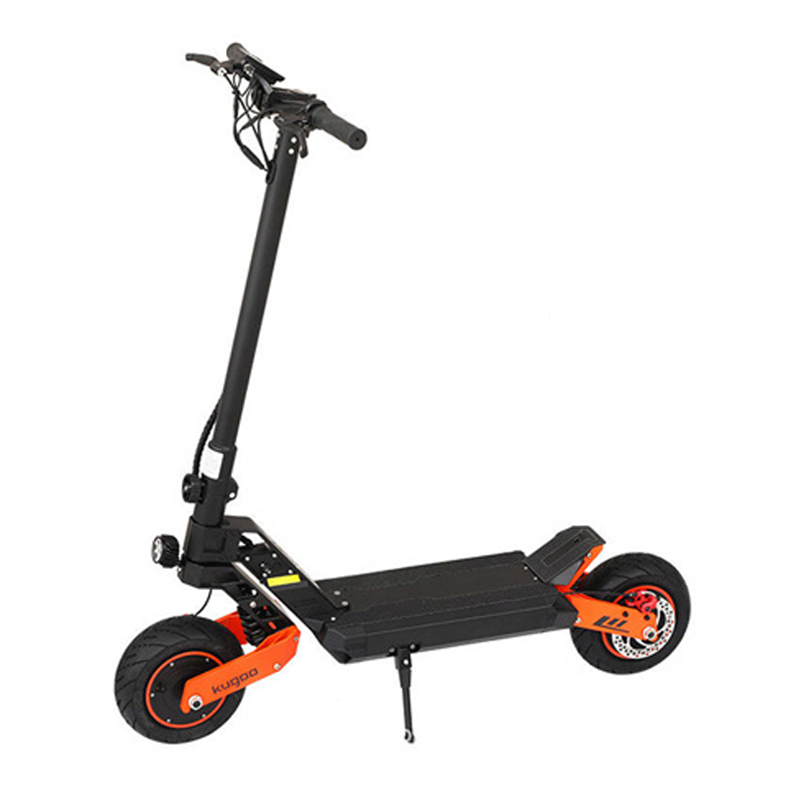
Urban e-scooters have emerged as a **game-changer** in the realm of city commuting, providing an innovative solution to the challenges posed by traffic congestion and environmental degradation. As cities grow increasingly crowded, traditional modes of transportation often fail to meet the needs of urban dwellers. E-scooters offer a **convenient**, **eco-friendly**, and **efficient** way for individuals to navigate bustling streets quickly. This article delves into why urban e-scooters represent the future of city commuting, examining their benefits, challenges, and the technological advancements shaping their future.
2. The Rise of E-Scooter Popularity in Urban Areas
The popularity of e-scooters has surged in recent years, largely fueled by the rapid expansion of sharing programs and a greater emphasis on sustainable commuting options. As urban populations continue to increase, many commuters are searching for alternatives to cars and public transportation that are fast, flexible, and fun. The convenience of e-scooters—paired with their ability to bypass traffic—makes them an increasingly attractive option for daily travel.
Recent statistics indicate that in major metropolitan areas, e-scooter usage has increased by over **100%** in the last year alone. People are drawn to their ability to cover short to medium distances without the hassle of parking, waiting for public transport, or getting stuck in traffic jams. Furthermore, as cities invest in infrastructure, the framework supporting e-scooter use is becoming more robust, allowing riders to navigate urban environments safely and easily.
3. Benefits of Using Urban E-Scooters for Commuting
The adoption of urban e-scooters comes with a plethora of benefits that address several pain points associated with traditional commuting methods.
3.1 Cost-Effectiveness Compared to Traditional Transportation
One of the most significant advantages of e-scooters is their **cost-effectiveness**. Compared to owning and maintaining a car or frequently using rideshare services, e-scooters offer a much lower cost per ride. Many e-scooter rental services operate on a pay-as-you-go basis, allowing users to only pay for the time they actually ride. This flexibility significantly reduces transportation expenses for daily commuters.
3.2 Environmental Impact and Sustainability
E-scooters present a **sustainable** form of transportation. They produce zero emissions during operation, contributing to cleaner air in urban environments. As cities strive to meet sustainability goals, e-scooters provide a viable solution to reduce carbon footprints associated with commuting. By replacing car trips with e-scooter rides, individuals can help decrease overall traffic congestion and pollution, aligning with the global push for greener cities.
3.3 Convenience and Accessibility
Urban e-scooters offer unmatched **convenience**. With numerous e-scooter sharing programs now available, users can find and deploy scooters through mobile apps, making it easier than ever to start their journey. This level of accessibility ensures that e-scooters can reach various demographics, from students and professionals to tourists and the elderly. The ability to park almost anywhere further enhances their appeal.
3.4 Health Benefits of E-Scooter Commuting
Beyond environmental benefits, e-scooters encourage a more active lifestyle. Riding an e-scooter requires balance and coordination, engaging core muscles and promoting physical activity. Additionally, the thrill of riding can motivate individuals who may otherwise shy away from more strenuous forms of exercise. This combination of fun and fitness makes e-scooters a unique way to get around.
4. How Urban E-Scooters Improve Traffic Management
The integration of e-scooters into urban transportation networks can significantly alleviate traffic congestion. By providing a viable alternative to cars for short trips, e-scooters can reduce the number of vehicles on the road. This shift not only eases congestion but also contributes to improved public transport efficiency, as buses and trains can operate more smoothly when not hindered by traffic jams.
Moreover, e-scooters require less space than traditional vehicles, allowing cities to repurpose parking lots and roadways for greenspaces or pedestrian walkways, further enhancing urban livability. As more commuters adopt e-scooters, cities can expect a **positive feedback loop** that encourages even more people to make the shift from cars to two-wheeled mobility.
5. Challenges Facing E-Scooter Adoption
While the advantages of e-scooters are substantial, several challenges must be addressed to facilitate widespread adoption.
5.1 Safety Concerns and Regulations
Safety stands as one of the primary concerns regarding e-scooter usage. With increased e-scooter traffic, there have been rising incidents of accidents and injuries. As a result, cities are implementing regulations that govern the proper usage of e-scooters, such as speed limits, designated riding lanes, and helmet requirements. Striking a balance between safety and convenience is essential for promoting e-scooter adoption.
5.2 Infrastructure Limitations in Cities
Many urban areas lack the necessary infrastructure to support e-scooter usage effectively. Narrow sidewalks, insufficient bike lanes, and limited parking options can deter potential users. Cities must invest in enhancing their infrastructure to include dedicated lanes for e-scooter riders, ensuring safer travel and reducing potential conflicts with pedestrians and vehicles.
5.3 Public Perception and Acceptance
Public perception plays a significant role in the adoption of e-scooters. In some areas, residents may view e-scooters as a nuisance, especially if improperly parked or left on sidewalks. Education campaigns and community engagement efforts are crucial to changing perceptions and promoting the benefits of e-scooters, fostering a culture of responsible usage.
6. The Future of Urban E-Scooters and Technology
Technological advancements are poised to enhance the e-scooter experience significantly. From **improved battery technology** to **smart navigation features**, the next generation of e-scooters will be more efficient, safer, and user-friendly. Innovations such as AI-driven software can optimize fleet management for e-scooter companies, ensuring that scooters are available where and when needed.
Furthermore, as the trend toward electric mobility grows, we can expect to see more **integrated transportation solutions** that seamlessly combine e-scooters with other forms of public transport, creating a comprehensive urban mobility ecosystem. This holistic approach will encourage a greater number of people to adopt e-scooters for their daily travel, establishing them as a staple of urban commuting.
7. Case Studies: Cities Leading the E-Scooter Revolution
Several cities worldwide have embraced e-scooters as a primary mode of transportation and are leading the charge in innovative urban mobility solutions.
**San Francisco** has become a model for e-scooter policy. By implementing regulations that govern e-scooter operations and promoting safety through designated riding lanes, San Francisco has effectively integrated e-scooters into its urban transportation framework.
**Lime and Bird**, two of the most successful e-scooter sharing companies, have also made significant strides in cities like **Paris**, where e-scooters serve as a complement to public transportation. By offering users a **seamless experience** with convenient pickup and drop-off locations, these companies have demonstrated the potential for e-scooters to alleviate the challenges of urban commuting.
**Barcelona** has further showcased the advantages of e-scooters by integrating them into its existing public transport network, effectively combining multiple forms of transport. This strategy has encouraged more residents and visitors to opt for e-scooters as a viable alternative to cars, resulting in reduced traffic congestion and pollution.
8. Frequently Asked Questions (FAQs)
**Q1: Are e-scooters safe to ride in urban areas?**
A1: While there are safety concerns, riding e-scooters can be safe if users follow local regulations, wear helmets, and remain vigilant of their surroundings.
**Q2: How much do e-scooter rentals typically cost?**
A2: Rental prices vary by city and company but usually range from $1 to $5 for the initial fee, plus additional charges per minute of usage.
**Q3: Do I need a driver's license to ride an e-scooter?**
A3: Most cities do not require a driver's license to ride e-scooters; however, some locations may have specific regulations, so it’s essential to check local laws.
**Q4: Can e-scooters be used in bad weather?**
A4: While e-scooters can be used in light rain, it is advisable to avoid riding in heavy rain, snow, or icy conditions due to safety concerns.
**Q5: What should I do if I encounter a malfunctioning e-scooter?**
A5: If you encounter a malfunctioning e-scooter, it is best to report it through the rental app to ensure it is removed from service for safety reasons.
9. Conclusion
Urban e-scooters are rapidly becoming a key player in the future of city commuting, offering a unique blend of cost-effectiveness, sustainability, and convenience. As cities continue to evolve, the integration of e-scooters into transportation networks will not only alleviate traffic congestion but also promote a healthier lifestyle among commuters. While challenges remain, technological advancements and community engagement will drive the widespread adoption of e-scooters. The future is indeed bright for urban commuters embracing this innovative mode of transportation. By continuing to invest in infrastructure and education, cities can foster a transportation ecosystem that embraces e-scooters, making urban mobility more efficient and enjoyable for all.


Recommended Reading
CONTACT
Phone Number : +86 512 6510 8165
Mobile Phone : +86 13771670476
Email : info@lexsongmoto.com
Office : Room 504, No.1 Building of Western Tower, Jiarui Mansion, No.400 Suzhou Ave. East, Industrial Park, Suzhou City, Jiangsu Province, China
Factory : B4 Chaoyang Industrial Square, Caohu Street, Suzhou City, Jiangsu Province, China

Apply to become an agent
Get exclusive discounts, product updates, and expert advice tailored specifically for you!