

Exploring the Latest Trends in Newest Urban Electric Bikes
09/22
2025
Exploring the Latest Trends in Newest Urban Electric Bikes
Table of Contents
- 1. Introduction to Urban Electric Bikes
- 2. The Significance of Urban Electric Bikes in Modern Cities
- 3. Key Trends in Urban Electric Bikes
- 3.1. Advances in Battery Technology
- 3.2. Innovative Design Features
- 3.3. Smart Connectivity and IoT Integration
- 3.4. Sustainable Manufacturing Practices
- 4. Benefits of Choosing Urban Electric Bikes
- 5. Challenges Facing Urban Electric Bikes
- 6. The Future of Urban Electric Bikes
- 7. Frequently Asked Questions
- 8. Conclusion
1. Introduction to Urban Electric Bikes
Urban electric bikes, often referred to as e-bikes, have rapidly gained popularity as a sustainable alternative to traditional transportation methods in cities. Combining the convenience of cycling with the power of electric motors, these bikes provide a practical solution for urban commuters looking to navigate congested roads and promote eco-friendly practices. As we delve into the latest trends in urban electric bikes, we will explore the advancements and innovations shaping this exciting industry.
2. The Significance of Urban Electric Bikes in Modern Cities
Urban electric bikes play a vital role in addressing several pressing issues in contemporary urban environments. They contribute to reducing traffic congestion, lowering carbon emissions, and promoting healthier lifestyles. With cities becoming increasingly crowded, urban electric bikes offer a flexible and efficient mode of transportation. As governments and organizations promote sustainable transport initiatives, the relevance of e-bikes continues to grow.
3. Key Trends in Urban Electric Bikes
The world of urban electric bikes is continuously evolving, with manufacturers and designers introducing cutting-edge features that enhance usability, comfort, and style. Below, we discuss some of the **key trends** that are shaping the future of urban electric bikes.
3.1. Advances in Battery Technology
Battery technology is at the heart of every electric bike. Recent developments in lithium-ion batteries have significantly improved their performance, allowing users to travel longer distances on a single charge. Manufacturers are now offering batteries with capacities of up to 700Wh, providing ranges exceeding 100 miles under optimal conditions. Additionally, the trend towards lighter, more compact batteries is enhancing the overall bike design, making them easier to handle and store.
3.2. Innovative Design Features
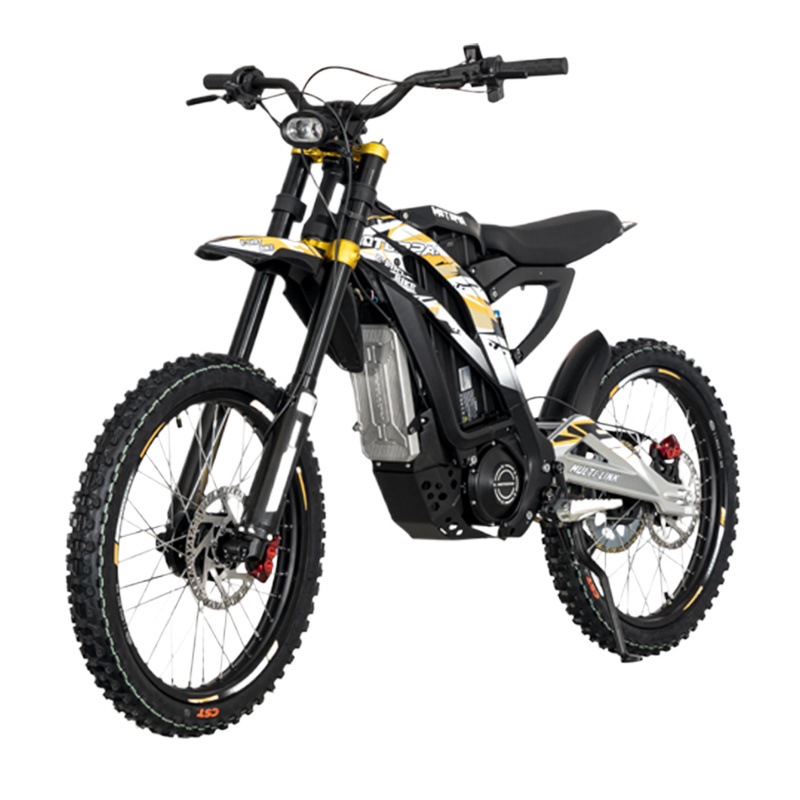
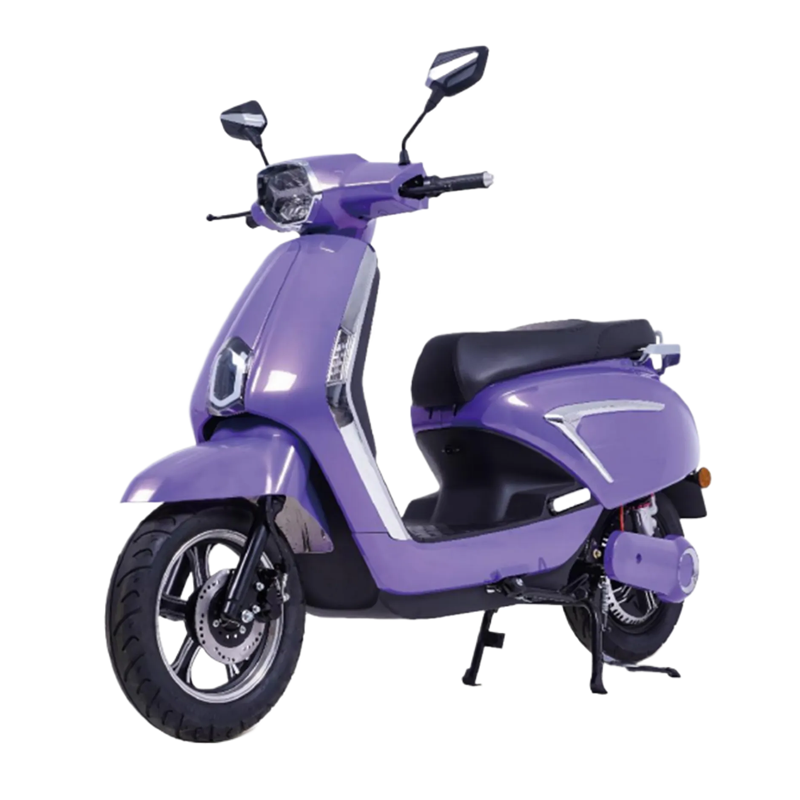
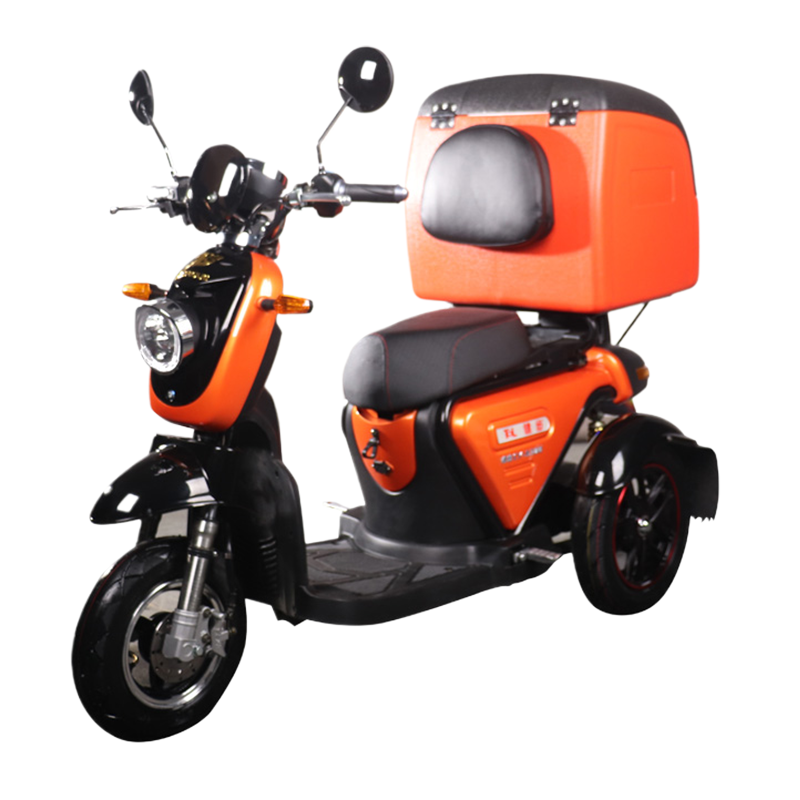
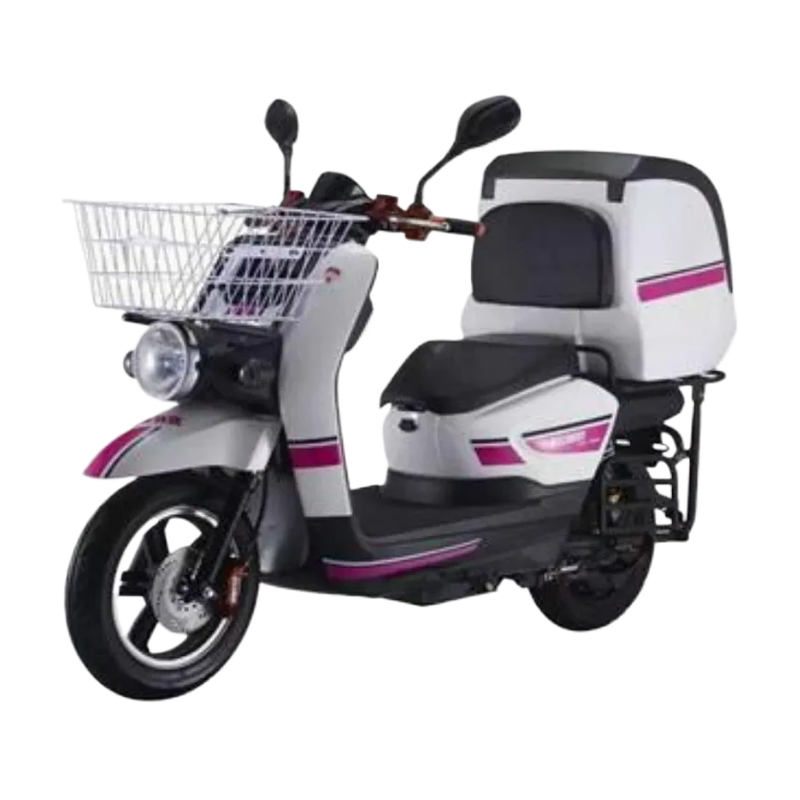
The design of urban electric bikes is constantly evolving to meet the needs of modern commuters. Features such as step-through frames, adjustable handlebars, and integrated lighting systems are becoming standard. Moreover, manufacturers are experimenting with aesthetic elements, resulting in bikes that are not only functional but also visually appealing. Customizable designs, including color choices and accessories, enable riders to express their personal style while enjoying their ride.
3.3. Smart Connectivity and IoT Integration
The integration of smart technology is revolutionizing urban electric bikes. Many models now come equipped with smartphone connectivity, allowing riders to track their routes, monitor battery life, and receive real-time performance data. Advanced security features, such as GPS tracking and remote locking systems, are also gaining traction. As the Internet of Things (IoT) continues to expand, the potential for smart e-bike technology will only increase, offering users enhanced convenience and safety.
3.4. Sustainable Manufacturing Practices
Sustainability remains a crucial concern in today's manufacturing processes. Many e-bike manufacturers are adopting eco-friendly practices, utilizing recyclable materials in their construction and implementing energy-efficient production methods. Brands that prioritize sustainability not only appeal to environmentally conscious consumers but also contribute to a greener planet.
4. Benefits of Choosing Urban Electric Bikes
Urban electric bikes offer numerous advantages over traditional vehicles and even standard bicycles. Here are some key **benefits** that make them an attractive option for city dwellers:
1. **Environmentally Friendly**: E-bikes produce zero emissions during operation, contributing to cleaner air in urban areas.
2. **Cost-Effective**: With rising fuel prices and maintenance costs for cars, e-bikes offer a more economical mode of transportation, requiring less maintenance and no fuel costs.
3. **Health Benefits**: Riding an e-bike promotes physical activity while reducing the strain on joints, making it accessible for a broader audience, including those who may struggle with traditional cycling.
4. **Time Efficiency**: E-bikes allow commuters to bypass traffic congestion, resulting in shorter travel times.
5. **Parking Convenience**: They require significantly less parking space than cars and can often be parked closer to destinations.
5. Challenges Facing Urban Electric Bikes
Despite their advantages, urban electric bikes face several challenges that could hinder their widespread adoption. Here are a few of the **challenges** to consider:
1. **Regulatory Issues**: Different cities have varying regulations regarding where e-bikes can be used, which can create confusion for riders.
2. **Infrastructure Limitations**: Many urban areas lack the necessary infrastructure, such as dedicated bike lanes and secure parking facilities, to support an increase in e-bike usage.
3. **Safety Concerns**: As e-bikes gain popularity, ensuring rider safety has become a priority. Accidents involving e-bikes and pedestrians or motor vehicles can create negative perceptions about their usage.
4. **Initial Cost**: While e-bikes are cost-effective in the long run, the initial purchase price can deter potential buyers.
6. The Future of Urban Electric Bikes
The future of urban electric bikes looks promising as technology continues to advance and urban planning evolves to accommodate sustainable transportation solutions. As more consumers embrace e-bikes, we can expect to see further **innovations** in battery technology, enhanced connectivity features, and a greater emphasis on sustainability. Additionally, urban planners will likely prioritize infrastructure improvements, making it easier and safer for e-bike riders to navigate city streets.
7. Frequently Asked Questions
What is the average range of an urban electric bike?
The average range of an urban electric bike typically falls between 20 to 60 miles on a single charge, depending on battery capacity and riding conditions.
Are urban electric bikes allowed on bike paths?
E-bike regulations vary by location. Generally, e-bikes are allowed on bike paths, but it’s essential to check local laws to ensure compliance.
How long does it take to charge an electric bike battery?
Most urban electric bike batteries take between 4 to 6 hours to fully charge, although this can vary depending on the battery size and charger used.
Can I ride an e-bike in the rain?
Yes, many urban electric bikes are designed to be weather-resistant. However, it’s advisable to avoid riding in heavy rain to ensure safety and protect electronic components.
What maintenance do urban electric bikes require?
Regular maintenance for e-bikes includes checking tire pressure, ensuring brakes are functioning correctly, and inspecting the battery and electrical components. It’s also recommended to clean the bike regularly to prevent buildup.
8. Conclusion
Urban electric bikes represent a transformative shift in how we approach urban mobility. With advancements in battery technology, innovative designs, smart connectivity, and sustainable practices, these bikes are poised to redefine the future of transportation in cities. As we embrace these changes, urban electric bikes will not only contribute to a greener environment but also enhance the quality of life for city dwellers. By staying informed about the latest trends and developments, we can fully appreciate the benefits and opportunities that urban electric bikes offer.


Recommended Reading
CONTACT
Phone Number : +86 512 6510 8165
Mobile Phone : +86 13771670476
Email : info@lexsongmoto.com
Office : Room 504, No.1 Building of Western Tower, Jiarui Mansion, No.400 Suzhou Ave. East, Industrial Park, Suzhou City, Jiangsu Province, China
Factory : B4 Chaoyang Industrial Square, Caohu Street, Suzhou City, Jiangsu Province, China

Apply to become an agent
Get exclusive discounts, product updates, and expert advice tailored specifically for you!