

Urban E-Scooters: Bridging the Gap Between Biking and Public Transit
09/09
2025
Urban E-Scooters: Bridging the Gap Between Biking and Public Transit
In recent years, urban e-scooters have surged in popularity, transforming the way we navigate city landscapes. These compact, electric vehicles are not just an alternative to traditional biking; they also serve as an efficient bridge between bicycles and public transit systems. As cities grapple with traffic congestion, pollution, and the need for sustainable transportation solutions, e-scooters present a realistic option for urban dwellers. This article delves into the multifaceted relationship between e-scooters, biking, and public transit, exploring their benefits, challenges, and future implications for urban mobility.
Table of Contents
- 1. Understanding Urban E-Scooters
- 2. The Benefits of E-Scooters
- 3. E-Scooters vs. Bicycles: A Comparative Analysis
- 4. Integrating E-Scooters with Public Transit Systems
- 5. Challenges and Regulatory Issues
- 6. The Future of Urban E-Scooters
- 7. Addressing Safety Concerns
- 8. Conclusion
- 9. Frequently Asked Questions
1. Understanding Urban E-Scooters
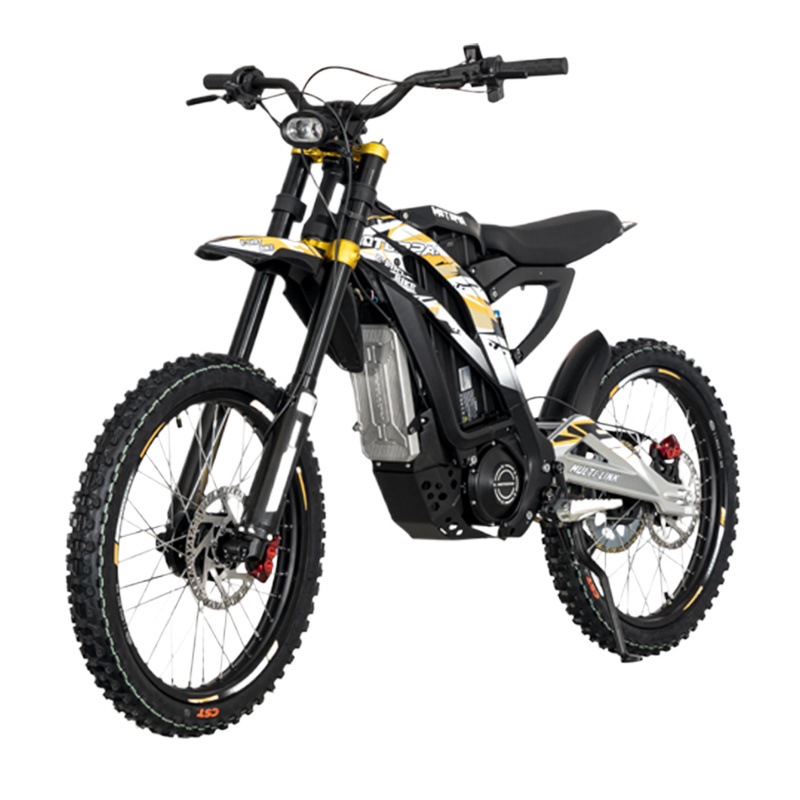
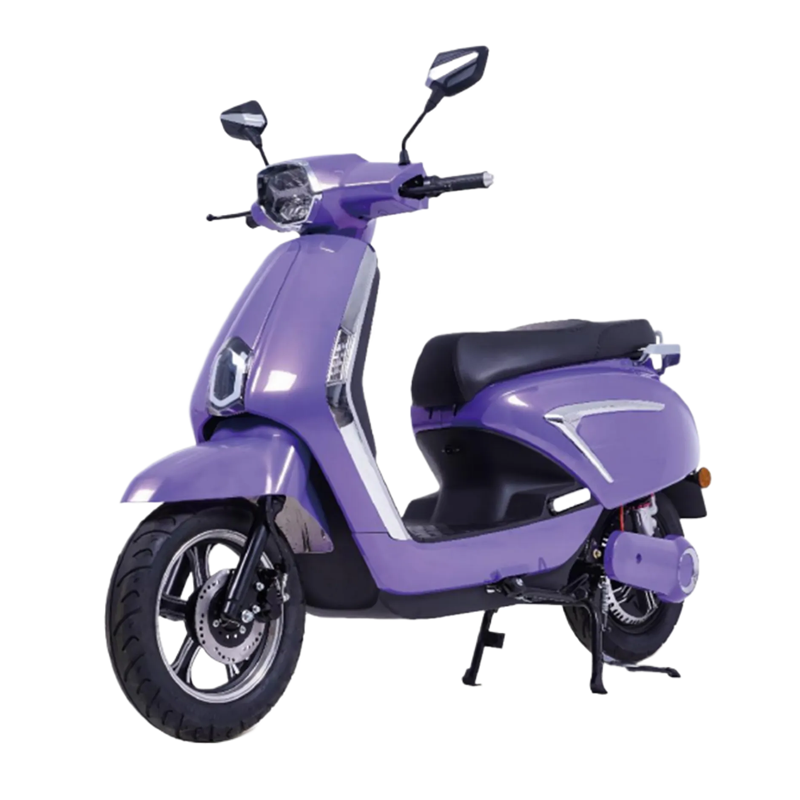
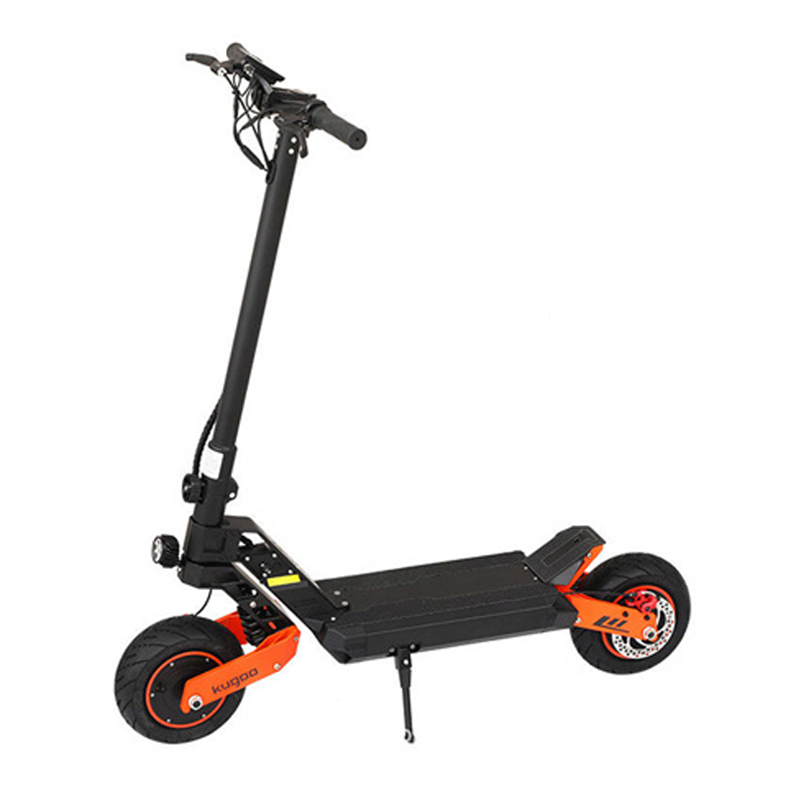
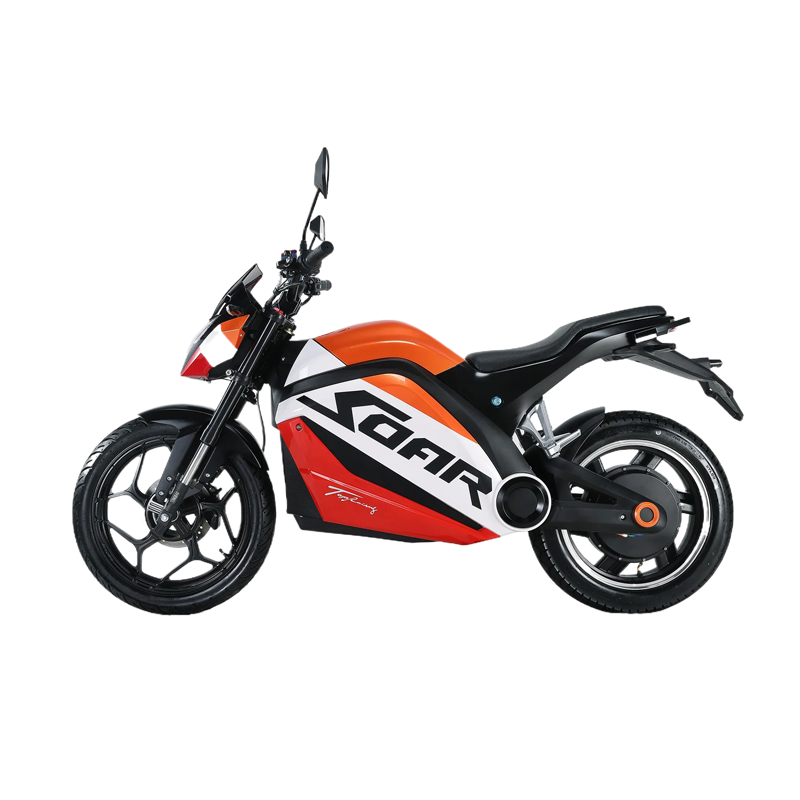
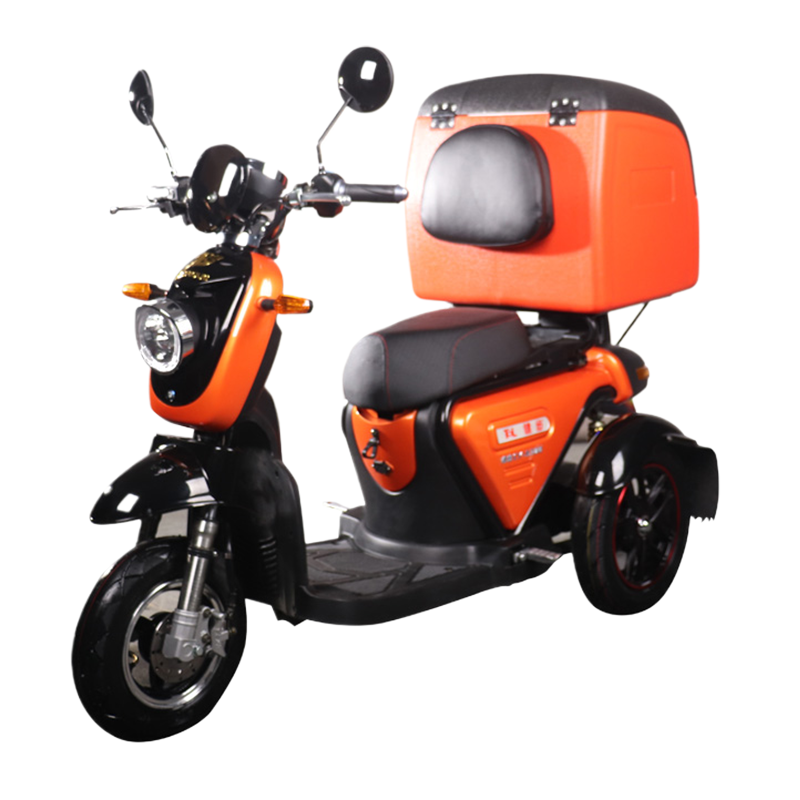
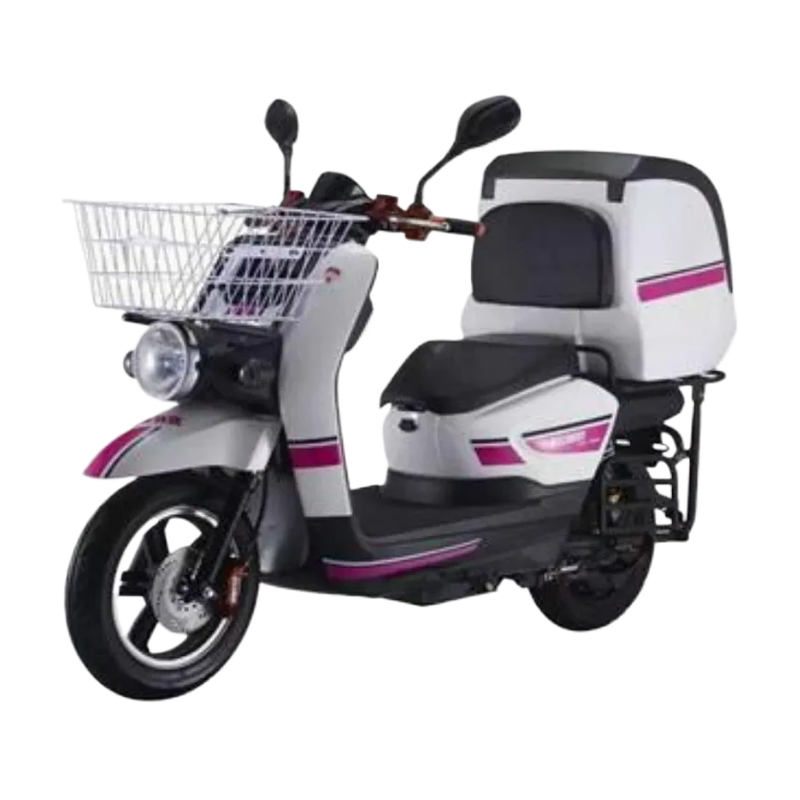
Urban e-scooters are electric-powered, two-wheeled vehicles designed for short-distance travel. Typically, they can reach speeds of up to 15-20 miles per hour, making them an efficient option for navigating through busy streets. E-scooters are often available through shared services, allowing users to locate and rent them via mobile apps. This accessibility has contributed to their rapid integration into the urban transportation ecosystem.
1.1 The Mechanics of E-Scooters
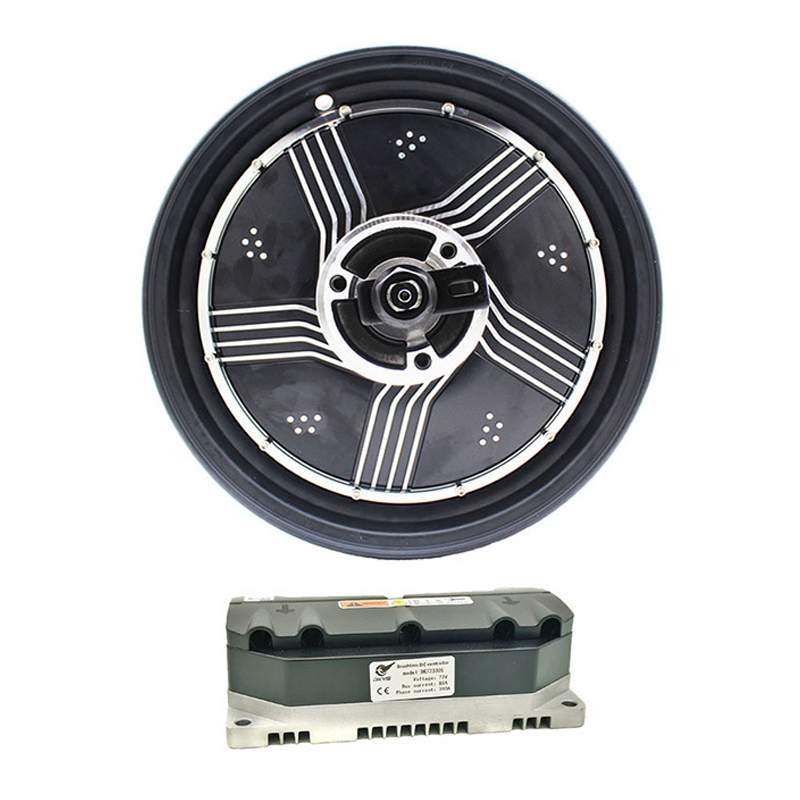
Most e-scooters are equipped with a rechargeable battery, electric motor, and a simple control mechanism. Users can accelerate, brake, and steer with ease, making them user-friendly for people of varying ages and skill levels. The ability to fold many models adds to their convenience for commuters, who can easily carry them onto public transportation.
2. The Benefits of E-Scooters
Urban e-scooters offer numerous advantages that benefit both individuals and cities as a whole. Here are some key benefits:
2.1 Environmental Impact
With cities facing increasing levels of air pollution, e-scooters provide a greener alternative to fossil fuel-powered vehicles. By reducing reliance on cars for short trips, e-scooters contribute to lowering carbon emissions and promoting sustainable transportation.
2.2 Cost-Effective Transportation
Compared to owning a car or even using traditional taxi services, e-scooters are a more affordable option. Users typically pay per ride, which can often be less expensive than public transport or gas for a vehicle, making e-scooters an attractive choice for budget-conscious commuters.
2.3 Reducing Traffic Congestion
E-scooters help alleviate traffic congestion in urban areas by providing a quick and efficient mode of transport for short distances. This not only benefits individual riders by saving them time but also contributes to smoother traffic flow for everyone.
3. E-Scooters vs. Bicycles: A Comparative Analysis
While both e-scooters and bicycles are popular choices for urban transportation, they cater to different needs and preferences.
3.1 Convenience and Accessibility
E-scooters are often seen as more convenient than bicycles because they require less physical effort. Riders can easily hop on and off without the need to pedal, making them a great option for individuals who may not be physically able to ride a bike.
3.2 Storage and Portability
Many e-scooters are designed to be lightweight and foldable, making them easy to carry and store. This contrasts with bicycles, which can be bulky and require secure parking spaces. The portability of e-scooters enhances their appeal in crowded urban environments.
3.3 Health Benefits
While biking is undoubtedly a great exercise option, e-scooters provide a less physically demanding alternative. They still allow users to be active, albeit to a lesser extent. For those looking to maintain a level of physical activity without excessive exertion, e-scooters can be a suitable choice.
4. Integrating E-Scooters with Public Transit Systems
The true potential of e-scooters lies in their ability to complement existing public transit systems. By creating a seamless connection between e-scooters and public transportation, cities can enhance mobility options for residents.
4.1 First-Mile/Last-Mile Solutions
Many urban dwellers find it challenging to travel the first or last mile to reach public transport stations. E-scooters fill this gap by providing quick access to bus and train stations, ensuring users can reach their destinations with minimal hassle.
4.2 Collaboration with Transit Agencies
Successful integration of e-scooters with public transit requires collaboration between e-scooter providers and transit agencies. Joint initiatives, such as discounted fares for multi-modal travel, can encourage more people to use public transportation combined with e-scooter rides.
5. Challenges and Regulatory Issues
Despite the benefits, the rise of e-scooters has presented various challenges that need addressing.
5.1 Safety Regulations
As with any new mode of transportation, safety is a paramount concern. Cities must develop comprehensive regulations to ensure safe usage, including speed limits, designated lanes, and helmet requirements. These measures can help mitigate accidents and injuries associated with e-scooter use.
5.2 Parking and Infrastructure
Improper parking of e-scooters is a significant issue in many urban areas, leading to sidewalk clutter and accessibility problems. Establishing dedicated parking zones and infrastructure can streamline e-scooter use and minimize disruptions to pedestrians.
5.3 Public Perception and Acceptance
Public opinion regarding e-scooters varies widely. Some view them as a helpful transport solution, while others see them as a nuisance. Addressing concerns through education and outreach can foster greater acceptance and understanding of e-scooter benefits.
6. The Future of Urban E-Scooters
The future of urban e-scooters is bright as cities increasingly recognize their potential in the transportation ecosystem. Innovations in technology, design, and regulation will likely enhance their usability and integration.
6.1 Technological Advancements
Advancements in battery technology, such as longer-lasting and faster-charging batteries, will improve the performance and convenience of e-scooters. Additionally, integrating smart technology, such as GPS tracking and data analytics, can enhance user experience and safety.
6.2 Expanding Accessibility
As cities strive for inclusivity, ensuring e-scooters are accessible to individuals with disabilities will be crucial. Designing e-scooters with various user needs in mind can create a more inclusive urban transportation landscape.
7. Addressing Safety Concerns
Safety remains a critical focus as e-scooter usage continues to rise. Addressing safety concerns involves implementing robust strategies to protect riders and pedestrians alike.
7.1 Encouraging Responsible Riding
Education campaigns aimed at e-scooter users can promote responsible riding behaviors, such as obeying traffic laws and wearing helmets. These initiatives can help reduce accidents and enhance overall safety.
7.2 Collaborating with Local Authorities
Collaboration between e-scooter companies and local authorities can lead to more effective safety measures. Engaging with community stakeholders to develop regulations and infrastructure can ensure a safer environment for all road users.
8. Conclusion
Urban e-scooters represent a transformative shift in how we think about transportation in cities. By bridging the gap between biking and public transit, they offer a flexible, sustainable alternative for urban mobility. As we move forward, addressing challenges and enhancing integration will be key to maximizing the benefits of e-scooters. By investing in infrastructure, safety, and user education, cities can create a more livable, connected environment for all residents.
9. Frequently Asked Questions
What are urban e-scooters?
Urban e-scooters are electric-powered scooters designed for short-distance travel within urban settings, often available through rental services via mobile apps.
Are e-scooters safe to ride?
While e-scooters can be safe, riders must adhere to traffic laws and wear safety gear, such as helmets, to minimize risks.
How do e-scooters benefit the environment?
E-scooters help reduce carbon emissions by providing a green alternative to fossil fuel-powered vehicles, thus contributing to cleaner urban air quality.
Can e-scooters be integrated with public transit?
Yes, e-scooters can complement public transport systems by providing first-mile/last-mile solutions, making commuting more accessible and efficient.
What challenges do cities face with e-scooter adoption?
Challenges include safety regulations, improper parking, public perception, and the need for adequate infrastructure to support e-scooter usage.


Recommended Reading
CONTACT
Phone Number : +86 512 6510 8165
Mobile Phone : +86 13771670476
Email : info@lexsongmoto.com
Office : Room 504, No.1 Building of Western Tower, Jiarui Mansion, No.400 Suzhou Ave. East, Industrial Park, Suzhou City, Jiangsu Province, China
Factory : B4 Chaoyang Industrial Square, Caohu Street, Suzhou City, Jiangsu Province, China

Apply to become an agent
Get exclusive discounts, product updates, and expert advice tailored specifically for you!