


Revolutionizing Urban Mobility: How Electric Bikes Are Transforming Our Commute
09/08
2025
How Urban Electric Bikes Are Changing the Way We Commute
Table of Contents
- 1. Introduction to Urban Electric Bikes
- 2. The Growing Popularity of Electric Bikes
- 3. How Electric Bikes Enhance Daily Commuting
- 4. Environmental Benefits of Electric Bikes
- 5. Adapting Urban Infrastructure for Electric Bikes
- 6. Challenges Facing Electric Bike Integration
- 7. The Future of Urban Electric Bikes
- 8. FAQs about Urban Electric Bikes
- 9. Conclusion
1. Introduction to Urban Electric Bikes
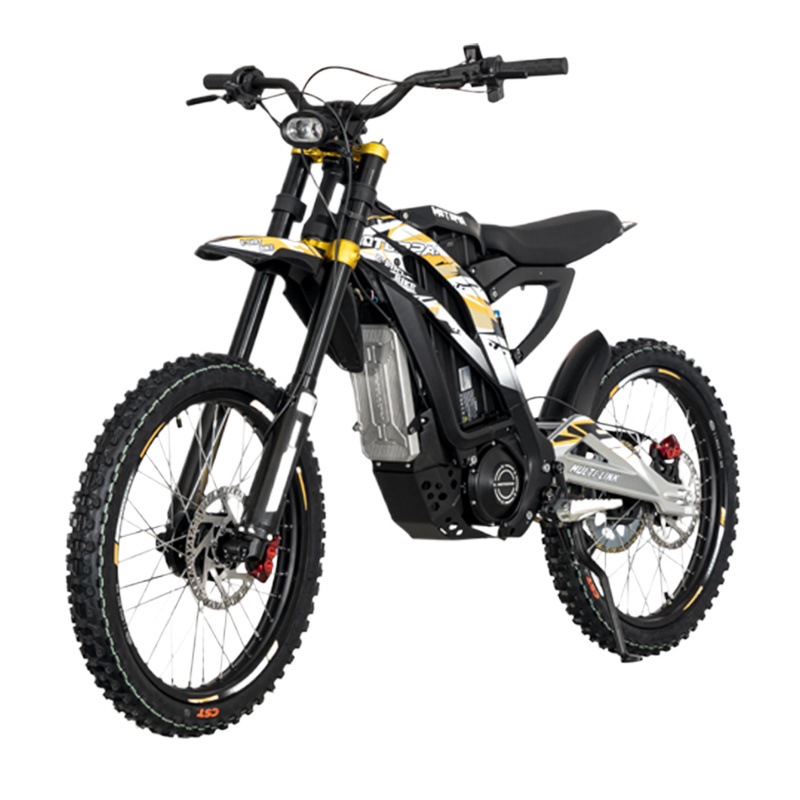
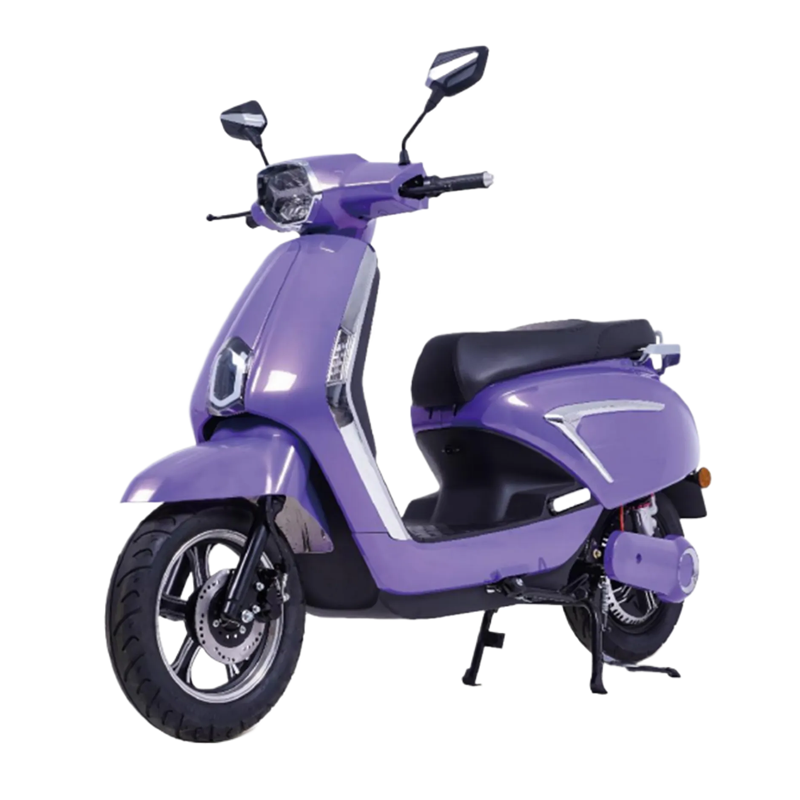
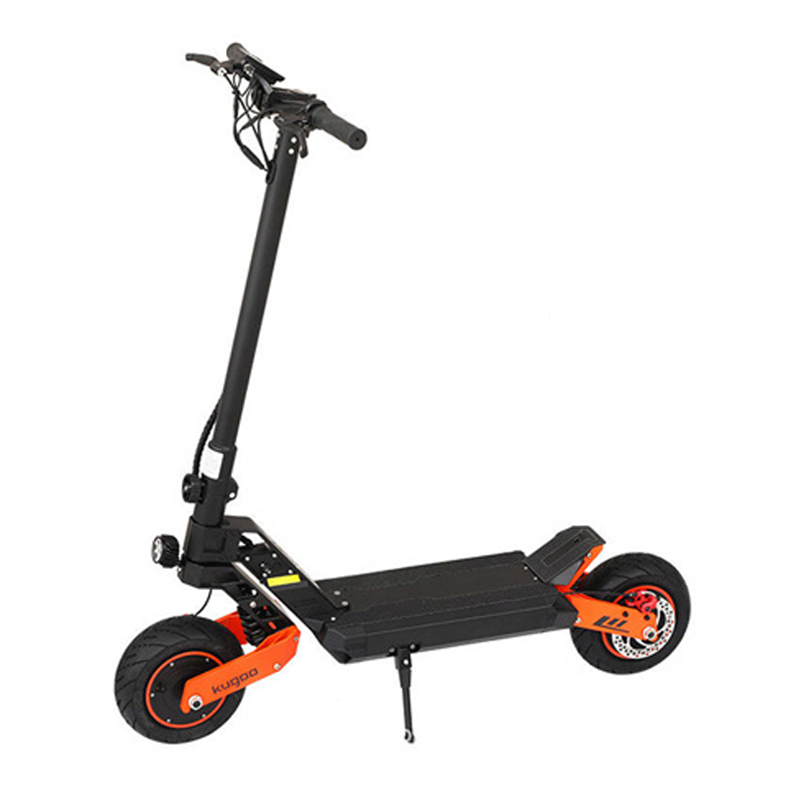
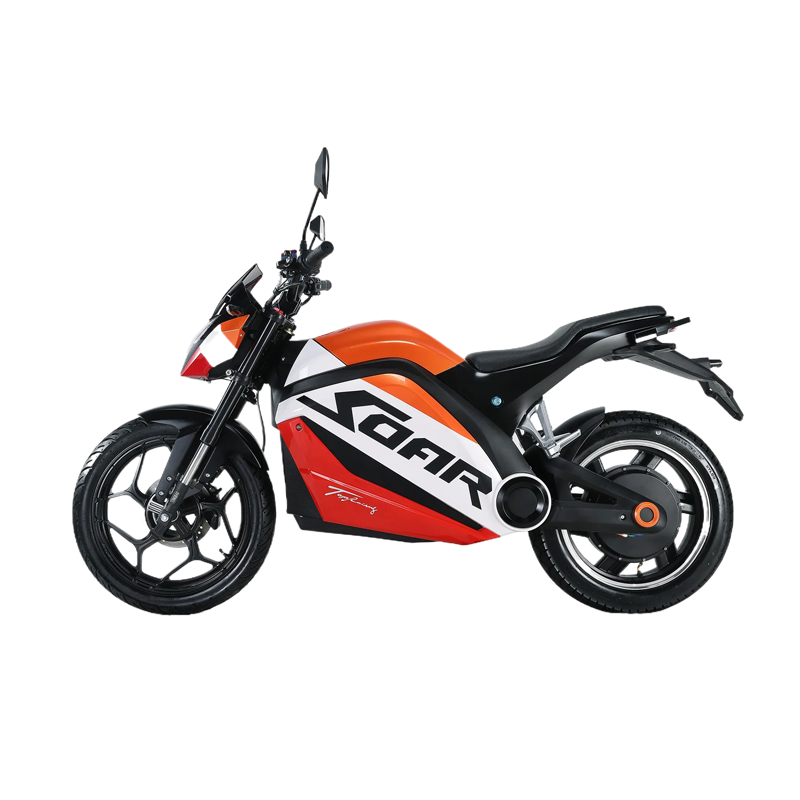
The advent of urban electric bikes has sparked a significant shift in transportation dynamics across cities worldwide. These innovative vehicles combine the pedaling power of traditional bicycles with an electric motor that assists riders in getting to their destinations more efficiently. As cities grapple with growing populations and the pressing need for sustainable transport solutions, electric bikes have emerged as a viable alternative to conventional means of commuting.
But what exactly is an electric bike? An electric bike, or e-bike, is equipped with a battery-powered motor that provides assistance when pedaling. This assistance can make riding uphill easier, help navigate through busy traffic, and reduce the effort needed for longer distances. As urban areas become increasingly congested, electric bikes are not only changing how we commute but also redefining our relationship with mobility and the environment.
2. The Growing Popularity of Electric Bikes
One of the most compelling aspects of electric bikes is their rapidly growing popularity. In recent years, cities across the globe have witnessed an uptick in e-bike sales and usage. Several factors contribute to this surge:
2.1 Convenience and Accessibility
Electric bikes offer a convenient mode of transportation that can significantly reduce travel times. With the ability to bypass traffic jams and access bike lanes, commuters often find that they can reach their destinations more swiftly than in a car or public transport. Moreover, e-bikes cater to a wider audience, including those who may not be physically fit enough for traditional biking, thus promoting inclusivity in transportation.
2.2 Cost-Effectiveness
The operational costs of electric bikes are considerably lower than those of cars. With minimal maintenance and no need for fuel, e-bike owners can benefit from substantial savings over time. Many cities have also introduced bike-sharing programs that include electric options, making it even more affordable for users to experience the benefits of electric biking without the upfront investment of purchasing a bike.
2.3 Health Benefits
Riding an electric bike promotes physical activity while still accommodating varying fitness levels. Unlike traditional bikes, where the effort can be daunting for some, electric bikes allow riders to engage in exercise while enjoying the assistance of a motor. This hybrid approach makes it easier for commuters to incorporate physical activity into their daily routines, thus enhancing overall health and well-being.
3. How Electric Bikes Enhance Daily Commuting
The impact of electric bikes on urban commuting is profound. They not only streamline the travel experience but also provide options for diverse commuting patterns.
3.1 Flexibility in Routes
Electric bikes offer unparalleled flexibility in choosing routes. Riders can easily navigate through urban centers, avoiding congested areas and seeking out scenic paths. This flexibility encourages exploration, making commuting feel less like a chore and more like an adventure.
3.2 Increased Commuter Satisfaction
The enjoyment of riding an electric bike contributes to higher levels of commuter satisfaction. The thrill of a breezy ride combined with the convenience of arriving at one’s destination without the stress of parking or traffic can transform how we view our daily travels.
3.3 Reduced Commute Times
Research indicates that electric bike users often enjoy shorter commute times compared to their car-driving counterparts. This is especially true in urban areas where traffic congestion is prevalent. As a result, commuters can enjoy more leisure time at home or in their workplaces, ultimately leading to improved work-life balance.
4. Environmental Benefits of Electric Bikes
The environmental advantages of electric bikes align with growing global efforts to combat climate change and reduce urban pollution.
4.1 Lower Carbon Footprint
Electric bikes produce significantly lower emissions compared to cars. Even when considering the emissions associated with electricity production, e-bikes contribute to a reduction in overall carbon footprints. By choosing to ride an electric bike instead of driving, individuals can actively participate in efforts to lower greenhouse gas emissions.
4.2 Mitigating Urban Air Pollution
Air pollution is a pressing issue in many cities, with transportation being a major contributor. Transitioning to electric bikes helps to alleviate this problem by reducing the number of cars on the road. As more commuters opt for electric bikes, urban air quality can improve, leading to healthier living conditions for residents.
4.3 Supporting Sustainable Urban Development
Electric bikes promote a shift towards sustainable urban development. Cities that prioritize cycling infrastructure not only enhance mobility but also encourage greener urban planning. This leads to the creation of more walkable, bike-friendly environments that are beneficial for all residents, including pedestrians and cyclists.
5. Adapting Urban Infrastructure for Electric Bikes
To fully harness the potential of electric bikes, cities must adapt their infrastructure. This involves significant investments in bike lanes, parking facilities, and charging stations.
5.1 Developing Dedicated Bike Lanes
Dedicated bike lanes are essential for ensuring the safety and comfort of electric bike riders. As cities recognize the demand for cycling infrastructure, the development of safe, well-maintained bike lanes can encourage more people to make the switch to electric biking.
5.2 Creating Charging Stations
With the increasing adoption of electric bikes, the need for accessible charging stations becomes crucial. Cities can implement charging stations in strategic locations, such as parks, shopping centers, and public transport hubs, to support e-bike users and make their experience more convenient.
5.3 Promoting Bike-sharing Programs
Bike-sharing programs that include electric bikes can significantly enhance urban mobility. These programs allow users to rent bikes for short periods, promoting the use of electric bikes without the burden of ownership. By making electric bikes more accessible, cities can encourage a culture of cycling and reduce dependency on cars.
6. Challenges Facing Electric Bike Integration
While the benefits of electric bikes are substantial, integrating them into existing transportation systems poses challenges.
6.1 Safety Concerns
Safety remains a paramount concern for electric bike riders. As the number of e-bikes on the road increases, the risk of accidents due to collisions with vehicles or pedestrians also rises. Cities must invest in infrastructure and public awareness campaigns to promote safe riding practices.
6.2 Regulatory Hurdles
Regulatory frameworks surrounding electric bikes can vary significantly from one city to another. Some areas may impose restrictions on where e-bikes can be ridden or how fast they can go. Establishing clear, consistent regulations is essential for fostering a safe and welcoming environment for electric bike users.
6.3 Public Perception
There may be lingering misconceptions about electric bikes, including concerns that they are not as environmentally friendly as traditional bicycles. Education and outreach initiatives can help shape public perception, highlighting the benefits of electric bikes in promoting sustainable transportation.
7. The Future of Urban Electric Bikes
The future of urban electric bikes appears promising, with advancements in technology and growing support from municipalities.
7.1 Technological Innovations
As technology continues to evolve, we can expect to see enhancements in battery life, motor efficiency, and overall bike design. These innovations will make electric bikes more appealing and accessible to a broader audience.
7.2 Government Support and Incentives
Many governments around the world are beginning to recognize the importance of promoting electric bikes as a sustainable transportation solution. Incentives such as subsidies for e-bike purchases, tax breaks, and investments in cycling infrastructure can significantly boost adoption rates.
7.3 A Shift in Urban Transportation Culture
As more people embrace electric bikes, a cultural shift towards sustainable transportation is likely to take shape. This transformation can lead to a more bicycle-friendly urban environment, ultimately improving quality of life for all residents.
8. FAQs about Urban Electric Bikes
8.1 Are electric bikes legal to ride in cities?
Yes, electric bikes are generally legal in most urban areas, but regulations may vary. It's essential to check local laws regarding speed limits and where e-bikes can be ridden.
8.2 How far can I ride on a single charge?
The range of an electric bike on a single charge can vary significantly based on factors such as battery size, terrain, and rider weight. Most e-bikes can travel between 20 to 50 miles per charge.
8.3 Do I need a special license to ride an electric bike?
Most jurisdictions do not require a special license to ride an electric bike. However, it’s advisable to check local regulations to ensure compliance.
8.4 How do I maintain an electric bike?
Maintaining an electric bike involves regular checks of the battery, brakes, tires, and drivetrain. Keeping these components in good condition will ensure optimal performance.
8.5 Are electric bikes heavy?
Electric bikes tend to be heavier than traditional bicycles due to the added weight of the motor and battery. However, advancements in materials and design are making them increasingly lightweight and manageable.
9. Conclusion
Urban electric bikes are more than just a trend; they represent a profound transformation in how we think about commuting and urban mobility. With their myriad benefits—including convenience, cost-effectiveness, and environmental sustainability—electric bikes are set to become a cornerstone of urban transportation. As we continue to embrace this innovative mode of transport, it will be crucial for cities to adapt their infrastructure and regulations to support this shift. The future of commuting lies in the hands of those willing to embrace change, and electric bikes are leading the way toward a more sustainable, efficient, and enjoyable urban experience.


Recommended Reading
CONTACT
Phone Number : +86 512 6510 8165
Mobile Phone : +86 13771670476
Email : info@lexsongmoto.com
Office : Room 504, No.1 Building of Western Tower, Jiarui Mansion, No.400 Suzhou Ave. East, Industrial Park, Suzhou City, Jiangsu Province, China
Factory : B4 Chaoyang Industrial Square, Caohu Street, Suzhou City, Jiangsu Province, China

Apply to become an agent
Get exclusive discounts, product updates, and expert advice tailored specifically for you!