
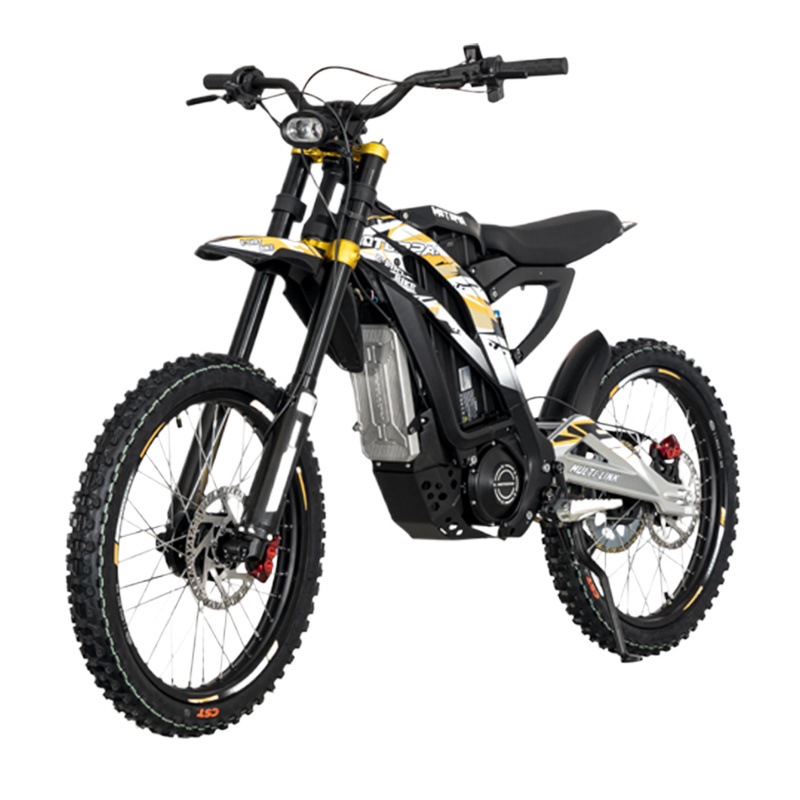
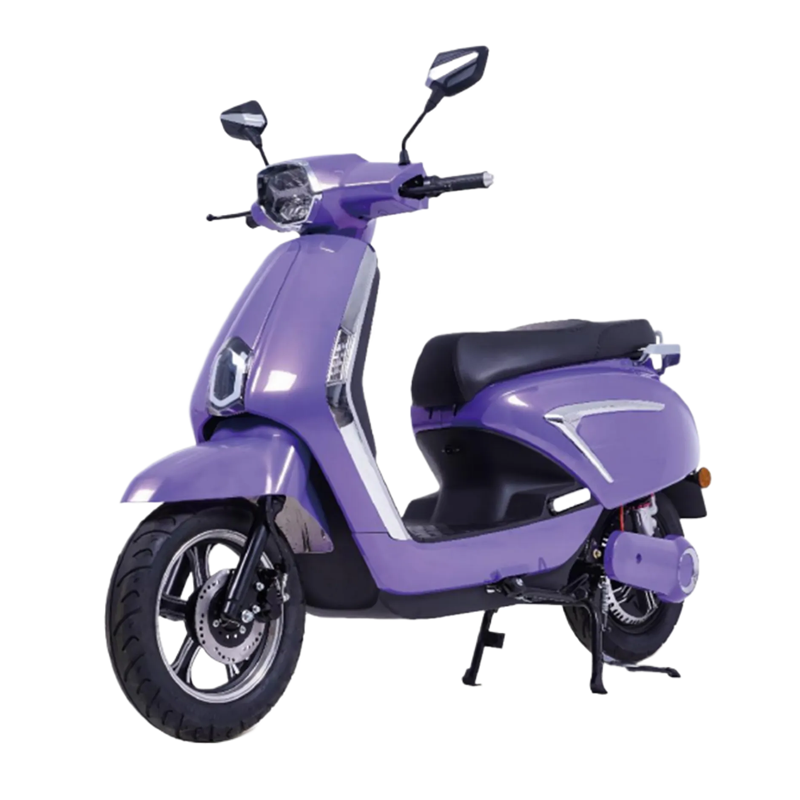
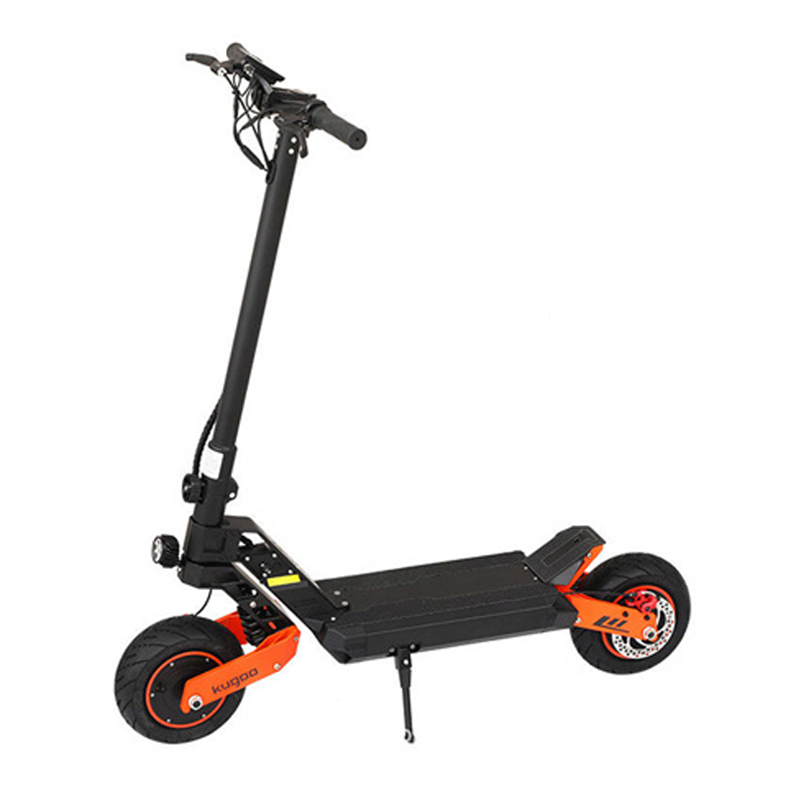
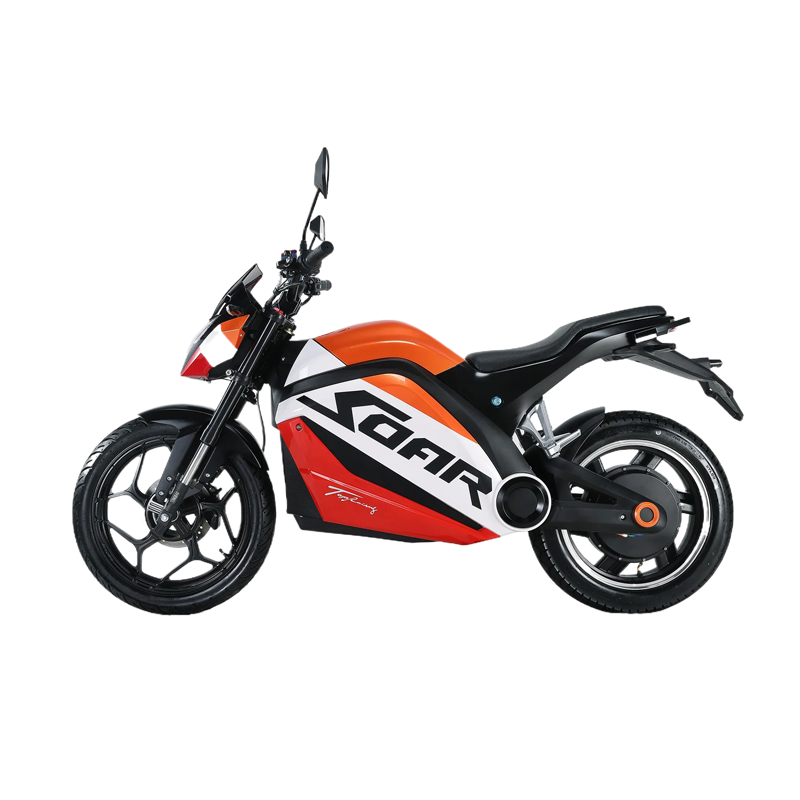

Exploring the Future of Mobility: Two-Wheeled Electric Vehicles
09/08
2025
Exploring the Future of Mobility: Two-Wheeled Electric Vehicles
Table of Contents
- 1. Introduction to Two-Wheeled Electric Vehicles
- 2. Benefits of Two-Wheeled Electric Vehicles
- 3. Technological Advancements in Electric Motorcycles
- 4. Current Market Trends in Electric Two-Wheelers
- 5. Challenges Facing the Adoption of Electric Motorcycles
- 6. The Future of Two-Wheeled Electric Vehicles
- 7. Conclusion
- 8. FAQs about Two-Wheeled Electric Vehicles
1. Introduction to Two-Wheeled Electric Vehicles
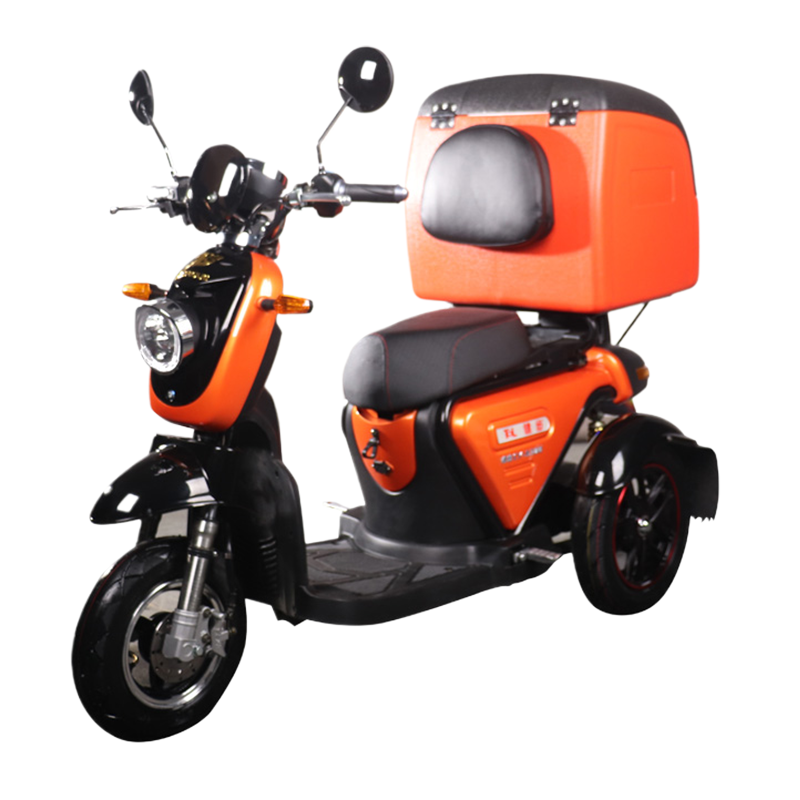
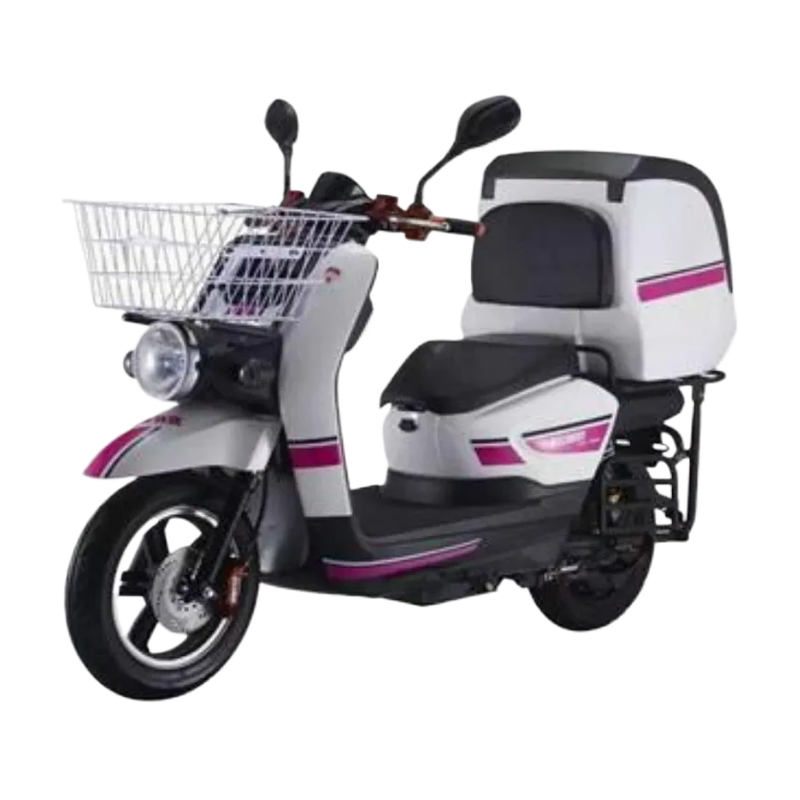
The landscape of transportation is undergoing a significant transformation, with the rise of **two-wheeled electric vehicles (EVs)** taking center stage. As urban areas become increasingly congested and environmental concerns escalate, electric motorcycles and scooters are emerging as a practical solution for sustainable mobility. These vehicles are not only eco-friendly, but they also offer a unique blend of convenience and efficiency, positioning them as a crucial component in the future of mobility.
2. Benefits of Two-Wheeled Electric Vehicles
2.1 Environmental Impact
One of the most compelling reasons to embrace two-wheeled electric vehicles is their positive **environmental impact**. Unlike traditional gasoline-powered motorcycles, electric two-wheelers produce zero tailpipe emissions, significantly reducing air pollution in urban environments. Furthermore, as the global energy grid increasingly incorporates renewable sources, the carbon footprint associated with charging these vehicles continues to decrease, making them an integral part of sustainable urban transport.
2.2 Economic Advantages
The economic benefits of adopting electric motorcycles extend beyond reduced fuel costs. Owners can save substantial amounts on maintenance, as electric vehicles typically have fewer moving parts than their gas-powered counterparts. Additionally, many governments offer incentives such as tax rebates or grants for purchasing electric vehicles, making the transition to electric scooters and motorcycles even more financially appealing.
3. Technological Advancements in Electric Motorcycles
The evolution of **technology** has been crucial in advancing the capabilities of electric motorcycles, enhancing their appeal to consumers and expanding their market presence.
3.1 Battery Technology Revolution
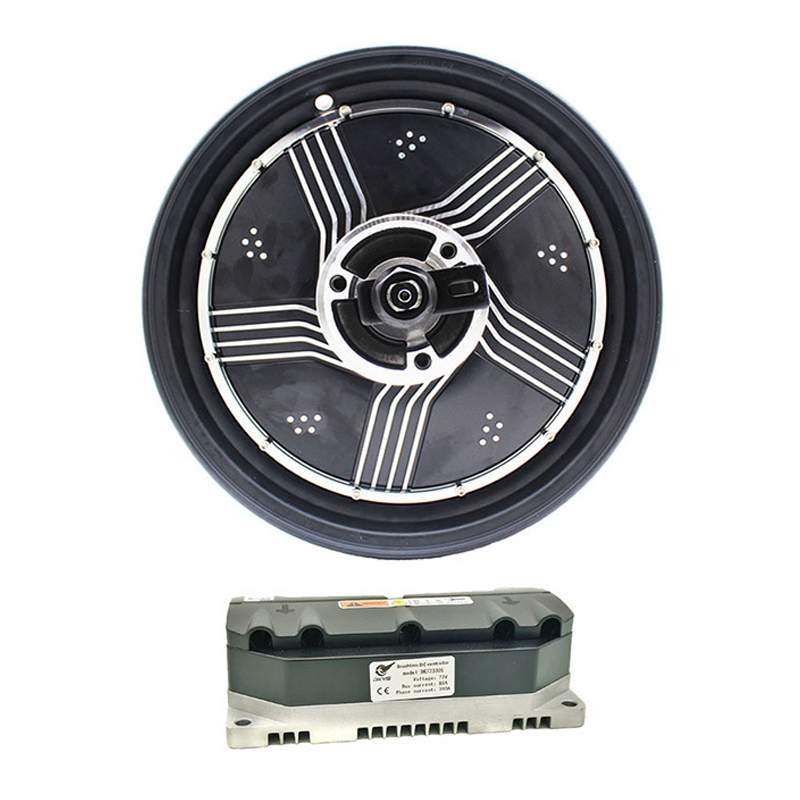
At the heart of any electric vehicle lies its battery, and recent advancements in **battery technology** have paved the way for longer ranges and faster charging times. Modern lithium-ion batteries can now support ranges exceeding 100 miles on a single charge, making them comparable to traditional motorcycles. Innovations in battery management systems also optimize performance and longevity, ensuring a more reliable and efficient riding experience.
3.2 Smart Features and Connectivity
The integration of smart features into electric motorcycles is revolutionizing how riders interact with their vehicles. With the incorporation of IoT technology, riders can now access real-time data about their vehicle's performance, battery status, and location, all through mobile applications. Features like GPS navigation, anti-theft systems, and ride analytics not only enhance the riding experience but also add an extra layer of safety and convenience.
4. Current Market Trends in Electric Two-Wheelers
The market for electric two-wheelers is rapidly expanding, driven by increasing consumer acceptance and innovation from manufacturers. According to recent industry reports, the global electric motorcycle market is projected to grow exponentially over the next decade. Major automotive manufacturers are investing in electric two-wheeled models, indicating a clear shift towards a greener future in mobility.
5. Challenges Facing the Adoption of Electric Motorcycles
Despite their numerous advantages, the widespread adoption of two-wheeled electric vehicles is not without its challenges.
5.1 Charging Infrastructure Limitations
One of the primary barriers to the adoption of electric motorcycles is the **charging infrastructure**. While traditional gasoline stations are abundant, the availability of public charging stations remains limited in many regions. Governments and private enterprises must collaborate to expand the charging network, making electric two-wheelers a more viable option for consumers.
5.2 Consumer Perceptions and Misconceptions
Consumer perceptions can also hinder the acceptance of electric motorcycles. Many potential buyers still harbor misconceptions about the performance and reliability of electric vehicles, often associating them with limited range and power. Education campaigns and real-world demonstrations can help dispel these myths and highlight the true capabilities of modern electric two-wheelers.
6. The Future of Two-Wheeled Electric Vehicles
As we look ahead, the future of two-wheeled electric vehicles appears promising. Innovations in battery technology, charging infrastructure, and smart features will further enhance their attractiveness to consumers. Additionally, as urban areas continue to prioritize sustainable transportation solutions, electric motorcycles and scooters will likely play a critical role in shaping the mobility landscape of tomorrow.
7. Conclusion
The evolution of two-wheeled electric vehicles represents a significant shift in how we approach mobility. With their environmental benefits, economic advantages, and technological advancements, electric motorcycles and scooters are well-positioned to become a dominant force in urban transportation. As we continue to overcome the challenges associated with infrastructure and consumer perceptions, the future of two-wheeled electric vehicles looks not just bright, but electric.
8. FAQs about Two-Wheeled Electric Vehicles
1. What is the average range of an electric motorcycle?
The average range of modern electric motorcycles can exceed 100 miles on a single charge, depending on the model and battery capacity.
2. How long does it take to charge an electric motorcycle?
Charging times can vary based on the charging method, but using a standard outlet can take several hours, while fast chargers can reduce charging time to under an hour.
3. Are electric motorcycles more expensive than traditional motorcycles?
While the initial purchase price of electric motorcycles can be higher, lower operating and maintenance costs can make them more economical in the long run.
4. Do electric motorcycles require special maintenance?
Electric motorcycles generally require less maintenance than traditional motorcycles, but regular checks on battery health and software updates are recommended.
5. Are there government incentives for purchasing electric motorcycles?
Many governments offer financial incentives, such as tax credits or rebates, to encourage the purchase of electric vehicles, including motorcycles. Check local regulations for specific programs available in your area.


Recommended Reading
CONTACT
Phone Number : +86 512 6510 8165
Mobile Phone : +86 13771670476
Email : info@lexsongmoto.com
Office : Room 504, No.1 Building of Western Tower, Jiarui Mansion, No.400 Suzhou Ave. East, Industrial Park, Suzhou City, Jiangsu Province, China
Factory : B4 Chaoyang Industrial Square, Caohu Street, Suzhou City, Jiangsu Province, China

Apply to become an agent
Get exclusive discounts, product updates, and expert advice tailored specifically for you!