

Maximizing Efficiency: How Electric Vehicle Controllers Enhance Performance
09/04
2025
1. Understanding Electric Vehicle Controllers
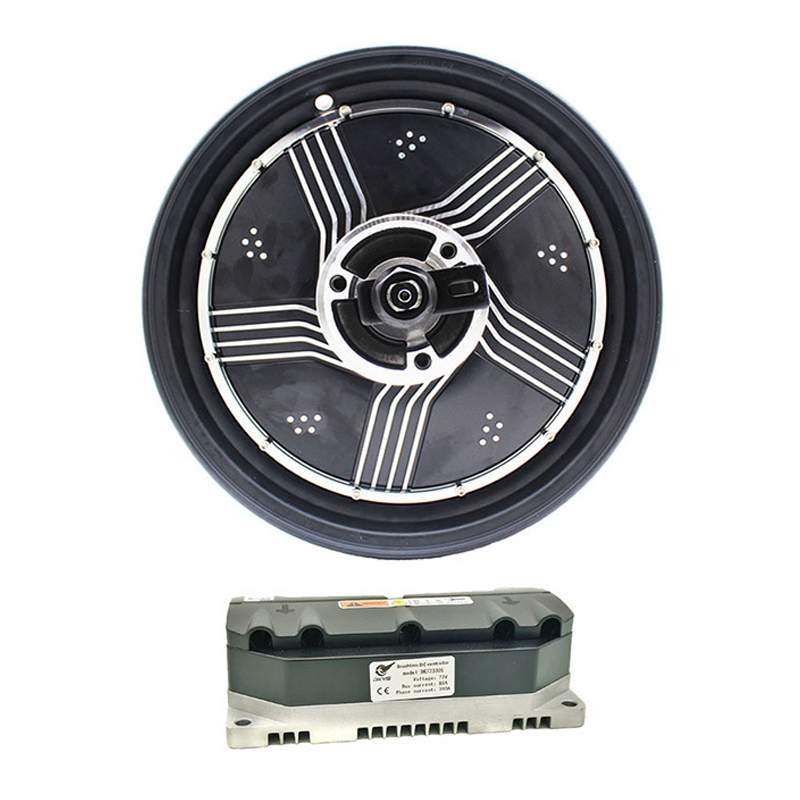
Electric vehicle controllers are sophisticated devices that manage the flow of electricity between the battery and the electric motor. These controllers are crucial in determining the performance characteristics of electric vehicles (EVs). They regulate power delivery based on various factors, including driver input and vehicle speed. Understanding the intricacies of these controllers is essential for unlocking the full potential of electric vehicles.
2. The Role of Controllers in Electric Vehicles
The controller acts as the brain of the electric vehicle, converting the driver’s commands into actions. It controls several critical functions:
- Power Management: Optimizes energy consumption to extend battery life.
- Torque Delivery: Adjusts motor output for smooth acceleration.
- Regenerative Braking: Captures energy during braking to recharge the battery.
By managing these functions effectively, controllers help enhance the overall driving experience while ensuring efficiency and performance.

3. Types of Electric Vehicle Controllers
There are several types of electric vehicle controllers, each designed for specific applications and performance requirements. The main categories include:
- DC Motor Controllers: Commonly used in lower-power applications, these controllers are simpler but less efficient.
- AC Motor Controllers: More advanced, offering high efficiency and better performance through technologies like pulse width modulation (PWM).
- Field-Oriented Control (FOC) Controllers: Provide superior torque control and efficiency, ideal for high-performance electric vehicles.
Understanding these types is vital for selecting the right controller for a specific electric vehicle model.
4. How Controllers Optimize Performance
Electric vehicle controllers enhance performance in several ways:
- Dynamic Power Distribution: Controllers adjust power delivery based on real-time data, allowing for efficient acceleration and deceleration.
- Temperature Management: They monitor and manage the temperature of components, ensuring optimal performance and longevity.
- User Customization: Many modern controllers allow drivers to customize settings for different driving conditions, enhancing the overall experience.
By optimizing these factors, controllers play a significant role in maximizing the efficiency and performance of electric vehicles.
5. Benefits of Advanced Electric Vehicle Controllers
Investing in advanced electric vehicle controllers comes with numerous benefits:
- Improved Efficiency: Advanced controllers maximize energy use, resulting in longer driving ranges.
- Enhanced Performance: They provide quicker response times and smoother operation under various conditions.
- Increased Reliability: With real-time monitoring and adaptive features, these controllers ensure reliable performance over time.
The incorporation of advanced controllers can significantly elevate the driving experience while minimizing environmental impact.
6. The Latest Technological Advancements
The electric vehicle industry is continuously evolving, with innovations in controller technology leading the way. Recent advancements include:
- Artificial Intelligence Integration: AI algorithms analyze driving patterns to optimize energy use dynamically.
- Vehicle-to-Grid (V2G) Technology: Allows electric vehicles to return energy to the grid, enhancing overall energy efficiency.
- Enhanced Safety Features: Modern controllers come equipped with fail-safes and monitoring systems to prevent overheating and component failures.
These advancements not only improve efficiency but also contribute to a more sustainable future for electric mobility.
7. Challenges and Solutions for Electric Vehicle Controllers
Despite their benefits, electric vehicle controllers face challenges that can affect performance:
- Heat Management: Excessive heat can reduce efficiency and damage components.
- Cost: Advanced controllers can be expensive, impacting the overall vehicle cost.
- Complexity: As technology evolves, the complexity of systems increases, requiring specialized knowledge for maintenance and repair.
Addressing these challenges involves developing better heat dissipation technologies, exploring cost-effective manufacturing processes, and ensuring comprehensive training for technicians.
8. The Future of Electric Vehicle Controllers
The future of electric vehicle controllers is bright, with ongoing research focused on enhancing their capabilities. Key trends include:
- Integration with Smart Technologies: Future controllers will likely incorporate more smart technologies that enable better connectivity and data analysis.
- Increased Customization: Manufacturers are focusing on providing customizable solutions tailored to individual driver preferences.
- Broader Applications: As technology improves, controllers will be utilized in various electric mobility sectors, including public transportation and commercial vehicles.
These developments will foster a new era of electric mobility characterized by greater efficiency, performance, and sustainability.
9. Conclusion
Electric vehicle controllers play a pivotal role in maximizing the efficiency and performance of electric vehicles. By understanding their functions, types, and the latest technological advancements, we can appreciate their significance in the evolving landscape of electric mobility. As we move towards a more sustainable future, continued innovation in controller technology will drive the electric vehicle market forward, enhancing the overall driving experience while minimizing environmental impact.


Recommended Reading
CONTACT
Phone Number : +86 512 6510 8165
Mobile Phone : +86 13771670476
Email : info@lexsongmoto.com
Office : Room 504, No.1 Building of Western Tower, Jiarui Mansion, No.400 Suzhou Ave. East, Industrial Park, Suzhou City, Jiangsu Province, China
Factory : B4 Chaoyang Industrial Square, Caohu Street, Suzhou City, Jiangsu Province, China

Apply to become an agent
Get exclusive discounts, product updates, and expert advice tailored specifically for you!