

The Rise of Urban E-Scooters: A Convenient Solution for Modern Commuting
09/19
2026
Urban e-scooters have revolutionized the way people navigate through cities, offering a fresh alternative to traditional modes of transportation such as cars and public transit. As urban areas become increasingly congested and the demand for eco-friendly solutions rises, e-scooters present a compelling case for commuters seeking efficiency and convenience. Here, we delve into the key aspects of urban e-scooters that make them a noteworthy choice for modern transportation.
One of the primary advantages of urban e-scooters is their ability to navigate through traffic smoothly. Unlike cars, e-scooters can slip through narrow spaces and make quick turns, significantly reducing commute times, especially during peak hours. This agility not only saves time but also decreases the stress associated with being stuck in traffic, enhancing the overall commuting experience.
Furthermore, urban e-scooters contribute positively to the environment. They operate on electricity, which means they produce zero tailpipe emissions, unlike gasoline-powered vehicles that contribute to air pollution. By choosing e-scooters over cars for short-distance travel, users can play a part in reducing their carbon footprint and promoting greener urban spaces. This eco-conscious choice is particularly appealing to individuals and companies that prioritize sustainability in their daily operations.
Safety is another crucial consideration for users of urban e-scooters. While they are generally safe when operated correctly, riders must be aware of their surroundings and adhere to local traffic laws. Wearing helmets and following designated bike lanes can significantly decrease the risk of accidents. Additionally, many cities are implementing regulations to ensure the safe usage of e-scooters, including speed limits and designated parking areas, further enhancing user safety.
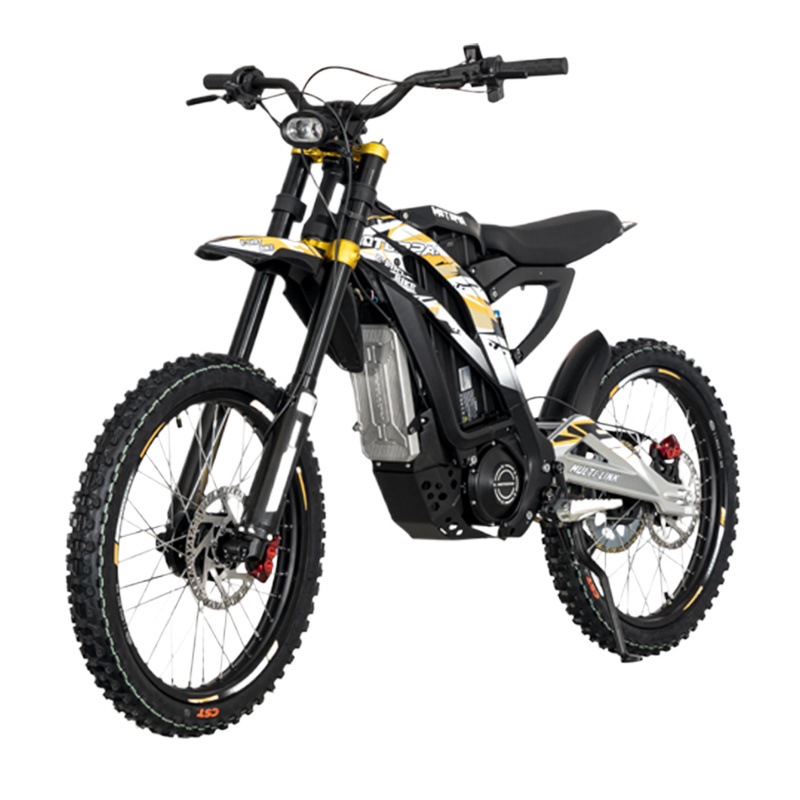
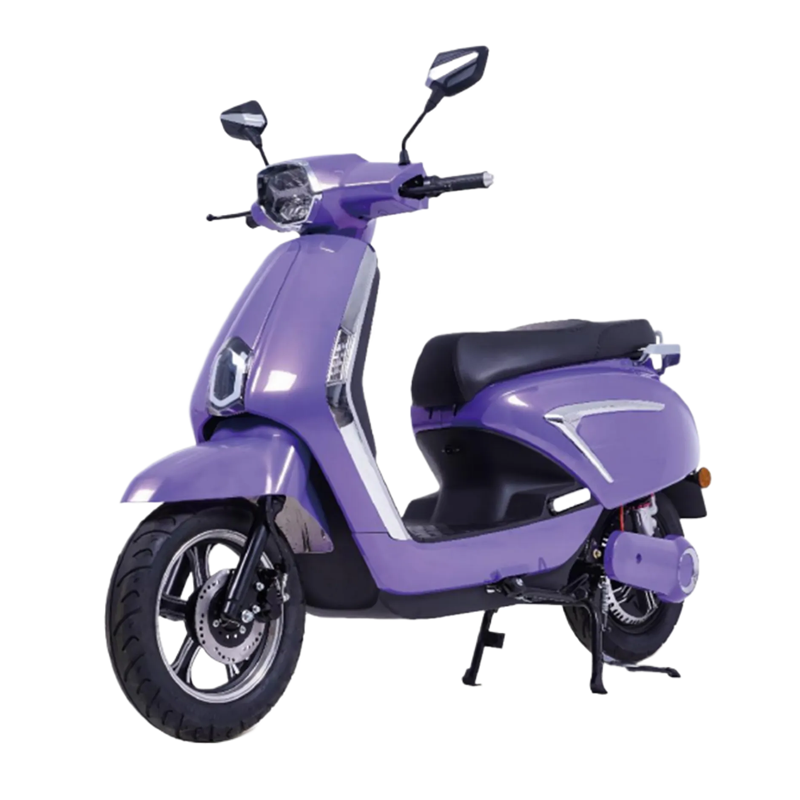
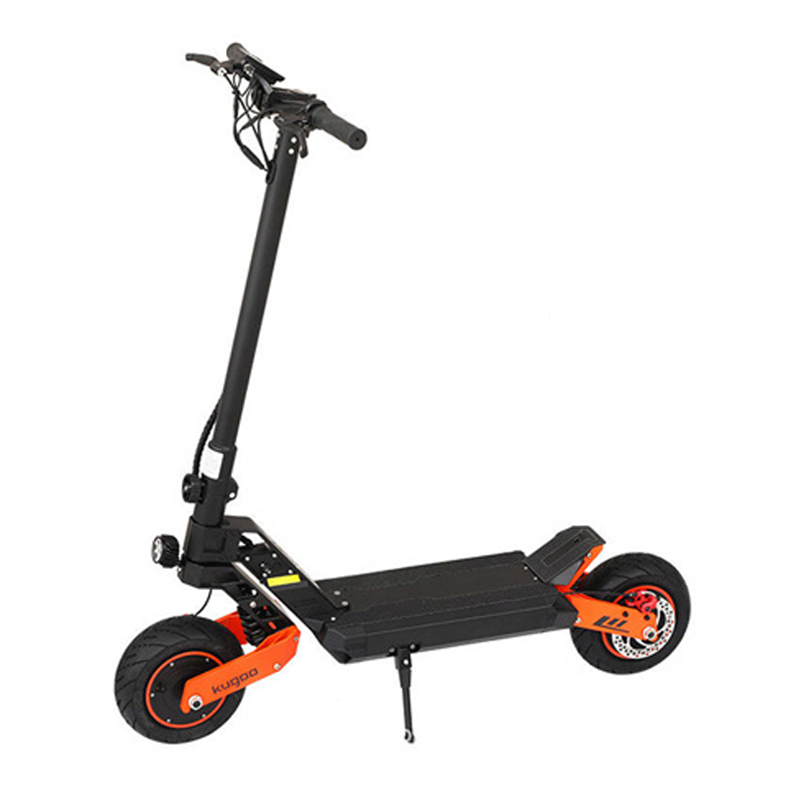
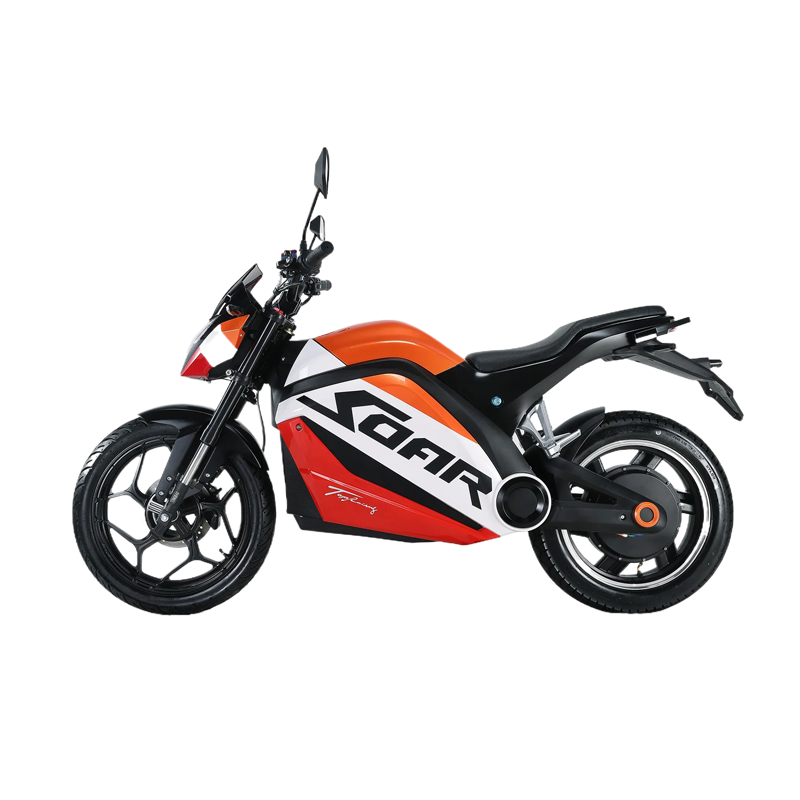
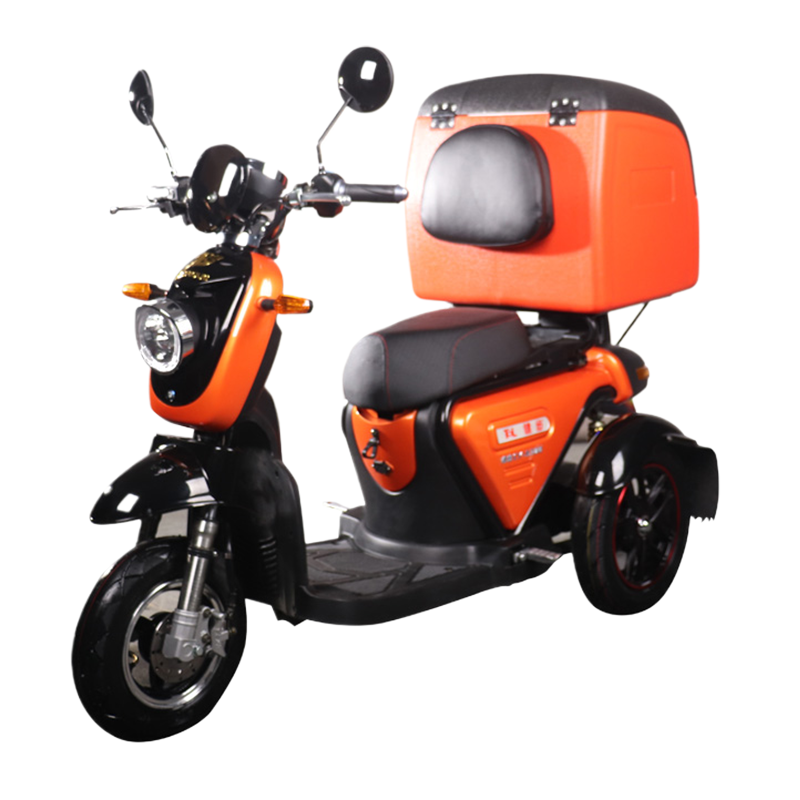
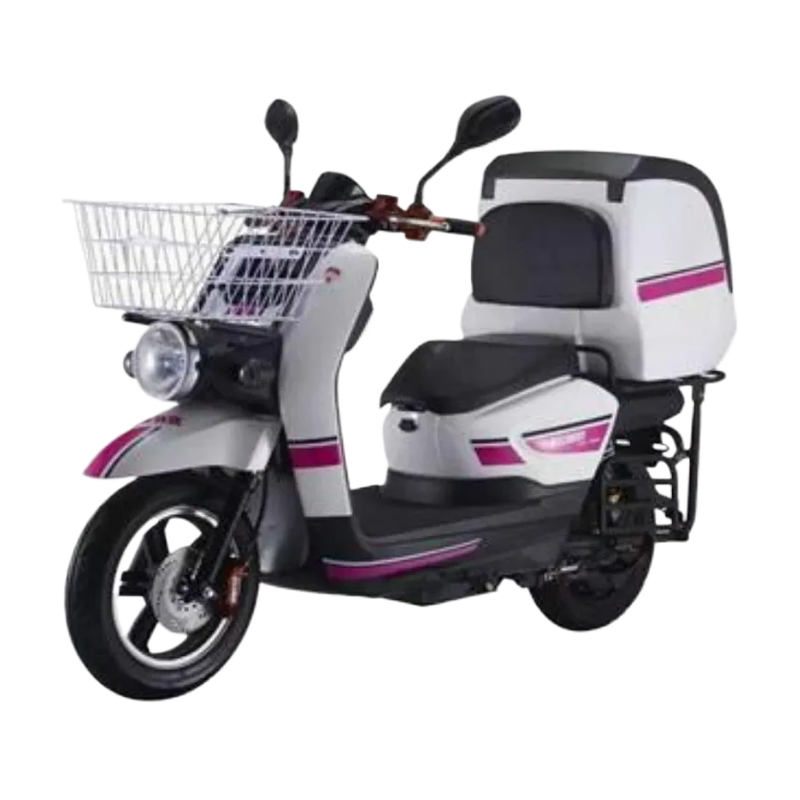
For those considering adding an e-scooter to their commuting routine, understanding the various models and features available is essential. Factors such as battery life, weight capacity, and portability can influence user experience. Some models are designed for short urban trips, while others may offer longer ranges for those who need to travel greater distances. Evaluating these features can help users select the right e-scooter to meet their commuting needs effectively.
In conclusion, urban e-scooters represent a modern, efficient, and environmentally friendly means of transportation for city dwellers. As cities continue to evolve and adapt to new transportation trends, e-scooters are likely to play a significant role in shaping the future of urban mobility. By embracing this innovative mode of transport, individuals can enjoy a more convenient commuting experience while contributing to a healthier planet.
One of the primary advantages of urban e-scooters is their ability to navigate through traffic smoothly. Unlike cars, e-scooters can slip through narrow spaces and make quick turns, significantly reducing commute times, especially during peak hours. This agility not only saves time but also decreases the stress associated with being stuck in traffic, enhancing the overall commuting experience.
Furthermore, urban e-scooters contribute positively to the environment. They operate on electricity, which means they produce zero tailpipe emissions, unlike gasoline-powered vehicles that contribute to air pollution. By choosing e-scooters over cars for short-distance travel, users can play a part in reducing their carbon footprint and promoting greener urban spaces. This eco-conscious choice is particularly appealing to individuals and companies that prioritize sustainability in their daily operations.
Safety is another crucial consideration for users of urban e-scooters. While they are generally safe when operated correctly, riders must be aware of their surroundings and adhere to local traffic laws. Wearing helmets and following designated bike lanes can significantly decrease the risk of accidents. Additionally, many cities are implementing regulations to ensure the safe usage of e-scooters, including speed limits and designated parking areas, further enhancing user safety.
For those considering adding an e-scooter to their commuting routine, understanding the various models and features available is essential. Factors such as battery life, weight capacity, and portability can influence user experience. Some models are designed for short urban trips, while others may offer longer ranges for those who need to travel greater distances. Evaluating these features can help users select the right e-scooter to meet their commuting needs effectively.
In conclusion, urban e-scooters represent a modern, efficient, and environmentally friendly means of transportation for city dwellers. As cities continue to evolve and adapt to new transportation trends, e-scooters are likely to play a significant role in shaping the future of urban mobility. By embracing this innovative mode of transport, individuals can enjoy a more convenient commuting experience while contributing to a healthier planet.


Recommended Reading
CONTACT
Phone Number : +86 512 6510 8165
Mobile Phone : +86 13771670476
Email : info@lexsongmoto.com
Office : Room 504, No.1 Building of Western Tower, Jiarui Mansion, No.400 Suzhou Ave. East, Industrial Park, Suzhou City, Jiangsu Province, China
Factory : B4 Chaoyang Industrial Square, Caohu Street, Suzhou City, Jiangsu Province, China

Apply to become an agent
Get exclusive discounts, product updates, and expert advice tailored specifically for you!